Every apocalypse needs a hero. Sometimes that hero is a rugged survivor with a jawline, a motorcycle, and a suspiciously endless supply of ammunition. Other times, thankfully, it is a small robot wandering through the ruins with a stuffed animal companion and the kind of emotional confusion usually reserved for people trying to assemble flat-pack furniture without instructions. That is the wonderfully odd charm of Kram-Bot And The Alien Apocalypse (3 Pics), a webcomic concept by T. Mark Bentley that turns the end of the world into something funny, strange, and unexpectedly sweet.
At first glance, the title sounds like a sci-fi disaster movie that lost its marketing budget and gained a sense of humor. But the idea behind Kram-Bot is much more specific: a robot and his stuffed animal companion have adventures after an alien apocalypse. It mixes comedy, science fiction, slice-of-life pacing, and webcomic weirdness into a small but memorable package. The original “3 Pics” presentation introduced readers to a compact visual world where quiet panels, simple character beats, and absurd circumstances do a lot of storytelling without needing a spaceship full of exposition.
This article takes a closer look at why Kram-Bot and the Alien Apocalypse works, what makes its post-apocalyptic humor different, and how three simple comic images can suggest a much larger story. No alien invasion survival kit required. A snack is recommended.
What Is Kram-Bot And The Alien Apocalypse?
Kram-Bot: and the Alien Apocalypse is a digital comic series created by T. Mark Bentley. It has appeared on platforms such as Tapas and WEBTOON, where it is categorized around comedy, slice-of-life storytelling, and science fiction. Its basic premise is delightfully clean: after an alien apocalypse, a robot and a stuffed animal companion move through a world that is broken, bizarre, and somehow still funny.
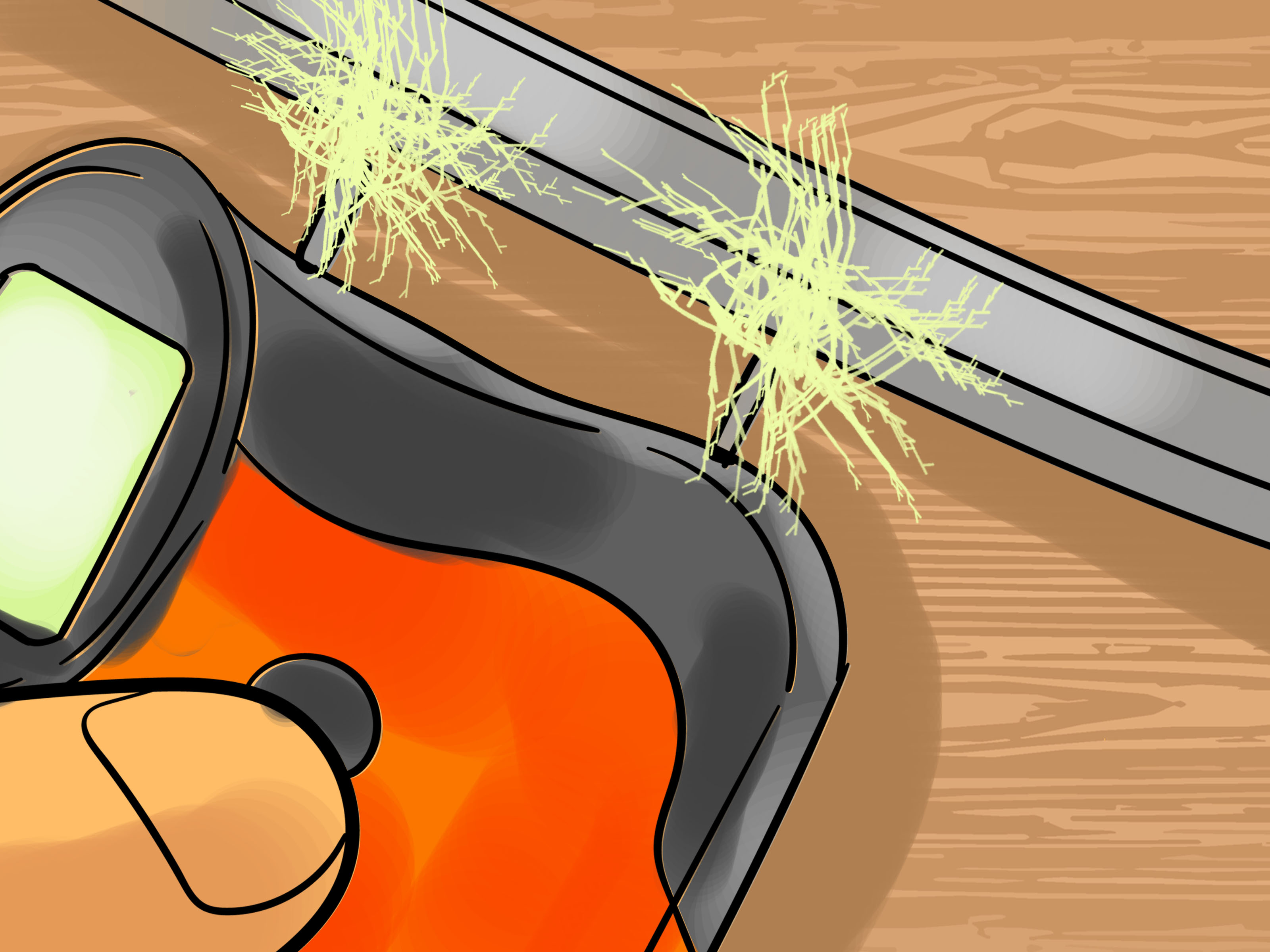
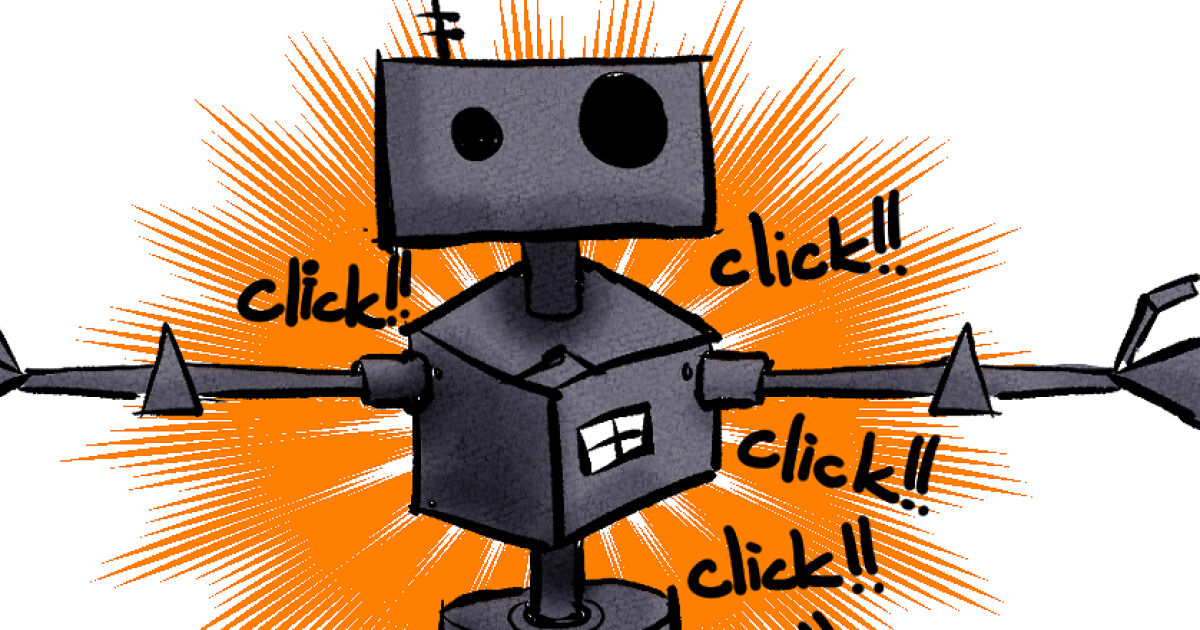
The three-image post known as “Kram-Bot And The Alien Apocalypse (3 Pics)” was shared as a compact introduction to the comic’s tone. The featured pieces are commonly associated with short titles such as Quiet, Assemble, and Hello Robot. Each one hints at the same larger universe: technology has survived, aliens have made a mess, and the remaining characters are dealing with it in their own awkward, deadpan way.
That is the big appeal. Instead of treating the apocalypse as one long explosion, Kram-Bot treats it as a stage for personality. The world has ended, but small moments still matter. A robot can still look confused. A stuffed animal can still feel like a loyal friend. A joke can still land even when civilization has apparently been put through the cosmic blender.
Why This Webcomic Premise Feels Fresh
Post-apocalyptic stories are everywhere. We have seen zombies, climate disasters, rogue machines, nuclear wastelands, and aliens with suspiciously excellent invasion logistics. But Kram-Bot stands out because it does not chase the usual grim-dark mood. It uses a lighter, stranger tone. The result feels less like a survival manual and more like a diary written by someone who found the end of the world inconvenient but not entirely without comic potential.
It Makes the Apocalypse Small
Many alien apocalypse stories go big immediately. Cities fall. Armies mobilize. Leaders shout at screens in underground rooms. Kram-Bot takes the opposite approach. It narrows the camera. Instead of asking, “How will humanity survive?” it asks, “What would a robot and a stuffed animal do next?” That smaller focus makes the story easier to enter and more personal.
Small storytelling is powerful in comics because a single expression, pause, or panel composition can carry the joke. A robot standing in a ruined environment can be funnier than a page full of laser battles if the timing is right. Kram-Bot’s premise understands this. It leaves room for visual silence, awkwardness, and tiny discoveries.
It Uses Contrast for Comedy
The best humor often comes from contrast. Kram-Bot has plenty of it. A robot is logical, mechanical, and supposedly practical. A stuffed animal is soft, sentimental, and wonderfully useless during an alien invasion unless the aliens are defeated by cuteness. Put them together in a post-apocalyptic landscape, and the comedy begins before anyone says a word.
That contrast also gives the comic emotional texture. The robot brings structure. The stuffed companion brings warmth. The ruined world brings danger. The joke lives in the gap between those elements. It is silly, but it is not empty silliness. There is a tiny heartbeat under the metal shell.
A Closer Look at the “3 Pics” Concept
The phrase “3 Pics” suggests a short visual introduction rather than a full chapter. That format fits web culture perfectly. Online readers often discover comics through a quick post, a small gallery, or a few panels that communicate the mood fast. If those first images have personality, readers are more likely to search for the full comic.
Picture 1: “Quiet”
A title like Quiet immediately signals restraint. In a noisy genre full of explosions and screaming aliens, quiet is funny by itself. A quiet apocalypse feels wrong in the best way. It invites readers to notice the details: the posture of the robot, the emptiness of the scene, the unspoken absurdity of surviving something enormous and then having a very small moment afterward.
Quiet panels are especially useful in webcomics because they slow the reader down. They give the joke space to breathe. They also make the setting feel bigger than the panel. If the world is silent, the reader starts wondering what happened before the silence and what strange thing might happen next.
Picture 2: “Assemble”
Assemble is a great word for a robot comic because it can mean several things at once. It can refer to machines being put together, characters gathering, or the emotional act of trying to piece together a life after disaster. In a comedy setting, it also sounds grander than the situation may deserve, which is exactly where the humor lives.
A robot assembling something in the aftermath of an alien invasion could be heroic. It could also be deeply ridiculous, especially if the goal is unclear or the robot is overconfident. The charm of Kram-Bot is that it can lean into both possibilities at once. The stakes may be cosmic, but the moment can still feel like a garage project gone sideways.
Picture 3: “Hello Robot”
Hello Robot sounds simple, almost childlike, and that simplicity is part of its appeal. It introduces character before lore. Instead of beginning with a giant timeline of alien conquest, it starts with recognition: here is a robot, and this robot matters.
That kind of introduction works well for a webcomic because readers connect to characters faster than they connect to worldbuilding. The alien apocalypse is the setting. Kram-Bot is the reason to stay. If the robot feels expressive, confused, brave, or oddly polite, the reader has a hook. The aliens can wait their turn. They already ruined the planet; they can be patient.
The Appeal of Robots in Comedy Comics
Robots are naturally funny when written well because they expose how strange human behavior is. A robot can misunderstand manners, emotions, sarcasm, art, grief, friendship, and the sacred social ritual of pretending to know how printers work. In Kram-Bot, that robotic perspective fits perfectly with the post-apocalyptic setting. The world no longer follows normal rules, and the character may not have fully understood the old rules either.
This gives the comic plenty of room for observational humor. A robot can treat ridiculous situations as technical problems. A stuffed animal companion can turn that logic into something warmer and sillier. Together, they can make readers laugh at survival, not because survival is easy, but because humor is one of the few tools that still works when everything else has gone sideways.
Why the Stuffed Animal Companion Matters
The stuffed animal is not just a cute accessory. It changes the emotional temperature of the story. Without it, Kram-Bot could become a lonely robot wandering through ruins. With it, the comic gains companionship, softness, and a strange little family dynamic.
In post-apocalyptic fiction, companions often represent hope. They give the hero someone to protect, argue with, or talk to when the landscape is mostly rubble and bad decisions. A stuffed animal companion adds another layer because it may not function like a traditional sidekick. It can be symbolic, absurd, comforting, or all three at once.
That is where the comic’s slice-of-life quality becomes important. The apocalypse may explain the world, but the relationship between the characters creates the mood. Readers are not only watching a robot survive. They are watching a robot experience companionship in a world where companionship might be the rarest resource left.
How Kram-Bot Fits Into Modern Webcomic Culture
Kram-Bot belongs to a modern webcomic ecosystem where creators can publish directly to readers through digital platforms. Sites such as Tapas and WEBTOON have made it easier for independent artists to serialize stories, test ideas, build an audience, and improve their work over time. This is especially helpful for comics with unusual premises that might not fit neatly into traditional publishing categories.
A comedy sci-fi comic about a robot and a stuffed animal after an alien apocalypse is exactly the kind of idea that benefits from web publication. It can grow episode by episode. It can experiment with pacing. It can move between quick jokes and larger story arcs. It can be discovered by readers who enjoy indie comics, robot humor, alien stories, slice-of-life comedy, or all of the above.
The creator has also connected the comic to print and digital formats, which matters for indie comics. A webcomic can begin online, but loyal readers often enjoy owning issues, supporting creators, or following the project across platforms. That multi-platform life is now a major part of independent comic culture.
SEO-Friendly Themes Readers Search For
From an SEO perspective, Kram-Bot And The Alien Apocalypse naturally connects to several strong search themes: robot webcomic, alien apocalypse comic, funny sci-fi comic, post-apocalyptic humor, indie comics, digital comics, and Tapas webcomic. These terms are relevant because they describe both the subject and the reader intent.
Someone searching for this topic may be looking for the original three pictures, the full webcomic, the creator, similar comics, or a quick explanation of why the project is interesting. A well-structured article should answer all of those needs without overloading the page with repeated keywords. Readers do not want to be attacked by the same phrase every paragraph. That is not SEO; that is a robot stuck in a loop, and frankly Kram-Bot deserves better representation.
What Makes the Humor Work?
The humor of Kram-Bot appears to rely on understatement, visual timing, character contrast, and the absurdity of ordinary behavior in an extraordinary setting. That is a strong comedic foundation. When a story places small personalities inside a huge disaster, even simple actions become funny.
Imagine a robot processing the collapse of civilization with the emotional range of a toaster that has read philosophy. Imagine a stuffed animal sidekick facing alien consequences with plush dignity. The comedy does not need to shout. It just needs to let the situation be weird enough for readers to lean in.
This kind of humor also ages well because it is character-based. A topical joke may fade, but a strange duo navigating a broken world can keep generating new scenarios. One episode can focus on alien technology. Another can focus on suburbs, coffee, fonts, packaging, or the ridiculous leftovers of human culture. The apocalypse becomes a sandbox for jokes.
Why “Kram-Bot And The Alien Apocalypse” Has Story Potential
The premise has a lot of room to expand. The alien apocalypse can be mysterious, silly, threatening, or bureaucratic. The robot can discover new locations, meet odd survivors, misunderstand human artifacts, or uncover what really happened. The stuffed animal companion can remain comic relief, emotional anchor, or possibly something stranger. In a world this odd, even a plush friend may have secrets.
Another strength is tonal flexibility. Kram-Bot can be cute without becoming shallow. It can be post-apocalyptic without becoming depressing. It can be science fiction without drowning readers in technical jargon. That balance makes it accessible to casual readers while still giving genre fans something to enjoy.
Experiences Related to Kram-Bot And The Alien Apocalypse
Reading a comic like Kram-Bot And The Alien Apocalypse feels a little like finding a strange object in an abandoned mall: you are not entirely sure what it is, but you immediately want to know who left it there. The best experience comes from letting the comic’s oddness unfold naturally. It is not the type of story that needs to grab you by the collar and yell, “Behold my lore!” Instead, it works through curiosity. You see the robot. You see the stuffed animal. You see the broken world. Then your brain starts quietly building questions.
One relatable experience is the way Kram-Bot turns loneliness into comedy. Many people have had moments where they felt like the last functioning person in a room full of chaos. Maybe it was at work during a computer outage. Maybe it was during a family trip where everyone forgot the plan but somehow remembered the snacks. Kram-Bot takes that familiar feeling and exaggerates it into science fiction. The world has ended, aliens are involved, and yet the emotional experience is oddly recognizable: keep moving, stay curious, and try not to short-circuit.
Another experience connected to the comic is the comfort of unlikely friendships. A robot and a stuffed animal should not be a practical survival team. One is mechanical. The other is plush. Neither seems ideal for hand-to-hand combat with extraterrestrial invaders. But that is exactly why the pair works. Real friendships are not always built on efficiency. Sometimes they are built on presence. The person, pet, object, or memory that helps you get through a difficult season may not solve the problem, but it makes the problem feel less empty.
The comic also captures the experience of navigating a world that no longer makes sense. That is not limited to alien invasions. People feel it during major life changes, after moving to a new city, when starting a new job, or when technology updates overnight and suddenly every button has migrated like frightened birds. Kram-Bot’s post-apocalyptic setting becomes a playful exaggeration of that feeling. The rules have changed. The map is unclear. Something weird is probably watching from the shadows. Still, breakfast might happen. A joke might happen. A tiny victory might happen.
For artists and indie comic fans, Kram-Bot also reflects the experience of watching a creative idea grow in public. Webcomics often evolve over time as creators refine the art, pacing, format, and release schedule. That process can be inspiring because it reminds readers that comics are not magic accidents. They are built panel by panel, often between day jobs, coffee refills, self-doubt, and the eternal question of whether that speech bubble should be two pixels to the left.
Finally, the biggest experience tied to Kram-Bot is the pleasure of discovering a small comic with a distinct personality. Not every story needs to arrive with a cinematic universe, a thousand-page wiki, and twelve collectible popcorn buckets. Sometimes three pictures are enough to open the door. Sometimes a robot, a stuffed animal, and an alien apocalypse are all you need to make the internet feel a little more imaginative.
Conclusion
Kram-Bot And The Alien Apocalypse (3 Pics) is a compact but memorable entry point into a funny indie sci-fi comic world. Its strength comes from contrast: a robot in a ruined world, a stuffed animal companion in a survival story, and quiet comedy inside a genre usually known for panic and explosions. T. Mark Bentley’s concept shows how a simple premise can feel fresh when the tone is specific and the characters invite curiosity.
For readers who enjoy robot webcomics, alien apocalypse humor, post-apocalyptic stories, or quirky indie comics, Kram-Bot is worth noticing. It proves that the end of the world does not always need to be bleak. Sometimes it can be awkward, oddly adorable, and just strange enough to make you keep scrolling.