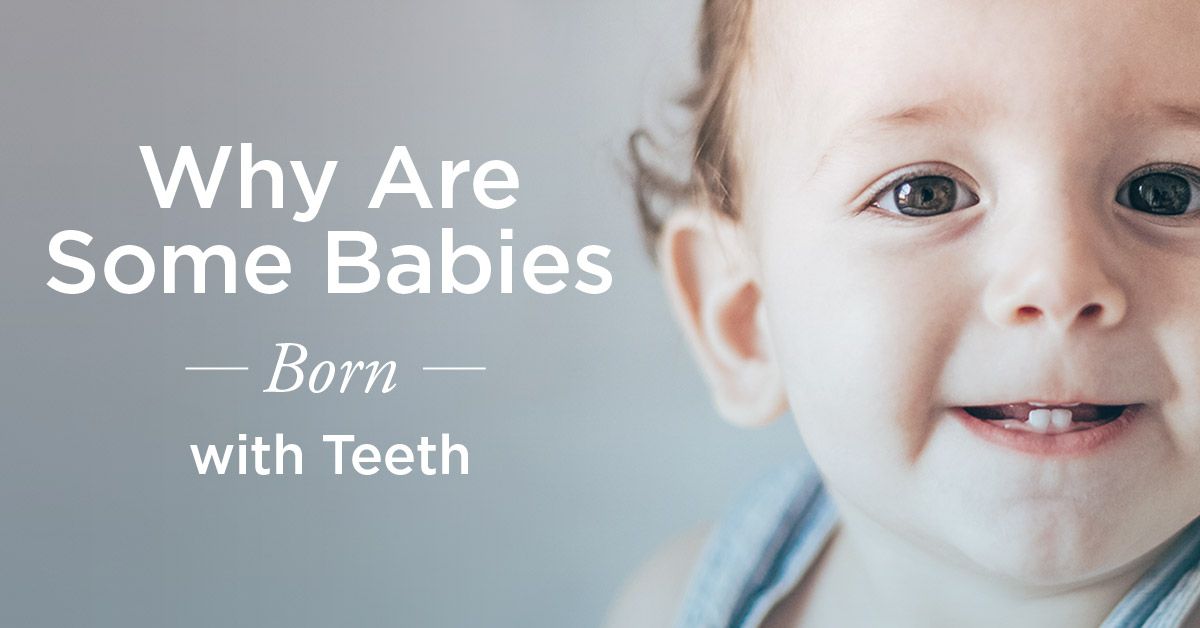
Seeing your newborn for the first time is already a major life moment. You count fingers, toes, tiny eyelashes, and thensurprise!there is a tooth in that brand-new little mouth. A baby born with teeth may sound like something from an old family legend, but it is a real medical finding called natal teeth.
So, is it normal? The short answer is: it can happen, and it is usually not an emergency. However, it is uncommon enough that a pediatrician or pediatric dentist should check it. Most babies begin teething around 6 months of age, but a small number arrive with one or more teeth already visible. These teeth may be harmless, but they can sometimes cause feeding problems, tongue irritation, or a choking risk if they are very loose.
This guide explains what natal teeth are, why they may appear, when parents should worry, and what treatment may be recommended. Consider this your calm, parent-friendly roadmapbecause newborn life already has enough mysteries without adding “tiny baby tooth detective” to your résumé.
What Are Natal Teeth?
Natal teeth are teeth that are present at birth. They are different from neonatal teeth, which erupt during the first 30 days after birth. Both are considered early tooth eruption, but the timing gives them different names.
Most natal teeth appear in the lower front gum area, where the lower central incisors normally come in first. In many cases, they are part of the baby’s regular primary teeth rather than extra teeth. That matters because removing a true baby tooth too quickly may leave a gap until the permanent tooth comes in years later.
Natal teeth can look different from typical baby teeth. They may be small, cone-shaped, yellowish, brownish, or slightly wobbly. Some have underdeveloped roots, which is why they may feel loose. Others are stable and simply showed up far earlier than expected, as if they skipped the waiting room entirely.
How Common Is It for a Baby to Be Born with Teeth?
A baby born with teeth is uncommon, but it is not unheard of. Older studies often estimate natal teeth at about 1 in 2,000 to 1 in 3,500 births, while newer analyses report different rates depending on the population studied and how cases are counted. Either way, it is rare enough to surprise parents and even some relatives, but common enough that pediatric dentists know how to evaluate it.
Natal teeth appear more often than neonatal teeth. They usually occur as one tooth or a pair of teeth. The classic pattern is two lower front teeth, although a baby may have only one tooth or, more rarely, teeth in another area of the mouth.
Is a Baby Born with Teeth Healthy?
In many cases, yes. A baby can be born with teeth and still be perfectly healthy. Natal teeth may occur in full-term babies with no other medical concerns. For many families, the biggest issue is the initial shock. One minute you are admiring a newborn smile; the next, your baby looks ready to review the dinner menu.
However, natal teeth should still be evaluated. A healthcare provider will want to check whether the tooth is stable, whether it is part of the normal primary dentition, and whether it is causing any problems. The provider may also look for other findings if the baby has additional symptoms, unusual facial features, feeding difficulties, or growth concerns.
What Causes Natal Teeth?
The exact cause of natal teeth is not always known. In many babies, there is no clear reason. Researchers have discussed several possible factors, including genetics, shallow positioning of the developing tooth bud, fever or illness during pregnancy, nutritional factors, and hormonal influences. In some families, more than one child or relative may have had very early teeth, suggesting a hereditary link.
Natal teeth have also been reported with certain rare syndromes or developmental conditions. That does not mean every baby born with teeth has a syndrome. Most do not. It simply means that doctors may look at the whole babynot just the toothbefore deciding whether any further evaluation is needed.
Natal Teeth vs. Neonatal Teeth: What Is the Difference?
The difference is timing. Natal teeth are present at birth. Neonatal teeth erupt within the first month of life. After that, early teeth are usually described simply as early eruption.
Parents may use the phrases “newborn teeth,” “baby born with teeth,” or “teeth at birth” interchangeably, but dentists use these terms more precisely. Accurate wording helps the care team understand when the tooth appeared and whether it may need closer monitoring.
What Do Natal Teeth Look Like?
Natal teeth may look like normal baby teeth, but many have features that make them stand out. They may be:
- Smaller than typical baby teeth
- Yellow, brown, or opaque in color
- Pointed or cone-shaped
- Loose because of a weak or incomplete root
- Located on the lower front gum line
- Partly covered by gum tissue
A stable natal tooth may not look dramatic at all. A very loose tooth, however, may move when the baby feeds or cries. That mobility is one of the most important details because it can affect treatment decisions.
Can Natal Teeth Affect Breastfeeding or Bottle-Feeding?
Yes, natal teeth can sometimes interfere with feeding. A sharp or poorly positioned tooth may rub against the baby’s tongue during sucking. It may also cause nipple pain for a breastfeeding parent. In bottle-fed babies, a loose or sharp tooth may still irritate the mouth or make sucking uncomfortable.
That said, many babies with natal teeth feed normally. If the baby is gaining weight, latching well, and the tooth is stable, the dentist may recommend observation rather than treatment. If feeding becomes painful, noisy, inefficient, or stressful, parents should call the pediatrician or pediatric dentist. A small adjustment, such as smoothing a sharp edge, may make a big difference.
Possible Problems Linked to Natal Teeth
Most natal teeth do not cause serious problems, but parents should know what to watch for. The main concerns include:
1. Choking or Aspiration Risk
If a natal tooth is extremely loose, there is a risk that it could detach. A swallowed tooth often passes through the digestive system, but a tooth that enters the airway can be dangerous. This is one reason very mobile natal teeth may be removed.
2. Tongue Ulcers
A sharp tooth can rub against the underside of the tongue and cause a sore called Riga-Fede disease. This ulcer may look alarming and can make feeding painful. Treatment depends on the severity and may include smoothing the tooth, covering the rough edge, improving feeding technique, or removing the tooth if needed.
3. Feeding Difficulty
If the baby cannot latch properly, tires quickly during feeds, refuses feeds, or seems uncomfortable, the tooth may be part of the problem. Poor feeding in a newborn should always be taken seriously because newborns need frequent nutrition and hydration.
4. Gum Irritation
Some natal teeth irritate the surrounding gum tissue. Parents may notice redness, swelling, or bleeding. A dentist can check whether the tooth is stable and whether the gum needs care.
5. Parent Anxiety
This one is not listed in dental textbooks as a tooth complication, but it is very real. Parents often worry they did something wrong during pregnancy. In most cases, they did not. A natal tooth is not caused by forgetting one prenatal vitamin, eating too many pickles, or looking at a teething toy too intensely.
Should Natal Teeth Be Removed?
Not always. Removal depends on the tooth’s stability, location, and effect on feeding or oral tissues. If the tooth is firm, not hurting the baby, and not causing feeding trouble, a dentist may choose to leave it in place and monitor it.
Extraction may be recommended if the tooth is very loose, poses a choking risk, causes repeated tongue injury, prevents feeding, or is clearly an extra tooth rather than part of the normal set. A pediatric dentist may use an oral exam and, when appropriate, imaging to help decide whether the tooth is a normal primary tooth or a supernumerary tooth.
Parents should never try to wiggle, pull, file, or clip a natal tooth at home. Newborn mouths are delicate, and home “fixes” can cause bleeding, infection, pain, or accidental injury. This is a job for trained professionals, not kitchen tweezers and bravery.
How Doctors and Dentists Evaluate a Baby Born with Teeth
The evaluation usually starts with a physical exam. The pediatrician or pediatric dentist may check:
- How loose the tooth is
- Whether the baby can feed comfortably
- Whether the tongue, lips, or gums are irritated
- Whether the tooth appears to be a normal baby tooth or an extra tooth
- Whether there are other health or developmental concerns
In some cases, no imaging is needed. In others, a dental X-ray may be considered to understand the root structure or confirm whether the tooth belongs to the primary dentition. The goal is not to over-treat; it is to make the safest choice for the baby.
Treatment Options for Natal Teeth
Treatment is personalized. A baby with a firm, harmless natal tooth may need nothing more than monitoring. A baby with a sharp tooth may need the edge smoothed. A baby with a very loose tooth may need extraction.
Monitoring
If the tooth is stable and not causing problems, observation is often enough. Parents may be asked to watch for changes in looseness, feeding, gum swelling, or tongue sores.
Smoothing Sharp Edges
If the tooth rubs the tongue or causes nipple pain, a dentist may smooth the edge. This can reduce irritation while preserving the tooth.
Protective Covering
In selected cases, a dentist may use a small protective material to cover a rough tooth surface. This is more likely when the tooth is stable enough to keep.
Extraction
Removal may be the safest option for a tooth that is extremely mobile, causes injury, or interferes with feeding. If extraction is needed, it should be performed by a qualified healthcare professional familiar with newborn care.
How to Care for Natal Teeth at Home
If the tooth stays in place, parents should keep the baby’s mouth clean. Use a clean, damp gauze pad or soft cloth to gently wipe the gums and tooth. Do not scrub aggressively. Newborn oral care should be gentle, quick, and calm.
As your child grows, your pediatrician or dentist can guide you on brushing, fluoride toothpaste, and dental visits. In general, babies should have their first dental visit by the first birthday or within six months after the first tooth appears. For a baby born with a tooth, that timeline may start earlier because the first tooth has already made its grand entrance.
When to Call the Doctor Right Away
Call your baby’s pediatrician or pediatric dentist promptly if you notice:
- The tooth is very loose or seems about to fall out
- Your baby is choking, coughing, or gagging during feeds
- Your baby has trouble latching or refuses feeds
- There is a sore or ulcer under the tongue
- The gums bleed or look infected
- Your baby is not gaining weight as expected
- Your baby seems unusually sleepy, dehydrated, or distressed
Newborn feeding issues should not be ignored. Even if the tooth turns out to be innocent, it is better to check early than to wait and worry.
Common Myths About Babies Born with Teeth
Natal teeth have been surrounded by myths for centuries. In some cultures, babies born with teeth were considered lucky. In others, families feared the teeth were a bad sign. Modern medicine offers a much simpler explanation: teeth develop before birth, and occasionally one erupts early.
A baby born with teeth is not “too advanced,” cursed, dangerous, or destined to bite everyone at daycare. The tooth is a dental finding, not a personality forecast. Your baby is still a babyjust one with a tiny head start in the dental department.
of Parent Experience: What It Can Feel Like in Real Life
For many parents, discovering a natal tooth is less like reading a medical definition and more like living through a tiny plot twist. Imagine a mother who has just delivered her baby after hours of labor. The nurse places the baby on her chest, everyone is emotional, and then someone says, “Wait, is that a tooth?” Suddenly the room has a new topic. The baby has not even tried milk yet, and already there is dental commentary.
The first emotion is often surprise. Parents may wonder whether they missed something during pregnancy or whether the tooth means the baby is in pain. Grandparents may have strong opinions. One aunt may declare it lucky. Another may insist the tooth must come out immediately. Meanwhile, the baby is usually doing normal newborn things: sleeping, stretching, squeaking, and making faces like a tiny confused professor.
The next experience is usually the feeding test. If breastfeeding is planned, the parent may worry about pain before the first latch even happens. Some babies latch beautifully despite natal teeth. Others need help from a lactation consultant, pediatrician, or dentist. If the tooth is sharp, the breastfeeding parent may feel pinching or soreness. If the baby’s tongue rubs against the tooth, the baby may pull away or fuss. This is where professional guidance can turn panic into a plan.
Parents also often describe checking the tooth repeatedly. Is it looser today? Is the gum red? Did the baby swallow it? This kind of monitoring can feel stressful, especially during the already exhausting newborn stage. A practical tip is to ask the provider exactly what to watch for and how often to check. Clear instructions help parents avoid staring into the baby’s mouth every ten minutes like a dental security guard.
Another real-life challenge is explaining the tooth to visitors. People may react dramatically because most have never seen a newborn with teeth. A calm answer works well: “It’s called a natal tooth. The pediatric dentist checked it, and we’re monitoring it.” That sentence can shut down a surprising amount of living-room folklore.
If the tooth needs removal, parents may feel guilty or nervous. That is understandable. But extraction is recommended only when the benefits outweigh the risks, such as when the tooth is very loose or harming feeding. If the tooth stays, parents may feel protective of it, almost as if it is the baby’s first quirky feature. Either way, the goal is the same: safe feeding, healthy growth, and a comfortable mouth.
The biggest lesson from parents who have been through it is this: do not panic, but do not ignore it. A baby born with teeth can be completely fine. The key is getting the tooth checked, following professional advice, and focusing on the baby’s overall health. In a few months, when everyone else is celebrating first teeth, you can smile knowingly. Your baby simply arrived early to the teething party.
Conclusion: Is a Baby Born with Teeth Normal?
A baby born with teeth is unusual, but it can be normal. Natal teeth are most often seen in the lower front gum area and may be part of the baby’s regular set of primary teeth. Many do not require treatment, especially if they are stable and not causing feeding problems.
The safest next step is a professional evaluation. A pediatrician or pediatric dentist can determine whether the tooth should be watched, smoothed, protected, or removed. Parents should seek help quickly if the tooth is very loose, feeding is difficult, or the baby develops a tongue sore.
In most cases, natal teeth are more surprising than scary. Your baby has not broken the rules of infancy; they have simply started teething before the welcome-home balloons came down.