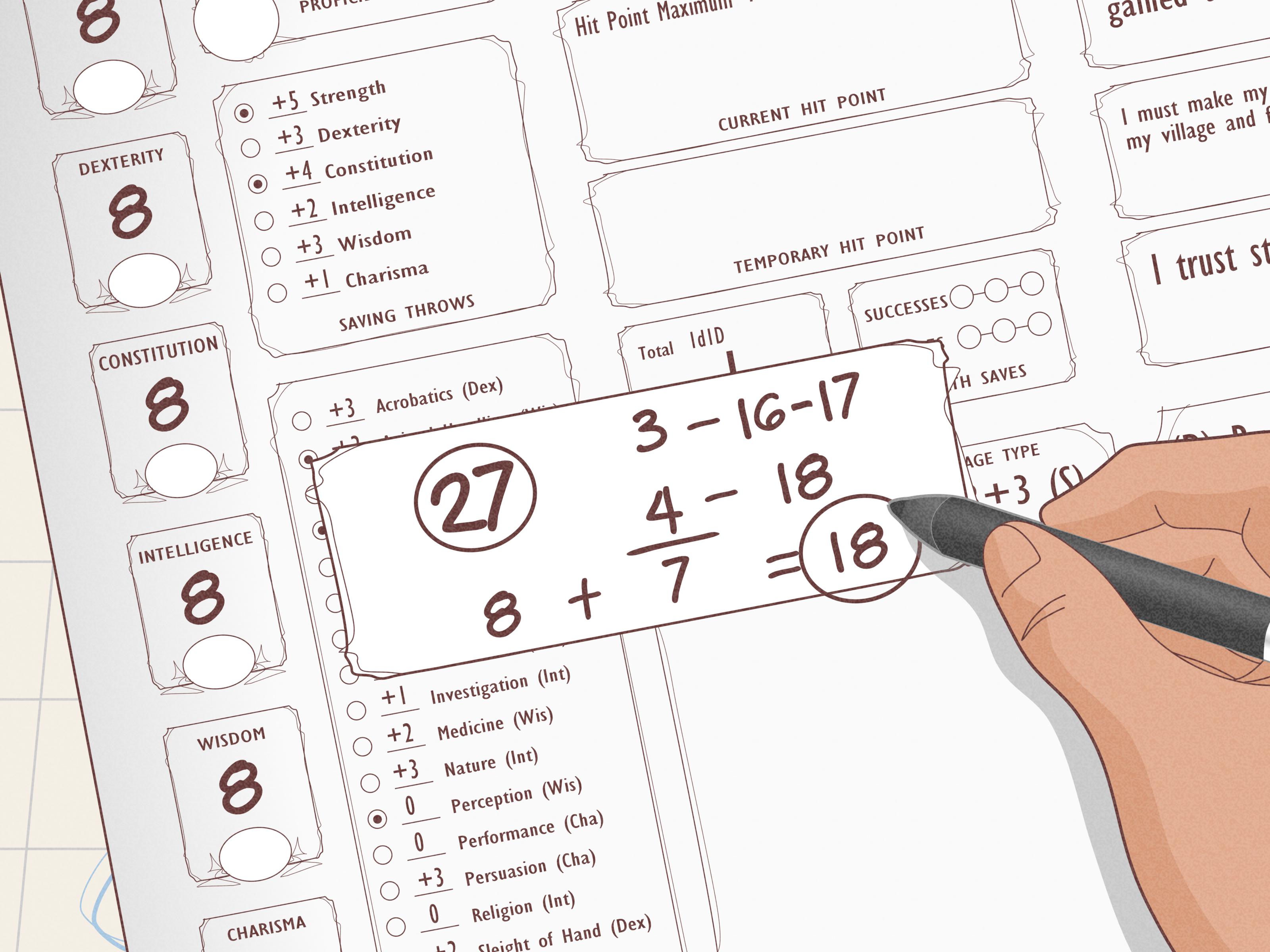
Rolling for stats in Dungeons & Dragons 5e is one of the first dramatic moments of character creation. Before your hero slays a dragon, insults a noble, falls into a suspiciously obvious pit trap, or asks, “Can I seduce the gelatinous cube?” you need six numbers. Those numbers are your ability scores, and they shape almost everything your character does.
If you are new to D&D, “roll for stats” may sound like a secret wizard ritual performed with math rocks under candlelight. Good news: it is much easier than it sounds. The classic 5e method is simple: roll four six-sided dice, drop the lowest die, add the remaining three, and repeat until you have six scores. Then you assign those scores to Strength, Dexterity, Constitution, Intelligence, Wisdom, and Charisma.
This beginner-friendly guide explains how to roll ability scores in 5e, how modifiers work, when to use standard array or point buy instead, and how to avoid common mistakes that can make your first character feel like a heroic legendor a bard with the physical resilience of damp toast.
What Are Ability Scores in D&D 5e?
In D&D 5e, every character has six ability scores. These numbers describe your character’s raw talents and weaknesses. A high score means your character is naturally strong in that area. A low score means that area may become a source of comedy, danger, or both.
The Six Ability Scores
- Strength: Physical power, athletics, lifting, pushing, melee attacks with many weapons.
- Dexterity: Agility, reflexes, stealth, initiative, armor class, ranged attacks, finesse weapons.
- Constitution: Health, stamina, hit points, concentration checks, resisting poison and exhaustion.
- Intelligence: Reasoning, memory, investigation, arcana, history, wizard spellcasting.
- Wisdom: Awareness, intuition, perception, survival, insight, cleric and druid spellcasting.
- Charisma: Confidence, social presence, persuasion, intimidation, deception, bard, sorcerer, paladin, and warlock spellcasting.
These scores usually range from 3 to 18 during character creation when rolling, though class features, species traits, feats, and Ability Score Improvements can increase them later. In most 5e games, 10 or 11 represents average human ability. A 14 is noticeably strong. A 16 is excellent. An 18 at level 1 is the kind of number that makes other players stare at your dice like they owe them money.
How to Roll for Stats in 5e
The most common D&D 5e rolling method is called 4d6 drop lowest. That means you roll four six-sided dice, remove the lowest result, and add the remaining three dice together.
Step-by-Step: The 4d6 Drop Lowest Method
- Take four six-sided dice.
- Roll all four dice at once.
- Drop the lowest die result.
- Add the remaining three dice together.
- Write down the total.
- Repeat this process until you have six numbers.
- Assign those six numbers to your six ability scores.
Example Roll
Suppose you roll four dice and get: 6, 5, 3, and 1.
You drop the lowest number, which is 1. Then you add 6 + 5 + 3 for a total of 14. That 14 becomes one of your six ability scores.
Now repeat the process five more times. You might end up with a set like this:
| Roll | Dice Results | Drop Lowest | Final Score |
|---|---|---|---|
| 1 | 6, 5, 3, 1 | 1 | 14 |
| 2 | 4, 4, 2, 2 | 2 | 10 |
| 3 | 6, 6, 5, 3 | 3 | 17 |
| 4 | 5, 4, 4, 1 | 1 | 13 |
| 5 | 3, 3, 2, 2 | 2 | 8 |
| 6 | 6, 4, 4, 3 | 3 | 14 |
Your final stat array would be: 17, 14, 14, 13, 10, 8. Not bad at all. Your character is officially more promising than the average village goat, which is where many adventuring careers begin.
Assigning Rolled Stats to Your Character
After rolling six numbers, you decide where each number goes. This is where your character concept matters. A barbarian usually wants high Strength and Constitution. A rogue usually loves Dexterity. A wizard wants Intelligence. A bard wants Charisma, because someone has to talk the party out of consequences after the barbarian starts them.
Example: Assigning Stats for a Rogue
Using the example array 17, 14, 14, 13, 10, 8, a beginner rogue might assign stats like this:
| Ability | Score | Why It Matters |
|---|---|---|
| Dexterity | 17 | Boosts stealth, initiative, armor class, ranged attacks, and finesse weapons. |
| Constitution | 14 | Helps with hit points and surviving bad decisions. |
| Charisma | 14 | Useful for deception, persuasion, and charming your way past guards. |
| Wisdom | 13 | Improves perception and insight, both very useful for sneaky characters. |
| Intelligence | 10 | Average reasoning and investigation ability. |
| Strength | 8 | Not a muscle character. Let the fighter carry the suspicious statue. |
The key is to put your best number in the ability your class uses most. Your second-best score often belongs in Constitution, because every class enjoys not becoming unconscious.
How Ability Modifiers Work
In actual play, your ability modifier matters more often than the ability score itself. The modifier is the number you add to d20 rolls, such as attack rolls, saving throws, and ability checks.
To calculate an ability modifier, subtract 10 from the score, divide by 2, and round down. Fortunately, you do not need to do heroic algebra every time. Use this table:
| Ability Score | Modifier |
|---|---|
| 3 | -4 |
| 4-5 | -3 |
| 6-7 | -2 |
| 8-9 | -1 |
| 10-11 | +0 |
| 12-13 | +1 |
| 14-15 | +2 |
| 16-17 | +3 |
| 18-19 | +4 |
| 20 | +5 |
For example, if your Dexterity is 16, your Dexterity modifier is +3. If you make a Dexterity (Stealth) check and are proficient in Stealth, you add your Dexterity modifier and your proficiency bonus. At level 1, proficiency is +2, so your Stealth check would be d20 + 3 + 2.
Rolling Stats vs. Standard Array vs. Point Buy
D&D 5e gives groups more than one way to determine ability scores. The three most common methods are rolling, standard array, and point buy. None is automatically “correct.” The best method depends on the table, the tone of the campaign, and how much chaos your group considers a healthy breakfast.
Rolling for Stats
Rolling is exciting because it creates surprise. You might roll a heroic set with multiple high scores. You might roll one amazing score and several average ones. You might roll numbers that make your fighter look like they were assembled from spare scarecrow parts. This unpredictability can inspire memorable characters, but it can also create imbalance between players.
Standard Array
The standard array is usually 15, 14, 13, 12, 10, 8. Every player gets the same six numbers and assigns them as desired. This method is fast, fair, and beginner-friendly. It removes dice drama, but it also avoids one player starting with superhero stats while another starts with “ambitious potato.”
Point Buy
Point buy gives you a budget, usually 27 points, to purchase ability scores. Scores typically start at 8 and can be raised up to 15 before later bonuses. Higher scores cost more points. Point buy is excellent for players who like control and balance, but it can feel slightly less magical than rolling dice and praying to the tiny cube gods.
| Method | Best For | Main Advantage | Main Drawback |
|---|---|---|---|
| Rolling | Groups that enjoy randomness | Exciting and unpredictable | Can create uneven characters |
| Standard Array | New players and quick starts | Fast and balanced | Less customization |
| Point Buy | Players who like planning | Balanced and flexible | Takes longer to understand |
Should Beginners Roll for Stats?
Beginners can absolutely roll for stats, but they should do it with the Dungeon Master’s approval. A new player may enjoy the suspense of rolling, especially at a live table where everyone cheers when an 18 appears. However, beginners may also feel punished if they roll much lower than everyone else.
For a first campaign, many DMs prefer standard array because it keeps characters balanced and avoids awkward conversations like, “Yes, your wizard has less Intelligence than the party mule, but think of the roleplay.” Still, if everyone agrees to roll, it can be a fun way to create characters with personality baked into their numbers.
Common House Rules for Rolling Stats
Because rolling can produce extreme results, many tables use house rules. Always ask your DM before rolling. Do not show up with six suspiciously perfect 18s and say, “The dice were simply inspired.” Nobody believes that. Not even the dice.
Popular House Rules
- Reroll if total modifiers are too low: Some DMs allow a reroll if the character is far below the rest of the party.
- Roll seven scores and drop the lowest: This gives players a better chance of a strong character.
- Shared party array: Everyone rolls one set together, and all players use the same final numbers.
- Minimum score rule: If a score is below a certain number, such as 7, the player may reroll it.
- Heroic rolling: Roll 4d6 drop lowest, but reroll 1s. This tends to create very powerful characters.
House rules are not official defaults, but they can make rolling feel fairer. The goal is not to remove risk entirely. The goal is to prevent one player from feeling trapped for an entire campaign because the dice had a tiny plastic tantrum during Session Zero.
Which Stats Matter Most by Class?
When assigning ability scores, start with your class’s primary ability. Then choose a strong secondary score. Constitution is almost always useful, because more hit points mean more time participating in the adventure instead of lying face-down in a dungeon corridor.
| Class | Primary Ability | Helpful Secondary Scores |
|---|---|---|
| Barbarian | Strength | Constitution, Dexterity |
| Bard | Charisma | Dexterity, Constitution |
| Cleric | Wisdom | Constitution, Strength or Dexterity |
| Druid | Wisdom | Constitution, Dexterity |
| Fighter | Strength or Dexterity | Constitution |
| Monk | Dexterity and Wisdom | Constitution |
| Paladin | Strength and Charisma | Constitution |
| Ranger | Dexterity or Strength | Wisdom, Constitution |
| Rogue | Dexterity | Constitution, Charisma or Intelligence |
| Sorcerer | Charisma | Constitution, Dexterity |
| Warlock | Charisma | Constitution, Dexterity |
| Wizard | Intelligence | Constitution, Dexterity |
Beginner Mistakes to Avoid When Rolling Stats
Rolling Without Your DM
Always roll stats using the method your DM approves. Some DMs want rolls made at the table. Some allow digital dice. Some use standard array only. The correct method is not “whatever gave me the best numbers at 2:00 a.m.”
Forgetting Ability Modifiers
New players sometimes write down the score but forget the modifier. Your score matters, but the modifier is what you add to most rolls. A 15 Strength gives a +2 modifier, not +15. Otherwise, goblins would file complaints with the rules department.
Putting Your Best Score in the Wrong Place
A wizard with 18 Strength and 8 Intelligence may be hilarious, but they will struggle to cast spells effectively. Unless you are intentionally building a joke character, put your highest score in the ability your class needs most.
Ignoring Constitution
Constitution affects hit points and survival. Even spellcasters benefit from a decent Constitution score, especially when concentrating on spells. A glass cannon is fun until the cannon gets sneezed on by a kobold.
Chasing Perfect Optimization
Strong stats help, but D&D is not only a math contest. A flawed character can be memorable. A low Intelligence barbarian, a shy bard, or a clumsy wizard can create funny and meaningful moments. Build something effective, but leave room for personality.
What If You Roll Bad Stats?
Bad stats can feel discouraging, but they are not always a disaster. First, talk to your DM. Many groups have a safety rule for extremely weak arrays. Second, remember that 5e characters are more than ability scores. Class features, spells, teamwork, equipment, positioning, and clever choices all matter.
If you roll one very low stat, turn it into character flavor. A low Charisma fighter might be blunt and socially disastrous. A low Strength wizard might need help opening pickle jars and dungeon doors. A low Wisdom rogue might be brilliant at sneaking but terrible at noticing the obvious cursed skull labeled “Do Not Touch.”
What If You Roll Amazing Stats?
If you roll several high numbers, congratulations. The dice have chosen you as their temporary favorite. Use that power responsibly. Great stats can support unusual character ideas, such as a strong wizard, a charismatic monk, or a highly intelligent fighter. However, avoid overshadowing other players. D&D works best when everyone gets moments to shine.
A character with excellent stats should still have goals, fears, flaws, and personality. Numbers can make your character powerful, but they do not automatically make your character interesting. That part is still up to you.
Practical Example: Rolling and Building a Cleric
Let’s say you roll: 16, 15, 13, 12, 11, 9. You want to play a cleric. Wisdom should be your highest score because it powers cleric spellcasting. Constitution is useful for hit points and concentration. Strength or Dexterity depends on your armor and weapon style.
A solid cleric assignment might look like this:
- Wisdom 16: Better spell attacks, saving throw DCs, healing, and Wisdom skills.
- Constitution 15: More durability and stronger concentration checks.
- Strength 13: Useful if wearing heavier armor or using melee weapons.
- Charisma 12: Helpful for social situations.
- Intelligence 11: Average knowledge and reasoning.
- Dexterity 9: Slightly clumsy, but maybe your armor does the heavy lifting.
This cleric is durable, wise, and ready to heal friends while silently judging their life choices. Perfect cleric energy.
Best Tips for Rolling Stats in Session Zero
Session Zero is the meeting before the campaign starts. It is the best time to decide how ability scores will be generated. The DM should explain whether the table is using rolling, standard array, point buy, or a house rule. Players should agree before anyone creates a full character.
Here are helpful questions to ask:
- Are we rolling stats, using standard array, or using point buy?
- If we roll, do we roll in front of the DM?
- Are rerolls allowed for very low arrays?
- Do we assign scores freely or roll them in order?
- Are we using 2014 5e character creation rules, 2024 rules, or a table mix?
- Are species bonuses, background bonuses, or feats changing ability scores?
Clear answers prevent confusion. They also prevent the ancient tabletop curse known as “But my other group let me do this.”
Personal Experience: What Rolling Stats Teaches New Players
Rolling for stats is more than a mechanical step. It is often the first moment where a new D&D player feels the personality of the game. You roll dice, the table reacts, and suddenly a character begins to appear. Maybe you planned to build a noble, graceful elf ranger, but your stats say you are surprisingly tough, not especially charming, and deeply average at nature knowledge. Congratulations: your elf may now be a survivalist who looks majestic until asked to identify a berry.
One of the best experiences with rolling stats comes from learning to adapt. New players often arrive with a fixed idea: “I want to be the smartest wizard ever,” or “I want to be a mighty barbarian who can throw furniture as a communication style.” Then the dice add their opinion. Sometimes the numbers support the idea perfectly. Sometimes they nudge the character in a stranger, funnier, more memorable direction.
For example, a player might roll one excellent score, two decent scores, and three low ones. At first, that can feel disappointing. But that spread creates a focused character with clear strengths and weaknesses. A rogue with fantastic Dexterity but poor Wisdom may be amazing at sneaking into trouble and equally talented at failing to notice trouble once inside. A paladin with strong Charisma but average Strength might become less of a holy bodybuilder and more of an inspiring battlefield leader. A wizard with high Intelligence and low Constitution may be brilliant, fragile, and very committed to standing behind the fighter.
Rolling also teaches the table an important lesson: fairness and fun should matter more than strict randomness. If one player rolls a superhero and another rolls a walking accident report, the DM should consider whether the group will still have fun. Some tables love that imbalance because it creates old-school unpredictability. Other tables prefer a safety net, such as allowing rerolls below a certain total or using a shared rolled array. Neither approach is wrong. The important thing is that everyone understands the expectations before the campaign begins.
Another great lesson is that low stats are not failures. They are invitations. A low Charisma character can still be beloved at the table. A low Intelligence character can still make smart choices if the player is careful not to turn the score into a cartoon. A low Strength character may rely on tools, allies, spells, mounts, or clever plans. In D&D, weakness often creates story. The fighter’s terrible Wisdom save might become a running joke after three failed attempts to resist enchantment magic. The bard’s low Constitution might explain why they perform dramatically and then immediately need a chair.
From a practical point of view, beginners should not be afraid to ask for help after rolling. A more experienced player or DM can explain which stats fit the chosen class. This is especially useful for classes that need multiple abilities, such as monks, paladins, rangers, and some clerics. A new player may not realize that Constitution is valuable for everyone or that Dexterity affects initiative and armor class. A five-minute conversation can prevent a character from feeling frustrating for months.
The best rolling experiences happen when players treat the dice as creative partners instead of enemies. High rolls are exciting. Average rolls are workable. Low rolls can become legendary with the right attitude. After all, D&D stories are rarely remembered because every number was perfectly optimized. They are remembered because someone with a -1 modifier tried something ridiculous, rolled a natural 20, and the entire table screamed like they had personally defeated physics.
Conclusion
Rolling for stats in 5e is simple once you know the rhythm: roll 4d6, drop the lowest die, add the remaining three, and repeat until you have six ability scores. Then assign those scores based on your class, character concept, and party needs. The method is fun, suspenseful, and full of personality, but it should always be approved by the DM before play begins.
For beginners, standard array and point buy are excellent alternatives if the group wants balance and speed. Rolling is best when everyone enjoys uncertainty and agrees on fair table rules. Whether your character begins with heroic numbers or one tragic dump stat, remember this: ability scores help shape the adventure, but they do not replace creativity, teamwork, and the beautiful chaos of rolling dice with friends.