Winter has a special talent for finding every crack, gap, thin sock, and questionable life decision in your home. One minute you are sipping cocoa like a cozy movie character; the next, your toes feel like they have joined an Arctic research expedition without telling you. The good news? Staying warmer does not always require buying a cart full of expensive gadgets. Sometimes the best winter helpers are already hiding in your closet, recycling bin, or packaging pile.
This guide focuses on three simple items you can recycle or reuse to keep warm during winter: old textiles, cardboard and paper, and plastic packaging such as bubble wrap or clean plastic film. These everyday materials can help trap heat, reduce drafts, add insulation, and make your home feel less like a walk-in freezer with Wi-Fi.
Before we begin, here is the golden rule: reuse first, recycle second. If an item can safely serve another purpose before it leaves your home, you save money, reduce waste, and get one more job out of something you already paid for. That is not just frugal; that is household wizardry in sweatpants.
Why Recycling and Reusing Can Actually Help You Stay Warm
Warmth is not only about turning up the thermostat. It is also about slowing heat loss. Heat escapes through drafty windows, gaps under doors, poorly insulated floors, and thin clothing layers. Cold air sneaks in the same way a cat enters a room: quietly, confidently, and with no respect for boundaries.
Recycled household items can help in three practical ways. First, they can create insulating air pockets. Second, they can block moving air, which makes rooms feel colder even when the thermostat says otherwise. Third, they can add layers around your body or your living space. Layers work because trapped air slows heat transfer, and that is why a chunky sweater, a quilt, or a sealed window covering feels warmer than one lonely cotton shirt fighting winter all by itself.
Of course, recycled materials are not a replacement for safe heating, proper home insulation, or professional repairs when a house has serious weatherization problems. But for renters, budget-conscious homeowners, students, small-space dwellers, and anyone who enjoys defeating winter with creativity, these three items are useful, affordable, and surprisingly effective.
Item 1: Old Clothes, Towels, Sheets, and Blankets
Old textiles are the champions of winter reuse. A sweater with a stretched collar, a towel that has lost its spa-day softness, or a sheet set missing its fitted-sheet partner can all become practical cold-weather tools. Instead of sending them straight to the trash, turn them into warmth boosters for your body and your home.
Turn Old Clothing Into Better Winter Layers
Layering is one of the simplest ways to stay warm because each layer traps a bit of air close to the body. Old sweatshirts, flannel shirts, fleece pullovers, wool sweaters, leggings, and long-sleeve tops can become your indoor winter uniform. It may not win a fashion award, but neither does shivering under a throw blanket while typing with frozen fingers.
For the best result, think in three layers. The base layer should be comfortable against the skin. The middle layer should provide insulation, such as fleece, wool, or a thick knit. The outer layer should help block drafts, especially if you are moving near doors, windows, garages, or chilly basements. Avoid relying on damp clothing, because wet fabric pulls heat away from the body quickly. If winter chores leave you sweaty or snow-damp, change into dry clothes as soon as possible.
Make a Draft Stopper From Old Towels or Jeans
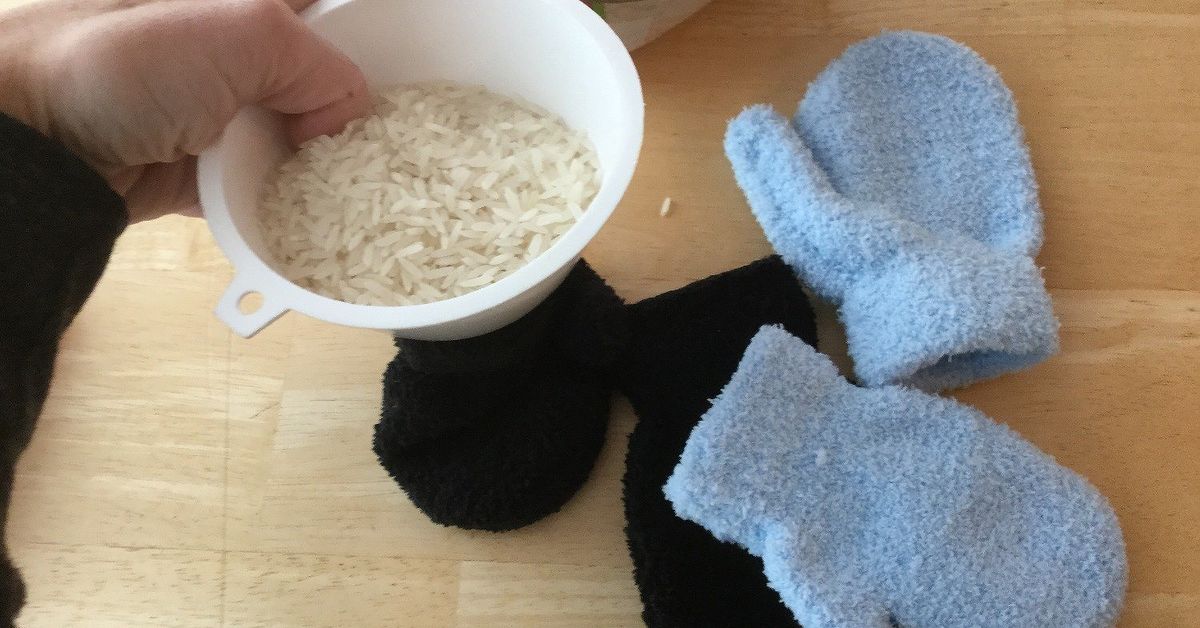
A draft stopper is one of the easiest recycled winter projects. Take an old towel, a worn-out pair of jeans, or a long sleeve from a damaged sweatshirt. Roll it tightly, fill it with fabric scraps, and place it along the bottom of a door or window. If you can sew, stitch the edge closed. If not, tie the ends with string, ribbon, or rubber bands. Congratulations: you have created a door snake, minus the feeding schedule.
Draft stoppers work best at exterior doors, basement doors, attic entries, laundry rooms, and windows with noticeable cold air movement. They are especially helpful in older homes, apartments, and rental spaces where permanent weatherstripping may not be allowed. For extra density, fill the fabric tube with clean fabric scraps, orphan socks, old T-shirts, or even dry rice if you want weight. Keep it dry, and do not place it against heaters, fireplaces, or anything hot.
Create Warm Pet Beds and Floor Cushions
Cold floors can make an entire room feel colder. If your home has tile, concrete, old hardwood, or a chilly entryway, old blankets and towels can become extra floor layers. Fold them into washable pet beds, kneeling pads, or foot-warming mats under a desk. Pets appreciate this deeply, although they may pretend it was their idea.
For humans, a folded blanket under your feet while you work or read can make a big difference. Feet lose heat quickly when they rest on cold surfaces. Add wool socks, slippers, and a reused towel or small rug beneath your chair, and suddenly your home office feels less like a refrigerator with deadlines.
Patch, Quilt, or Bundle Fabric Scraps
If you have several damaged textiles, combine them. Cut usable fabric into squares and make a simple patchwork blanket. No quilting fame required. Even a basic tied blanket made from fleece scraps can become a couch throw, emergency car blanket, or extra layer at the foot of the bed.
Old curtains can also become winter helpers. Heavy fabric curtains reduce the feeling of cold drafts near windows, especially at night. If you have retired drapes, clean them and hang them over drafty interior doorways or behind thin curtains. Open curtains during sunny daytime hours to let sunlight warm the room, then close them at night to help hold heat inside.
Item 2: Cardboard Boxes, Paper Bags, and Newspapers
Cardboard and paper are humble materials. They do not sparkle. They do not come with a remote. Yet they can help add temporary insulation, protect surfaces from cold, and organize winter emergency supplies. The trick is using them safely and keeping them away from heat sources.
Use Cardboard as a Temporary Floor Barrier
If cold rises through a basement floor, garage floor, or drafty entryway, flattened cardboard can add a temporary barrier under rugs, mats, or fabric layers. Cardboard traps small pockets of air and reduces direct contact with icy surfaces. Place flattened boxes under a washable rug near the door where boots come off, under a pet bed, or under your feet in a chilly workspace.
This is not a permanent flooring solution, and it should never be used where it can get wet, moldy, or slippery. Replace damp cardboard immediately. Also, never place cardboard near a fireplace, wood stove, radiator, space heater, furnace, candle, or any appliance that produces heat. Cardboard is useful, but it is also very flammable. Winter warmth should not come with a dramatic visit from the fire department.
Make a Cardboard Window Insert for Very Drafty Spots
For a window you rarely use, a temporary cardboard insert can reduce drafts during especially cold nights. Cut cardboard to fit inside the window frame, then cover it with fabric, an old towel, or reflective clean foil if available. Place it snugly against the interior frame after sunset, then remove it during the day if the window receives sunlight or needs ventilation.
This method is best for temporary use in non-emergency situations and should not block required exits. Never seal shut an egress window that may be needed during a fire or emergency. Do not use cardboard inserts in damp windows where condensation collects heavily, because wet paper products can encourage mildew and lose insulating value.
Bundle Newspapers for Emergency Warmth
Newspaper is not glamorous, but in a cold-weather emergency it can serve as a temporary insulating layer. People have long used dry newspaper as a short-term barrier inside jackets, under sleeping bags, or beneath blankets when better materials are unavailable. The key word is temporary. It is useful for emergencies, car kits, camping mishaps, or power outages, not as your everyday winter fashion statement. Unless “walking bulletin board” is your look, in which case, carry on.
Keep a small bundle of newspaper or paper bags in a winter emergency box along with gloves, socks, a flashlight, bottled water, snacks, and a blanket. In a car, dry paper can help insulate feet from a cold floorboard if you are stuck waiting for help. Store it in a sealed bag so it stays dry.
Use Paper to Stuff Draft Blockers
Shredded paper, paper bags, and newspaper can fill a homemade draft stopper if fabric scraps are limited. However, this works best in dry areas and away from heat. Fabric filling is usually softer and safer for long-term use, but paper can work in a pinch. Place the paper inside a fabric sleeve so it does not scatter across the floor like confetti from the world’s saddest parade.
Item 3: Bubble Wrap, Clean Plastic Film, and Packaging Materials
Plastic packaging is often annoying when it first arrives. It clings to your hands, hides in corners, and makes you wonder whether online shopping boxes are secretly breeding. But clean bubble wrap, plastic film, and air pillows can help reduce drafts around windows and doors when used carefully.
Use Bubble Wrap as a Temporary Window Insulator
Bubble wrap works because the bubbles trap air. That trapped air acts as a small insulation layer between the cold glass and the warmer indoor air. To use it, cut a piece to fit the glass pane. Lightly mist the window with water, press the bubble side against the glass, and smooth it gently. This works best on windows you do not need to see through clearly, such as basement windows, bathroom windows, laundry room windows, or side panes near a door.
Bubble wrap is not as polished as store-bought window film, but it can make a room feel less drafty. It also lets in some daylight, which is a bonus if you are not trying to live in a cave until April. Remove it when the weather warms or if moisture builds up excessively.
Reuse Plastic Film as a Draft Barrier
Clean plastic film from packaging can be taped over drafty window frames as a temporary barrier. The goal is to reduce air movement, not create a permanent wall. Use painter’s tape if you are worried about damaging paint. Smooth the plastic tightly and seal the edges as well as possible. Even a modest reduction in air leaks can improve comfort.
Be careful not to cover vents, exhaust fans, combustion-air openings, or anything related to heating equipment. Homes need safe ventilation, especially when using fuel-burning appliances. If you use a fireplace, gas furnace, kerosene heater, or generator during emergencies, follow safety guidance carefully and keep carbon monoxide alarms working.
Turn Air Pillows Into Package Insulation
Plastic air pillows from shipping boxes can be reused inside storage bins, around water bottles in an emergency kit, or as lightweight insulation around items that should not freeze. They are not a substitute for proper pipe insulation, but they can help organize and cushion cold-weather supplies. If the pillows deflate, recycle them according to local plastic film rules, because many curbside bins do not accept flexible plastic packaging.
Smart Safety Rules for Recycled Winter Warmth
Recycled warmth is useful, but safety comes first. Keep anything that can burn at least three feet away from fireplaces, radiators, wood stoves, candles, and space heaters. That includes blankets, cardboard, curtains, paper, clothing, and plastic. Turn portable heaters off before sleeping or leaving a room. Plug space heaters directly into wall outlets rather than extension cords or power strips.
Make sure smoke alarms and carbon monoxide alarms work. Never use an oven to heat a home. Never run a generator indoors, in a garage, or near windows and doors. Recycled materials can help you stay comfortable, but they should never create a fire or carbon monoxide hazard.
Also watch for moisture. Wet textiles lose warmth and can grow mildew. Damp cardboard becomes weak and unhealthy. Plastic-covered windows may trap condensation if the seal is too tight or the room lacks ventilation. Check your recycled winter upgrades every few days. If something smells musty, feels damp, or looks damaged, replace it.
How to Build a Simple Recycled Winter Warmth Kit
A recycled winter warmth kit is a small collection of reused items you can grab when the temperature drops, the power flickers, or your living room suddenly feels like a penguin lobby. Store it in a clean box or tote and label it clearly.
What to Include
Add one or two old blankets, several pairs of thick socks, a clean towel, a roll of painter’s tape, folded cardboard, bubble wrap pieces, newspaper, gloves, a hat, and a flashlight. You can also include reusable hand warmers if you own them, but the goal is to build the kit mostly from items already in your home.
For a car kit, include a blanket, warm clothing, socks, gloves, snacks, water, a flashlight, and a small stack of dry newspaper in a sealed bag. This is especially important if you travel through rural areas, snowy regions, or places where winter storms can make roads unsafe.
Specific Examples: Where These Items Work Best
In a drafty apartment, old towels can block air under the front door, bubble wrap can cover a cold bathroom window, and a cardboard layer under a rug can warm a chilly desk area. In a house with a basement, flattened cardboard under storage mats can reduce cold contact, while old curtains can cover a basement stairwell opening. In a dorm room, a rolled towel at the door and a reused fleece blanket at the window can make late-night studying feel less like survival training.
For families, recycled winter projects can also teach kids practical sustainability. Children can help sort old socks for draft-stopper filling, decorate cardboard emergency-kit labels, or cut bubble wrap to size with supervision. It turns recycling into a hands-on lesson: waste less, stay warmer, and maybe stop leaving the door open while yelling, “I’m not cold!”
Common Mistakes to Avoid
Do not place recycled materials directly on or beside heat sources. Do not block vents or air returns. Do not tape plastic over windows that must open for emergency escape. Do not use moldy, dirty, oily, or chemically contaminated materials indoors. Do not assume all plastic packaging belongs in curbside recycling. Local programs vary, and flexible plastic film often needs store drop-off or special handling.
Another mistake is over-sealing a small room without thinking about air quality. Draft reduction is good, but homes still need proper ventilation. If your home uses fuel-burning appliances, be extra careful and keep carbon monoxide alarms installed and functioning.
Extra Experience Section: What It Feels Like to Use Recycled Items for Winter Warmth
The first time you use recycled items to stay warm, it may feel a little too simple. We are used to solving household problems by buying something new, preferably in a package that requires scissors, patience, and emotional resilience. But winter comfort often improves through small, boring fixes that quietly do their job. A towel at the bottom of the door does not look heroic, yet it can stop that ankle-level breeze that makes a room feel colder than it really is.
One of the most satisfying experiences is making a draft stopper from old clothing. There is something oddly rewarding about taking a pair of jeans that no longer fits and giving it a second career as a cold-air security guard. You cut one leg, stuff it with fabric scraps, tie the ends, and place it by the door. Suddenly, the room feels calmer. The heater does not seem to work as hard. Your feet stop sending complaint letters. It is a tiny victory, but winter is built from tiny victories.
Bubble wrap on windows is another project that surprises people. At first, it looks suspiciously like you are preparing your home for shipping. But after one cold night, the difference near the glass can be noticeable. The window area feels less sharp and icy. You still know winter is outside, but it no longer feels like winter has pressed its face against the glass and started breathing on your neck.
Cardboard under a rug is especially useful in garages, basements, and temporary workspaces. If you have ever stood on a cold concrete floor for more than five minutes, you know the feeling: the cold travels through your shoes and into your bones like it has a map. A flattened box under an old rug will not turn concrete into heated tile, but it can reduce that direct chill. It is a practical trick for laundry areas, craft corners, and places where you stand to sort tools, fold clothes, or pretend you are finally organizing the storage room.
There is also an emotional benefit. Reusing household materials makes winter feel more manageable. Instead of waiting for a big solution, you start noticing small opportunities. An old fleece becomes a chair blanket. A lonely sock becomes draft-stopper filling. A shipping box becomes a floor buffer. A towel becomes a door guard. These small changes create a sense of control, and during winter, control is almost as comforting as soup.
The best approach is to treat recycled warmth as a seasonal routine. When cold weather begins, walk through your home and feel for drafts with your hand. Look at the bottom of doors, the edges of windows, basement corners, and rooms above garages. Then match the problem to the material. Fabric blocks gaps. Bubble wrap helps with cold glass. Cardboard reduces cold contact from below. By spring, remove temporary fixes, clean what can be reused again, and recycle what has reached the end of its useful life according to your local rules.
After trying these methods, many people realize the point is not to create a perfect winter fortress. The point is to waste less, spend less, and feel a little warmer with what you already have. That is practical sustainability: not fancy, not preachy, and not waiting for a perfect budget. Just a smarter way to get through cold months with fewer drafts and more comfort.
Conclusion
Staying warm during winter does not always require expensive upgrades or brand-new products. Old clothes, towels, cardboard, paper, bubble wrap, and clean plastic film can all be reused in smart, safe ways to reduce drafts, add layers, and improve everyday comfort. The key is to use each material where it works best: textiles for body warmth and draft stoppers, cardboard and paper for temporary barriers and emergency insulation, and plastic packaging for window draft control.
Think of these three recyclable items as your low-cost winter support team. They will not replace a working heating system, proper insulation, or safety planning, but they can help your home feel cozier while reducing waste. Just remember to keep flammable materials away from heat sources, maintain ventilation, check for moisture, and use common sense. Winter may still knock on the door, but with a recycled draft stopper in place, it does not have to be invited inside.
Note: Use recycled materials only as safe, temporary comfort aids. Keep paper, cardboard, textiles, and plastic away from heaters, fireplaces, candles, stoves, and vents. Always follow local recycling rules and home-heating safety guidance.