Note: This article is for general homeowner education and risk-awareness purposes. Homeowners should review their own insurance policy, local ordinances, and state laws with a licensed insurance professional or local authority before hosting a large backyard event.
Graduation season has a special kind of electricity. One minute, the graduate is walking across a stage in a cap that refuses to sit straight; the next, everyone is in the backyard balancing paper plates, hugging relatives, taking photos, and pretending the folding chairs are comfortable. A backyard graduation party can feel casual, affordable, and personal, but homeowners should remember one small detail: when guests step onto the property, the host also steps into responsibility.
That is the core message behind the IA Magazine-style conversation around graduation season and backyard parties. Hosting is not just about ordering cupcakes and finding the playlist that satisfies both teenagers and grandparents. It is also about liability, safety, insurance coverage, alcohol rules, food handling, fire hazards, pools, parking, weather, and the heroic act of keeping extension cords from becoming ankle traps. A smart homeowner does not cancel the fun; they prepare for it.
Why Backyard Graduation Parties Need More Planning Than People Think
A backyard party sounds simple because it happens at home. But a home is not automatically designed to handle dozens of guests, rented tables, a buffet, outdoor speakers, a grill, a bounce house, a fire pit, a pool, and Aunt Linda’s famous seven-layer dip. The more people, activities, and vendors involved, the more exposure the homeowner may have.
For independent insurance agents and homeowners alike, graduation season is an excellent reminder to review personal liability coverage before the big day. A standard homeowners insurance policy may include liability protection if a guest is injured and the homeowner is legally responsible. It may also include medical payments coverage for minor guest injuries. However, policy limits, exclusions, and alcohol-related claims can vary. That means “I have home insurance” is not the same as “I understand exactly what is covered during a 75-person party with a taco truck and a rented tent.”
Start With an Insurance Checkup Before Sending Invitations
Before homeowners rent anything, hire anyone, or invite half the senior class, they should contact their insurance agent. This conversation does not need to be dramatic. Nobody has to say, “I am planning a backyard gala of legal complexity.” A simple call or email can help clarify whether the current homeowners policy has enough liability coverage for the event.
Questions Homeowners Should Ask Their Agent
Useful questions include: What are my personal liability limits? Does my policy include medical payments to others? Are injuries related to pools, trampolines, pets, or rented equipment treated differently? Is alcohol-related liability limited or excluded? Should I consider an umbrella policy or special event liability coverage? If vendors are coming onto the property, should they provide proof of insurance?
An umbrella policy can provide extra liability protection above the limits of homeowners or auto insurance. For a homeowner hosting a large event, especially one with alcohol, a pool, or hired vendors, that additional layer may be worth discussing. Special event insurance may also be available for certain private gatherings. The right choice depends on the size of the party, planned activities, guest list, and existing coverage.
Social Host Liability: The Party Topic Nobody Puts on the Invitation
If alcohol is served, homeowners should understand social host liability. In simple terms, social host liability refers to the responsibility a host may have when providing alcohol to guests. Laws vary by state, especially when minors are involved, but the risk is serious enough that homeowners should never treat alcohol service as an afterthought.
A graduation party often includes guests of mixed ages: graduates, younger siblings, college friends, parents, grandparents, and neighbors. If alcohol is available, hosts should control access, avoid self-serve setups, and make sure underage guests are not drinking. Responsible hosts may also arrange designated drivers, rideshare options, or alcohol-free beverage stations that do not feel like punishment in a cup.
Make the Yard Guest-Ready Before the First Car Arrives
Backyard safety begins with a slow walk around the property. Homeowners should look at the yard like a guest who has never been there before. Are there uneven pavers? Loose deck boards? Exposed roots? Low lighting near stairs? Garden hoses crossing walkways? A graduation party is not the ideal time for someone to discover a decorative rock with their shin.
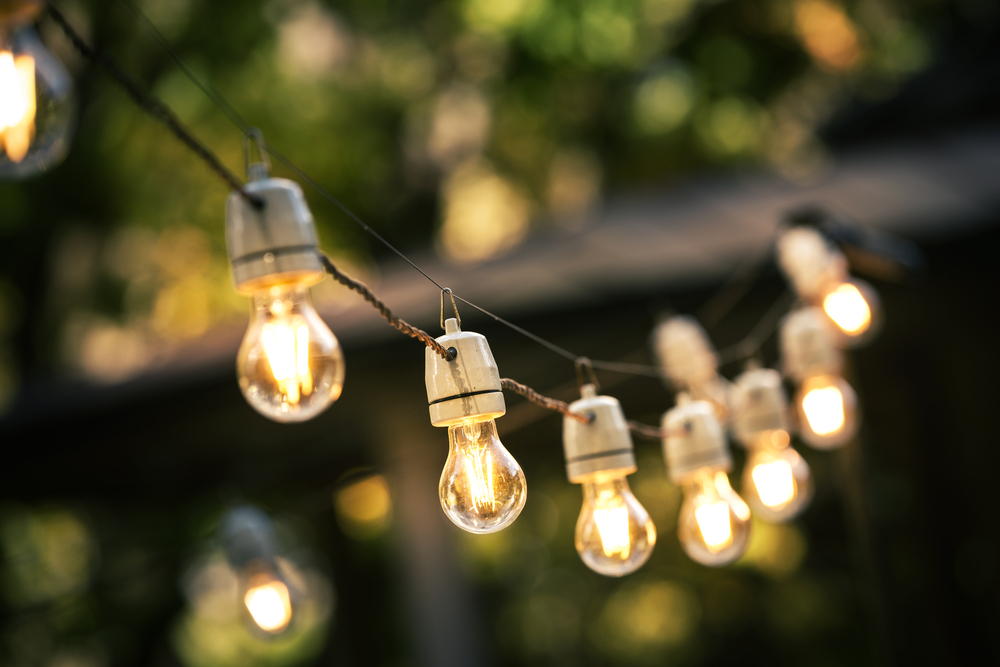
Clear paths should connect the entrance, seating areas, food tables, restrooms, trash bins, and parking areas. If the party continues after sunset, lighting matters. Solar lights, string lights, and motion lights can help, but cords must be placed away from foot traffic. Outdoor rugs may look cute, but if they curl at the corners, they become tiny lawsuits in bohemian clothing.
Decks, Patios, and Seating Areas
Decks deserve special attention. A deck that comfortably holds six family members on a normal Saturday may not be ready for thirty people taking group photos at once. Homeowners should inspect railings, stairs, and surface boards before hosting. If anything feels unstable, repair it or block access. Chairs and tables should sit on level ground, and heavy traffic should be spread across multiple areas instead of packed into one corner.
Grilling, Fire Pits, and Outdoor Cooking Safety
No backyard celebration feels complete until someone is standing near a grill holding tongs with the confidence of a ship captain. But grills and fire pits create real risk. They should be placed well away from siding, deck railings, overhanging branches, tents, decorations, and anything else that can burn. A clean grill is safer than one wearing last summer’s barbecue sauce like a historic artifact.
Gas grills should be checked for leaks, and charcoal should be fully cooled before disposal. Fire pits should be supervised at all times, especially when children or pets are present. Homeowners should keep a fire extinguisher nearby and know how to use it. A garden hose is helpful, but it should not be the only emergency plan.
Food Safety: Keep the Celebration Memorable for the Right Reasons
Graduation parties and buffets are best friends, but food safety needs structure. Perishable foods should not sit out for hours while guests wander between speeches, games, and photos. Hot foods should stay hot, cold foods should stay cold, and anything sitting at room temperature too long should be replaced. That potato salad may be beloved, but it should not be treated like a permanent centerpiece.
Homeowners can make food service safer by using chafing dishes, slow cookers, insulated carriers, coolers, and ice trays. Smaller serving platters are better than giant trays because they can be refreshed more often. Separate utensils should be used for each dish, and raw meat should never share plates or tools with cooked food.
Cooking Temperatures Matter
A food thermometer is the quiet MVP of outdoor cooking. Poultry should reach a safe internal temperature of 165°F, ground meats should reach 160°F, and whole cuts of beef, pork, veal, and lamb should reach 145°F with a rest period. Guessing based on color is not reliable. A burger can look done and still be undercooked, which is rude behavior from a burger.
Pool Safety: Assign a Water Watcher
If the home has a pool, the host needs a water safety plan. A backyard pool can turn a graduation party into a resort-style celebration, but it also adds one of the most serious risks on the property. Children should never be left unattended near water, even for a moment. Adults should not assume “someone is watching.” That phrase has no lifeguard certification.
The best approach is to designate a responsible adult as the official water watcher. Their only job is to supervise the pool, not refill chips, answer texts, or debate whether the graduate should major in engineering. Pool gates should be self-closing and self-latching, rescue equipment should be visible, and non-swimmers should wear properly fitted life jackets when appropriate.
Weather Planning: Hope for Sunshine, Prepare for Drama
Graduation season often overlaps with heat, thunderstorms, wind, and unpredictable spring-to-summer weather. Homeowners should monitor the forecast before and during the event. A tent may protect guests from light rain or sun, but it is not a safe shelter during lightning, high winds, or severe storms.
Every backyard party should have a “where do we go?” plan. If thunder is heard, guests should move indoors or into a fully enclosed building. The party can pause; the sky does not negotiate. Hosts should also provide shade, fans, water stations, and seating for older guests or anyone sensitive to heat. Alcohol, caffeine, and sugary drinks are not substitutes for water, no matter how persuasive the beverage cooler looks.
Electrical Safety for Lights, Speakers, and Photo Booths
Modern backyard parties run on electricity. String lights, speakers, phone chargers, fans, projectors, and rented photo booths all need power. Homeowners should use extension cords rated for outdoor use and plug them into GFCI-protected outlets. Cords should not run through standing water, across walkways, under rugs, or through doorways where they can be pinched.
If a portable generator is used, it must stay outdoors and far away from windows, doors, vents, garages, and enclosed spaces. Generators produce carbon monoxide, a gas that cannot be seen or smelled. Using one indoors or too close to the house can be deadly. The generator should also be protected from rain according to manufacturer instructions without blocking ventilation.
Vendors, Rentals, and the “Who Is Responsible?” Question
Graduation parties often include rented tents, bounce houses, tables, chairs, restroom trailers, catering, DJs, photographers, and food trucks. Homeowners should ask vendors for certificates of insurance and written agreements. This is not being fussy; it is being practical.
If a rented bounce house is installed incorrectly or a catering employee is injured on the property, the details matter. Homeowners should understand what the vendor covers, what the homeowner may be responsible for, and whether their own insurance policy has restrictions involving business activities or rented equipment. A handshake is friendly, but paperwork remembers better.
Neighbors, Noise, Parking, and Local Rules
A backyard party does not happen in a bubble. It happens next to real neighbors, some of whom may have sleeping babies, early shifts, nervous dogs, or a strong emotional relationship with quiet. Homeowners should check local noise ordinances, parking restrictions, and permit requirements before the event. Some cities have rules for amplified music, large gatherings, street parking, tents, and temporary structures.
A friendly heads-up to neighbors can go a long way. Let them know the date, approximate time, and expected traffic. Provide a phone number in case there is an issue. This simple step can prevent complaints and preserve neighborhood peace. Also, it is much easier to be patient with music when you know it ends at 9 p.m. and there might be leftover cupcakes.
Pets and Backyard Parties: Cute, Chaotic, or Both
Pets are family, but large parties can overwhelm them. Even friendly dogs may react unpredictably to crowds, loud music, children running, dropped food, or open gates. Homeowners should consider creating a quiet indoor space for pets during the party. This protects guests, protects the pet, and prevents the classic backyard disaster of a dog escaping while Uncle Dave is carrying a cooler through the gate.
Hosts should also watch for foods that are dangerous to pets, such as chocolate, grapes, onions, alcohol, and certain sugar-free items. Trash cans should have secure lids, and guests should be reminded not to feed pets from the buffet. A dog does not need six hot dogs just because it wore a bandana.
Create a Simple Backyard Party Safety Checklist
The best graduation party plan does not need to be complicated. It needs to be clear. A homeowner can build a checklist one week before the event and review it again the morning of the party.
- Review homeowners insurance, liability limits, alcohol rules, and umbrella coverage options.
- Inspect the yard, deck, stairs, railings, lighting, and walkways.
- Confirm vendor insurance and written rental agreements.
- Set up safe food stations with temperature control and clean utensils.
- Keep grills, fire pits, and generators away from structures and guests.
- Assign a water watcher if a pool or spa is accessible.
- Plan for heat, storms, lightning, and indoor shelter.
- Use outdoor-rated cords and GFCI-protected outlets.
- Check local rules for noise, parking, tents, and permits.
- Secure pets, trash, alcohol, and restricted areas.
Experience-Based Tips for Hosting a Better Graduation Backyard Party
After helping plan or observe many backyard-style celebrations, one lesson stands out: the best parties feel relaxed because someone planned the boring details ahead of time. Guests do not notice a well-placed trash can, a clear walkway, or a stocked cooler of water. They absolutely notice when none of those things exist.
A good host thinks in zones. Create a food zone, a seating zone, a photo zone, a game zone, and a quiet zone. This prevents the entire party from crowding around the back door like confused airport passengers. The food zone should have shade and enough space for people to move in one direction. Nobody enjoys a buffet line that turns into a polite traffic jam around the baked beans.
The photo zone is especially useful for graduation parties. Set up a simple backdrop with the graduate’s school colors, a few props, and good lighting. This keeps guests from blocking walkways while trying to capture the perfect photo near the grill, the pool, or the one flowering bush that everyone suddenly treats like a professional studio.
Another smart move is to assign small jobs to trusted relatives or friends. One person can watch the front door or gate, another can refresh drinks, another can monitor food timing, and someone else can keep an eye on trash. The host should not be the only person solving every problem. If the graduate’s proud parent spends the whole party sprinting between the kitchen and the yard, the event becomes less celebration and more cardio.
Seating also deserves more attention than people think. Mix chairs, benches, and standing tables so guests of different ages feel comfortable. Older relatives may need shaded seating close to the food and restroom. Teenagers may prefer a separate area where they can talk without feeling like every adult is listening. This layout respects everyone and keeps the party flowing naturally.
For food, simple usually wins. Graduation parties are not the time to debut a complicated recipe that requires tweezers and emotional support. Choose crowd-friendly dishes that hold well, label common allergens, and keep backup food chilled until needed. If the party lasts several hours, refresh in waves instead of putting everything out at once. This keeps food safer and more appealing.
Parking can make or break the guest experience before anyone reaches the backyard. Let guests know where to park in advance. If street parking is limited, suggest carpooling or designate a drop-off spot. Avoid blocking driveways, hydrants, mailboxes, or sidewalks. A party that begins with a parking feud has already lost points.
Finally, keep the emotional purpose of the event front and center. A graduation party celebrates effort, growth, family support, and the slightly terrifying excitement of what comes next. Safety planning should not make the event feel stiff. It should make everyone more comfortable. When homeowners prepare well, guests can laugh, eat, take photos, tell embarrassing childhood stories, and send the graduate into the next chapter with joy instead of incident reports.
Conclusion: Celebrate Big, Plan Smart
Graduation season is one of the happiest times to open the backyard and welcome family, friends, neighbors, and classmates. But a successful backyard graduation party is more than decorations, music, and a cake large enough to require architectural review. It is also about protecting guests, property, and the homeowner’s financial well-being.
By reviewing insurance coverage, understanding social host liability, preparing the yard, managing food safely, watching pools, planning for weather, checking local rules, and working with insured vendors, homeowners can host with confidence. The goal is not to fear every possible problem. The goal is to prepare so well that the party feels easy. A little planning turns “What could go wrong?” into “We already thought of that.”