Shrimp is the tiny seafood superstar that somehow manages to look fancy on a dinner plate, cook in minutes, and still fit into a healthy eating pattern without acting like a diva. Whether it is tossed into tacos, folded into pasta, grilled on skewers, or chilled beside cocktail sauce at a party, shrimp brings a lot more to the table than a pretty pink curl.
From a nutrition standpoint, shrimp is low in calories, high in protein, very low in saturated fat, and naturally rich in important nutrients such as selenium, vitamin B12, iodine, phosphorus, zinc, and choline. It is also one of the seafood choices commonly listed as lower in mercury, making it a practical option for many adults, children, and pregnant or breastfeeding people when fully cooked and eaten in reasonable portions.
Still, shrimp has a few nutrition plot twists. It is high in dietary cholesterol, can be high in sodium depending on processing, and is one of the most common shellfish allergens. So, is shrimp healthy? The simple answer is yes for many people, especially when steamed, grilled, baked, or sautéed with olive oil, herbs, citrus, and vegetables. The longer answer is more interesting, so grab a fork.
Quick Shrimp Nutrition Facts
A 100-gram serving of cooked shrimp, which is about 3.5 ounces, provides roughly 99 calories, about 24 grams of protein, less than 1 gram of fat, almost no carbohydrates, and about 189 milligrams of cholesterol. Nutrition can vary depending on shrimp size, species, farming method, preservatives, and whether it is boiled, grilled, fried, breaded, or swimming in butter like it just won a vacation package.
Approximate Nutrition Per 100 Grams of Cooked Shrimp
- Calories: About 99
- Protein: About 24 grams
- Total fat: Less than 1 gram
- Carbohydrates: Almost zero
- Saturated fat: Very low
- Cholesterol: About 189 milligrams
- Sodium: Often around 111 milligrams before added salt or sauces
- Key nutrients: Selenium, vitamin B12, iodine, phosphorus, zinc, copper, and choline
For a typical 3-ounce cooked serving, shrimp usually lands around 80 to 90 calories and delivers close to 20 grams of protein. That makes it a strong choice for people who want a lean protein source without a large calorie load.
How Many Calories Are in Shrimp?
Shrimp is naturally low in calories. Plain cooked shrimp is one of those rare foods that feels restaurant-worthy but still behaves politely on a nutrition label. The calorie count stays low because shrimp is mostly water and protein, with very little fat and almost no carbohydrate.
The cooking method matters, though. Steamed shrimp and fried shrimp do not belong in the same calorie conversation. One is wearing running shoes; the other is wearing a crispy golden coat and asking for ranch. Boiled, steamed, grilled, or baked shrimp keeps calories modest. Breaded and deep-fried shrimp can more than double the calorie count because of flour, oil absorption, and dipping sauces.
Low-Calorie Shrimp Meal Ideas
For a lighter meal, try shrimp with roasted vegetables, brown rice, quinoa, salad greens, cauliflower rice, or whole-grain pasta. A shrimp bowl with avocado, cabbage, salsa, lime, and a small scoop of rice can be filling without feeling heavy. A shrimp stir-fry with broccoli, bell peppers, garlic, ginger, and a low-sodium sauce is another smart option.
To keep shrimp meals health-friendly, pay attention to what tags along. Butter, creamy sauces, refined pasta, heavy breading, and salty bottled marinades can turn a lean protein into a calorie-and-sodium parade. Shrimp itself is not usually the troublemaker; the entourage often is.
Shrimp Is a High-Protein Food
One of shrimp’s biggest nutritional strengths is protein. Protein supports muscle maintenance, tissue repair, immune function, hormone production, and satiety. In plain English, it helps your body rebuild, stay strong, and avoid screaming for snacks 20 minutes after dinner.
Shrimp provides complete protein, meaning it contains all nine essential amino acids the body must get from food. This makes it useful for active adults, older adults trying to preserve muscle, people managing weight, and anyone looking for a lighter alternative to high-fat meats.
Is Shrimp Good for Weight Management?
Shrimp can fit well into a weight-management plan because it offers a lot of protein for relatively few calories. Protein-rich meals may help people feel full longer, which can make it easier to control portions later in the day. A shrimp salad with beans and vegetables, for example, is more satisfying than a bowl of plain lettuce that leaves you emotionally betrayed by lunch.
The key is balance. Shrimp should be paired with fiber-rich foods such as vegetables, legumes, fruit, or whole grains. Shrimp has no fiber on its own, so adding plant foods improves fullness, digestion, and overall nutrient quality.
Vitamins and Minerals in Shrimp
Shrimp is small, but nutritionally speaking, it has pockets. It carries several micronutrients that are important for metabolism, energy, thyroid function, red blood cell formation, and antioxidant defense.
Selenium
Shrimp is a strong source of selenium, a trace mineral used to make selenoproteins. These proteins help support antioxidant activity, thyroid hormone metabolism, DNA synthesis, and immune function. Selenium is needed only in small amounts, but those small amounts matter.
Vitamin B12
Vitamin B12 supports nerve health, red blood cell formation, and DNA production. Since B12 is naturally found mainly in animal foods, seafood like shrimp can help contribute to intake for people who eat fish and shellfish.
Iodine
Iodine is essential for making thyroid hormones, which help regulate metabolism and many biochemical processes in the body. Seafood, including shrimp, is one of the natural dietary sources of iodine.
Choline
Choline supports cell membranes, nervous system signaling, fat metabolism, and early brain development. It is especially discussed in nutrition guidance for pregnancy, although everyone needs it in some amount.
Zinc, Phosphorus, and Copper
Shrimp also contributes minerals such as zinc, phosphorus, and copper. Zinc plays a role in immune function and wound healing. Phosphorus supports bones, teeth, and energy metabolism. Copper helps with iron metabolism and connective tissue formation.
Health Benefits of Shrimp
Shrimp is not a magic food. No single food can cancel out a poor diet, replace sleep, or make your gym membership feel less guilty. But shrimp can be a valuable part of a balanced eating pattern, especially when it replaces more heavily processed or higher-saturated-fat proteins.
1. Supports Muscle Maintenance
Because shrimp is rich in complete protein, it helps provide amino acids needed for muscle repair and maintenance. This is useful for athletes, people doing strength training, adults recovering from illness, and older adults who want to reduce age-related muscle loss.
2. May Support Heart-Healthy Eating Patterns
Seafood intake is commonly associated with heart-healthy eating patterns. Shrimp is not as rich in omega-3 fatty acids as salmon, sardines, trout, or mackerel, but it still provides lean protein and small amounts of beneficial fats. More importantly, it is very low in saturated fat, which is one reason it can be a better choice than fatty cuts of red meat or processed meats.
Heart health also depends on the overall meal. Grilled shrimp with vegetables, beans, herbs, and olive oil is a very different choice from fried shrimp with fries and creamy sauce. Same shrimp, different life decisions.
3. Provides Antioxidant-Related Nutrients
Shrimp contains astaxanthin, a naturally occurring pigment that helps give shrimp its pink-red color after cooking. Astaxanthin is studied for antioxidant activity, though it should not be treated like a cure-all. In food form, it is best understood as one useful compound within an overall nutrient-rich diet.
4. Fits Low-Carb and Diabetes-Friendly Meal Plans
Plain shrimp contains almost no carbohydrates, so it can fit into low-carb eating patterns and diabetes-friendly meals. The catch is preparation. Coconut shrimp, sweet chili shrimp, honey-glazed shrimp, and breaded shrimp can add refined carbohydrates and sugar quickly. For steadier blood sugar, pair shrimp with nonstarchy vegetables, legumes, moderate portions of whole grains, and sauces with limited added sugar.
5. Helps Increase Seafood Variety
Many people do not eat seafood often enough. Shrimp is convenient, widely available, quick to cook, and mild in flavor, which makes it a useful gateway seafood. It can be added to soups, salads, tacos, omelets, grain bowls, kebabs, and pasta dishes without requiring advanced culinary wizardry.
What About Shrimp and Cholesterol?
Shrimp is high in dietary cholesterol. That fact is true, and it has followed shrimp around like an awkward yearbook photo. However, current nutrition thinking is more nuanced than the old “high cholesterol food equals bad for blood cholesterol” idea.
For most people, saturated fat and trans fat have a stronger effect on blood cholesterol levels than dietary cholesterol alone. Shrimp is very low in saturated fat, which helps explain why it can still fit into many heart-conscious diets. That said, people with familial hypercholesterolemia, certain lipid disorders, or specific medical instructions to limit dietary cholesterol should follow their clinician’s advice.
The best approach is moderation. A 3- to 4-ounce serving of shrimp can be reasonable for many adults. If shrimp is part of a meal built around vegetables, whole grains, beans, herbs, and healthy fats, it looks much better nutritionally than shrimp buried under fried batter and a sauce that could moonlight as dessert.
Is Shrimp Safe During Pregnancy?
Fully cooked shrimp is generally considered one of the lower-mercury seafood choices. For people who are pregnant or breastfeeding, U.S. guidance commonly recommends eating 8 to 12 ounces per week of a variety of lower-mercury seafood. Shrimp can be one of those choices.
The important phrase is fully cooked. Raw or undercooked shrimp should be avoided during pregnancy because of the risk of foodborne illness. Sushi, ceviche, and chilled seafood preparations may look elegant, but pregnancy is not the time for seafood roulette.
Food Safety: How to Cook and Store Shrimp
Shrimp cooks quickly, which is both a blessing and a trap. Undercook it, and food safety becomes a concern. Overcook it, and it turns rubbery enough to bounce off the plate. Most seafood should be cooked to an internal temperature of 145 degrees Fahrenheit. Shrimp is done when the flesh becomes pearly, opaque, and firm.
Smart Shrimp Safety Tips
- Buy shrimp from reputable sellers and keep it cold.
- Choose shrimp that smells clean and mild, not sour, ammonia-like, or overly fishy.
- Thaw frozen shrimp in the refrigerator, not on the counter.
- Avoid cross-contamination with raw shrimp juices.
- Cook shrimp until opaque and firm.
- Refrigerate leftovers promptly.
Frozen shrimp can be an excellent choice. In fact, much “fresh” shrimp at the seafood counter was previously frozen. The advantage of frozen shrimp is convenience and quality control, especially if it was frozen soon after harvest.
Shrimp Allergy: Who Should Avoid It?
Shrimp is a crustacean shellfish, and shellfish allergy is one of the most common food allergies. Symptoms can range from hives, stomach cramps, vomiting, and nasal symptoms to wheezing, throat tightness, dizziness, and severe anaphylaxis. Anyone with a known shellfish allergy should avoid shrimp unless a qualified allergist provides different guidance.
Cross-contact is also important. Restaurants may cook shrimp, fish, and other foods on the same surfaces or in the same fryers. If you have a shellfish allergy, ask questions and be cautious. A shrimp taco is not worth a medical emergency.
Farmed vs. Wild Shrimp
Both farmed and wild shrimp can be nutritious, but sourcing matters. Shrimp production can vary widely in environmental practices, antibiotic use, labor standards, and habitat impact. Sustainable seafood guides often recommend looking for responsible certifications or choosing shrimp from better-rated fisheries and farms.
When shopping, check labels for country of origin, certification, and whether the shrimp is raw, cooked, peeled, deveined, wild-caught, or farm-raised. If sustainability is important to you, use seafood rating guides or ask your fishmonger for details. Yes, “ask your fishmonger” sounds old-fashioned, but it is still better than shrugging at a freezer bag like it might reveal its life story.
Healthy Ways to Eat Shrimp
Shrimp is extremely flexible in the kitchen. Because it cooks quickly and has a mild flavor, it works with bright, bold ingredients such as lemon, lime, garlic, chili, cilantro, parsley, ginger, smoked paprika, and black pepper.
Better Cooking Methods
- Steam: Great for shrimp cocktail, salads, and meal prep.
- Grill: Adds smoky flavor without heavy breading.
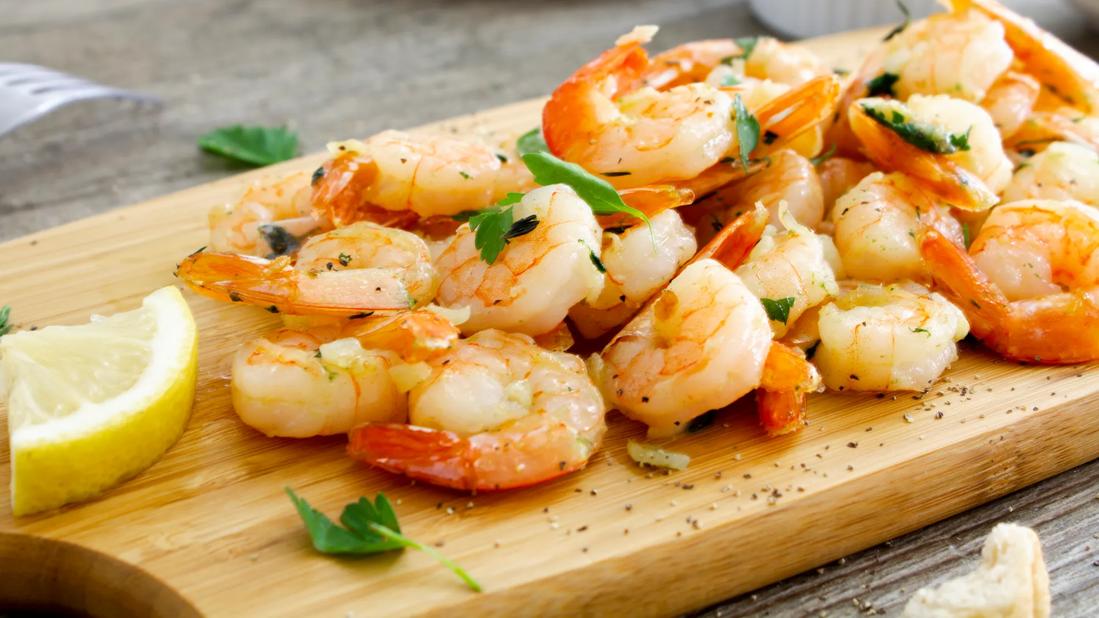
- Sauté: Use olive oil, garlic, herbs, and vegetables.
- Bake: Easy for sheet-pan meals with vegetables.
- Poach: Keeps shrimp tender and delicate.
Healthy Pairings
Pair shrimp with colorful vegetables, beans, lentils, brown rice, quinoa, corn tortillas, avocado, tomato salsa, Greek yogurt-based sauces, or leafy greens. These additions bring fiber, potassium, antioxidants, and more volume to the meal.
What to Limit
Limit deep-fried shrimp, heavy cream sauces, high-sodium seasoning blends, sugary glazes, and oversized portions of refined grains. There is nothing wrong with enjoying fried shrimp occasionally, but it should not be the only way shrimp enters your life. Shrimp deserves range. Let it audition for salad once in a while.
Who Benefits Most from Eating Shrimp?
Shrimp may be especially useful for people who want lean protein, quick meals, low-carb options, or more seafood variety. It can work well for busy families, athletes, older adults, pescatarians, and people who want to reduce intake of processed meats.
However, shrimp is not ideal for everyone. People with shellfish allergy should avoid it. People watching sodium should check labels, especially on frozen shrimp treated with sodium-based preservatives. People with specific cholesterol restrictions should ask a healthcare professional how often shrimp fits into their plan.
How Much Shrimp Should You Eat?
A practical serving size is about 3 to 4 ounces cooked. That is roughly the amount that fits into many balanced meals without pushing protein portions too high. For general seafood intake, many health organizations encourage about two seafood servings per week, with an emphasis on variety and lower-mercury choices.
Variety matters. Rotate shrimp with salmon, sardines, trout, cod, clams, mussels, tuna choices lower in mercury, beans, lentils, eggs, poultry, tofu, and other protein foods. A healthy diet should not rely on one food, even one as charming as shrimp.
Real-Life Experiences: How Shrimp Fits Into Everyday Healthy Eating
One of the best things about shrimp is that it solves a very real problem: dinner panic. You know the moment. It is 6:17 p.m., everyone is hungry, the fridge looks like a museum of condiments, and takeout is whispering your name. Frozen shrimp can rescue the evening because it thaws quickly, cooks in minutes, and works with whatever vegetables are still behaving in the crisper drawer.
For example, a simple weeknight shrimp bowl can start with frozen shrimp thawed under cold running water, patted dry, and sautéed with garlic, olive oil, paprika, and lemon. Add microwave brown rice, chopped romaine, cucumbers, tomatoes, and a spoonful of plain Greek yogurt mixed with lime juice. In about 20 minutes, you have a meal that tastes fresh, provides protein, and does not require a culinary degree or emotional support spatula.
Shrimp also works well for people trying to eat lighter without feeling punished. A common mistake with healthy eating is removing flavor along with calories. Shrimp does not need that tragedy. It loves bold seasonings. Chili-lime shrimp tacos with cabbage slaw, grilled shrimp skewers with herbs, shrimp lettuce cups with ginger, or shrimp tossed into vegetable soup can feel lively and satisfying while still being nutrient-conscious.
Another practical experience is portion control. Shrimp looks generous on a plate because each piece is separate, so a modest serving can feel abundant. Compare that with a small piece of chicken breast sitting alone like it missed the bus. Shrimp spreads through a dish beautifully, especially in stir-fries, salads, and pasta with vegetables. This makes it easier to enjoy a protein-rich meal while keeping calories balanced.
For families, shrimp can be a useful “starter seafood” because it has a mild flavor and fun shape. Children who are hesitant about fish may be more willing to try shrimp, especially when served with familiar foods like tacos, rice bowls, pasta, or skewers. Of course, parents should be mindful of allergies and introduce shellfish according to pediatric guidance, especially if there is a family history of food allergy.
Shrimp is also friendly to meal prep, but with one warning: do not overcook it. Overcooked shrimp becomes tough and rubbery, and nobody wants seafood that fights back. Cook it just until opaque and firm, then remove it from heat. If using shrimp for leftovers, add it near the end when reheating soups, stir-fries, or pasta so it warms without turning into tiny pink erasers.
Dining out with shrimp can be healthy or not-so-healthy depending on the menu. Shrimp cocktail, grilled shrimp, shrimp fajitas, and shrimp salads can be smart choices. Fried shrimp platters, creamy shrimp Alfredo, and tempura shrimp are more indulgent. They can still be enjoyed occasionally, but they are not the best examples of shrimp’s lean-protein potential.
The biggest lesson from real-life shrimp eating is simple: shrimp is only as healthy as the meal you build around it. Pair it with vegetables, whole grains, beans, herbs, and healthy fats, and it becomes a high-protein, nutrient-rich food that fits beautifully into everyday life. Drown it in butter, salt, and fried breading every time, and shrimp politely hands back its health halo at the door.
Conclusion
Shrimp is a low-calorie, high-protein seafood that offers impressive nutrition in a small package. It provides selenium, vitamin B12, iodine, choline, zinc, phosphorus, and other nutrients while staying very low in saturated fat and carbohydrates. For many people, shrimp can support muscle maintenance, heart-conscious eating, weight management, and better seafood variety.
The healthiest way to enjoy shrimp is to keep preparation simple: steam, grill, bake, sauté, or poach it, then pair it with vegetables, whole grains, legumes, herbs, and citrus. Watch added sodium, creamy sauces, heavy breading, and portion size. If you are pregnant, choose fully cooked shrimp and follow seafood guidance for lower-mercury options. If you have a shellfish allergy or a medical condition requiring strict cholesterol management, get personalized advice from a healthcare professional.
In short, shrimp can absolutely be part of a healthy diet. It is quick, versatile, flavorful, and nutrient-dense. Not bad for something that fits on a toothpick.