A great TV show intro is a tiny magic trick. In less than a minute, it can tell you where you are, who matters, what kind of emotional weather is coming, and whether you should prepare for laughs, dragons, murder, office awkwardness, or a theme song that will live rent-free in your brain forever. Some intros work because of music. Some work because of design. Some work because they make the couch feel like a sacred viewing temple and the “Skip Intro” button look like a moral failure.
The best TV show intros are not just decoration. They are invitations. They build mood, establish character, hint at themes, and give viewers a ritual they want to repeat. From classic sitcom sing-alongs to cinematic HBO title sequences, from animated chaos to eerie psychological puzzles, these opening credits prove that the first impression can be just as memorable as the finale.
Below are 40 of the best TV show intros to hook you in, chosen for cultural impact, music, visual storytelling, rewatch value, and that powerful little feeling of, “Nope, we are not skipping this.”
Why TV Show Intros Still Matter
In the streaming era, many shows open with a quick title card, partly because platforms want viewers inside the episode as fast as possible. But the shows that keep full opening sequences often gain something valuable: identity. A strong intro turns a series into a place. It helps the audience shift from real life into story mode. That matters whether the show is a prestige drama, a comfort sitcom, a thriller, or an animated comedy about a horse with emotional issues.
The best TV opening credits usually do at least one of three things. They deliver a theme song you can recognize in two seconds. They create a visual world that explains the show’s tone. Or they change over time, rewarding loyal viewers with clues, jokes, and evolving details. When an intro does all three, congratulations: the remote is staying untouched.
40 Of The Best TV Show Intros Ever
1. The Simpsons
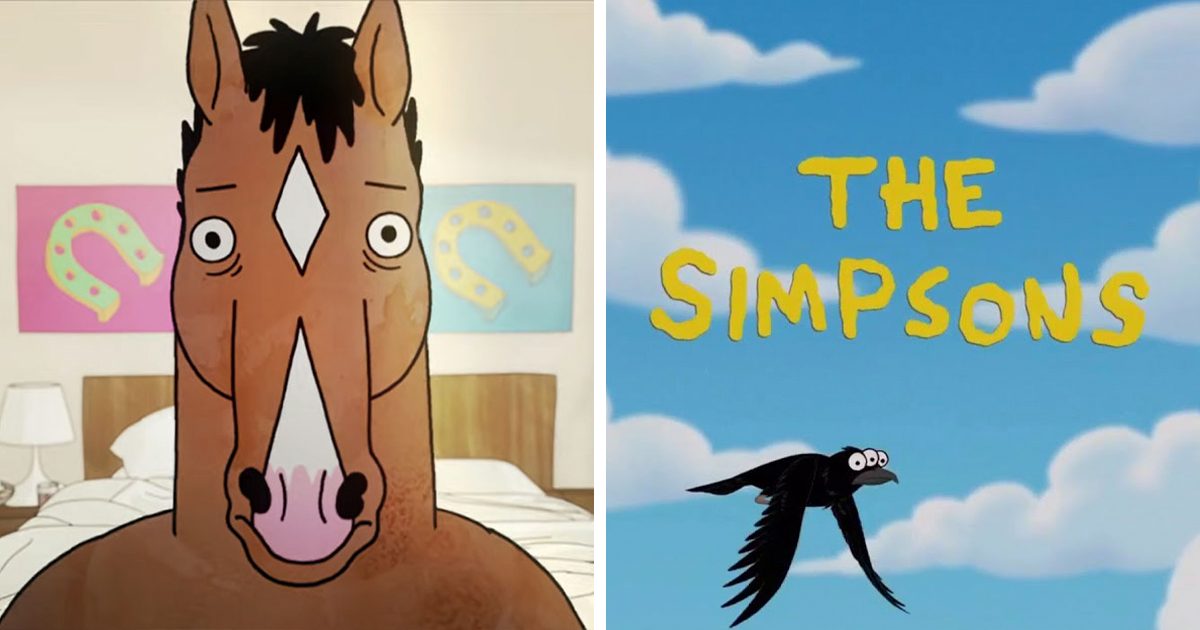
The opening of The Simpsons is practically a weekly playground. The chalkboard gag, Lisa’s saxophone solo, the Springfield fly-through, and the couch gag make the intro feel alive. It hooks viewers because it promises familiarity and surprise at the same time.
2. Game of Thrones
The Game of Thrones intro is world-building in motion. Its mechanical map of Westeros and Essos helps viewers understand the geography while Ramin Djawadi’s thunderous theme announces that something enormous, political, and probably fatal is about to happen.
3. The Sopranos
Tony Soprano driving from New York into New Jersey is simple, but it says everything. The Alabama 3 track “Woke Up This Morning” gives the sequence swagger, while the route itself places the mob story in a world of highways, suburbs, smoke, and quiet menace.
4. Mad Men
The falling businessman in Mad Men is one of television’s most elegant visual metaphors. The Saul Bass-inspired design, advertising imagery, and RJD2’s “A Beautiful Mine” capture ambition, anxiety, seduction, and collapse before Don Draper even orders a drink.
5. True Detective
Season one of True Detective uses double-exposure imagery, haunted landscapes, and The Handsome Family’s “Far From Any Road” to create a swampy, spiritual dread. It does not simply introduce a mystery; it makes the mystery feel ancient.
6. Succession
Nicholas Britell’s piano-heavy theme is instantly recognizable, mixing classical grandeur with hip-hop tension. The opening credits show wealth as memory, surveillance, inheritance, and emotional frostbite. It is funny, sad, and expensive-looking in all the right ways.
7. Stranger Things
The Stranger Things intro is minimalist genius. Red letters slowly assemble while synth music hums like a cursed arcade machine. It channels 1980s horror and sci-fi without overexplaining anything. Sometimes all you need is typography with goosebumps.
8. The X-Files
Few intros have ever done more with less. Grainy images, paranormal flashes, floating figures, and Mark Snow’s whistle-like theme create instant unease. The truth may be out there, but the intro makes sure the creepy vibes are right here.
9. Twin Peaks
The Twin Peaks opening credits drift through sawmills, waterfalls, birds, and misty small-town scenery. Angelo Badalamenti’s theme is both beautiful and unsettling, which is exactly the show’s secret recipe: pie on the table, nightmare in the woods.
10. Cheers
The Cheers theme song is a masterclass in emotional branding. “Where Everybody Knows Your Name” turns a Boston bar into a universal fantasy: a place where your troubles shrink, your stool is waiting, and somebody remembers your drink.
11. Friends
The fountain. The claps. The Rembrandts. Enough said? Almost. The Friends intro works because it sells friendship as pure kinetic joy. It is not subtle, but neither is ordering six coffees and turning your twenties into a group project.
12. The Fresh Prince of Bel-Air
This intro is basically a complete origin story in rap form. Will Smith explains the premise, the personality, and the culture clash before the episode begins. It is catchy, efficient, funny, and still quoted by people who were not alive when it premiered.
13. The Golden Girls
“Thank You for Being a Friend” is comfort television in song form. The intro’s warmth, smiles, and gentle rhythm tell viewers exactly what they are getting: sharp jokes, chosen family, cheesecake, and four women with world-class timing.
14. The Mary Tyler Moore Show
Mary throwing her hat in the air remains one of TV’s defining images of independence and optimism. The intro captures a woman building a life on her own terms, and the theme song makes ambition sound sunny rather than scary.
15. All in the Family
Archie and Edith singing at the piano is funny, rough-edged, and revealing. The intro places viewers directly inside a household where nostalgia, generational conflict, and social change collide. It is intimate, imperfect, and unforgettable.
16. The Twilight Zone
The Twilight Zone intro is pure invitation into the uncanny. Rod Serling’s narration, surreal imagery, and eerie music open a doorway between ordinary life and philosophical nightmare. Few intros have better understood the power of anticipation.
17. Batman
The 1960s Batman intro is comic-book electricity. The theme song is ridiculously catchy, the animated punches are bold, and the whole thing knows exactly what it is: colorful, campy, heroic, and proud to shout “Batman!” repeatedly.
18. Mission: Impossible
That fuse. That rhythm. That snap of danger. The Mission: Impossible intro turns espionage into a percussion instrument. It is one of the best examples of a theme song creating suspense before a single mission begins.
19. Hawaii Five-0
The original Hawaii Five-0 intro is a blast of surf-rock energy and location glamour. Morton Stevens’ brassy theme gives the show momentum, while the visuals sell action, heat, waves, and police drama with old-school confidence.
20. M*A*S*H
The M*A*S*H intro pairs helicopters and war-zone imagery with “Suicide Is Painless,” a melody that is strangely gentle and deeply melancholy. It prepares viewers for a series where comedy and pain live in the same tent.
21. The Office
The U.S. version of The Office uses quick shots of Scranton, office supplies, and ordinary workspaces to make boredom look weirdly lovable. The theme is upbeat, slightly awkward, and perfect for a comedy about paper, ego, and meetings that should have been emails.
22. Parks and Recreation
The Parks and Recreation intro is bright, municipal, and cheerful without becoming sugary. Its music feels like civic optimism jogging through a small-town park. It hooks viewers by making government paperwork seem almost heroic. Almost.
23. Community
The paper fortune-teller animation in Community is clever, fast, and perfectly suited to a show about identity, reinvention, and pop-culture playfulness. The intro feels handmade, like a study group project that accidentally became brilliant.
24. BoJack Horseman
BoJack Horseman follows its title character through fame, emptiness, parties, pools, and emotional freefall. The intro evolves as the series changes, turning a stylish animated sequence into a recurring map of self-destruction and denial.
25. The White Lotus
Each season of The White Lotus turns luxury into warning signs. The music by Cristóbal Tapia de Veer is strange, playful, and unsettling, while the art-inspired visuals suggest sex, wealth, decay, and disaster hiding beneath expensive wallpaper.
26. Severance
The Severance intro uses surreal animation to explore fractured identity, corporate dread, and the terrifying possibility that your work self may need a therapist, a map, and maybe a snack. It is beautiful, disturbing, and impossible to ignore.
27. American Horror Story
American Horror Story made opening credits scary again. The sequences often change by season, but the brand remains consistent: creepy objects, disturbing edits, unsettling sound design, and imagery that makes you regret watching alone at midnight.
28. Dexter
The Dexter intro turns a morning routine into a murder montage. Shaving, slicing fruit, tying shoes, and making breakfast become sinister through close-ups and editing. It is witty, grotesque, and perfectly matched to the show’s double life.
29. Six Feet Under
The Six Feet Under intro is elegant, clinical, and spiritual. Images of hands separating, flowers wilting, and bodies prepared for burial establish a show about death that is really about family, memory, and the fragile business of being alive.
30. Westworld
The Westworld intro is a sleek machine dream. Robotic bodies, player pianos, artificial muscles, and stark imagery create a meditation on creation and control. It hooks viewers with the question at the center of the show: who is programming whom?
31. The Crown
The The Crown opening titles are slow, polished, and symbolic. Molten material becomes the royal crown, suggesting history, pressure, duty, and beauty formed under heat. It is less an intro than a coronation ceremony for prestige drama.
32. Peacemaker
The Peacemaker intro is gloriously ridiculous. The cast performs a deadpan dance routine to Wig Wam’s “Do Ya Wanna Taste It,” and the result is so committed that skipping it feels illegal. It is superhero satire with jazz hands.
33. Doctor Who
The Doctor Who intro has survived decades by constantly renewing the same basic promise: time, space, danger, and wonder. The swirling visuals and iconic theme make every episode feel like a launch into the unknown.
34. Buffy the Vampire Slayer
The Buffy intro mixes gothic imagery with pop-punk energy, which is exactly the show’s personality. It says: yes, there are vampires, but there are also jokes, heartbreak, homework, and a teenager who can kick a demon through furniture.
35. The Wire
The Wire uses different versions of “Way Down in the Hole” across its seasons, matching the show’s changing focus while keeping its moral architecture intact. The intro feels observational, grim, and deeply connected to Baltimore’s institutions.
36. Orange Is the New Black
Regina Spektor’s “You’ve Got Time” gives Orange Is the New Black urgency and empathy. The close-up faces in the credits remind viewers that the series is about people, not just prison as a setting or headline.
37. Unbreakable Kimmy Schmidt
This intro turns a fake viral news interview into a theme song, and somehow it works perfectly. It is bright, absurd, and instantly memorable, matching a show about trauma, resilience, and jokes delivered at dangerous speed.
38. Cowboy Bebop
Cowboy Bebop opens with “Tank!” by Yoko Kanno and The Seatbelts, a jazz explosion paired with graphic, spy-thriller visuals. It is cool in a way most shows can only point at from across the room.
39. Only Murders in the Building
The animated opening for Only Murders in the Building captures Upper West Side mystery with elegance and whimsy. The windows, silhouettes, and shifting details make the Arconia feel like a puzzle box with very nice real estate.
40. Yellowjackets
The Yellowjackets intro leans into grainy, damaged, found-footage energy. It feels like a cursed VHS tape from a sleepover nobody survived emotionally. The sequence captures memory, teenage chaos, and horror before the episode even starts.
What Makes These TV Intros So Addictive?
They Build a World Fast
A strong TV intro does not waste time. Game of Thrones teaches geography. The Office introduces workplace monotony. The White Lotus turns paradise into suspicion. These intros understand that viewers do not need a lecture; they need a doorway.
They Give the Show a Sound
Great theme music can become inseparable from a series. The first notes of Succession, Cheers, Friends, The X-Files, or Mission: Impossible immediately trigger recognition. A theme song is not just background music. It is the show’s handshake.
They Reward Repeat Viewing
Some intros become better the more you watch them. The Simpsons changes its couch gag. BoJack Horseman evolves with the story. Only Murders in the Building can hide clues in plain sight. Rewatchable intros make viewers feel included in a private game.
They Match Tone Perfectly
The best opening credits never feel pasted on. Dexter makes breakfast creepy. Mad Men makes advertising existential. Peacemaker makes violent superhero nonsense dance like a gym teacher with no fear. When tone and intro match, the show feels complete.
Viewer Experience: Why These Intros Stay With Us
There is something wonderfully old-fashioned about letting a TV intro play. In a world where every app wants us to hurry, a great opening sequence asks us to slow down for 30 to 90 seconds and enter the story properly. It is like wiping your feet before stepping into someone’s house, except the house may contain dragons, mobsters, aliens, sitcom neighbors, or a suspiciously cheerful corporate hallway.
Part of the experience is memory. Many viewers do not just remember the shows; they remember where they were when the theme started. A classic sitcom intro can recall weeknight reruns, family living rooms, or the strange joy of hearing canned laughter from another room. A prestige drama intro can bring back Sunday nights when everyone online was preparing to argue about theories before the episode even ended. The best TV show intros become emotional bookmarks.
Another part is rhythm. When you binge-watch a series, the intro becomes a pulse. At first, you watch because it is new. Then you watch because it is familiar. Eventually, the opening credits become a small ceremony between episodes. You may grab a drink, adjust the blanket, check whether everyone is still awake, and then let the music pull you back in. That ritual is why some intros survive even when the skip button is sitting right there, glowing with temptation like a tiny digital villain.
Great intros also train us how to watch. Severance tells us to look for symbols. Succession tells us to notice inherited damage. The Wire tells us to study systems rather than heroes. The Simpsons tells us to expect jokes in the margins. These sequences are not filler; they are instruction manuals disguised as entertainment.
Then there is the pure fun of recognition. Hearing the opening notes of Friends, The X-Files, Batman, or Hawaii Five-0 can make people react instantly. They clap, whistle, hum, quote, dance, or point at the screen as if the television has personally greeted them. That kind of response is rare, and it proves how deeply a short intro can enter popular culture.
In the end, the best TV intros hook us because they make a promise. They say, “Here is the world. Here is the mood. Here is the reason to stay.” Some promises are comforting. Some are terrifying. Some are hilarious. Some involve a mob boss in traffic or a yellow family sprinting toward a couch. But when the promise is strong enough, viewers do not skip. They settle in.
Conclusion
The best TV show intros are proof that a series can win the audience before the first scene even begins. Whether it is the epic map of Game of Thrones, the anxious elegance of Mad Men, the sing-along warmth of Cheers, or the surreal corporate nightmare of Severance, a great intro turns television into ritual. It gives the show a signature, a sound, and a sense of arrival.
In the age of “Skip Intro,” the greatest opening credits still earn our patience. They are too catchy, too beautiful, too funny, too weird, or too meaningful to ignore. And honestly, any intro that can stop a viewer from reaching for the remote deserves a tiny award shaped like a couch, a dragon egg, or maybe just a really dramatic piano.