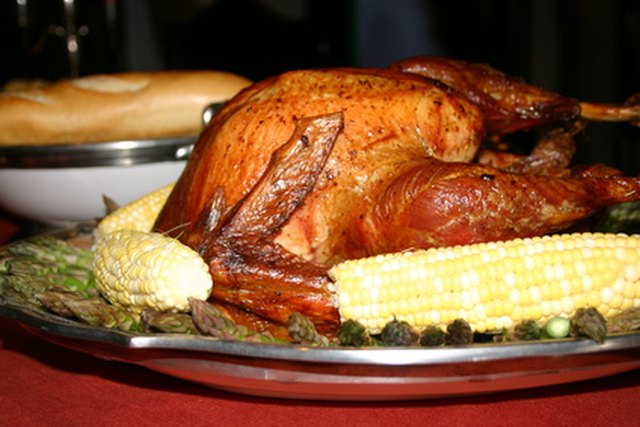
A frozen smoked turkey is one of the great shortcuts of American holiday cooking. It arrives with all that savory, wood-kissed flavor already built in, which means you get to skip the “babysit the smoker for half a day” part and go straight to the “look like a culinary genius” part. But there is one small catch: you still have to thaw it safely.
Whether your bird is a fully cooked smoked turkey from a specialty shop, a frozen smoked turkey breast from the grocery store, or a whole smoked turkey you saved for later, thawing is not the moment to improvise. The safest methods are simple, but they require time, temperature control, and a little planning. A turkey is large, dense, and stubbornly icy in the center. It does not care that guests are arriving at 5 p.m. wearing stretchy pants and optimism.
This guide explains how to thaw a frozen smoked turkey in the refrigerator, how to use the cold-water method when you are short on time, what mistakes to avoid, and how to reheat the turkey without drying it into something that tastes like a smoky bath towel. Let’s rescue dinner before panic becomes a side dish.
Is a Smoked Turkey Already Cooked?
Many frozen smoked turkeys sold in the United States are fully cooked, but you should never guess. Always read the label. Look for phrases such as “fully cooked,” “ready to heat and serve,” or “smoked and cooked.” If the label says the turkey is raw, partially cooked, or “cook before eating,” treat it like raw poultry and follow full cooking instructions until it reaches a safe internal temperature.
A fully cooked smoked turkey still needs careful handling. Cooking or smoking does not make turkey magically immune to food-safety rules. Once the bird begins to thaw, the outer layers can warm faster than the frozen center. If those outer layers spend too much time in unsafe temperatures, bacteria can grow. That is why thawing on the kitchen counter is not recommended, even if your grandmother did it while also making pie crust by feel and somehow surviving every holiday.
The Best Way to Thaw a Frozen Smoked Turkey
The best way to thaw a frozen smoked turkey is in the refrigerator. It is the slowest method, but it is also the most reliable because the turkey stays at a safe, consistent temperature while it defrosts. Refrigerator thawing protects texture, keeps the meat juicy, and gives you more flexibility if plans change.
Refrigerator Thawing Method
Keep the frozen smoked turkey in its original, unopened wrapper. Place it breast side up on a rimmed tray, shallow pan, or baking sheet to catch any drips. Set it on the lowest shelf of the refrigerator so it cannot leak onto other foods. Your refrigerator should be set at 40°F or below.
Allow about 24 hours of thawing for every 4 to 5 pounds of turkey. That means a 10-pound smoked turkey usually needs about 2 to 3 days, while a 14-pound bird may need about 3 to 4 days. A large 20-pound smoked turkey may need 5 days or more. In turkey math, “almost thawed” often means “still frozen in the middle,” so give yourself extra time if possible.
Refrigerator Thawing Time Chart
| Frozen Smoked Turkey Weight | Estimated Refrigerator Thawing Time |
|---|---|
| 4 to 8 pounds | 1 to 2 days |
| 8 to 12 pounds | 2 to 3 days |
| 12 to 16 pounds | 3 to 4 days |
| 16 to 20 pounds | 4 to 5 days |
| 20 to 24 pounds | 5 to 6 days |
These times are estimates, not a legally binding contract with your refrigerator. A crowded fridge, an especially cold back corner, or a very thick bird can slow the process. If the turkey still feels hard in the center or the cavity contains ice, it needs more time.
How to Thaw a Frozen Smoked Turkey Fast
If you forgot to move the turkey to the refrigerator, do not panic. Also, do not place it in the sun, next to a heater, in warm water, or on the counter like a poultry-shaped paperweight. The safe faster method is cold-water thawing.
Cold-Water Thawing Method
Leave the smoked turkey in its original packaging. If the wrapper is torn or loose, place the turkey in a leak-proof food-safe bag. Submerge it completely in cold tap water in a clean sink, cooler, or large container. Change the water every 30 minutes so the water stays cold and the turkey continues thawing evenly.
Plan on about 30 minutes per pound. A 10-pound smoked turkey may take about 5 hours. A 14-pound turkey may take around 7 hours. A 20-pound turkey may take 10 hours or more. Yes, that is a lot of water changes. Think of it as a low-impact kitchen workout with a very specific dinner-related purpose.
Cold-Water Thawing Time Chart
| Frozen Smoked Turkey Weight | Estimated Cold-Water Thawing Time |
|---|---|
| 4 to 8 pounds | 2 to 4 hours |
| 8 to 12 pounds | 4 to 6 hours |
| 12 to 16 pounds | 6 to 8 hours |
| 16 to 20 pounds | 8 to 10 hours |
| 20 to 24 pounds | 10 to 12 hours |
Once a smoked turkey is thawed using the cold-water method, reheat it right away. Do not thaw it in cold water, admire your achievement, and then put it back in the fridge for three days. Cold-water thawing is a same-day solution.
Can You Thaw a Frozen Smoked Turkey on the Counter?
No. Thawing a frozen smoked turkey on the counter is not safe. The outside of the turkey can enter the temperature danger zone while the inside remains frozen. That creates the perfect situation for foodborne bacteria to multiply. The turkey may still look fine, smell fine, and sit there innocently, but food safety is not judged by vibes.
The same rule applies to thawing in hot water, leaving the bird in the garage, setting it on the porch, or placing it near a sunny window. These methods are unpredictable and unsafe. Use the refrigerator or cold-water method instead.
Can You Microwave a Frozen Smoked Turkey?
Microwave thawing is usually not practical for a whole smoked turkey because most whole birds are too large to rotate evenly. However, it may work for a small smoked turkey breast if the package directions and microwave manual allow it. Remove any packaging that is not microwave-safe, place the turkey on a microwave-safe dish, and follow the appliance instructions.
If you thaw smoked turkey in the microwave, reheat or cook it immediately. Microwaves thaw unevenly and may warm parts of the meat, so the turkey should not sit around afterward. For best texture, refrigerator thawing is still the winner.
How to Tell When a Smoked Turkey Is Fully Thawed
A fully thawed smoked turkey should feel flexible rather than rock-hard. The legs and wings should move easily. If it is a whole bird, check the cavity for ice crystals. Press gently around the breast and thick thigh areas; they should feel chilled but not frozen solid.
If only the center is still icy, you can continue refrigerator thawing or switch to the cold-water method to finish the job. Keep the turkey wrapped and cold. Do not cut into a half-frozen smoked turkey with heroic confidence unless you enjoy uneven reheating and mild emotional regret.
How Long Can Thawed Smoked Turkey Stay in the Refrigerator?
If the smoked turkey was thawed completely in the refrigerator and remained at 40°F or below, it usually has a short window of flexibility before reheating. For best quality and safety, follow the package directions. If there are no specific directions, plan to heat and serve it within a few days. Once reheated and served, leftover cooked turkey should be refrigerated promptly and eaten within 3 to 4 days.
If the turkey was thawed using cold water or the microwave, reheat it immediately. Those faster thawing methods are useful, but they do not give you the same storage flexibility as refrigerator thawing.
How to Reheat a Thawed Smoked Turkey Without Drying It Out
Thawing is only half the mission. The next goal is reheating the smoked turkey while keeping it moist. Since most smoked turkeys are already cooked, you are not trying to roast it from raw; you are trying to warm it gently without squeezing out every drop of juice.
Oven Reheating Method
Preheat the oven to a low or moderate temperature, usually around 275°F to 325°F, depending on the package instructions. Place the thawed smoked turkey in a roasting pan. Add a small amount of broth, water, apple juice, or turkey stock to the bottom of the pan to create moisture. Cover the turkey loosely with foil.
Heat until the internal temperature reaches 165°F when checked with a food thermometer in the thickest part of the meat. Avoid touching bone with the thermometer because that can give an inaccurate reading. Start checking earlier than you think you need to; smoked turkey can go from “perfectly warm” to “why is this so dry?” faster than holiday guests can ask when dinner will be ready.
Reheating Sliced Smoked Turkey
If the turkey is already sliced, place the slices in a covered baking dish with a splash of broth. Cover tightly with foil and warm gently. Sliced turkey reheats faster than a whole bird, so check it frequently. You can also warm slices in a skillet over low heat with a little broth, which is handy for leftovers or sandwiches.
Should You Add Seasoning Before Reheating?
Smoked turkey is already seasoned and cooked, so go easy. You do not need to bury it under a mountain of spices. A light brush of melted butter, a little broth, cracked black pepper, or a touch of honey glaze can enhance the flavor without overpowering the smoke.
If the turkey is salty, avoid adding salty rubs or heavily seasoned broth. Smoked meats can concentrate salt during cooking and storage. Taste a small piece after reheating before adding more seasoning. Your mashed potatoes should not need a lifeguard.
Common Mistakes When Thawing Frozen Smoked Turkey
Waiting Until the Last Minute
The biggest mistake is underestimating thawing time. A frozen smoked turkey is dense, and the center thaws slowly. Move it to the refrigerator several days before your meal. If it thaws early, that is much better than discovering it is still frozen when the oven is already preheated.
Using Warm or Hot Water
Hot water may seem faster, but it is unsafe. It warms the surface of the turkey too quickly while the inside remains frozen. Use cold water only, and change it every 30 minutes.
Removing the Packaging Too Early
Keep the turkey wrapped while thawing. The packaging helps protect the meat from water exposure and cross-contamination. If the package leaks, add a leak-proof bag rather than letting the turkey soak directly in water.
Skipping the Thermometer
A food thermometer is the most reliable way to know reheated smoked turkey has reached 165°F. Color and steam are not enough. Turkey can look hot on the outside while still being lukewarm in thicker areas.
Best Timeline for Serving Frozen Smoked Turkey
For a holiday meal, the easiest plan is to count backward from serving time. If you have a 12-pound frozen smoked turkey and dinner is on Thursday evening, move it to the refrigerator on Monday morning or Sunday night. That gives the bird enough time to thaw gently and gives you a cushion in case your fridge runs cold.
On the day of serving, remove the thawed turkey from the refrigerator while the oven preheats, but do not leave it out for long. Prepare the roasting pan, add a little liquid, cover with foil, and reheat until it reaches 165°F. Let it rest briefly before carving so the juices settle.
Can You Refreeze a Thawed Smoked Turkey?
If the smoked turkey was thawed safely in the refrigerator and has not been reheated or left out too long, it may be refrozen, though the texture may suffer. Freezing, thawing, and refreezing can make turkey drier. For better results, slice the turkey, wrap portions tightly, and freeze them in meal-sized packages.
If the turkey was thawed in cold water or the microwave, do not refreeze it before reheating. Reheat it immediately, then store leftovers safely afterward.
What to Serve With Smoked Turkey
Smoked turkey has bold flavor, so it pairs beautifully with sides that bring creaminess, brightness, or sweetness. Classic mashed potatoes, cornbread dressing, roasted green beans, cranberry sauce, mac and cheese, sweet potatoes, and crisp salads all work well. For sandwiches, try smoked turkey with sharp cheddar, pickles, mustard, or a little cranberry mayo.
If your smoked turkey is the centerpiece of a holiday table, balance the smoke with fresh herbs, citrus, and lightly seasoned vegetables. A smoky bird plus smoky sides plus smoky gravy can start to taste like the inside of a campfire wearing a Thanksgiving sweater.
Personal Kitchen Experiences: Lessons From Thawing Smoked Turkey
The first lesson from thawing frozen smoked turkey is that the refrigerator method rewards calm people and mildly punishes the rest of us. A whole smoked turkey looks manageable when it is frozen because it is quiet, compact, and wrapped like a holiday promise. But once you place it in the refrigerator, you realize it needs space, time, and a tray with edges. Always use the tray. A turkey leak in the refrigerator is not a “small cleanup.” It is a full kitchen side quest.
One practical habit is to put the turkey on the bottom shelf as soon as it enters the fridge. This prevents any drips from landing on salads, desserts, or other ready-to-eat foods. Even when the package looks sturdy, I treat it like it may betray me. A rimmed sheet pan or roasting pan is cheap insurance. If your refrigerator is crowded, rearrange it before the turkey arrives. Trying to wedge a frozen bird between a gallon of milk and a pie is how holiday chaos begins.
The second lesson is to build in a “turkey buffer day.” If the package says the bird should thaw in three days, give it four if your schedule allows. Refrigerators vary, and a smoked turkey can stay icy near the bones longer than expected. That extra day turns a stressful cooking morning into a relaxed one. You can check the bird, plan the reheating time, make sides, and avoid the classic holiday sentence: “Why is the inside still frozen?”
The cold-water method is useful, but it requires commitment. Changing water every 30 minutes sounds easy until you are doing it for six or eight hours. Use a timer. Without a timer, 30 minutes becomes “whenever I remember,” and that is not a food-safety strategy. A clean cooler can be easier than a sink for larger birds because it holds water well and frees up the sink for actual cooking tasks. Just make sure the water stays cold and gets changed on schedule.
For reheating, the most helpful trick is adding moisture and covering the turkey. Smoked turkey already has flavor, but it can dry out if blasted with high heat. A little broth in the pan, loose foil over the top, and a thermometer in hand make a huge difference. If the skin is not crisp, that is fine. Smoked turkey is about tender meat and deep flavor, not pretending to be a freshly roasted bird with crackly skin.
Another experience worth sharing: slice only what you need right away. A whole reheated smoked turkey stays juicier before carving. Once sliced, the meat cools and dries faster. If you are serving a buffet, put out some sliced turkey and keep extra meat covered and warm. For leftovers, slice the turkey into usable portions, add a spoonful of broth, and store it in airtight containers. Future you will be grateful when making sandwiches, soups, casseroles, or late-night “just one more bite” snacks.
The final lesson is simple: read the label twice. Some smoked turkeys are fully cooked and only need reheating. Others may have different instructions based on processing, size, stuffing, glaze, or packaging. The label is not decorative. It is the turkey’s tiny instruction manual, and it deserves more attention than the holiday playlist.
Conclusion
Learning how to thaw a frozen smoked turkey is mostly about patience and temperature control. The refrigerator method is the safest and easiest choice when you have a few days. The cold-water method works when time is short, as long as the turkey stays wrapped, submerged in cold water, and the water is changed every 30 minutes. Countertop thawing, hot water, and random “it’ll probably be fine” shortcuts are not worth the risk.
Once thawed, reheat the smoked turkey gently, keep it moist, and use a food thermometer to confirm it reaches 165°F. With the right plan, your turkey will be smoky, tender, and ready for the table without drama. That leaves you free to focus on the important things, like gravy, side dishes, and pretending you did not eat three slices while carving.