Paper clutter is sneaky. It does not kick down the front door like a dramatic movie villain. It slips in quietly as unopened mail, school forms, receipts, warranties, sticky notes, printouts, insurance letters, and that one coupon for a sandwich shop you swore you would use three months ago. Before long, your kitchen counter starts looking less like a workspace and more like a paper-themed escape room.
The good news is that you do not need a free weekend, a rainbow of expensive bins, or the patience of a monk to get things under control. You can organize paper clutter in just five minutes a day. The trick is not to “deep clean” your paperwork every time panic strikes. The trick is building a tiny daily routine that stops paper from becoming a mountain in the first place.
If you have been wondering how to organize paperwork at home without losing your mind, this guide gives you a realistic, easy-to-follow system. It is simple enough for busy households, flexible enough for small spaces, and effective enough to keep paper piles from staging a comeback tour.
Why Paper Clutter Gets Out of Control So Fast
Paper clutter is frustrating because every sheet seems small and harmless on its own. One bill? Fine. One school flyer? Fine. One receipt from a store you do not even remember visiting? Still somehow fine. But paper multiplies when there is no clear decision attached to it.
Most paper mess comes from the same problem: delayed choices. You set something down because you are busy. Then it blends into the background. Then more paper joins it. Then suddenly you have a pile that feels emotionally loaded, mildly mysterious, and possibly taxable.
That is why the best paper organization system is not based on motivation. It is based on speed. Your goal is to reduce the number of decisions each paper gets to survive. If a paper comes in, it should quickly go to one of only a few destinations.
The 5-Minute-a-Day Paper Decluttering Method
Here is the heart of the system: spend five minutes every day handling paper the moment it lands in your life. That is it. Five minutes is short enough to feel doable even on chaotic days, but powerful enough to keep clutter from building.
Minute 1: Gather the Strays
Start by collecting loose papers from your usual clutter hotspots. Check the kitchen counter, dining table, entryway, your desk, your purse, your car, and that mysterious drawer where batteries and takeout menus go to retire. Do not overthink it. Just gather what is visible.
Minute 2: Sort Into Four Simple Categories
Create four categories only:
- Recycle: junk mail, duplicate papers, outdated flyers, envelopes without useful information
- Shred: anything with personal, financial, medical, or identifying information you no longer need
- Action: bills to pay, forms to sign, school papers to review, invitations to RSVP to
- File: documents you genuinely need to keep
That is the magic. Not 17 categories. Not a filing cabinet worthy of a federal archive. Just four clear paths.
Minute 3: Handle One Action Item Immediately
If something can be done in under a minute, do it now. Sign the field trip form. Enter the appointment into your calendar. Pay the bill if it is already due. Write the return deadline on your planner. Paper clutter often shrinks fast when you stop treating tiny tasks like future-you’s hobby.
Minute 4: File the Keepers
Take the small number of papers worth keeping and place them in labeled folders. You do not need a fancy setup. A portable file box, accordion folder, drawer with folders, or wall-mounted sorter can work beautifully. The key is having labels that make sense at a glance.
Good starter labels include:
- Taxes
- Medical
- Home
- Insurance
- Auto
- School
- Receipts to Review
- To Scan
Minute 5: Reset the Zone
Put the shred pile in a shredder bin or secure bag. Toss the recycling. Return the remaining action papers to one visible tray or folder. Then stop. The point is consistency, not martyrdom. You are building a routine that works on a random Tuesday, not auditioning for a home makeover show.
Set Up a Paper Organization Station Once, Then Let It Do the Heavy Lifting
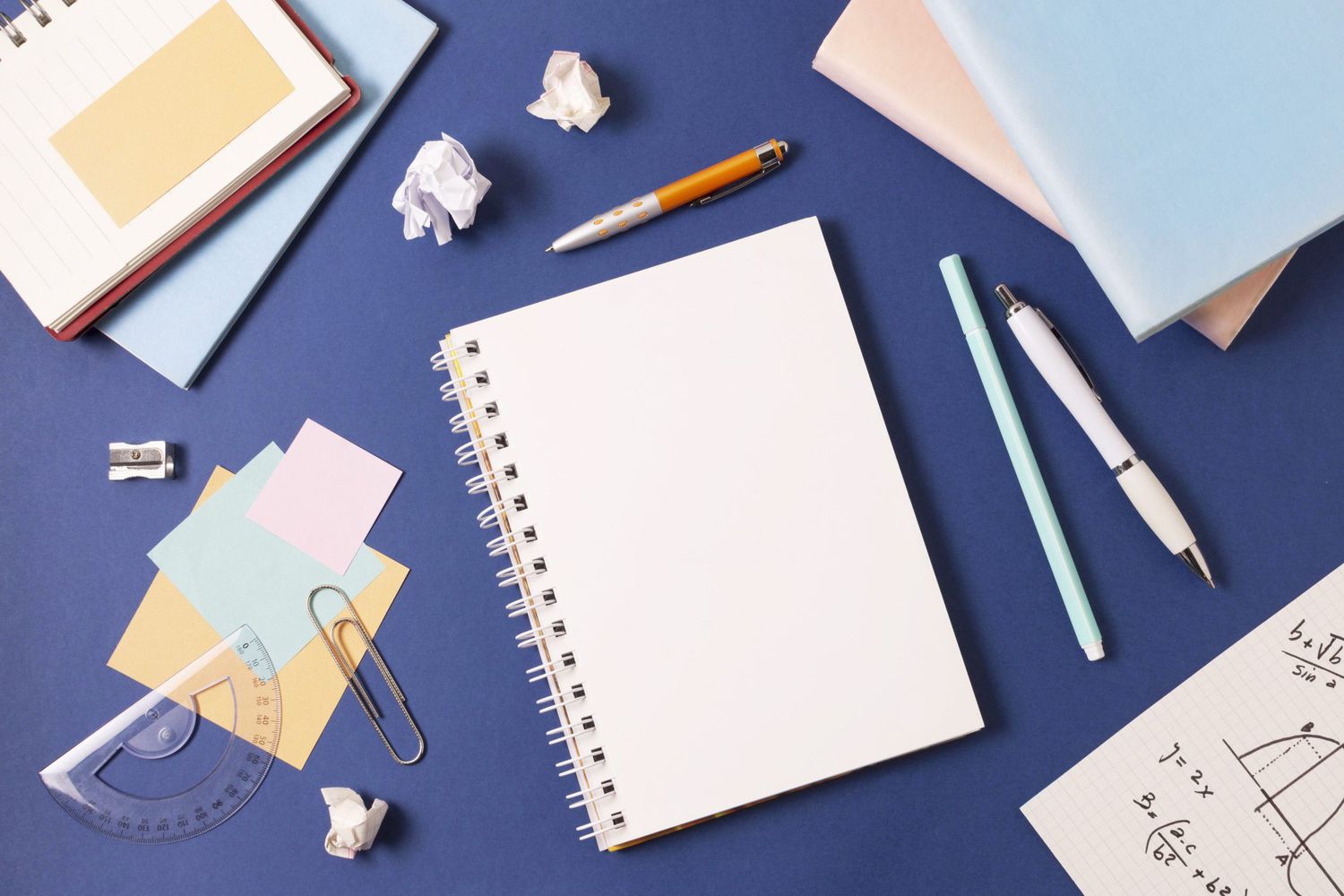
If you want your five-minute routine to stick, create one small paper command center. This can live near your entryway, kitchen, or home office. It does not need to be pretty enough for a magazine cover. It just needs to be easy to use when real life is happening.
Your paper station should include:
- a tray or inbox for incoming mail and school papers
- a folder or slot for action items
- a folder or box for long-term files
- a recycling bin nearby
- access to a shredder or a secure shred bag
- a pen and sticky notes for quick labeling
Keep the setup simple enough that anyone in the household can understand it. If the system requires a tutorial, a map, and emotional support, it is too complicated.
What Papers Should You Actually Keep?
This is where many people get stuck. They worry that tossing the wrong paper will trigger chaos later. While exact retention needs vary by household, a good rule is to keep papers that are legal, financial, medical, tax-related, or difficult to replace. Examples include insurance policies, warranty information you still use, records tied to major purchases, tax documents, medical records you may need, and personal identification paperwork.
It also helps to separate temporary papers from archival papers. Temporary papers are things you need for a short period, such as a current utility bill, a school schedule, or a receipt for a return. Archival papers are things you keep long-term, such as tax records, home purchase documents, or vital records.
If you are unsure, ask yourself three questions:
- Would replacing this be difficult, expensive, or time-consuming?
- Does this support taxes, insurance, home ownership, health care, or identity records?
- Will I realistically need this again within the next year?
If the answer is no, that paper may be a strong candidate for recycling or shredding.
What Papers Should You Scan and Store Digitally?
One of the easiest ways to reduce paper clutter is to shrink the amount of physical paper you keep. Not everything has to live on a countertop or in a bursting folder. Scanning can be especially helpful for receipts, household manuals, school schedules, reference documents, and records you want available but do not need in paper form every day.
Create a simple digital filing system with folders that match your paper labels. For example:
- Home
- Medical
- Taxes
- Auto
- Kids and School
- Warranties and Manuals
Name files clearly, such as Water_Heater_Warranty_2026 or Dental_Insurance_EOB_March_2026. This tiny habit makes digital storage actually useful instead of becoming a computer-based sequel to your paper chaos.
How to Reduce Incoming Paper in the First Place
The fastest way to organize paper clutter is to stop inviting so much of it into your home. Some paper will always arrive, but a lot of it can be reduced.
Switch to Paperless Statements
Move bills, bank statements, and account notices to digital delivery when it makes sense for your situation. This cuts down the volume of recurring paperwork and reduces the number of envelopes trying to colonize your counter.
Opt Out of Unnecessary Mail
Prescreened credit and insurance offers can add up fast. Reducing those can noticeably shrink your mail pile over time. It is one of those boring admin tasks that pays you back by making your home feel calmer every week.
Enter Information, Then Let the Paper Go
If an invitation, flyer, or appointment card contains information you need, transfer the details to your phone or planner right away. Once the information is safely recorded, you usually do not need the paper hanging around like a tiny guilt trap.
Skip Paper Manuals When Possible
Many product manuals are easy to find online. If the paper version is bulky and not essential, you may be able to recycle it after confirming a digital copy is available.
The Best Filing Categories for a Real Home
A good filing system should help you find things fast, not make you feel like you work in a records department. Start broad. You can always add subfolders later if needed.
Try these core categories:
- Financial: taxes, bank, loan, major receipts
- Medical: insurance, bills, test summaries, provider info
- Home: repairs, appliance info, warranties, improvement records
- Auto: registration, insurance, maintenance receipts
- Personal: IDs, certificates, legal records
- School: report cards, forms, schedules, artwork to keep
- Action File: the small set of papers that still need attention
For sentimental papers like cards, letters, or kids’ artwork, set a physical limit. Use one memory box or one binder. Sentiment is wonderful. Twenty-seven pounds of construction paper handprints? Less wonderful.
Common Mistakes That Make Paper Clutter Worse
Keeping Every Receipt
Unless a receipt is needed for taxes, returns, reimbursement, or warranty proof, it probably does not deserve a forever home in your wallet or junk drawer.
Letting “Action” Become a Permanent Category
An action tray is not a museum. It should hold papers you are actively dealing with, not forms that have been “waiting for the right moment” since last fall.
Buying Organizers Before Decluttering
Bins do not solve clutter if you are storing paper you do not need. First reduce. Then organize what remains.
Using Too Many Categories Too Soon
If every paper needs a complex decision tree, you will avoid the system. Keep it broad, fast, and forgiving.
Ignoring Security
Papers with personal information should not go straight into the trash. A basic shred routine protects your information and keeps sensitive documents from lingering around the house.
A Simple Weekly and Monthly Paper Reset
Your daily five-minute habit does most of the work, but a light reset helps keep the system sharp.
Weekly Reset
- empty the action tray
- file papers you finished dealing with
- scan anything waiting in the “to scan” folder
- clear your purse, bag, and car of paper stragglers
Monthly Reset
- review your temporary folders
- shred papers you no longer need
- archive older tax or financial records appropriately
- check if you can switch another account to paperless delivery
This small maintenance cycle keeps the paper clutter from quietly regrowing like weeds after rain.
Example: What This Looks Like in Real Life
Imagine you come home with a stack of mail, a school permission slip, a receipt from the pharmacy, and an appliance warranty booklet.
- The junk mail goes straight to recycling.
- The insurance offer with personal information goes to shredding.
- The permission slip gets signed and placed back in the backpack.
- The pharmacy receipt is kept only if needed for reimbursement or records.
- The warranty gets filed under Home or scanned if you prefer digital records.
That entire process can take less than five minutes. The beauty of the method is not that it is glamorous. It is that it prevents “I’ll deal with it later” from becoming tomorrow’s countertop avalanche.
How to Stay Consistent When You Are Busy
Attach your paper routine to something you already do. Sort papers while dinner cooks. Tackle the tray after you bring in the mail. Spend five minutes on paperwork before scrolling your phone at night. Habit stacking makes the task feel less like a separate project and more like a natural part of your day.
Also, lower the bar. On hectic days, success might simply mean recycling the junk mail and putting one important document in the right folder. That still counts. Organizing paper clutter is not about perfection. It is about preventing buildup.
Final Thoughts: Small Paper Habits Beat Big Paper Panic
If paper clutter has been driving you nuts, do not assume you need a giant weekend overhaul. Most people do better with a tiny daily rhythm than with a heroic but exhausting purge. Five focused minutes can be enough to sort, shred, file, and reset your space before the mess spreads.
The best system is the one you can repeat without a pep talk. Keep a drop zone. Use simple categories. Handle quick tasks immediately. File only what matters. Scan what makes sense. Shred what is sensitive. And whenever possible, stop extra paper before it enters your home.
Do that consistently, and your counters, desk, and kitchen table can go back to doing what they were meant to do instead of serving as unpaid interns for your paperwork.
Experiences and Real-Life Lessons From Organizing Paper Clutter
One of the most surprising things about paper clutter is how emotional it can feel. People often think they are dealing with “just paper,” but in reality, they are dealing with postponed decisions, guilt, fear of throwing away something important, and sometimes a little fantasy self who believes she will absolutely compare utility rates from a brochure someday. In real homes, paper clutter is rarely about laziness. It is usually about friction.
A common experience is the dreaded “important pile.” It starts with good intentions. You place a few papers in one neat stack because you plan to handle them later. Then later gets busy. The pile grows. Soon, it contains a grocery receipt, a dentist reminder, a birthday card, a tax document, two school forms, and a coupon for cat food even though you do not own a cat. At that point, the pile no longer feels like a stack of paper. It feels like a judgmental roommate.
Another real-life lesson is that visual clutter creates mental clutter. Many people notice they feel calmer almost immediately after clearing paper from kitchen counters and desks. The room looks cleaner, even if nothing else changed. That is why small daily paper habits work so well. You are not just organizing documents. You are reducing background stress.
Families with kids often have a different flavor of paper chaos. School calendars, art projects, permission slips, teacher notes, sports schedules, and random worksheets can pour into the house at incredible speed. In these cases, a single inbox and a separate school folder can make a huge difference. The best move is to review papers the day they come in, capture dates right away, and keep only the pieces that truly matter. Not every spelling quiz needs a lifetime membership in your house.
People who work from home often discover that paper clutter affects productivity more than they expected. It is hard to concentrate when your desk is covered in old notes, unopened mail, and documents you meant to file last week. Even a two-minute desk reset at the end of the day can make tomorrow feel easier. A clean surface sends a powerful message to your brain: we know where things are, and we are not in survival mode.
The biggest experience-based takeaway is this: organizing paper is less about doing a huge purge once and more about making tiny decisions consistently. The people who stay on top of paper clutter are not superhuman. They just recycle junk mail quickly, keep a small file system, and refuse to let paper roam freely through the house like it pays rent. That is a strategy almost anyone can copy.