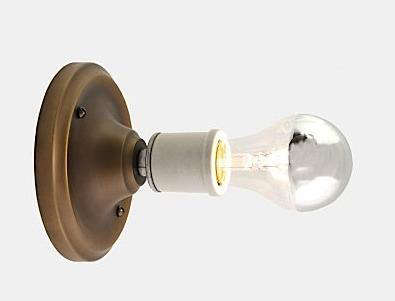
Some lights simply brighten a room. The Franklin Wall Sconce does something slightly more dramatic: it gives the wall a job, gives the room a mood, and gives your nightstand a fighting chance against clutter. Whether you are looking at the Franklin Wall Sconce by Arteriors, a Franklin Restoration-style sconce from Innovations Lighting, or a vintage-inspired Franklin wall lamp with brass and glass details, the appeal is easy to understand. This is not a shy little fixture. It has presence, warmth, and that “yes, I absolutely read design magazines” energy.
Wall sconces have become popular because they solve several design problems at once. They add layered lighting, free up floor and table space, frame mirrors and beds beautifully, and create atmosphere without relying on one lonely ceiling light doing all the emotional labor. A Franklin-style sconce usually leans into classic materials such as antique brass, bronze, steel, linen, clear glass, smoke glass, or amber glass. The result is a fixture that can feel traditional, industrial, vintage, hotel-inspired, or quietly modern depending on the finish and shade.
This guide explores what a Franklin Wall Sconce is, where it works best, how to choose the right version, and what to consider before installation. Think of it as your friendly lighting consultation, minus the clipboard and the mysterious showroom price tag.
What Is a Franklin Wall Sconce?
A Franklin Wall Sconce generally refers to a wall-mounted lighting fixture sold under or inspired by the “Franklin” name. The exact design varies by brand. For example, Arteriors describes its Franklin Wall Sconce as a traditional-meets-modern fixture with an antique brass plate, bronze arched arm, steel hanging detail, and white linen shade. Other Franklin Restoration sconces, especially those associated with Innovations Lighting, often feature vintage glass shades, restoration-style silhouettes, exposed or semi-exposed bulbs, and metal finishes such as antique brass, satin gold, oil-rubbed bronze, or brushed satin nickel.
In plain English: it is a wall light with a classic backbone and a flexible design personality. Some versions feel like they belong in a polished bedroom suite. Others look right at home in a powder room with subway tile, a hallway with framed art, or a reading nook where the chair has clearly claimed retirement as its full-time career.
Why the Franklin Wall Sconce Works in So Many Interiors
The best thing about a Franklin-style wall sconce is its balance. It is decorative, but not fussy. It is practical, but not boring. It can add old-world charm without making the room look like a museum gift shop. That balance comes from three main design ingredients: warm metal finishes, familiar shade shapes, and wall-mounted functionality.
1. Warm Finishes Add Instant Character
Antique brass, bronze, and satin gold finishes are common in Franklin-style sconces. These finishes bring warmth to white walls, wood furniture, stone counters, and painted cabinetry. Brass also pairs well with both traditional and modern interiors because it can look polished, aged, or industrial depending on the rest of the room.
If your space feels too cold, a Franklin Wall Sconce in antique brass can soften it. If your space already has warm wood tones, the fixture can reinforce that cozy feeling. And if your room is mostly neutral, brass becomes the design equivalent of a good watch: small, useful, and quietly impressive.
2. Glass and Linen Shades Change the Mood
Shade choice matters. A white linen shade gives a softer, diffused glow that works beautifully beside a bed, in a living room, or near a reading chair. Clear glass feels brighter and more industrial, especially when paired with a decorative LED bulb. Smoke glass adds drama. Amber glass creates a warmer vintage mood, almost like the room has been edited with a flattering filter.
Lighting experts often recommend considering both the direction and diffusion of wall lights. Uplights wash the ceiling, downlights focus light below, and multidirectional sconces can create a more layered effect. A Franklin Wall Sconce with a linen shade may be best for comfort and ambiance, while a clear-glass restoration sconce may be better for brighter accent lighting.
3. Wall-Mounted Lighting Saves Space
Small rooms love wall sconces. Bedrooms, bathrooms, hallways, and entryways often need light but do not always have space for extra lamps. A wall sconce keeps surfaces clear and makes the room feel more intentional. It is especially helpful beside a bed, where it can replace a table lamp and leave room for books, glasses, a phone charger, and whatever tiny object you swear you will put away tomorrow.
Best Places to Use a Franklin Wall Sconce
The Franklin Wall Sconce is versatile, but placement determines whether it looks elegant or oddly surprised to be there. Here are the best rooms and design situations for this fixture.
Bedroom
A Franklin Wall Sconce is a natural fit for bedroom lighting. Place one on each side of the bed for symmetry, or use a single adjustable-arm version beside a reading corner. Many designers suggest placing bedside sconces around seated eye level or roughly centered near the nightstand area, so the light supports reading without shining directly into your eyes.
For bedrooms, choose warm light. ENERGY STAR explains that lower Kelvin temperatures create warmer, yellower light, while higher Kelvin temperatures look cooler and bluer. A bulb around 2700K to 3000K is usually a comfortable choice for relaxing spaces.
Bathroom Vanity
Franklin-style sconces can look stunning beside a bathroom mirror, especially when paired with brass faucets, marble counters, wood vanities, or vintage-inspired tile. The key is to avoid harsh shadows. Side-mounted sconces usually give more even face lighting than a single overhead fixture. For many vanity setups, lights are placed around face level and balanced on both sides of the mirror.
Before buying, check the fixture rating. Bathrooms can be humid, so a damp-rated fixture is often preferred, especially near sinks or tubs. Outdoor or directly exposed areas require stricter wet-location ratings. Translation: do not ask a dry-rated sconce to be a bathroom hero if it was born to live in a peaceful hallway.
Hallway or Entryway
In hallways, a Franklin Wall Sconce can provide rhythm and visual interest. Instead of a tunnel effect, repeated sconces create a warm path through the home. As a general guideline, wall sconces are often installed around eye level, with spacing adjusted based on ceiling height, fixture size, and hallway length. Lumens suggests about 5.5 to 6 feet as a common starting point for wall light height, while other placement guides often recommend similar eye-level positioning.
For narrow hallways, pay attention to projection. A large sconce that sticks too far from the wall can become a shoulder-checking device, and nobody wants lighting that starts a fight.
Living Room
In the living room, Franklin sconces work well beside built-ins, above a console table, around a fireplace, or near artwork. A pair of sconces can frame a focal point and add evening ambiance after the overhead lights are off. If your living room has only recessed lighting, sconces can bring the light down to a more human level, making the space feel less like an airport lounge and more like a place where people actually exhale.
Dining Room
A Franklin Wall Sconce can add soft side lighting in a dining room, especially when paired with a chandelier or pendant. Use dimmable bulbs if the fixture supports them. Dinner lighting should flatter the food and the guests, not interrogate the salad.
How to Choose the Right Franklin Wall Sconce
Choosing a wall sconce is not just about picking the prettiest one, although prettiness is absolutely invited to the meeting. You also need to think about scale, finish, shade, bulb type, and installation.
Measure the Wall and Fixture Projection
Start with dimensions. Check height, width, and extension from the wall. A compact sconce may work beside a mirror or in a hallway, while a larger arm-style Franklin Wall Sconce may need more breathing room. If the fixture swings or adjusts, make sure it has enough clearance from furniture, curtains, doors, and human elbows.
Match the Finish to Your Hardware
Your wall sconce does not have to match every metal in the room, but it should look intentional. Antique brass pairs well with bronze, black, cream, walnut, oak, white marble, and deep paint colors. Chrome or polished nickel can feel cleaner and more contemporary. Oil-rubbed bronze adds contrast and works nicely in traditional or farmhouse-inspired spaces.
A good rule: repeat the finish at least one other place in the room. That could be cabinet pulls, a mirror frame, curtain rods, picture frames, or a floor lamp. One brass sconce alone can look accidental. Two or three brass moments look designed.
Choose the Shade Based on the Job
If the sconce is for reading, choose a shade or direction that sends useful light where you need it. If it is for mood, choose linen, frosted glass, amber glass, or a dimmable bulb. If it is for a bathroom vanity, consider clear or diffused glass that gives enough brightness without creating dramatic under-eye shadows. We want “rested and glowing,” not “campfire ghost story.”
Check Bulb Base, Wattage, and Dimming
Always read the product specifications. Some Franklin-style sconces use standard E26 bulbs, while smaller or imported models may use E12, E14, or integrated LED components. The fixture will also list a maximum wattage. LEDs usually produce strong brightness with lower energy use than incandescent bulbs, and lumens are the best way to compare brightness rather than relying only on watts. Better Homes & Gardens notes that an 800-lumen LED is commonly considered similar in brightness to a 60-watt incandescent bulb.
If you want mood control, confirm that both the bulb and wall dimmer are compatible. A dimmable fixture with a non-dimmable bulb is like buying a sports car and forgetting the tires.
Design Ideas for Styling a Franklin Wall Sconce
Pair It With a Round Mirror
A Franklin Wall Sconce with brass or bronze details looks especially good beside a round mirror. The curved shape of the mirror softens the geometry of the wall plate and arm. This works beautifully in powder rooms, entryways, and small bedrooms.
Use Two Sconces to Frame a Bed
Two matching sconces above nightstands create a boutique hotel look. For a classic design, choose linen shades. For a more industrial look, choose clear glass restoration shades. Add warm bulbs and suddenly your bedroom feels like it has a turn-down service, even if the laundry chair remains undefeated.
Install One Beside a Reading Chair
An adjustable Franklin-style sconce can turn an unused corner into a reading nook. Add a chair, small table, soft throw, and you have created a personal escape pod. Bonus: unlike a floor lamp, the wall sconce will not be knocked over by pets, children, or your own dramatic blanket movements.
Create a Gallery Wall Glow
Use a pair of Franklin sconces around framed art or family photos. The warm side light adds depth and makes the wall feel curated. Just avoid placing sconces too close to art or tall furniture, since overcrowding can make the fixture look cramped and reduce its effect.
Installation Tips Before You Buy
Most hardwired wall sconces should be installed by a licensed electrician. A professional can confirm junction box placement, wiring safety, dimmer compatibility, and local code requirements. Plug-in sconces are easier for renters and quick updates, but they still need thoughtful cord management.
Before ordering, decide whether you want the fixture centered over furniture, aligned with a mirror, or placed according to eye level. Mark the wall with painter’s tape to test the height and width. Step back. Sit down. Walk through the room. Pretend you are a guest judging the lighting, because guests absolutely notice lighting even when they cannot explain why.
Common Mistakes to Avoid
Choosing the Wrong Size
A tiny sconce on a large wall can look lonely. A huge sconce in a narrow hallway can look like it is trying to leave the wall and join the conversation. Scale matters. Compare the fixture dimensions with nearby furniture, mirrors, door frames, and ceiling height.
Ignoring Light Temperature
Cool white bulbs can be useful in task-heavy spaces, but they may feel harsh in bedrooms and living rooms. Warm white bulbs usually make brass and linen sconces look richer. If the Franklin Wall Sconce has amber glass, a warm bulb can enhance the vintage effect.
Forgetting Moisture Ratings
Not every pretty sconce belongs in a bathroom or covered porch. Check whether the fixture is dry-rated, damp-rated, or wet-rated. Lumens notes that exposed exterior locations require wet-location ratings, while covered porches and patios need at least damp-location ratings.
Skipping the Dimmer
A wall sconce without a dimmer can still be useful, but dimming gives you control. In bedrooms, dining rooms, and living rooms, dimmers help move the room from “cleaning mode” to “cozy mode” without changing the fixture.
Franklin Wall Sconce Experience: What It Feels Like to Live With One
Here is the honest experience of decorating with a Franklin Wall Sconce: it changes the room faster than you expect. Paint takes planning. Furniture takes measuring, delivery windows, and at least one moment of wondering whether the sofa will fit through the door. A wall sconce, by comparison, is a relatively small design move that can make the whole room feel more finished.
In a bedroom, the first noticeable difference is surface space. Once the table lamp disappears, the nightstand suddenly becomes useful again. You can keep a book, a glass of water, your phone, and maybe even a small vase without the lamp base hogging the entire area like it pays rent. A Franklin Wall Sconce with a linen shade gives a soft, calm glow that feels ideal before sleep. It is bright enough to read a few pages, but not so intense that your brain thinks it is noon and starts making ambitious plans.
In a bathroom, the experience depends heavily on placement. A pair of sconces beside a mirror can make daily routines feel more balanced. Shaving, makeup, skincare, and the very serious act of checking whether your hair is behaving all become easier with light coming from the sides instead of only from above. The Franklin style also adds personality to bathrooms that otherwise lean too plain. A brass-and-glass sconce next to a simple mirror can make builder-basic walls feel custom without requiring a full renovation.
In hallways, Franklin sconces create a quiet sense of rhythm. Instead of a single overhead light flattening everything, wall lighting adds depth and shadow. The hallway feels more like a designed transition and less like a passage you hurry through while carrying laundry. If the home has traditional trim, picture molding, or warm wood floors, antique brass sconces can make those details stand out.
The most satisfying use may be a reading nook. A Franklin Wall Sconce mounted beside a chair gives the corner a purpose. It tells the room, “This is where reading happens.” Add a comfortable chair and a small side table, and the light becomes part of a daily ritual. Morning coffee, evening novels, quiet Sunday afternoonsthe sconce supports all of it without taking up floor space.
There are a few practical lessons, too. First, always check the shade size. A shade that looks modest online may feel larger in a small room. Second, choose the bulb carefully. A beautiful fixture can be ruined by a bulb that is too bright, too blue, or visually awkward behind clear glass. Third, test the height before installation. Even a few inches can change whether the light feels comfortable or glaring. Painter’s tape is your friend. So is patience. So is admitting that “eyeballing it” is how many lighting regrets are born.
Overall, living with a Franklin Wall Sconce feels like upgrading from basic lighting to intentional lighting. It does not scream for attention, but it quietly improves the room every evening. It adds warmth, saves space, and gives walls a layer of design that paint alone cannot provide. In other words, it is a small fixture with main-character energy.
Conclusion
The Franklin Wall Sconce is a smart choice for homeowners who want lighting that feels classic, warm, and functional. Whether you prefer the tailored elegance of a linen-shade design or the vintage charm of a restoration glass sconce, Franklin-style wall lighting can work in bedrooms, bathrooms, hallways, dining rooms, and reading corners.
The key is choosing the right size, finish, shade, bulb, and rating for the space. Antique brass and bronze finishes create warmth. Linen shades soften the glow. Glass shades add character. Dimmers add flexibility. Proper placement prevents glare, awkward shadows, and accidental hallway shoulder bumps. When all those details come together, a Franklin Wall Sconce does more than light the wallit gives the room polish, comfort, and a little design confidence.
Note: This article synthesizes current product descriptions and lighting guidance from reputable lighting retailers, manufacturer pages, design publications, and energy-efficiency resources, including Arteriors, Innovations Lighting retailers, Lumens, ENERGY STAR, Ferguson Home, Regina Andrew, Emily Henderson, and other lighting references cited throughout.