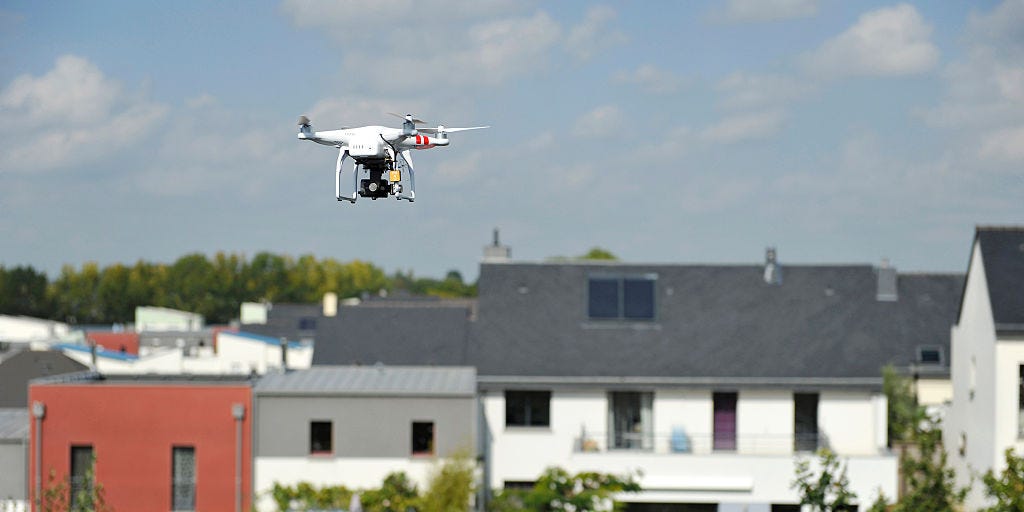
Flying a drone in America used to feel simple: charge the battery, check the sky, avoid the neighbor’s oak tree, and try not to turn your new quadcopter into modern art. But the U.S. drone world is entering a more serious phase. A major regulatory overhaul, centered on beyond visual line of sight operations, Remote ID, tighter safety expectations, and a proposed FAA Part 108 framework, could reshape who gets to fly drones, where they can fly, and what level of professionalism the government expects.
This does not mean the average hobby pilot is being grounded tomorrow. Recreational flyers can still enjoy backyard sunsets, family videos, and weekend landscape shots. Commercial drone pilots can still operate under Part 107. But the direction of travel is clear: the low-altitude sky is becoming busier, more valuable, and more regulated. The same airspace that once belonged mostly to birds, news helicopters, and one very confused kite is now being eyed by delivery companies, public safety agencies, farmers, filmmakers, utility inspectors, and defense planners.
The result is a big question with real consequences: Will drone flying remain an open hobby, or become more like aviation with smaller propellers?
The Current Drone Rulebook: Simple Enough, Until It Isn’t
Today, U.S. drone pilots generally fall into two large groups: recreational flyers and non-recreational operators. Recreational flyers operate under the Exception for Limited Recreational Operations. They must follow basic safety rules, pass The Recreational UAS Safety Test, keep proof of passage, fly for fun only, and obey airspace restrictions. If the drone weighs more than 0.55 pounds, it usually must be registered with the FAA.
Commercial or work-related flights typically fall under Part 107, the FAA’s small UAS rule. A Part 107 remote pilot certificate is required for business use, whether the job is real estate photography, roof inspection, wedding video work, construction mapping, crop scouting, or news gathering. The certificate proves that a remote pilot understands airspace, weather, flight restrictions, emergency procedures, and operational limits. In plain English: the FAA wants drone pilots to know more than where the “takeoff” button is.
Part 107 has been a major success because it created a path for legal commercial drone work. However, it also has limits. Most routine Part 107 operations require the pilot to keep the drone within visual line of sight. Flights over people, moving vehicles, at night, or in controlled airspace may require extra compliance steps. Beyond visual line of sight, known as BVLOS, usually requires a waiver or exemption. That waiver system works for carefully reviewed operations, but it is slow and mission-specific. For an industry dreaming about nationwide drone delivery, automated infrastructure inspections, and emergency response networks, “apply one mission at a time” is not exactly rocket fuel.
Why BVLOS Is the Big Deal
Beyond visual line of sight means the drone flies farther than the pilot can directly see with unaided vision. That sounds like a technical detail, but it is the difference between a drone being a flying camera and a scalable transportation tool.
Consider a utility company inspecting 80 miles of power lines after a storm. A visual-line-of-sight rule may require repeated launch points, ground crews, and lots of logistical gymnastics. BVLOS operations could allow the same work to be completed faster and more safely, especially when roads are flooded or blocked. In agriculture, BVLOS could help farmers scan large fields without driving all over the property. In public safety, drones could reach accident scenes, wildfires, or search areas before humans arrive. In delivery, BVLOS is the foundation of the whole business model. A coffee delivery drone that must remain visible to a pilot standing on the sidewalk is less “future of logistics” and more “expensive flying waiter.”
The FAA’s proposed Part 108 rule is designed to normalize certain BVLOS operations. Instead of forcing every operator to seek individual waivers for routine missions, the proposal would create a broader rule-based pathway. That could open the door to more predictable commercial operations, but it also raises the bar for safety systems, aircraft standards, operator responsibility, and traffic coordination.
Part 108: The Proposed Rule That Could Redraw the Map
The proposed Part 108 framework is not just a minor edit to the drone handbook. It is a potential new category for routine BVLOS operations at low altitudes. Under the proposal, qualifying unmanned aircraft could operate beyond the pilot’s sight without the old waiver-by-waiver process, provided they meet detailed requirements.
One striking feature is scale. The proposal discusses aircraft up to 1,320 pounds, including payload. That is far beyond the familiar consumer quadcopter and even beyond the standard Part 107 small drone weight limit of less than 55 pounds. In practical terms, the FAA is preparing for a world where drones are not merely small gadgets but serious aircraft used for delivery, agriculture, surveying, public-interest operations, and infrastructure work.
Part 108 would also bring new expectations for aircraft design, airworthiness acceptance, operational authorizations, security, information reporting, recordkeeping, and separation from other aircraft. Manufacturers and operators would need to think like aviation professionals. The drone may still fit in a van, but the paperwork may start eating like a full-grown airplane.
For large companies, this could be welcome news. Predictable rules make investment easier. If a delivery company, utility, or medical logistics provider knows what standards it must meet, it can build systems around those standards. For small operators, the picture is more complicated. Some may benefit from clearer pathways. Others may discover that advanced drone work requires more training, better equipment, documented procedures, maintenance programs, and possibly partnerships with approved service providers.
Remote ID: The Digital License Plate Era
Remote ID is another major piece of the regulatory puzzle. It requires many drones to broadcast identification and location-related information while flying. The purpose is accountability: regulators and law enforcement need a way to identify drones operating in the national airspace, especially near airports, emergency scenes, sensitive facilities, and crowded events.
For responsible pilots, Remote ID can feel like wearing a name tag at a conference. A little awkward, perhaps, but not outrageous. For operators who prefer mystery, chaos, and “Who, me?” energy, it is less charming. Remote ID helps move drones from anonymous flying objects to traceable aircraft. That matters as the number of drones grows and as BVLOS operations become more common.
Still, Remote ID is not magic. Government oversight reports have noted challenges in supporting law enforcement use of Remote ID data, and privacy advocates have raised concerns about how location information is handled. The technology improves accountability, but it does not automatically solve every problem. It is a foundation, not a superhero cape.
Who Could Gain From the Overhaul?
1. Large Commercial Drone Operators
Companies planning package delivery, medical supply transport, long-range inspection, agricultural mapping, and automated patrol operations stand to benefit the most. A clearer BVLOS framework could reduce uncertainty and make expansion easier. Instead of building every operation around a custom waiver, companies could design repeatable programs that match FAA standards.
2. Public Safety Agencies
Police, fire departments, emergency management agencies, and search-and-rescue teams already use drones for situational awareness. A more mature BVLOS framework could help them deploy drones faster and farther, especially during disasters. A drone can scout a flooded road, inspect a wildfire edge, or search a large area without putting a responder in immediate danger.
3. Infrastructure and Utility Companies
Power lines, pipelines, railways, bridges, towers, solar farms, and wind turbines are perfect drone inspection targets. They are large, repetitive, and sometimes dangerous for human inspectors. BVLOS rules could allow companies to inspect more assets with fewer truck rolls and less risk.
4. Rural Communities
Drone delivery is often marketed with images of suburban coffee, but rural areas may be a more meaningful use case. Medical supplies, lab samples, small parts, and emergency equipment could move faster across long distances where roads are limited. The economics must still work, but the potential is real.
Who Could Face New Barriers?
Recreational Flyers
Most hobbyists will not be pushed out of the sky simply because Part 108 exists. Flying a small drone for fun under recreational rules is different from running BVLOS delivery routes. However, hobbyists may feel the culture shift. More emphasis on Remote ID, airspace awareness, registration, local restrictions, and enforcement could make casual flying feel less casual.
Small Drone Businesses
Small operators may face a fork in the road. Basic Part 107 services, such as real estate photography or local inspection work, should remain accessible. But advanced BVLOS operations may require higher-grade equipment, documented safety procedures, training, insurance, software, maintenance tracking, and operational approvals. A one-person drone business can still thrive, but it may need to specialize carefully instead of trying to compete with national logistics platforms.
Older or Non-Compliant Drone Owners
Remote ID and future aircraft standards may make some older drones less useful for certain missions. Owners may need broadcast modules, firmware updates, or new aircraft. That does not mean every older drone becomes a paperweight, but pilots should understand where and how each aircraft can legally operate.
Operators Near Sensitive Sites
Airports, stadiums, prisons, military installations, critical infrastructure, emergency response zones, and federal facilities are likely to remain areas of heightened restriction. As detection systems improve, pilots who ignore rules may be easier to identify. The days of “I didn’t know” becoming a reliable defense are fading fast.
The Enforcement Side: More Rules, More Consequences
The FAA has increasingly emphasized enforcement against unsafe drone operations. That matters because new rules only work if they are taken seriously. Unauthorized flights near airports, emergency scenes, wildfire operations, or crowded public events can create real danger. A small drone may look harmless in a product box, but in the wrong place it becomes an aviation hazard.
Expect the regulatory environment to become more data-driven. Remote ID, airspace authorization systems, drone detection tools, and digital flight logs can all make it easier to understand who flew where and when. For careful pilots, that documentation can be protective. For reckless pilots, it can become the world’s least flattering scrapbook.
The Role of LAANC and Digital Airspace Authorization
LAANC, the Low Altitude Authorization and Notification Capability, already allows many drone pilots to request near-real-time authorization for flights in controlled airspace. This system shows where the drone industry is heading: digital, automated, risk-based approval rather than endless manual paperwork.
As BVLOS operations expand, airspace coordination will become even more important. A sky filled with delivery drones, inspection drones, public safety drones, and recreational drones cannot rely on everyone “just being careful.” That is not a traffic management strategy; that is a group project with propellers. The future likely includes more UAS Traffic Management services, data sharing, strategic deconfliction, and automated alerts.
Privacy, Security, and Public Trust
The regulatory overhaul is not only about aviation safety. It is also about public trust. Drones make people curious, excited, annoyed, suspicious, and occasionally convinced that their barbecue is being livestreamed to a secret command center. Regulators must balance innovation with privacy and security concerns.
Remote ID can help identify operators, but communities still worry about surveillance. State and local governments often regulate privacy, trespass, law enforcement use, and nuisance issues. Federal aviation rules control the airspace, but public acceptance happens at street level. If residents feel drones are noisy, intrusive, or unsafe, the industry will face resistance no matter how elegant the federal rulebook becomes.
Public trust will depend on transparency. Operators should explain what they are doing, minimize unnecessary flights over people, respect local concerns, and avoid acting like the sky is a private racetrack. The best drone programs will not just be legal; they will be understandable.
What Drone Pilots Should Do Now
Whether you fly for fun, side income, or a serious enterprise, now is the time to become more professional. Recreational pilots should complete TRUST, register when required, understand Remote ID, use FAA-approved airspace tools, and learn the difference between controlled and uncontrolled airspace. Part 107 pilots should keep their certification current, document flights, build checklists, and watch the development of Part 108 closely.
Businesses should audit their fleets. Which aircraft are Remote ID compliant? Which operations require waivers? Which future missions might fall under Part 108? Do pilots have written procedures? Is maintenance tracked? Are emergency plans documented? If the answer to every question is “Dave knows where the batteries are,” it may be time to upgrade the system.
Training will also matter. The next phase of drone aviation will reward people who understand airspace, weather, risk management, data handling, cybersecurity, maintenance, and community relations. The joystick is only part of the job.
Specific Examples: How the Overhaul Could Change Real Operations
Real Estate Photography
A real estate photographer flying a small drone over a property will likely continue operating under Part 107. The biggest practical concerns remain airspace authorization, Remote ID compliance, safe operations around people, and client expectations. Part 108 may not dramatically affect simple local shoots.
Drone Delivery
Delivery operations could change dramatically. Routine BVLOS rules could help companies move from limited pilot programs to larger service areas. However, delivery operators would need aircraft that meet accepted standards, operational approvals, safety systems, and reliable procedures for lost communication, route planning, and conflict avoidance.
Agriculture
Farmers and agricultural service providers could benefit from BVLOS mapping and spraying operations, especially over large fields. But aircraft weight, payload, chemical dispensing, and rural connectivity issues may introduce additional regulatory layers.
News Gathering
Newsrooms may gain new options for covering storms, traffic, disasters, and public events. However, they will still need to respect airspace restrictions, emergency response operations, privacy expectations, and any BVLOS requirements that apply to aerial surveying or media operations.
The Bigger Picture: The U.S. Wants Drone Leadership
The push for drone regulatory reform is also tied to industrial strategy. U.S. policymakers want domestic drone manufacturing, trusted supply chains, stronger airspace security, and reduced dependence on foreign-made systems. That means drone rules are no longer just about hobbyists and photographers. They are connected to national security, economic competitiveness, public safety, and the future of aviation.
This is why the overhaul feels bigger than a technical rule change. The government is trying to unlock commercial drone growth while preventing the sky from becoming a chaotic buzzing soup. That is not easy. Move too slowly, and innovation goes elsewhere. Move too quickly, and safety, privacy, and public trust suffer. The regulatory sweet spot is somewhere between “anything goes” and “please submit Form 47-B to fly over your mailbox.”
Experience Notes: What This Change Feels Like on the Ground
For many drone pilots, the biggest adjustment is psychological. The early drone era felt like the Wild West with better cameras. You bought a drone, watched a few videos, learned not to panic when the wind picked up, and slowly gained confidence. Rules existed, of course, but many casual pilots experienced them as background noise. Today, the mood is different. The drone is no longer treated as just a gadget; it is increasingly treated as an aircraft participating in a shared airspace system.
That shift can feel intimidating at first. A beginner who only wants to capture a beach sunrise may wonder why terms like Remote ID, LAANC, Part 107, airspace classes, and BVLOS keep appearing. It can feel like showing up for a picnic and being handed an aviation textbook. But the learning curve becomes manageable once pilots separate the basics from the advanced operations. A recreational pilot does not need to master every proposed BVLOS detail to fly safely for fun. They do need to know whether their drone must be registered, whether Remote ID applies, whether the location is restricted, and whether they are flying strictly recreationally.
For small business pilots, the change feels more strategic. A photographer who has built a local business around real estate, roofing, or events may not need to rush into Part 108. Instead, the smart move is to become exceptionally solid under Part 107: better preflight checklists, better client communication, better insurance, better battery logs, better airspace planning, and better privacy practices. Professionalism becomes a competitive advantage. Clients may not understand the details, but they can tell the difference between a pilot who says “Sure, I can fly anywhere” and one who says “Let me check the airspace and safety conditions first.”
For companies considering BVLOS, the experience is more like building an aviation department than buying a camera drone. They must think about risk assessments, aircraft reliability, detect-and-avoid systems, communications links, maintenance, cybersecurity, pilot training, and public communication. The drone may be unmanned, but the operation is not unmanaged. That distinction matters.
The best practical advice is simple: treat every flight as if someone may ask you to explain it later. Know your rule category. Keep records. Respect people on the ground. Do not fly near emergency response activity. Do not assume a manufacturer’s app warning is the same thing as legal permission. And remember that public trust is fragile. One careless pilot can make an entire community suspicious of drones, while one careful pilot can show that the technology is useful, safe, and surprisingly boring in the best possible way.
In the end, the regulatory overhaul may not eliminate casual drone flying. But it will likely separate casual flying from advanced aviation operations more clearly than ever. The pilots who adapt will still have plenty of sky to work with. They will just need to bring more than extra propellers.
Conclusion: The Sky Is Still Open, But the Door Has a Smarter Lock
A regulatory overhaul could drastically change who can fly drones in the U.S., especially when it comes to advanced BVLOS operations. Recreational flyers are not disappearing, and Part 107 pilots are not becoming obsolete. But the next generation of drone operations will demand more accountability, better technology, stronger safety systems, and clearer operational responsibility.
The future of drones in America will likely be split into layers. Simple recreational flights will remain accessible. Local commercial work will continue under Part 107. Complex BVLOS operations may move into a more formal Part 108 world, where serious operators meet serious standards. That may frustrate some pilots, but it could also make the industry safer, more trusted, and more scalable.
The drone revolution is not being canceled. It is being organized. And honestly, after years of buzzing uncertainty, a little organization may be exactly what the sky needs.