A kitchen workbench sounds wonderfully practical, doesn’t it? It suggests a place where serious things happen: onions are chopped, sourdough is judged, coffee is brewed, and someone eventually asks, “Where did we put the good knife?” The b2 Kitchen Workbench, often associated with the bulthaup b2 kitchen workshop concept, takes that everyday kitchen chaos and organizes it with the discipline of a craft studio. Instead of treating the kitchen as a row of cabinets glued to the wall, it imagines the kitchen as a movable, highly functional, furniture-like workspace.
At its core, the b2 Kitchen Workbench is about freedom. It brings together essential kitchen functionsprepping, washing, cooking, serving, and gatheringinto one central element. Think of it as a kitchen island that went to architecture school, read a few books on minimalism, and returned home with excellent posture. It is sleek, efficient, and surprisingly warm when designed well.
For homeowners, designers, and anyone who has ever lost a whisk in a drawer that could legally qualify as a cave, the b2 Kitchen Workbench offers a smarter way to think about kitchen space. It is not just a counter. It is a working station, a social hub, a design statement, and, if you are honest, the place where everyone will lean during a party even though you bought a perfectly nice sofa.
What Is the b2 Kitchen Workbench?
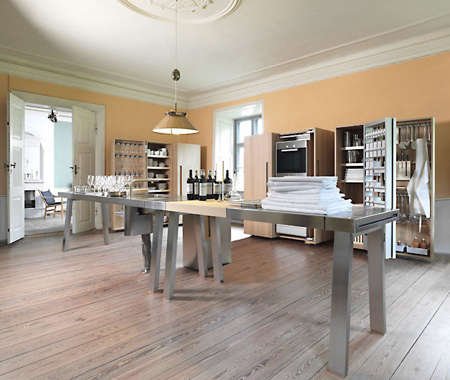
The b2 Kitchen Workbench is a freestanding kitchen workstation designed around the idea that cooking should feel natural, efficient, and enjoyable. In the broader b2 kitchen concept, the kitchen is reduced to a few essential elements: a workbench, a kitchen tool cabinet, and an appliance cabinet. This creates a “kitchen workshop” where tools, food, appliances, and prep areas are organized with clarity.
Unlike traditional fitted kitchens, which often depend on fixed walls and long cabinet runs, the b2 approach is flexible. The workbench can sit in the center of the room, allowing movement around all sides. This is especially appealing in open-plan homes where the kitchen is no longer hidden away like a secret laboratory for casseroles. Instead, it becomes part of daily living, entertaining, and family conversation.
A Workbench, Not Just an Island
A standard kitchen island usually adds counter space, storage, and seating. A b2-style workbench does more. It is planned around workflow. Washing, cutting, preparing, cooking, and serving can be arranged in a logical sequence. The goal is to reduce unnecessary movement and make cooking feel smoother. If a normal island says, “Put snacks here,” the b2 Kitchen Workbench says, “Let’s build dinner with precision and style.”
This distinction matters. A workbench is task-oriented. It borrows from the tradition of craftsmen, chefs, and makers who need tools close at hand and surfaces that support real work. That is why the b2 concept feels both modern and timeless. It is beautiful, but it is not decorative fluff. It earns its keep.
Why the b2 Kitchen Workbench Appeals to Modern Homeowners
Modern kitchens are expected to do everything. They are cooking zones, homework stations, coffee bars, wine-and-cheese landing pads, video-call backgrounds, and emotional support rooms during tax season. The b2 Kitchen Workbench fits this lifestyle because it combines flexibility, organization, and visual calm.
1. It Creates a Natural Cooking Workflow
The best kitchens reduce friction. You should not have to cross the room three times to rinse greens, chop them, and move them to a pan. A thoughtfully planned kitchen workbench keeps key actions close together. A sink, prep surface, cooktop, and serving area can be integrated or arranged nearby, depending on the layout.
This is especially useful for people who cook often. A compact but well-planned workstation can feel more efficient than a huge kitchen filled with cabinets that somehow still cannot fit the blender lid. The b2 Kitchen Workbench supports the idea that good design is not always about more space. Sometimes it is about better space.
2. It Makes the Kitchen Feel Like Furniture
One of the strongest design benefits of the b2 Kitchen Workbench is that it can look like a piece of furniture rather than built-in cabinetry. This matters in open-plan homes, lofts, apartments, and minimalist interiors where the kitchen is visible from the living area. A freestanding workbench softens the boundary between cooking and living.
Instead of a heavy block of cabinets, the room gains a sculptural centerpiece. Depending on the materials, it can feel industrial, warm, architectural, rustic, or quietly luxurious. Stainless steel offers professional energy. Wood adds warmth. Stone or composite surfaces bring durability and refinement. The magic is in the balance: practical enough for tomato sauce, elegant enough for guests.
3. It Encourages Social Cooking
A kitchen workbench naturally invites people to gather. Because it can be accessed from multiple sides, it encourages conversation while cooking. One person can chop vegetables while another opens wine, arranges plates, or provides moral support by eating cheese directly from the board. No judgment. That is technically participation.
This social quality is one reason freestanding kitchen workstations remain popular in contemporary design. Homeowners want kitchens that feel open and connected. The b2 Kitchen Workbench turns food preparation into something visible and shared rather than isolated.
Key Features of a b2-Style Kitchen Workbench
Although exact configurations vary, a b2 Kitchen Workbench typically focuses on several important features: a generous work surface, integrated functional zones, accessible storage, durable materials, and a freestanding layout.
Generous Work Surface
The work surface is the heart of the design. It needs enough room for chopping, mixing, plating, and temporarily parking items that absolutely should have been put away yesterday. A successful workbench provides uninterrupted counter space while still allowing practical features like a sink or cooktop.
For serious home cooks, surface depth matters. A shallow counter can feel cramped, especially when working with large cutting boards, baking trays, or multiple ingredients. A deeper workbench gives the cook room to spread out without turning dinner prep into a game of countertop Tetris.
Integrated Water and Cooking Zones
Many workbench concepts include a water point, such as a sink, and may also include a cooktop. This arrangement reflects the classic cooking sequence: wash, prepare, cook, serve. When these zones are planned carefully, the kitchen becomes more intuitive.
However, not every homeowner needs every function built into the workbench. Some may prefer to keep the cooktop on a perimeter counter and use the workbench for prep and gathering. Others may want a fully functional island-style station. The best layout depends on cooking habits, room size, ventilation, plumbing access, and whether the household includes someone who treats pasta night like a competitive sport.
Smart Storage Nearby
The b2 kitchen concept is famous for pairing the workbench with organized storage cabinets. The idea is simple: tools should be visible, reachable, and easy to return to their place. This is the opposite of the average junk drawer, where batteries, soy sauce packets, birthday candles, and one mysterious Allen wrench live together in uneasy peace.
Storage can include shelves, rails, inserts, knife boards, containers, spice storage, and compartments for frequently used utensils. The goal is not just to store more. It is to store better. When cooking tools are arranged clearly, the entire kitchen feels calmer.
Freestanding Flexibility
A freestanding workbench gives designers more freedom than a fully built-in kitchen. It can define zones in an open-plan room, create circulation around the workspace, and make the kitchen feel less rigid. In some homes, this flexibility also makes future updates easier. Instead of demolishing an entire wall of cabinetry, homeowners may adjust individual elements over time.
Materials: Where Beauty Meets the “Oops, I Dropped a Pan” Test
Material choice is critical for any kitchen workbench. The surface must look good, feel good, and survive daily use. Kitchens are not museums. They are places where oil splatters, lemons roll away, and someone inevitably places a hot pan exactly where they were told not to.
Stainless Steel
Stainless steel is a classic choice for professional-style workstations. It is hygienic, heat-resistant, and easy to clean. It also develops a patina over time, which some people love and others describe as “tiny scratches with confidence.” In a b2 Kitchen Workbench, stainless steel can make the design feel precise, modern, and chef-like.
Wood
Wood brings warmth and tactility. It softens modern interiors and makes a kitchen feel more inviting. Solid wood or wood accents can pair beautifully with metal, stone, or neutral cabinetry. For prep surfaces, wood requires proper care, especially around water. But when maintained well, it ages gracefully and adds character.
Stone and Engineered Surfaces
Natural stone, quartz, porcelain, and other engineered surfaces can provide durability and visual impact. These materials are often chosen for their resistance to staining, scratching, and heat, though performance varies by type. A stone-topped workbench can feel substantial and luxurious, while thinner profiles can create a cleaner contemporary look.
How to Plan a b2 Kitchen Workbench Layout
Planning a b2 Kitchen Workbench starts with lifestyle, not just measurements. Before choosing finishes, ask how the kitchen will be used every day. Is it for quick breakfasts, serious cooking, baking, entertaining, or all of the above? A beautiful workbench that ignores your habits is like a fancy pair of shoes two sizes too small: impressive, but not helpful.
Consider Clearances
Clearance around the workbench is essential. People need room to move, open appliance doors, pull out stools, and pass behind someone who is dramatically stirring risotto. In many kitchen designs, comfortable walkways around an island or workbench are a major factor in whether the space feels luxurious or cramped.
If the kitchen is small, a compact freestanding workbench or movable cart-inspired solution may work better than a large fixed island. The point is not to force a design trend into a room. The point is to improve the room.
Decide What Functions Belong on the Workbench
Some homeowners want the workbench to include a sink, cooktop, outlets, storage, seating, and maybe a small shrine to espresso. But overloading a workbench can make it less functional. The strongest designs are focused. A prep-first workbench may only need a sink, cutting area, and storage. A cooking-focused version may need a cooktop, ventilation strategy, and heat-resistant landing zones.
Choose functions based on real routines. If you bake often, prioritize uninterrupted counter space and storage for flour, bowls, and trays. If you entertain, add seating and a serving-friendly surface. If you cook daily, plan around the sink, trash, knives, cutting boards, and cooktop.
Plan Lighting Carefully
A workbench needs good lighting. Pendant lights can define the zone visually, while recessed or track lighting can provide broader illumination. Task lighting should reduce shadows on the prep surface. Nobody wants to dice an onion in moody restaurant lighting unless the onion owes them money.
b2 Kitchen Workbench vs. Traditional Kitchen Island
The difference between a b2 Kitchen Workbench and a traditional kitchen island comes down to philosophy. A traditional island is often a cabinet block with a countertop. It may include storage, seating, a sink, or appliances. A b2-style workbench is more intentional and workshop-inspired. It is designed as a central tool for cooking, not merely an extra surface.
That does not mean one is automatically better. A traditional island can be perfect for many homes. But the workbench model appeals to people who value flexibility, craft, and visual lightness. It also suits homeowners who want the kitchen to feel less like a built-in installation and more like a curated living space.
Who Should Consider a b2 Kitchen Workbench?
A b2 Kitchen Workbench is ideal for homeowners who love open, functional, design-forward kitchens. It works especially well for people who cook regularly, entertain often, or appreciate minimalist organization. It also suits lofts, modern homes, and spaces where the kitchen is visible from other rooms.
However, it may not be the best fit for everyone. If you need maximum hidden storage, prefer traditional cabinetry, or dislike maintaining open and highly organized systems, a conventional kitchen layout may be more practical. The b2 approach rewards tidiness. It does not have much patience for “I’ll put that away later,” which, as we all know, is how a single measuring spoon becomes a lifestyle.
Design Ideas Inspired by the b2 Kitchen Workbench
Create a Prep-Focused Center Station
Use the workbench as a dedicated prep zone with a large cutting surface, sink, compost bin, and knife storage nearby. This is perfect for home cooks who want an efficient command center.
Pair It With a Tall Tool Cabinet
A tall pantry or tool cabinet can support the workbench beautifully. Store spices, oils, utensils, mixing bowls, and small appliances in one organized location. When everything has a home, cooking becomes faster and less stressful.
Use Mixed Materials
Combine stainless steel with wood, or stone with warm cabinetry. Mixed materials prevent a minimalist kitchen from feeling cold. The b2 Kitchen Workbench should look refined, but it should also feel like a place where pancakes are allowed to happen.
Add Seating Without Crowding the Workspace
Seating can make the workbench more social, but it should not interfere with cooking. Consider a slight overhang, stools that tuck away, or seating on one side only. The cook deserves room to work without elbowing guests into the salad.
Common Mistakes to Avoid
Making the Workbench Too Big
Bigger is not always better. An oversized workbench can dominate the room and make movement awkward. Scale matters. The workbench should support the kitchen, not behave like it bought the house.
Ignoring Ventilation
If a cooktop is included, ventilation must be planned early. Depending on the layout, this may require overhead extraction, downdraft ventilation, or another professional solution. Good ventilation keeps the space comfortable and protects finishes.
Forgetting Electrical Needs
Modern kitchens need outlets for mixers, blenders, chargers, laptops, and the occasional emergency phone battery during recipe scrolling. Electrical planning should be safe, code-compliant, and integrated cleanly into the design.
Choosing Looks Over Daily Use
A stunning surface that stains easily may not be ideal for a busy household. A sleek layout with poor storage may become frustrating. The best b2 Kitchen Workbench design balances beauty with the messy truth of real life.
of Real-Life Experience: Living With a b2 Kitchen Workbench Mindset
Using a kitchen inspired by the b2 Kitchen Workbench changes the way you move. The biggest surprise is how much calmer cooking feels when the workspace is clear and intentional. Instead of opening five drawers to find one peeler, everything has a logical place. Knives are near the cutting area. Bowls are near the prep zone. The sink is close enough that rinsing vegetables does not become a cross-kitchen expedition.
The experience feels especially different during meal prep. Imagine making a simple dinner: roasted chicken, salad, and potatoes. On a typical counter, ingredients may spread across several surfaces. You chop herbs near the stove, rinse lettuce at the sink, carry potatoes somewhere else, and somehow the cutting board ends up balanced halfway over the edge like it is auditioning for a circus act. With a workbench-style kitchen, the process becomes more centered. You gather ingredients, work in sequence, and clean as you go.
Entertaining also becomes easier. Guests naturally gather around the workbench because it feels approachable. It is open, visible, and social. People can talk to the cook without standing in the wrong place, which is a small miracle. A guest can pour drinks on one side while someone plates appetizers on the other. The workbench becomes a stage, but not in a stressful “everyone is watching me burn garlic” way. More like a friendly cooking show where the host is allowed to wear slippers.
Another benefit is visual discipline. A b2-style workbench encourages you to own fewer, better tools. Because the concept values clarity and access, clutter becomes more obvious. That can be uncomfortable at first. You may realize you own four spatulas, three of which are emotionally attached to a drawer but not useful in any known cooking situation. Over time, the kitchen becomes leaner and more enjoyable.
Cleaning is also simpler when the design is well planned. A clear central surface is easier to wipe down than several broken-up counters. If the materials are durable and the sink is integrated thoughtfully, daily maintenance feels less annoying. Of course, no kitchen design can make someone else rinse their cereal bowl, but we remain optimistic as a species.
The main lesson from living with a b2 Kitchen Workbench mindset is that kitchen design should support rhythm. Good kitchens are not just pretty backgrounds. They help you cook, move, gather, and reset. The workbench approach respects the kitchen as a working room while still making it beautiful enough to belong in the heart of the home.
Conclusion: Is the b2 Kitchen Workbench Worth Considering?
The b2 Kitchen Workbench is more than a stylish island alternative. It is a design philosophy built around movement, order, craftsmanship, and connection. By combining essential kitchen functions into a freestanding workstation, it creates a space that feels practical, elegant, and deeply human.
For the right home, it can transform the kitchen from a collection of cabinets into a true workshop for everyday living. It supports serious cooking without looking clinical. It welcomes guests without sacrificing function. It makes organization feel natural rather than forced. And yes, it may gently shame your junk drawer into retirement.
If you want a kitchen that is flexible, refined, and designed around how people actually cook and gather, the b2 Kitchen Workbench is a powerful idea to explore. Whether you choose an authentic premium system or simply borrow the design principles, the result can be a kitchen that works harder, looks calmer, and makes daily life just a little more delicious.
Note: This article is written in original language and synthesized from reputable kitchen design, architecture, product, and home improvement references to support accurate, publication-ready content.