When a crisis hits, the first thing people usually look for is not a grand strategy document, a motivational poster, or a perfectly laminated emergency checklist. They look for another human being. A neighbor with a flashlight. A friend who answers the phone. A local volunteer who knows which shelter is open. A community leader who can say, calmly and clearly, “Here is what we know. Here is what we are doing. Here is how you can help.”
That is the heart of building community in times of crisis. Whether the challenge is a hurricane, wildfire, pandemic, economic shock, power outage, public health emergency, or neighborhood tragedy, people recover better when they are connected before disaster arrives. Community is not just a warm feeling; it is practical infrastructure. It is as real as roads, hospitals, food banks, and fire stations. The difference is that community runs on trust, shared responsibility, communication, and a thousand small acts of care that rarely make the evening news.
In everyday life, it may look like a parent group, a faith community, a senior center, a block association, a school, a mutual aid network, or even the group chat where someone always reminds everyone when trash day moves because of a holiday. During a crisis, those ordinary connections become extraordinary. They help people share accurate information, locate resources, reduce isolation, protect vulnerable neighbors, and rebuild with dignity.
This guide explores how communities become stronger in difficult times, why social connection matters, and what individuals, families, organizations, and local leaders can do before, during, and after a crisis. Spoiler alert: the best time to build community was yesterday. The second-best time is right after you finish this paragraph.
Why Community Matters During a Crisis
A crisis exposes what is already present in a community. If trust is strong, people are more likely to share information, check on each other, and cooperate. If relationships are weak, confusion spreads faster than help. Community resilience depends on more than supplies and emergency plans. It also depends on social capital, which means the networks, relationships, trust, and shared norms that help people work together.
Think of social capital as the invisible bridge between “I hope someone handles this” and “We know who to call, where to meet, and how to support one another.” It can include close personal relationships, broader neighborhood ties, and connections between residents and institutions such as schools, public health departments, nonprofits, local businesses, libraries, and emergency management offices.
Strong communities can respond faster because they do not have to introduce themselves in the middle of the storm. They already know who needs medication refrigerated, who owns a chainsaw, who can translate emergency information, who can cook for fifty people without blinking, and who should absolutely not be allowed to organize the supply closet because chaos follows them like a loyal puppy.
The Foundation: Trust Before Trouble
Trust is the currency of crisis response. Without it, even accurate information may be ignored. With it, communities can move quickly, correct rumors, and make shared decisions under pressure. Trust is built through consistency, transparency, and respect long before an emergency siren sounds.
Start With Small, Visible Actions
People do not suddenly trust a neighborhood network because it has a nice logo. They trust it because someone showed up. A community garden workday, a school supply drive, a local clean-up event, a free CPR class, or a neighborhood potluck may seem small, but these activities teach people that cooperation is normal. They create familiarity. Familiarity lowers fear.
One of the most effective ways to build community resilience is to make connection ordinary. Say hello to neighbors. Learn names. Create a phone tree. Invite people into planning conversations. Make sure renters, homeowners, older adults, young people, immigrants, people with disabilities, and people without reliable internet are included. A crisis does not check whether someone was on the original email list before affecting them.
Communicate Clearly and Often
In a crisis, silence creates a vacuum, and the internet will happily fill that vacuum with rumors, panic, and someone’s cousin’s suspiciously dramatic theory. Communities need trusted channels for clear, timely communication. These channels may include text alerts, community bulletin boards, local radio, social media, flyers, multilingual notices, public meetings, and door-to-door outreach.
Good crisis communication is simple, specific, and repeated. People need to know what happened, what action to take, where to find help, and when they will receive the next update. Messages should be accessible to people with disabilities and available in the languages commonly spoken in the community. The goal is not to sound official. The goal is to be understood.
Preparedness Is a Community Project
Personal preparedness matters. Every household should have an emergency plan, essential supplies, important documents, medication information, and a way to communicate if cell service becomes unreliable. But individual preparedness has limits. A family may have bottled water, batteries, and a first-aid kit, but they still need safe roads, reliable information, emergency services, and neighbors who notice if something is wrong.
Community preparedness brings households, local government, nonprofits, businesses, schools, and civic groups into the same conversation. It asks practical questions: Who is most at risk? Where are the gaps? Which organizations can provide food, transportation, shelter, medical support, mental health care, translation, childcare, or pet assistance? What happens if power is out for three days? What if the school becomes a shelter? What if the shelter needs volunteers who can do more than stand around holding a clipboard with confidence?
Create a Local Resource Map
A resource map helps a community understand what it already has. It can include shelters, cooling centers, clinics, pharmacies, food pantries, schools, houses of worship, community centers, transportation options, local businesses, volunteer groups, and people with useful skills. The map should also identify vulnerable areas, such as flood zones, neighborhoods with limited transportation, apartment buildings with many older residents, or areas with limited broadband access.
This does not need to be complicated. A shared spreadsheet, printed directory, or community binder can be a powerful tool if it is accurate and updated. The point is to avoid discovering essential information at the worst possible moment, while everyone is stressed, tired, and trying to remember where the extension cords went.
Build Teams, Not Heroes
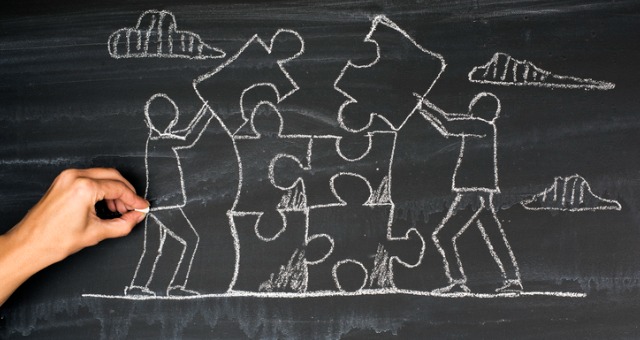
Every community has natural helpers, but relying on one heroic person is risky. That person may be unavailable, overwhelmed, or finally taking a nap after organizing everything for three years straight. Sustainable community building requires teams. Create roles for communication, supply coordination, wellness checks, transportation support, volunteer management, childcare, food distribution, and cleanup.
Programs such as Community Emergency Response Team training show how ordinary residents can learn basic disaster response skills, including safety, organization, and light response support. Even without formal training, communities can prepare volunteers by assigning clear responsibilities and practicing simple scenarios. The goal is not to replace professional responders. The goal is to support them and take care of one another until more help arrives.
Inclusion Is Not Optional
A community is only resilient if its most vulnerable members are included. During crises, people with disabilities, older adults, low-income families, people experiencing homelessness, immigrants, caregivers, people with chronic illnesses, and those without transportation may face higher risks. If planning only reflects the needs of the loudest or most connected residents, the community will leave people behind.
Inclusive crisis planning means asking people what they need instead of guessing. It means making meetings accessible, providing translation, offering childcare when possible, and partnering with organizations that already serve vulnerable groups. It also means respecting lived experience. A person who uses a wheelchair understands evacuation barriers better than a committee that has only discussed them in theory. A single parent working two jobs understands time scarcity better than any spreadsheet ever will.
Design for Real Life
Community plans should work for real people on real days. Not everyone can attend a Tuesday meeting at 2 p.m. Not everyone has a car. Not everyone can store two weeks of supplies. Not everyone can read a long emergency document written in government language with the emotional warmth of a tax form.
Designing for real life means offering flexible ways to participate. Use plain language. Create visual guides. Provide printed materials. Make room for people who are not comfortable speaking in public. Partner with trusted messengers, such as teachers, health workers, clergy, barbers, librarians, tenant leaders, youth mentors, and local business owners. In a crisis, people often turn first to those they already know.
The Role of Mutual Aid
Mutual aid is community care in action. It happens when people share resources directly with one another, often outside formal systems. During crises, mutual aid may look like grocery delivery for older adults, rides to medical appointments, shared childcare, emergency fundraising, neighborhood meal distribution, or volunteers translating public health updates.
Mutual aid works because it is fast, local, and relationship-based. It does not ask, “Are you eligible according to page seven of this form?” before offering help. It asks, “What do you need, and who nearby can help?” That speed can be lifesaving, especially in the early phase of a disaster when formal assistance may be delayed.
However, mutual aid should not be romanticized as a replacement for public systems. Communities need reliable emergency services, strong public health infrastructure, affordable housing, accessible healthcare, and disaster recovery funding. Mutual aid is most powerful when it complements formal support, fills gaps, and keeps human dignity at the center.
Mental Health and Emotional Recovery
Crisis does not end when the water recedes, the fire is contained, the infection rates fall, or the power comes back on. Emotional recovery often takes longer. People may experience grief, anxiety, anger, exhaustion, survivor’s guilt, or numbness. Children may act out. Parents may feel stretched thin. First responders and volunteers may carry invisible stress after the emergency phase ends.
Building community in times of crisis means making space for emotional care. This can include peer support groups, community listening sessions, school-based counseling, grief circles, faith-based care, mental health referrals, and simple check-ins. Sometimes the most healing sentence is not complicated: “I’m glad you’re here. You don’t have to handle this alone.”
Normalize Asking for Help
In many communities, people are praised for being strong, which can accidentally make them feel ashamed when they are struggling. Real strength includes knowing when to ask for support. Leaders can help by speaking openly about stress, sharing mental health resources, and encouraging rest for volunteers and caregivers.
Community care also includes practical relief. A hot meal, a ride, help filling out forms, a quiet place to sit, or someone watching the kids for an hour can reduce emotional strain. Mental health support is not only therapy, although therapy matters. It is also the daily network of care that tells people they have not been forgotten.
Local Institutions as Anchors
Strong communities often have anchor institutions: schools, libraries, clinics, community centers, local governments, nonprofits, houses of worship, and small businesses that people recognize and trust. These places can become hubs for information, supplies, cooling or warming centers, volunteer coordination, and emotional support.
Libraries, for example, are more than buildings with books and impressively patient staff. They often provide internet access, public information, meeting space, and a sense of normalcy. Schools can distribute meals and connect families with services. Faith communities can mobilize volunteers and provide spiritual care. Local businesses can donate supplies, share updates, or help restore economic activity after a crisis.
The key is coordination. When institutions work in isolation, efforts overlap while needs go unmet. When they communicate, they can divide responsibilities, share resources, and avoid exhausting the same volunteers. A well-coordinated community is like a good kitchen during a holiday meal: everyone has a job, someone knows where the serving spoons are, and nobody is pretending that twelve people need to stir the gravy.
Digital Tools Help, but Relationships Lead
Technology can strengthen crisis response. Group chats, neighborhood apps, online fundraisers, shared maps, video meetings, and text alerts can move information quickly. Digital tools can help organize volunteers, identify needs, and connect people who might otherwise remain isolated.
But technology cannot replace relationships. Not everyone has reliable internet, a smartphone, digital literacy, or trust in online platforms. Online spaces can also spread misinformation quickly. The strongest communities use digital tools as one layer of communication, not the whole plan.
A balanced approach includes both high-tech and low-tech methods: texts and printed flyers, online maps and door knocking, social media updates and phone calls, livestreamed meetings and in-person outreach. The message should be simple: no one should be excluded because they are not on the right app.
After the Crisis: Recovery Is a Long Road
The recovery phase can be harder than the emergency itself. At first, attention is high. Volunteers arrive. Donations come in. Cameras show up. Then the headlines move on, but families are still repairing homes, replacing documents, grieving losses, fighting insurance battles, navigating assistance programs, and trying to return to normal when normal has packed a suitcase and left town.
Long-term recovery requires patience, coordination, and fairness. Communities need systems for case management, rebuilding support, mental health care, financial assistance, legal aid, and continued communication. They also need rituals of remembrance and renewal. A community meal, anniversary gathering, public art project, or rebuilding day can help people mark what happened while moving forward together.
Turn Lessons Into Action
After a crisis, communities should ask honest questions. What worked? What failed? Who was left out? Which messages were confusing? Which partnerships were strong? Which resources ran out? This review should not become a blame festival with snacks. It should become a learning process that leads to better plans, stronger relationships, and clearer responsibilities.
Communities that learn from crisis become more prepared for the next one. They update contact lists, improve evacuation plans, expand volunteer training, strengthen local partnerships, and invest in resilience hubs or community centers that serve people year-round. The goal is not to wait for disaster to prove the community matters. The goal is to make community visible every day.
Practical Ways to Build Community Now
Building community does not require a huge budget or a committee name that sounds like it was invented during a very long meeting. It starts with practical steps that make connection easier.
For Individuals and Families
Learn your neighbors’ names. Share contact information with people you trust. Make a household emergency plan. Keep basic supplies. Ask older neighbors or people with health needs whether they have support during outages or severe weather. Join a local volunteer group. Attend community meetings. Offer a skill, whether it is cooking, translation, organizing, childcare, first aid, transportation, or simply being the person who stays calm when everyone else is panic-Googling.
For Community Organizations
Create a contact list for members. Identify who may need extra help during emergencies. Partner with local agencies before a crisis. Host preparedness workshops. Offer space for meetings, supply storage, or resource distribution. Train volunteers and rotate leadership so responsibilities do not fall on the same three people forever.
For Local Leaders
Invest in social infrastructure, including parks, libraries, community centers, safe public spaces, and programs that bring people together. Support multilingual communication. Include residents in planning. Build relationships with trusted community messengers. Fund resilience work before disaster strikes. Measure success not only by response time, but by how well residents understand, trust, and participate in the plan.
Experiences and Lessons From Building Community in Times of Crisis
One of the clearest lessons from real crises is that people remember who showed up. They may forget the exact wording of an official announcement, but they remember the neighbor who knocked on the door after the power went out. They remember the teacher who called every family in the class. They remember the volunteer who helped them fill out a confusing form. They remember the restaurant owner who cooked meals for first responders and displaced families. In crisis, memory attaches itself to care.
In many neighborhoods, the first stage of community building begins with a simple check-in. During a heat wave, someone organizes calls to older adults. During a winter storm, neighbors ask who has heat and who needs blankets. During a public health emergency, volunteers deliver groceries to families in quarantine. None of these actions require a perfect system. They require attention, coordination, and the belief that other people’s safety is partly our business.
Another common experience is that informal leaders emerge quickly. These are not always the people with official titles. Sometimes the most effective leader is the apartment resident who knows everyone on the third floor, the high school student who can build a shared online form in ten minutes, the retired nurse who explains health guidance in plain English, or the barber who hears everything and can correct rumors before they grow legs. Smart communities recognize these trusted voices and invite them into planning instead of treating leadership as a closed room.
Crisis also teaches humility. A community may discover that its emergency plan missed people without cars, families with pets, residents who speak languages other than English, or workers who cannot leave their jobs easily. These gaps are uncomfortable, but they are useful if people are willing to learn from them. The best communities do not pretend they handled everything perfectly. They listen, adjust, and improve.
There is also the emotional experience of helping. Volunteers often begin with adrenaline and goodwill, then run into fatigue. Community care must include care for the caregivers. Rotating shifts, offering meals, encouraging rest, and saying thank you matter more than people realize. A burned-out volunteer network is not a badge of honor. It is a warning light on the dashboard.
Perhaps the most powerful experience is the shift from charity to solidarity. Charity says, “I help you because you are in need.” Solidarity says, “Your well-being and mine are connected.” That shift changes everything. It allows people to receive help without shame and offer help without superiority. It creates a culture where today’s volunteer may be tomorrow’s person in need, and both roles are treated with dignity.
After a crisis, communities often find that the relationships built under pressure continue. The group chat becomes a neighborhood network. The emergency supply team becomes a monthly volunteer crew. The school meal distribution partnership becomes a broader family support program. The temporary cooling center becomes a year-round resilience hub. In other words, crisis can reveal the blueprint for a stronger future.
The experience of building community in hard times is rarely tidy. There will be confusion, personality clashes, missing supplies, awkward meetings, and at least one person who brings doughnuts when what everyone needed was extension cords. But imperfection is not failure. The real failure is isolation. A connected community can learn, adapt, repair, and keep going.
In the end, building community in times of crisis is not about creating a flawless emergency machine. It is about creating relationships strong enough to carry people through uncertainty. It is about making sure the quietest residents are seen, the most vulnerable are protected, and the helpers are supported. It is about turning “someone should do something” into “we know what to do next.”
Conclusion: Community Is the Crisis Plan We Build Together
Crises test communities, but they also reveal their hidden strength. The most resilient places are not always the wealthiest or the loudest. They are the places where people know one another, trust local messengers, share resources, include vulnerable neighbors, and practice cooperation before life gets messy.
Building community in times of crisis begins with small, steady actions: a phone tree, a shared meal, a preparedness meeting, a volunteer list, a translated flyer, a wellness check, a listening session, a ride offered, a rumor corrected, a neighbor remembered. These actions may look ordinary, but together they form the social infrastructure that helps people survive and recover.
No community can prevent every crisis. But every community can decide not to face crisis as a collection of strangers. When people prepare together, communicate honestly, and care across differences, they build something stronger than an emergency plan. They build belonging. And in difficult times, belonging can be as essential as bread, batteries, and a phone charger that actually works.