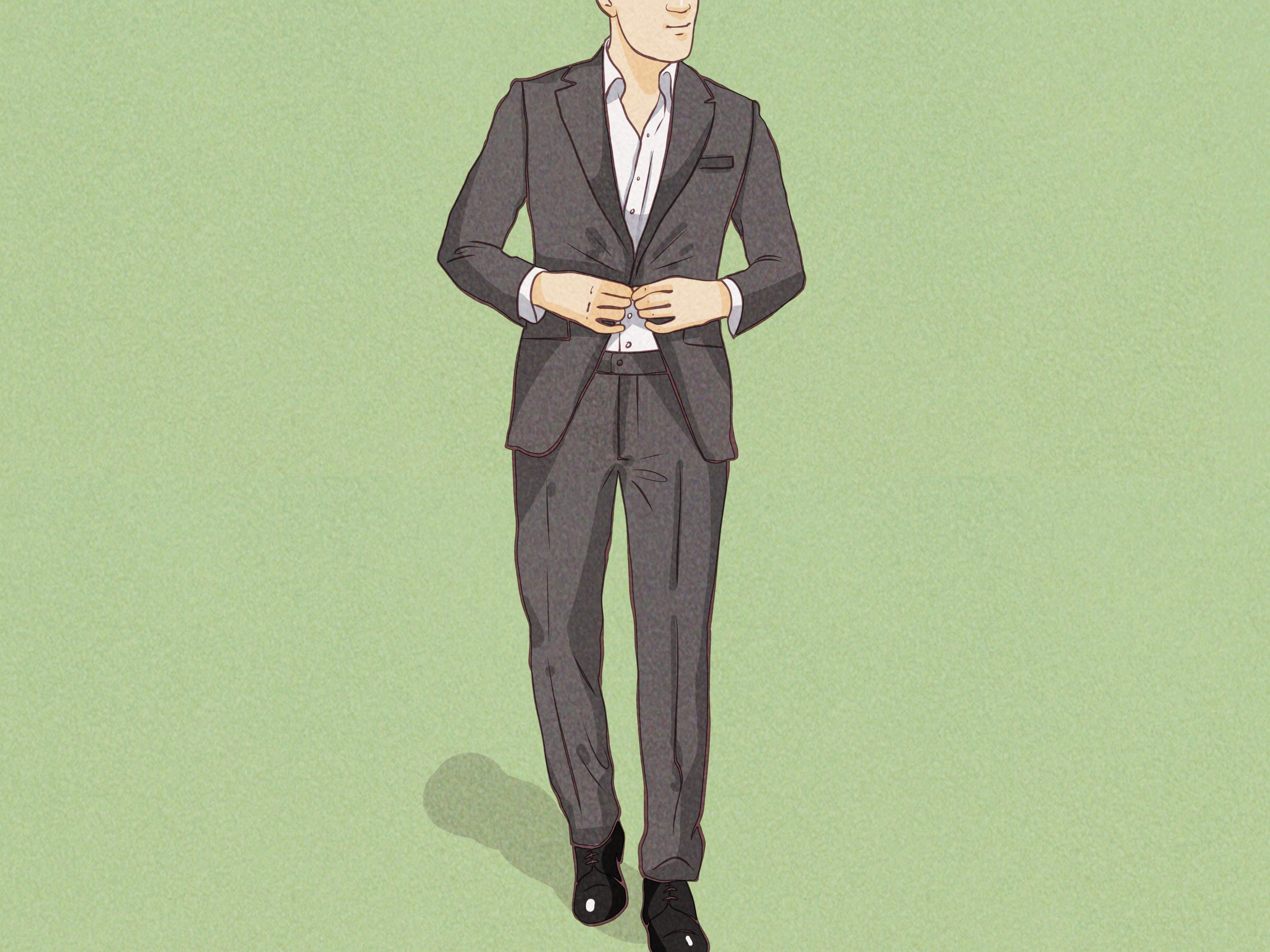
Being stylish is not about owning a closet so large it requires its own ZIP code. It is not about chasing every micro-trend, buying the shoes everyone on social media suddenly “needs,” or dressing like you are permanently on your way to a fashion week street-style photo pit. Real style is simpler, smarter, and much more personal. It is the art of looking intentional without looking like you needed a full committee meeting to choose your socks.
The good news? Anyone can become more stylish. Style is a skill, not a mysterious gene passed down only to people who know how to pronounce “chic” with dramatic emotional weight. It comes from understanding fit, color, proportion, grooming, wardrobe basics, accessories, confidence, and the tiny details that make an outfit feel finished. Below are 21 practical ways to be stylish, whether you are rebuilding your closet from scratch or simply trying to stop wearing the same “emergency hoodie” three days in a row.
How to Be Stylish Without Losing Your Personality
1. Define Your Personal Style First
Before buying anything new, figure out what you actually like. Save outfit photos, notice which colors you wear most, and pay attention to the clothes that make you feel comfortable, attractive, and capable. Personal style should reflect your lifestyle, not someone else’s vacation wardrobe. If you work in an office, walk a lot, attend casual dinners, or spend weekends outdoors, your clothes should support that reality. A stylish wardrobe starts with self-awareness, not panic shopping.
2. Build a Wardrobe Around Quality Basics
Stylish people usually have dependable basics: a crisp white shirt, great jeans, tailored trousers, simple T-shirts, a versatile blazer, comfortable shoes, and a jacket that makes even a lazy outfit look planned. These pieces are the “rice and beans” of fashionnot always flashy, but absolutely necessary. Choose basics in colors and cuts you can mix easily. When the foundation is strong, getting dressed becomes less like solving a puzzle and more like making toast.
3. Prioritize Fit Over Brand Names
A $30 shirt that fits well often looks better than a designer shirt that hangs like a confused curtain. Fit is one of the fastest ways to look polished. Shoulders should sit correctly, sleeves should not swallow your hands, pants should skim rather than strangle, and waistbands should stay put without requiring emotional support. When in doubt, visit a tailor. Hemming pants, shortening sleeves, or taking in a blazer can turn “almost right” into “where did you get that?”
4. Learn the Power of Proportion
Proportion is the secret sauce of outfit styling. If you wear a loose top, try a slimmer bottom. If your pants are wide-leg, balance them with a fitted tank, tucked shirt, or cropped jacket. Oversized pieces can look elegant when they are balanced; they look accidental when everything is huge at once. Think of your outfit like a visual conversation. One piece can talk loudly, but if every piece is shouting, the room gets awkward.
5. Choose a Color Palette That Works for You
A stylish closet does not need every color known to humanity. Start with a base paletteblack, navy, gray, white, cream, beige, denim, brown, or olivethen add accent colors you genuinely love. A consistent color palette makes mixing outfits easier and helps your wardrobe look more expensive. If bright red makes you feel unstoppable, use it. If pastels make you look like a tired cupcake, skip them. Style is allowed to be selective.
6. Master Monochrome Dressing
Wearing one color or one color family from head to toe is one of the easiest ways to look elegant. An all-black outfit can feel sleek, all-white can look fresh, and tonal beige, gray, denim, or brown can feel modern and relaxed. The trick is mixing textures so the outfit has depth: cotton with leather, wool with silk, denim with knitwear, or linen with structured accessories. Monochrome dressing says, “I planned this,” even if you got dressed in seven minutes.
7. Invest in Great Shoes
Shoes can rescue or ruin an outfit. Clean sneakers, classic loafers, ankle boots, ballet flats, sleek sandals, or polished dress shoes instantly affect the overall mood. You do not need dozens of pairs; you need the right pairs for your life. Keep them clean, replace worn laces, polish leather, and repair soles when possible. Stylish shoes whisper. Dirty, collapsing shoes screamand usually not in a charming way.
8. Use Accessories With Intention
Accessories are small but mighty. A belt can define your waist, a watch can add polish, sunglasses can give mystery, and jewelry can turn a plain outfit into something memorable. Scarves, structured bags, hats, and layered necklaces are especially useful because they add personality without requiring a full wardrobe overhaul. The key is intention. One strong accessory often works better than wearing every shiny object you own like a fashionable pirate.
9. Keep Your Clothes in Excellent Condition
Wrinkled, faded, stretched, pilled, or stained clothing makes even a good outfit look tired. Read care labels, wash similar colors together, use cooler cycles when appropriate, and avoid over-drying delicate fabrics. Steam or iron pieces that need structure. Use a lint roller. Remove pills from sweaters. Hang coats properly. Style is not just about buying clothes; it is about maintaining them. Your wardrobe should look loved, not like it survived a small household tornado.
10. Organize Your Closet So You Can Actually See It
A stylish wardrobe is much easier to use when your closet is not a textile jungle. Group clothing by category, then by color if helpful. Keep your most-worn items visible and accessible. Store off-season clothing separately. Donate or sell pieces that no longer fit your body, lifestyle, or taste. When you can see what you own, you create better outfits and buy fewer duplicates. No one needs five nearly identical black tops hiding in different corners like fashion goblins.
11. Create Outfit Formulas
An outfit formula is a repeatable combination that works for you. For example: blazer + T-shirt + jeans + loafers. Or midi skirt + fitted knit + boots. Or wide-leg trousers + tank + oversized shirt + sandals. Formulas remove daily decision fatigue while still leaving room for creativity. Stylish people often repeat silhouettes; they just vary colors, textures, and accessories. Repetition is not boring when the result consistently looks good.
12. Add One Interesting Detail
A stylish outfit often has one detail that makes it memorable: a silk scarf tied on a bag, a bold cuff bracelet, a sharp collar, a printed sock, red lipstick, a vintage belt, a textured jacket, or an unexpected color combination. The detail should feel natural, not like you stapled personality onto your outfit at the last minute. Think of it as seasoning. You want flavor, not a tragic salt incident.
13. Mix High and Low Pieces
You do not need an expensive wardrobe to look stylish. Pair affordable basics with one elevated item, such as a tailored coat, quality shoes, a leather belt, or a structured bag. A thrifted blazer can look amazing with modern denim. A simple T-shirt can feel chic under a strong jacket. Mixing high and low keeps your look practical, personal, and financially sane. Looking stylish should not require eating instant noodles for six months.
14. Dress for the Occasion
Stylish people understand context. A beach wedding, job interview, dinner date, school presentation, and airport trip all require different style choices. Dressing well means respecting the setting while still expressing yourself. When unsure, aim slightly more polished than expected. Being overdressed by 10 percent usually reads as elegant. Being underdressed by 40 percent reads as “I forgot this event was happening.”
15. Pay Attention to Grooming
Style includes more than clothing. Hair, nails, skin, fragrance, posture, and general neatness all influence how polished you appear. You do not need a complicated beauty routine or a bathroom shelf that looks like a laboratory. Just keep things clean, intentional, and maintained. A great outfit paired with unbrushed hair and a coffee-stained sleeve sends mixed messages, like a luxury hotel with a raccoon in the lobby.
16. Understand the Value of Tailoring
Tailoring is not only for suits. Casual pants, dresses, jackets, shirts, skirts, and even vintage pieces can benefit from small adjustments. Shortening a hem, refining a waist, or adjusting sleeve length can make clothing look custom. This is especially useful if your body does not match standard sizing charts, which were apparently designed by people who believe humans come in exactly five shapes. Tailoring helps your clothes fit your body, not the other way around.
17. Shop Less, But Shop Smarter
Impulse buys create clutter, not style. Before purchasing something, ask: Can I wear this at least three ways? Does it fit my current wardrobe? Is it comfortable? Does it solve a real style need? Would I still want it if it were not trending? Shopping smarter means choosing pieces with versatility, quality, and emotional staying power. The most stylish item is often the one you actually wear, not the one waiting for an imaginary lifestyle involving yachts and perfect lighting.
18. Experiment With Trends Carefully
Trends can be fun, but they should never bully your closet. Try them through accessories, colors, shoes, or inexpensive pieces before committing. If a trend fits your style, keep it. If it makes you feel like you are wearing a costume, release it back into the algorithm where it belongs. The goal is to look current without becoming a walking trend report. Personal style should be the main character; trends are supporting actors.
19. Develop a Signature Element
A signature element makes your style recognizable. It could be gold hoops, crisp button-downs, colorful sneakers, tailored jackets, red nails, vintage watches, silk scarves, black dresses, statement glasses, or perfectly cuffed jeans. A signature does not mean wearing the same outfit forever. It means creating a visual thread that feels like you. Think of it as your style autograph, but less likely to end up on a receipt.
20. Dress With Confidence
Confidence changes how clothes look. The same outfit can appear awkward or amazing depending on how you carry yourself. Stand tall, move comfortably, and choose clothing that does not require constant adjusting. If you spend the whole day tugging, pulling, smoothing, and negotiating with your outfit, it is not serving you. Stylish dressing should make you feel more like yourself, not like you are trapped in a fabric-based obstacle course.
21. Make Style a Daily Practice
Being stylish is not a one-time makeover. It is a daily habit of noticing, editing, caring, combining, and refining. Take photos of outfits you like. Repeat what works. Learn from what does not. Try new combinations from your own closet before buying more. Over time, your style becomes easier, sharper, and more authentic. The goal is not perfection. The goal is to get dressed in a way that makes ordinary days feel a little more intentional.
Common Style Mistakes to Avoid
One of the biggest style mistakes is buying clothes for a fantasy version of your life. If you rarely attend formal events, you probably do not need eight dramatic gowns. If you hate ironing, maybe skip the linen shirt that wrinkles when someone merely whispers near it. Another mistake is keeping clothes that make you feel guilty. Expensive mistakes, old sizes, and “maybe someday” pieces take up mental and physical space. A stylish wardrobe should support your present life.
Another common issue is ignoring comfort. Stylish does not mean suffering. Shoes that hurt, waistbands that dig, fabrics that itch, or tops that require constant adjustment will never help you feel confident. Comfort and polish can coexist beautifully. Look for breathable fabrics, flexible fits, supportive shoes, and cuts that let you move like a human instead of a display mannequin with errands.
Experience-Based Style Advice: What Actually Works in Real Life
After observing how people build better wardrobes, one lesson becomes obvious: style improves fastest when people stop trying to transform overnight. The most successful style upgrades usually begin with small, repeatable changes. Someone starts by replacing worn-out shoes, then learns to tuck shirts better, then gets pants hemmed, then notices which colors earn compliments. Before long, their outfits look more polishednot because they became a different person, but because they started paying attention.
A practical experience many stylish people share is the “closet reality check.” Pull everything out and create three piles: wear often, rarely wear, and never wear. The “wear often” pile reveals your true style more honestly than any mood board. Maybe you discover you love soft neutrals, straight-leg jeans, black boots, and oversized shirts. Maybe you notice you buy bright prints but always reach for solids. This is not failure; this is useful data. Your closet is basically giving you a performance review, minus the awkward conference room.
Another real-life strategy is building outfits before you need them. Try on combinations on a quiet evening, not 12 minutes before leaving the house. Take mirror photos of outfits that work: casual lunch, office day, dinner, travel, date night, weekend errands. This creates a personal outfit library. On busy mornings, you can copy your own successful looks instead of standing in front of your closet whispering, “Why are you like this?”
People also become more stylish when they learn the difference between admiration and ownership. You can admire someone’s leather trench coat, neon heels, or dramatic wide-brim hat without needing to buy it. Inspiration is not instruction. The stylish choice is the one that fits your life, your body, your budget, and your personality. This mindset prevents trend regret and helps you create a wardrobe that feels authentic rather than borrowed from someone else’s highlight reel.
One underrated experience is wearing an outfit for a full day before deciding it is a winner. Some clothes look great for five minutes and become deeply annoying by lunch. A shirt might wrinkle aggressively, shoes might rub, or pants might require constant pulling. True style survives real life: sitting, walking, commuting, eating, working, laughing, and occasionally spilling coffee because adulthood is glamorous like that. If an outfit looks good and feels good after several hours, it deserves a place in regular rotation.
Finally, stylish people usually develop patience. They do not build perfect wardrobes in one shopping trip. They replace weak pieces slowly, learn which brands fit them well, visit tailors, care for fabrics, and repeat combinations that make them feel confident. Style becomes less about impressing strangers and more about moving through the world with ease. The best compliment is not always “That outfit is trendy.” Sometimes it is “You look like yourself.” That is when style becomes powerful.
Conclusion
Being stylish is not about perfection, wealth, or following every trend before your coffee gets cold. It is about choosing clothes with intention, understanding what flatters and supports you, caring for what you own, and adding personality in ways that feel natural. Start with fit, build reliable basics, organize your closet, use accessories wisely, and let confidence do its very important job. When your wardrobe reflects your real life and your real taste, style stops feeling complicated. It becomes a daily tool for showing up as the best-dressed version of yourselfeven on a Tuesday.
SEO Tags
Note: This article is written in original American English and synthesizes practical style guidance from reputable fashion, lifestyle, wardrobe, and clothing-care sources without duplicating source text.