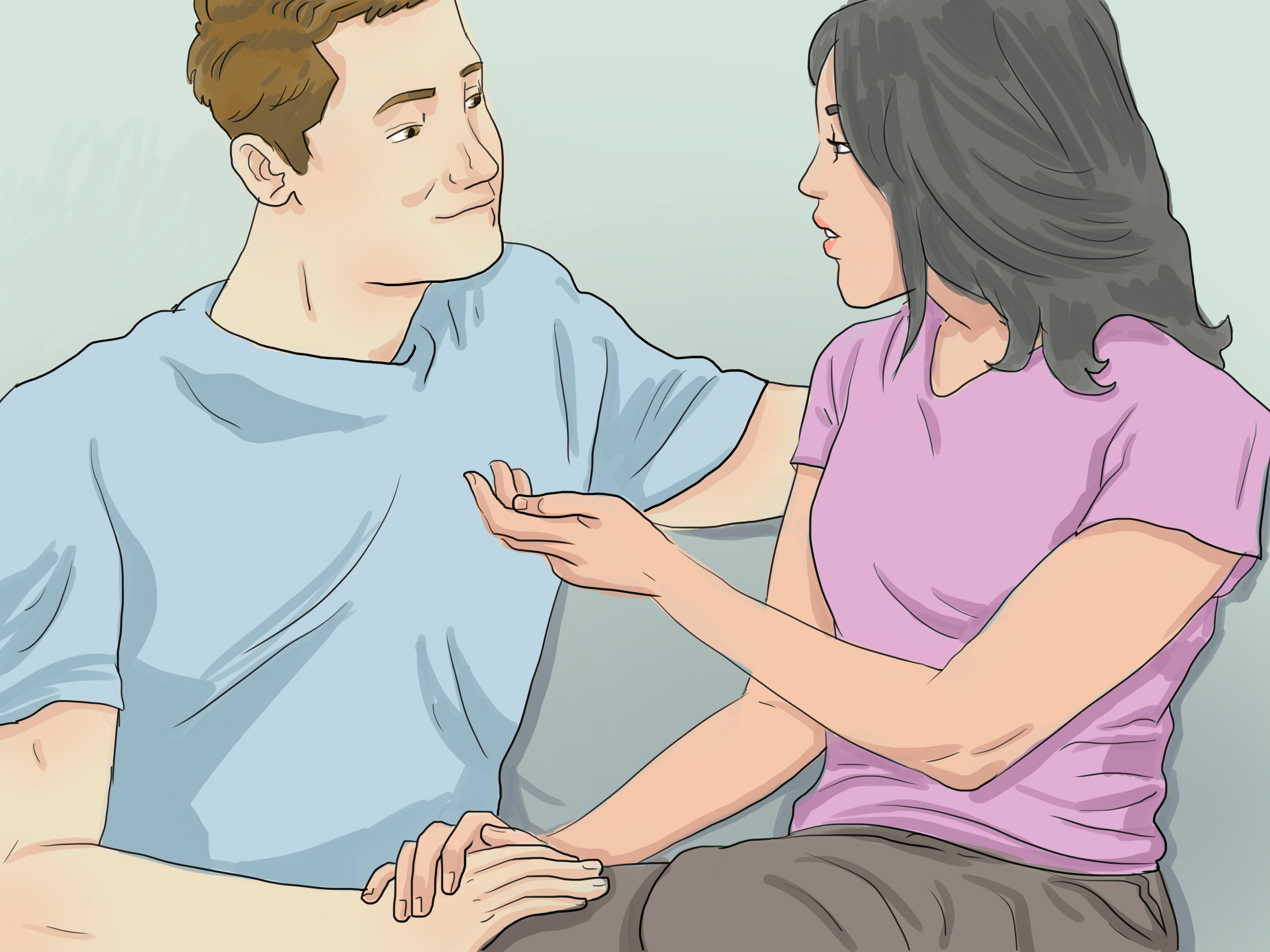
Some people walk into a room and instantly seem easy to talk to. Others may be kind, thoughtful, and secretly hilarious, yet still give off a “please contact my assistant” energy without meaning to. Being approachable is not about becoming louder, more extroverted, or turning into a human welcome mat. It is about sending clearer signals that say, “I am open, respectful, and safe to talk to.”
The good news? Approachability is a skill. Like making decent coffee or learning not to reply “you too” when a waiter says “enjoy your meal,” it improves with awareness and practice. Whether you want better relationships at work, easier conversations with friends, stronger first impressions, or more natural networking moments, learning how to be more approachable can change how people experience you.
At its core, approachability combines three things: open body language, active listening, and warm communication habits. These small behaviors help other people feel noticed, respected, and comfortable. They also reduce the chance that your quiet focus, serious thinking face, or busy posture will be mistaken for disinterest. Let’s look at three practical ways to be more approachable without pretending to be someone you are not.
What Does It Mean to Be Approachable?
Being approachable means people feel comfortable starting a conversation with you, asking a question, sharing an idea, or simply standing near you without feeling like they accidentally entered a courtroom. An approachable person appears friendly, open, attentive, and emotionally available. That does not mean they are always cheerful or constantly available. Healthy boundaries matter. Approachability is warmth plus clarity, not unlimited access.
In daily life, people often decide whether someone is approachable before a single word is spoken. Facial expressions, posture, eye contact, tone of voice, and attention all send messages. If your arms are crossed, your eyes are locked on your phone, and your face looks like you are mentally reviewing tax documents, people may assume you do not want to be bothered. You might simply be tired, but your nonverbal communication is already doing public relations without your permission.
Approachability matters because social connection is built through small moments. A smile in the hallway, a thoughtful question, a calm response, or a simple “How’s your day going?” can make interactions easier. In workplaces, approachable people often encourage better teamwork because others feel safer bringing up questions and ideas. In friendships, approachability helps people open up. In dating, it prevents your “mysterious” look from being interpreted as “possibly judging my shoe choice.”
1. Use Open Body Language Before You Say a Word
Your body speaks before your mouth gets the microphone. Open body language is one of the quickest ways to look more approachable because it gives others visual permission to engage. This does not require dramatic gestures or a permanent customer-service smile. It means aligning your physical cues with friendliness and attention.
Relax Your Face and Let Warmth Show
A relaxed facial expression can make a big difference. Many people have a neutral face that looks more intense than they realize. You may be thinking about lunch, but your face may be saying, “I know what you did in accounting.” A small, genuine smile can soften that impression. It does not need to be huge. In fact, forced smiling can feel awkward. Aim for natural warmth: relaxed eyes, a slight smile, and an expression that suggests you are present rather than silently preparing a debate speech.
When greeting someone, pair your smile with a simple acknowledgment. “Good morning,” “Nice to see you,” or “Hey, how are you?” can turn a neutral moment into an inviting one. The key is consistency. If you only smile after someone has already worked up the courage to speak, your face may still be missing the opening act.
Keep Your Posture Open
Open posture usually means uncrossed arms, shoulders relaxed, and your torso angled toward the person or group. You do not need to stand like a motivational speaker on a conference stage. Just avoid physical barriers that make you seem closed off, such as clutching a bag to your chest, turning your body away, staring down, or hiding behind a laptop during a conversation.
In group settings, small adjustments can signal inclusion. Turn slightly toward the person speaking. Leave enough space for someone to join the circle. Nod occasionally to show that you are following along. If you are sitting, avoid sinking so far into your chair that you look like you are trying to disappear into the furniture. Comfortable presence is the goal.
Use Eye Contact Without Turning It Into a Staring Contest
Good eye contact helps people feel seen, but too much can feel intense. Think “interested human,” not “security camera.” Look at the person when they are speaking, glance away naturally, then return your attention. If direct eye contact feels uncomfortable, focus near the person’s eyes or on their face in a relaxed way.
Eye contact is also culturally and situationally sensitive. Some people may avoid eye contact because of anxiety, personality, culture, neurodivergence, or respect norms. Being approachable means noticing comfort levels and adjusting. The goal is not to follow a rigid formula; it is to communicate interest without pressure.
Make Yourself Physically Accessible
Sometimes approachability is practical. If you always wear headphones, type while people talk, or walk through the office like you are late for a movie chase scene, others may assume you are unavailable. When you want to invite conversation, remove unnecessary barriers. Put your phone face down. Take out one earbud. Pause before rushing away. Look up when someone enters the room.
This does not mean being available every second. If you are busy, you can still be approachable by being clear: “I’m finishing something right now, but I’d be happy to talk at 2.” That sentence is much warmer than a distracted nod while your soul remains inside a spreadsheet.
2. Listen in a Way That Makes People Feel Heard
If open body language gets people to approach you, active listening makes them glad they did. Many people listen just long enough to prepare their next sentence. True listening is different. It shows curiosity, patience, and respect. It tells the other person, “Your thoughts matter here.”
Give Your Full Attention
One of the easiest ways to be more approachable is also one of the hardest in modern life: stop multitasking during conversations. A phone on the table, constant screen-checking, or scanning the room while someone speaks can make people feel like a loading page in your life. Full attention does not require a long conversation. Even thirty focused seconds can feel better than five distracted minutes.
When someone talks to you, pause what you are doing when possible. Face them. Listen to their words, tone, and body language. If you cannot give attention immediately, say so kindly: “I want to hear this properly. Can I come find you after I finish this email?” That response protects your focus while still showing respect.
Ask Better Questions
Approachable people are often good question-askers. They do not interrogate; they invite. Instead of asking only yes-or-no questions, use open-ended prompts such as “What happened next?” “How did you feel about that?” “What are you thinking of doing?” or “What would be most helpful right now?”
Good questions show interest without taking control. They also help conversations become more meaningful. For example, if a coworker says, “This project is a mess,” an unapproachable response might be, “Well, that’s how it goes.” A more approachable response would be, “What part is causing the biggest headache?” The first shuts the door. The second opens it and even turns on the porch light.
Reflect and Validate
Reflection means briefly summarizing what you heard. Validation means acknowledging the feeling or difficulty behind it. You might say, “So you’re frustrated because the deadline changed again,” or “That sounds exhausting, especially after you already planned your week.” These simple responses help people feel understood.
Validation does not mean you agree with everything someone says. It means you recognize their experience. You can validate a feeling while still keeping perspective. For instance: “I can see why that felt unfair. Let’s look at what options you have now.” That approach is supportive without becoming dramatic or dismissive.
Do Not Rush to Fix Everything
Many well-meaning people become less approachable because they jump into advice mode too quickly. Someone shares a problem, and within seconds they are handed a three-step action plan, a podcast recommendation, and a motivational quote that should probably be illegal before breakfast. Advice can be useful, but timing matters.
Before giving solutions, ask, “Do you want advice, or do you just need me to listen?” This one question can save friendships, meetings, marriages, and possibly group chats. Sometimes people need help solving a problem. Other times they need space to say, “This is hard,” and hear, “I get why.”
3. Create Low-Pressure Invitations for Connection
Approachable people make it easy for others to connect. They offer small openings that do not demand too much. These invitations can be verbal, emotional, or practical. They help people know that conversation is welcome, but they do not trap anyone in a social obligation.
Use Friendly Everyday Language
The words you choose can make you seem open or closed. Short, sharp replies may be efficient, but they can also sound cold. Compare “Fine” with “I’m doing well, thanks. How about you?” The second option is not a novel; it is just a bridge. Friendly language gives people something to respond to.
At work, approachable language often includes phrases like “What do you think?” “I’m open to ideas,” “Thanks for bringing that up,” and “Let’s figure it out.” These phrases reduce fear and encourage participation. In personal life, small comments like “That sounds interesting,” “Tell me more,” or “I’ve never thought of it that way” can keep conversations alive without forcing them.
Share a Little About Yourself
People often feel more comfortable approaching someone who seems human. You do not need to reveal your deepest secrets or begin every meeting with a dramatic monologue. Small, appropriate self-disclosure can create connection. Mention that you are trying a new recipe, training for a 5K, learning a language, or recovering emotionally from assembling furniture.
Sharing a little gives others a doorway. Someone may discover a common interest or feel safer sharing something about themselves. The key is balance. If you share nothing, people may struggle to connect. If you share everything, they may start checking for exits. A little warmth goes a long way.
Be Consistent and Reliable
Approachability is not only about first impressions. It is built through repeated experiences. If you are warm one day and icy the next, people may hesitate to approach because they do not know which version of you is on duty. Everyone has moods, of course. The goal is not constant cheerfulness; it is basic steadiness.
Reliability also means following through. If you say, “Send me the idea,” read it. If you say, “Let’s talk later,” make time. If someone trusted you with a concern, do not turn it into break-room entertainment. Trust is the foundation of approachability. Without it, friendliness becomes decoration.
Respect Boundaries, Including Your Own
Here is the plot twist: being more approachable does not mean saying yes to everyone. In fact, people often feel safer with those who have clear boundaries because they know where they stand. You can be kind and still unavailable. You can be warm and still private. You can be helpful and still say, “I can’t take that on right now.”
Healthy boundaries prevent resentment. If you try to be endlessly available, your friendly face may slowly transform into the expression of someone who has answered one too many “quick questions.” Approachability works best when it is sustainable.
Common Habits That Make You Seem Less Approachable
Sometimes the problem is not a lack of kindness but a set of habits that send the wrong message. The following behaviors can unintentionally make people hesitate before talking to you:
- Checking your phone repeatedly while someone is speaking
- Crossing your arms tightly during conversations
- Giving one-word answers without follow-up
- Interrupting or finishing people’s sentences
- Looking past someone while they talk
- Using sarcasm when someone is being vulnerable
- Always appearing rushed, irritated, or distracted
You do not have to eliminate every imperfect habit. Nobody is a polished communication statue. Start with one behavior that may be sending the wrong signal. If you often look at your phone, practice putting it away for short conversations. If you tend to interrupt, pause for two seconds before responding. Small changes can create a surprisingly large shift in how people experience you.
How to Be More Approachable at Work
Workplace approachability is especially important because people often need to ask questions, raise concerns, or share ideas before everything is perfect. If you are a manager, team lead, business owner, or simply the person who knows where the printer hides its emotional problems, approachability can improve collaboration.
Start by creating predictable openings. Instead of saying “My door is always open” while your calendar looks like a brick wall, offer specific access: “I’m available after 3 if you want to talk through it.” In meetings, invite quieter voices by saying, “I’d like to hear from anyone who hasn’t weighed in yet.” When someone brings bad news, avoid punishing the messenger. A calm first response makes it more likely that people will come to you early next time.
Also watch your digital tone. Approachability is not limited to face-to-face conversations. Emails, chats, and comments can feel warmer with simple touches: a greeting, a clear request, a “thank you,” or a sentence that explains context. “Fix this” may be efficient, but “Could you revise the intro so it speaks more directly to the reader? Thank you” is both clearer and less likely to haunt someone’s afternoon.
How to Be More Approachable in Social Situations
In social settings, approachability often begins before conversation. At a party, networking event, class, or community gathering, people look for signals that you are open to interaction. If you stand in a corner scrolling your phone, others may assume you are busy. If you look around, smile occasionally, and leave space near you, you become easier to approach.
A simple conversation starter can help: “How do you know the host?” “Have you tried the food yet?” “Is this your first time here?” These questions are low-pressure and easy to answer. You do not need to be dazzling. Most people are relieved when someone else begins with something normal. Not every conversation needs to launch like a TED Talk.
If you feel shy or anxious, choose small goals. Say hello to one person. Ask one question. Stay present for one conversation. Approachability is not about becoming the life of the party. Sometimes it is about being the person who makes one other person feel less awkward standing beside the chips.
Experiences Related to “3 Ways to Be More Approachable”
In real life, approachability often changes through small, almost invisible adjustments. One common experience happens in the workplace. Imagine a talented team member named Jordan. Jordan is smart, dependable, and genuinely helpful, but coworkers rarely ask for input. Why? Jordan often works with headphones on, responds quickly without looking up, and wears a focused expression that could scare a printer into behaving. Nothing about Jordan is unfriendly. Still, the signals say, “Please do not interrupt unless the building is on fire.”
When Jordan decides to become more approachable, the changes are simple. During certain hours, Jordan removes the headphones, sits with a more open posture, and looks up when someone stops by. Instead of replying, “Send it,” Jordan says, “Sure, send it over and I’ll take a look after lunch.” The difference is tiny, but the feeling is huge. Coworkers begin asking questions earlier. Fewer problems become emergencies. Jordan has not become a different person. Jordan has simply made helpfulness easier to see.
Another experience often appears in friendships. A person may care deeply but respond to emotional conversations with instant advice. A friend says, “I’m overwhelmed,” and the response is, “You should make a schedule.” That advice may be practical, but it can feel like emotional duct tape. Over time, friends may stop sharing because they do not want to be managed; they want to be heard.
When the listener practices active listening, the relationship shifts. Instead of jumping in, they say, “That sounds like a lot. What part is weighing on you most?” The friend opens up. The conversation becomes warmer. Later, advice may still be welcome, but now it arrives after understanding. This is the difference between handing someone a map and first noticing they are tired from walking.
A third experience happens in social gatherings. Many people assume they are “bad at socializing” because they are not naturally outgoing. But approachability does not require big personality fireworks. Consider someone at a community event who feels nervous and stands quietly near the snack table. Instead of trying to impress everyone, they use three approachable behaviors: they smile when someone makes eye contact, ask a simple question, and listen without checking their phone. That may lead to one pleasant conversation. One conversation may lead to a familiar face next time. Familiarity becomes comfort. Comfort becomes connection.
These experiences show an important truth: being more approachable is less about performance and more about reducing friction. People do not need you to be perfect, endlessly entertaining, or socially fearless. They need signs that you are safe to talk to. Open body language says, “You can come closer.” Active listening says, “You matter while you are here.” Low-pressure invitations say, “You are welcome, but not trapped.” Together, these three habits make connection easier.
The best part is that approachability often becomes more natural with repetition. At first, it may feel strange to smile more, ask follow-up questions, or put your phone away during short conversations. That is normal. New social habits can feel like wearing shoes that are technically your size but still need breaking in. Over time, these behaviors become less forced and more authentic because they are rooted in a real intention: to treat people with warmth, respect, and attention.
Approachability is not about pretending every day is sunshine and cupcakes. Some days you will be tired. Some conversations will be awkward. Some people will still misread you because humans are complicated little weather systems. But when you practice open body language, listen with genuine curiosity, and create small invitations for connection, you make it easier for good interactions to happen. That is a practical skill worth developing, whether you are leading a team, building friendships, meeting new people, or simply trying to look less like you are mentally arguing with a parking meter.
Conclusion: Approachability Is a Small Skill With a Big Impact
Learning how to be more approachable does not require a personality makeover. You do not have to become louder, funnier, or permanently available. Start with three simple habits: use open body language, listen so people feel heard, and create low-pressure invitations for connection. These behaviors help others feel comfortable, respected, and safe around you.
Approachability is powerful because it improves the quality of everyday interactions. It helps coworkers share ideas, friends open up, strangers start conversations, and relationships grow with less awkward guesswork. The goal is not to become everyone’s favorite person. The goal is to make your kindness easier to notice. And honestly, that is a much better use of energy than hoping people can magically detect your good intentions through your serious resting face.