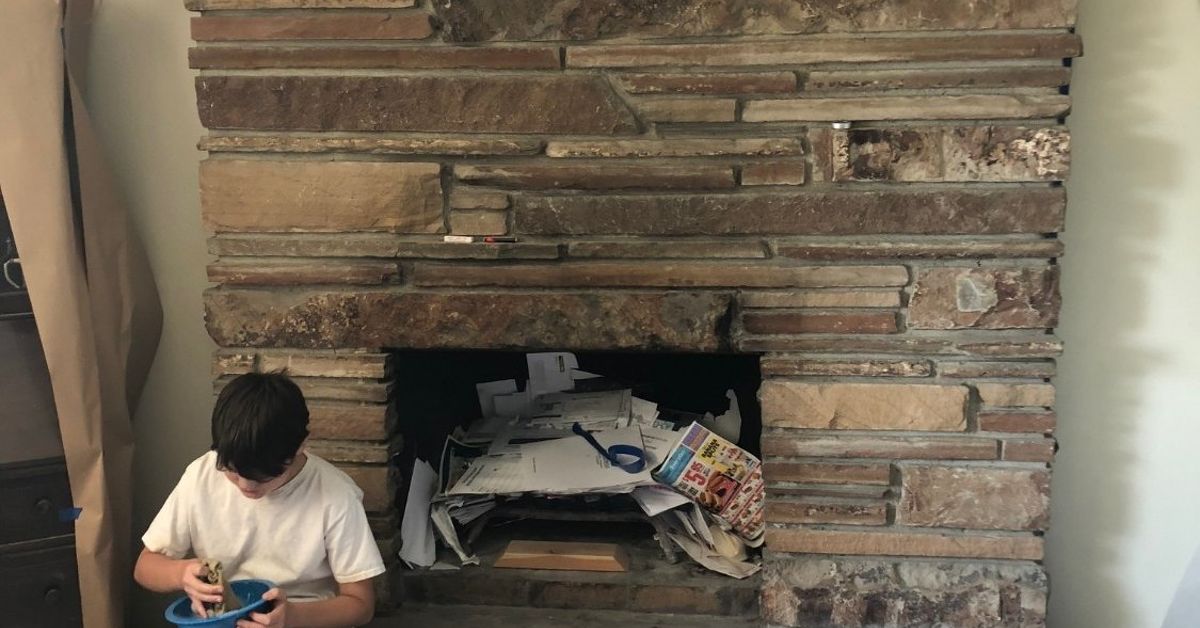
A fireplace can be the cozy heart of a home, the place where winter evenings, family photos, and dramatic “I’m reading by the fire” moments all come together. But sometimes that same fireplace looks less like a charming focal point and more like a giant brick time capsule from 1987. Dark red brick, heavy stone, stained grout, smoky residue, and bulky mantels can make a room feel smaller, older, and gloomier than it really is.
The good news? You do not always need a full demolition, a contractor parade, or a budget that makes your wallet hide behind the sofa. To lighten up a fireplace, you can use smart fireplace makeover ideas such as whitewashing, limewashing, painting, cleaning, updating the mantel, adding lighter decor, improving lighting, or refacing the surround with tile, stone veneer, or wood accents. The trick is choosing the right method for your fireplace material, your room style, and your tolerance for weekend DIY chaos.
This guide walks through practical, stylish, and realistic ways to brighten a dark fireplace without stripping away its character. Whether you have brick, stone, tile, or a dated mantel that looks like it once hosted a very serious Thanksgiving portrait, there is a lighter, fresher version waiting underneath.
Why a Dark Fireplace Can Make a Room Feel Heavy
Fireplaces naturally command attention. They sit in the middle of a wall, anchor furniture layouts, and often become the first thing people notice when entering a living room. That is wonderful when the fireplace is balanced and beautiful. It is less wonderful when the surface is dark, sooty, oversized, or visually disconnected from the rest of the room.
Dark brick and stone absorb light instead of reflecting it. In rooms with limited windows, low ceilings, or darker flooring, a heavy fireplace can visually pull the room down. Even a perfectly functional hearth may feel outdated if the surrounding wall color, mantel, and decor have changed over the years while the fireplace stayed frozen in another design decade.
Lightening a fireplace does not always mean painting everything bright white. It means reducing visual weight. A fireplace can feel lighter through softer color, cleaner lines, better contrast, reflective accessories, a slimmer mantel, brighter wall paint, or simply a deep cleaning that removes soot and dust. Sometimes the best makeover starts with a scrub brush, not a sledgehammer. Not glamorous, but neither is living with mystery grime.
Start With a Fireplace Reality Check
Before choosing paint colors or ordering tile samples, inspect the fireplace carefully. A cosmetic makeover should never cover up structural problems, moisture issues, loose brick, cracked mortar, or signs of smoke backing into the room. If the fireplace is wood-burning and still in use, schedule a professional inspection if it has not been checked recently. Chimneys and fireplace systems need regular maintenance, especially when creosote, soot, or damaged masonry may be present.
Also confirm what part of the fireplace you are updating. The exterior surround and mantel are different from the firebox, which is the area where flames actually burn. Regular interior wall paint, latex paint, and decorative finishes should not be used inside the firebox unless the product is specifically rated for high heat and fireplace use. When in doubt, leave the firebox alone or ask a qualified fireplace professional. The goal is a lighter fireplace, not a surprise science experiment.
Clean First: The Most Underrated Fireplace Makeover
A dirty fireplace can look darker than it really is. Brick and stone are porous, so they hold soot, ash, dust, and years of “we’ll clean that later.” Before painting, whitewashing, limewashing, or decorating, clean the surface thoroughly.
How to Prep the Fireplace Surface
Remove decor, fireplace tools, screens, and loose debris. Vacuum the hearth and surrounding area using a brush attachment. For brick or stone, use a stiff-bristle brush and a suitable masonry cleaner or a mild cleaning solution recommended for your surface. Many DIY guides suggest using trisodium phosphate, often called TSP, for heavy soot, but it must be handled carefully with gloves, ventilation, and label instructions. If you prefer a gentler approach, start with warm water, dish soap, and patience. Patience is free, which is rare in home improvement.
Let the fireplace dry completely before applying any finish. Paint and limewash do not bond well to damp, dusty, or greasy surfaces. Skipping prep is the fastest way to turn a weekend project into a peeling, blotchy reminder of regret.
Whitewash Brick for a Soft, Airy Look
Whitewashing is one of the most popular ways to lighten a brick fireplace because it brightens the room while allowing some of the original brick texture and color variation to show through. Unlike solid paint, a whitewash finish is semi-transparent. It softens red, brown, or orange brick without completely erasing the masonry’s personality.
A typical paint-based whitewash uses water-thinned latex paint. The more water you add, the more brick shows through. A thicker mix creates a more opaque finish. Many homeowners test several ratios on a hidden area or spare brick before committing. That small test patch can save you from the classic DIY sentence: “Well, it looked different online.”
Best Rooms for a Whitewashed Fireplace
Whitewash works beautifully in farmhouse, cottage, coastal, transitional, and casual living rooms. It pairs well with warm wood mantels, soft beige walls, black fireplace screens, woven baskets, and natural textures. If your room already has light flooring, cream upholstery, or airy curtains, a whitewashed brick fireplace can make the entire space feel connected and calm.
For a more modern result, keep the whitewash even and subtle. For a rustic look, wipe back more paint from random bricks so the finish appears aged and imperfect. The charm is in the variation. In other words, this is one of the few painting projects where “not totally perfect” can look intentional. Enjoy that rare gift.
Try Limewash for a Breathable, Old-World Finish
Limewash is another excellent option for lightening brick or stone. Traditional limewash is made from crushed limestone and water, creating a mineral-based coating that soaks into masonry rather than forming a plastic-like film on top. It produces a matte, chalky, softly weathered finish that can look elegant, historic, and relaxed all at once.
One major advantage of limewash is breathability. Because it allows masonry to release moisture, it can be a smart choice for brick and stone surfaces when used correctly. Limewash also tends to age gracefully. Instead of peeling like some paints can, it slowly wears and develops patina. That is design language for “it gets a little messy, but in a charming European way.”
Limewash vs. Whitewash
Whitewash is often made with diluted paint and sits more on the surface. Limewash is mineral-based and penetrates porous masonry. Whitewash offers more color flexibility because paint comes in endless shades. Limewash usually stays within soft whites, creams, grays, and earthy neutrals. If you want a casual, rustic finish with visible brick variation, both can work. If breathability and mineral character matter most, limewash may be the better choice.
For best results, follow the manufacturer’s instructions. Some limewash products require dampening the brick before application, applying with a masonry brush, and distressing the surface with water before it fully cures. The process is beginner-friendly, but it rewards people who read labels. A shocking plot twist, but true.
Paint the Fireplace for a Clean, Dramatic Transformation
If the existing brick or stone color truly clashes with your style, paint can deliver the biggest transformation. A painted brick fireplace can look crisp, modern, traditional, bold, or minimalist depending on the color. White and warm off-white are classic choices for lightening a fireplace, but soft greige, pale taupe, mushroom, warm gray, and muted sage can also brighten without looking stark.
Painting is more permanent than whitewashing or limewashing. Once brick is painted, removing the paint is difficult and sometimes expensive. That does not mean you should avoid painting; it simply means you should choose carefully. Tape paint swatches near the fireplace and look at them in morning, afternoon, and evening light. Fireplaces live in real rooms, not paint-store lighting.
Painting Tips for Brick Fireplaces
Use a masonry-compatible primer when needed, especially if the brick is porous, stained, glossy, or uneven. A roller with a thicker nap can help reach textured brick faces, while a brush is necessary for mortar lines and corners. Allow proper drying time between coats. Rushing paint is like rushing pancakes: technically possible, but the results may be weird.
For a balanced look, consider the rest of the room. A bright white fireplace can feel fresh against warm wood floors and neutral walls. A soft gray fireplace can calm busy brick without stealing attention. A light beige or cream finish can work well in traditional spaces where pure white feels too sharp.
Use German Schmear for Texture and Character
German schmear, sometimes called mortar wash, is a technique that spreads mortar over brick and then wipes portions away, leaving a textured, old-world appearance. It can significantly lighten a fireplace while creating depth and movement. Unlike simple paint, German schmear changes the texture of the surface, so it feels more dimensional and rustic.
This method is ideal for homeowners who like aged brick, cottage style, European farmhouse design, or fireplaces that look collected rather than newly installed. It is less ideal if you want a sleek, perfectly smooth, modern finish. German schmear is supposed to look imperfect. If you are the kind of person who measures picture frames with a laser level, this technique may test your soul.
Lighten the Mantel Without Touching the Brick
Sometimes the brick is not the problem. The mantel is. A bulky dark wood mantel can make the entire fireplace feel heavy, even if the surround itself is attractive. Lightening or replacing the mantel can refresh the whole wall with less commitment than painting masonry.
Consider sanding and staining a dark mantel in a lighter natural wood tone. White oak, pine, maple, and driftwood-inspired finishes can make the fireplace feel warmer and brighter. If the mantel is too ornate for your style, replacing it with a simple floating wood beam or clean painted shelf may create a more updated look.
Simple Mantel Styling That Brightens
Choose decor with height, contrast, and breathing room. A large mirror above the fireplace can reflect light and make the room feel larger. Framed art with a light background, ceramic vases, glass candleholders, greenery, and woven accents can soften the fireplace without clutter. Avoid lining the mantel with too many small objects. Tiny decor armies rarely improve a room.
A good rule is to use one large anchor piece, one medium accent, and a few smaller supporting items. Vary the heights and textures, but leave empty space. Empty space is not boring; it is what lets the pretty things look pretty.
Update the Hearth and Surround With Tile
If paint is not enough, tile can completely change the personality of a fireplace. Light-colored ceramic, porcelain, marble-look, zellige-style, or stone-look tile can brighten the surround and create a polished focal point. Tile is especially useful when the existing fireplace has damaged surfaces, mismatched materials, or a dated surround that paint cannot rescue.
For a subtle update, choose large-format neutral tile with minimal grout lines. For charm, consider handmade-look tile in soft white, cream, pale blue, or warm gray. For a classic design, marble-look porcelain can brighten the fireplace without the maintenance concerns of natural marble. Always choose materials rated for fireplace surrounds and follow local building codes and manufacturer recommendations.
Brighten the Wall Around the Fireplace
The fireplace does not exist alone. The surrounding wall color plays a huge role in how light or dark the fireplace appears. If your fireplace is dark and the wall behind it is also dark, the whole area can feel visually heavy. Painting the wall a lighter neutral may be enough to change the mood.
Warm whites, creamy beiges, pale greiges, and soft taupes can lighten the fireplace wall while keeping the room cozy. If the fireplace is already light, a slightly deeper wall color can create contrast and make the hearth stand out in a controlled way. The goal is not to make everything white; the goal is balance.
Add Lighting That Flatters the Fireplace
A fireplace can look dull simply because it is poorly lit. Add sconces on both sides, picture lighting above the mantel, recessed ceiling lights, or nearby floor lamps to brighten the area. Warm white bulbs often flatter brick, wood, and stone better than icy cool bulbs, which can make natural textures look harsh.
If you use candles or battery-operated lanterns inside a non-working fireplace, choose pieces with light finishes, glass, brass, or matte black for contrast. For working fireplaces, keep all decorative items safely away from flames, heat, and sparks. Beauty is important, but not “set the garland on fire” important.
Decor Ideas for a Lighter Fireplace Look
Once the main surface is clean or updated, decor can complete the transformation. A fireplace screen with a slim black, brass, or pewter frame can look lighter than a bulky old screen. A pale rug nearby can brighten the seating area. Light wood log holders, woven baskets, and neutral fireplace tools can make even a functional hearth feel styled.
Seasonal Styling Without Clutter
In spring and summer, style the mantel with greenery, coastal art, ceramic vases, or a simple mirror. In fall, use warm neutrals, dried stems, and a few pumpkins instead of covering every inch. In winter, layer garland, stockings, and candles while keeping safety clearances in mind. The best seasonal mantel looks festive, not like a craft store sneezed.
If your fireplace is non-working, consider filling the firebox with stacked birch logs, pillar candles, books, plants, or a decorative screen. This turns an unused opening into a design feature instead of a dark empty rectangle quietly judging the room.
Budget-Friendly Ways to Lighten a Fireplace
You do not need a luxury remodel to make a fireplace brighter. Many effective updates are affordable and DIY-friendly. Start by cleaning the brick or stone. Paint the mantel. Swap a heavy screen for a simpler one. Add a mirror. Use lighter decor. Paint the wall around the fireplace. Whitewash the brick with a diluted paint mixture. Add peel-and-stick samples only for visualization, but use heat-appropriate materials for any permanent surround close to the fireplace.
A small budget works best when you focus on contrast. If the fireplace is dark, surround it with lighter textures. If the room feels flat, add a warm wood mantel or black screen for definition. If the fireplace looks too busy, simplify the mantel decor and reduce competing patterns nearby.
When to Hire a Professional
DIY is great for cleaning, painting exterior brick, whitewashing, styling, and simple mantel updates. Hire a professional if you notice cracked masonry, smoke entering the room, water damage, loose bricks, damaged tile near heat zones, gas line concerns, or chimney issues. Also consider professional help for major refacing, stone veneer installation, structural mantel changes, or anything involving fireplace inserts.
A fireplace is both a design feature and a heat-producing system. That combination deserves respect. You can absolutely make it prettier, but the safe function should always come first.
Common Mistakes to Avoid
The first mistake is painting without cleaning. Soot, dust, and residue can prevent paint from bonding properly. The second mistake is choosing pure white without testing it in the room. Some whites look fresh in photos but harsh in real life. The third mistake is painting the firebox with the wrong product. The fourth mistake is overdecorating the mantel after the makeover. If you just spent time making the fireplace lighter, do not bury it under seventeen picture frames and a ceramic rooster named Harold.
Another common mistake is ignoring undertones. Red brick, orange brick, gray stone, beige tile, and brown mortar all react differently to paint colors. Warm brick often looks better with creamy whites and greiges than with blue-white paint. Cool stone may pair better with soft gray or clean white. Always test before committing.
Real-Life Experience: What Lightening a Fireplace Actually Feels Like
The biggest surprise about lightening a fireplace is how much it changes the entire room. Many homeowners start the project thinking they are “just fixing the fireplace,” but the result often makes the walls look cleaner, the furniture feel newer, and the room seem bigger. It is a little like giving the living room a fresh haircut. Same room, better attitude.
One common experience is the emotional battle before the first brushstroke. Brick feels permanent. Painting or whitewashing it can feel like crossing a decorating bridge with no easy return ticket. That is why sample testing matters so much. Try the finish on a small hidden section or on a loose brick if you have one. Look at it during the day and at night. Place your sofa pillows, rug, and wall color nearby. The right finish should make the room feel easier to breathe in.
Another lesson is that prep takes longer than the fun part. Cleaning mortar lines, taping edges, protecting floors, and waiting for surfaces to dry may take more time than applying the finish. This is normal. Every good DIY project includes at least one moment where you stand in old clothes, holding painter’s tape, wondering why you did not simply become a minimalist who owns no objects. Keep going. The prep is what makes the final result look intentional instead of rushed.
Whitewashing can feel especially forgiving. If one area looks too heavy, you can wipe it back while wet. If another area looks too thin, you can add more. The finish does not need to be perfectly uniform because brick itself is not perfectly uniform. That is part of the charm. Limewash has a similar relaxed quality, though it has its own timing and curing process. Both finishes reward a light hand and a willingness to step back often.
Painting, on the other hand, feels more dramatic. The first coat may look alarming, especially if red brick is still peeking through. Do not panic halfway through. Primer and first coats often look uneven. The second coat is usually when the fireplace starts to look like the inspiration photo instead of a questionable life choice. Good lighting, proper tools, and enough drying time make a major difference.
Styling after the makeover is where the room really comes together. A mirror can bounce light into the space. A simple wood mantel can add warmth. A few large decor pieces usually look better than many tiny ones. After lightening the fireplace, many people realize they no longer need as much decor because the fireplace itself finally looks good. That is the design equivalent of discovering your jeans have pockets.
The most satisfying part is how affordable changes can feel high impact. A clean fireplace, soft whitewash, updated mantel, and better lighting can make a living room look renovated even when the structure stayed the same. Guests may ask if you replaced the fireplace. You can smile mysteriously and say, “Oh, just a little weekend project,” while quietly remembering the three trips to the hardware store.
In the end, lightening a fireplace is not about chasing a trend. It is about helping a major feature fit the home you actually live in now. A fireplace should feel welcoming, not visually exhausting. Whether you choose a soft limewash, a crisp painted finish, a new tile surround, or simply a cleaner mantel with brighter decor, the best result is a room that feels warmer, fresher, and more like you.
Conclusion
To lighten up that fireplace, start with the simplest improvements first: clean the surface, evaluate safety, brighten the surrounding wall, and rethink the mantel decor. If the fireplace still feels too dark, consider whitewash, limewash, paint, tile, or a new mantel. Each option offers a different level of coverage, texture, cost, and commitment.
A lighter fireplace can make a living room feel more open, updated, and inviting without removing the cozy charm that makes fireplaces so beloved in the first place. The best makeover respects the material, matches the style of the home, and keeps safety at the center. After all, the goal is a brighter hearth, not a home improvement adventure that ends with everyone Googling “how much does regret cost?”