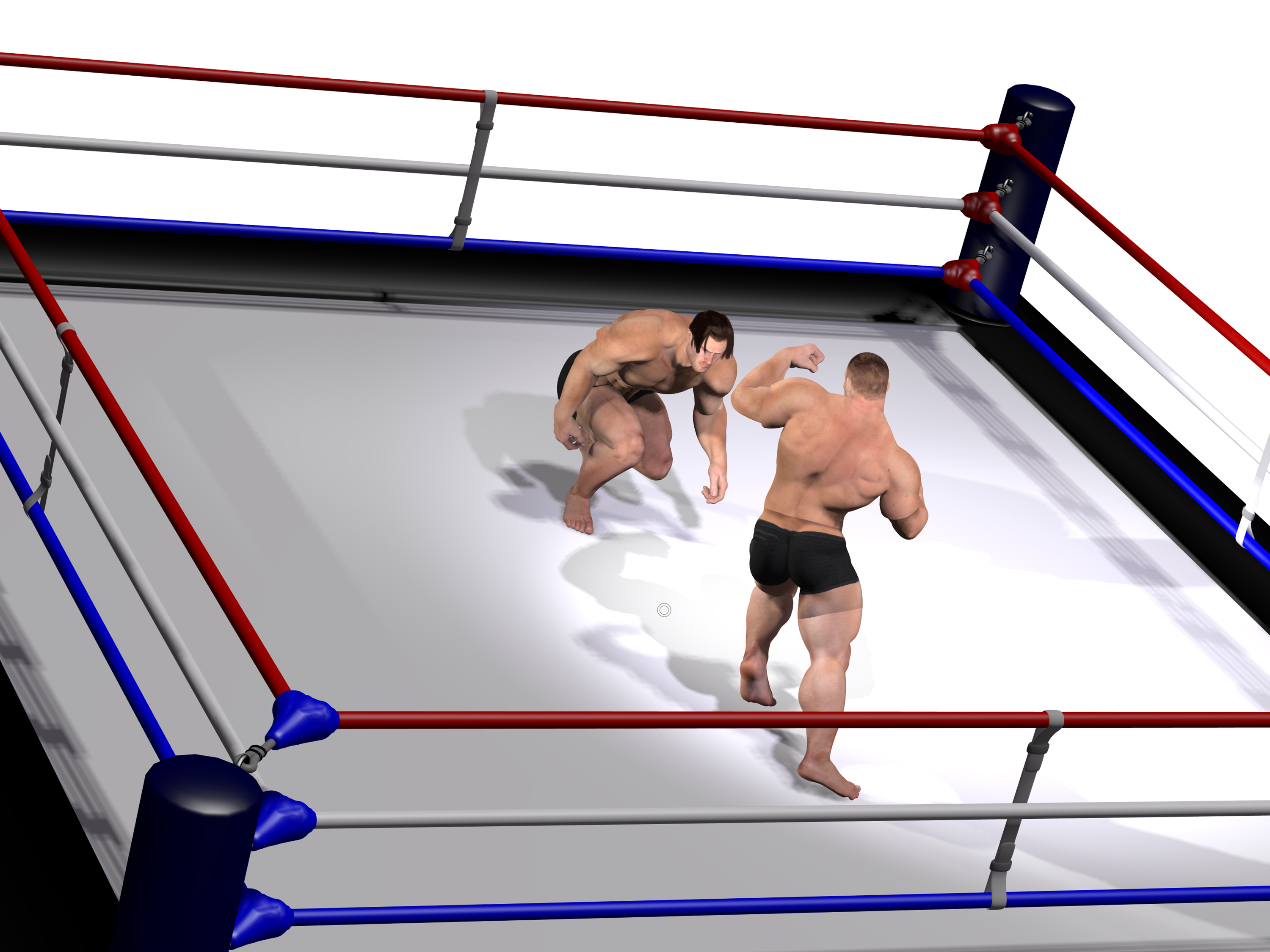
Creating a wrestling match type sounds easy until you actually try it. “Put people in a ring and add chaos” is not a match concept; it is what happens when someone gives a toddler a TV remote. A great wrestling match type needs a clear purpose, simple rules, emotional stakes, visual identity, and enough flexibility to produce drama without confusing the audience into checking the snack table.
Whether you are fantasy booking a wrestling show, designing a match for a video game universe mode, planning an e-fed storyline, or developing a safe concept for trained performers, the best stipulations are built around one big question: What story does this match tell better than a normal singles match?
Classic wrestling match types work because they are easy to understand. A steel cage match says, “No escape from the feud.” A ladder match says, “Climb for the prize.” A Royal Rumble-style match says, “Survive the crowd.” The rules are not just decoration. They are storytelling machines wearing wrestling boots.
What Is a Wrestling Match Type?
A wrestling match type is a structured variation of a standard match. It changes the number of competitors, the way someone wins, the environment, the time limit, the use of eliminations, or the consequences attached to victory and defeat. In professional wrestling, match types are part athletic theater, part game design, and part soap opera with better entrance music.
Some match types are built around victory conditions, such as pinfall, submission, escape, climbing, survival, or points. Others are built around restrictions, such as no outside interference, no disqualification, timed entries, special teams, or championship stakes. The goal is not to make the rules complicated. The goal is to make the audience care faster.
Step 1: Start With the Story Purpose
Before naming your match, choosing rules, or designing the dramatic final moment, decide why the match exists. A custom wrestling match type should solve a story problem. Is a rivalry too personal for a normal match? Does a champion need a unique challenge? Are several contenders fighting for one opportunity? Does a team feud need one final blowoff?
For example, if two wrestlers keep interfering in each other’s matches, your match type might focus on isolation: no managers, no teammates, no escape. If five wrestlers all claim they deserve a title shot, your match could use staggered entries or eliminations to turn the argument into a contest. If a babyface has been outnumbered for weeks, a gauntlet-style format can make survival the emotional hook.
Ask This Before You Build Anything
Write one sentence that explains the reason for the match. Try something like: “This match forces the villain to fight without backup,” or “This match rewards endurance more than luck.” If you cannot explain the purpose in one sentence, the audience probably cannot explain it either. And if the audience cannot explain it, the match may need fewer bells, whistles, doors, pods, ladders, mystery envelopes, and ceremonial fog machines.
Step 2: Choose the Competitor Format
Next, decide who is in the match. The number of competitors changes everything. A singles match feels personal. A tag team match feels strategic. A triple threat creates opportunism. A battle royal creates survival. A gauntlet creates endurance. A tournament-style match creates prestige.
Do not add more wrestlers just because “more” sounds exciting. A 12-person match can be thrilling, but it can also become a human traffic jam. Every competitor should have a reason to be there. The underdog, the favorite, the spoiler, the powerhouse, the veteran, the wildcard, and the arrogant loudmouth who absolutely deserves to be humbled all serve different story functions.
Example Format: The Spotlight Scramble
In a fictional “Spotlight Scramble,” four wrestlers compete under a 15-minute time limit. A wrestler becomes the temporary leader after scoring a pinfall or submission. Whoever is the leader when time expires wins. This format creates urgency, sudden reversals, and a built-in reason for everyone to attack the current leader. It is simple enough to follow and dramatic enough to keep fans yelling at the screen like it personally owes them money.
Step 3: Define the Win Condition
The win condition is the engine of your wrestling match type. It tells the performers, announcers, and audience what everyone is chasing. Common win conditions include pinfall, submission, escape, elimination, climbing to retrieve an object, scoring the most points, surviving until the end, or forcing an opponent to verbally concede.
The best win condition matches the story. If the feud is about pride, a submission or verbal surrender stipulation can make sense. If the story is about opportunity, retrieving a contract or winning a timed scramble works well. If the feud is about being trapped with consequences, a cage-style concept might fit. If the story is about proving who can last longest, use a gauntlet, iron man, or survival format.
Keep the Finish Easy to Recognize
A good finish should be instantly clear. When the bell rings, fans should know exactly why the match ended. Confusing endings can work as storyline devices, but they should be rare and intentional. If your match requires three paragraphs of explanation after the referee calls for the bell, you have not created drama; you have created homework.
Step 4: Add One Special Rule, Not Twelve
This is where many fantasy bookers get carried away. They start with a good idea, then add timed entries, mystery partners, suspended contracts, escape rules, bonus points, penalty boxes, fan voting, and a mascot named Barry who controls the lights. Suddenly, the match is less “premium live event” and more “tax form with suplexes.”
Most great match types are built around one memorable twist. The Royal Rumble-style concept uses timed entries and over-the-top elimination. Ladder matches use the climb. Iron man matches use the clock. Cage matches use confinement. These ideas work because the central rule is easy to understand.
When creating your own wrestling match type, pick one special rule that changes the psychology of the match. Maybe outside interference causes automatic elimination. Maybe a champion can only lose by submission. Maybe competitors enter every two minutes, but the match can end at any time. Maybe a team can tag anyone, creating temporary alliances and betrayals.
Example Rule: The Clean Ring Clause
In a “Clean Ring Match,” anyone caught receiving outside help loses immediately. This rule is perfect for a storyline where a villain always hides behind a manager or faction. It gives the audience a clear emotional promise: tonight, the shortcut artist must actually wrestle. Terrifying stuff for a professional cheater.
Step 5: Build the Match Around Safety and Clarity
Professional wrestling is performed by trained athletes in controlled environments. Any physical match concept should be designed only for trained professionals, with proper supervision, a safe ring setup, medical support, and clear communication. For fantasy booking, video games, writing, or online roleplay, you can be imaginative without asking real people to attempt risky stunts.
Safety also improves storytelling. A match that depends on dangerous escalation every thirty seconds becomes exhausting. A match that uses rules, pacing, reactions, near-falls, character choices, and smart reversals can feel bigger without becoming reckless. The audience does not need constant danger; it needs suspense.
Clarity matters just as much. Referees, commentators, and wrestlers should all be able to explain the rules quickly. If a fan joins the show halfway through, they should understand the match within a minute. The cleaner the structure, the easier it is to create tension.
Use a Rule Sheet
Write a short rule sheet with five items: competitors, time limit, win condition, special rule, and consequences. If the match cannot fit on a small card, simplify it. A great wrestling match type should feel like a game fans want to play, not a board meeting trapped in spandex.
Step 6: Give the Match a Name and Identity
A strong name helps fans remember the match. The name should suggest the feeling of the stipulation. “Last Man Standing” sounds final. “Money in the Bank” sounds opportunistic. “Blood & Guts” sounds intense and faction-driven. “Elimination Chamber” sounds like survival inside a structure. Your name should tell the audience what emotional neighborhood they are visiting.
Avoid names that are too vague. “The Ultimate Challenge Match” could mean anything. Is it a cage? A points contest? A dance-off? Nobody knows. A better name hints at the rules or stakes. “No Backup Match,” “Champion’s Clock,” “Final Fall Scramble,” and “Gauntlet Relay” all communicate more clearly.
Brand the Match Visually
Think about how the match looks on a poster, thumbnail, or arena graphic. Does it need a countdown clock? A special scoreboard? A contract hanging above the ring in a video game setting? Colored corner lights for teams? A unique entrance order graphic? Visual identity makes a match feel important before the bell even rings.
Step 7: Test the Match for Replay Value
A great match type should work more than once. It should be flexible enough for different stories, divisions, and stakes. Before declaring your creation the future of wrestling, test it on paper. Book three versions: one for a heated singles feud, one for a championship opportunity, and one for a multi-person rivalry. If the rules only work in one very specific situation, it may be a storyline angle rather than a reusable match type.
Replay value also depends on pacing. Ask where the match gets exciting. Does the drama start immediately? Does it build at the halfway point? Does the final minute matter? Can a villain exploit the rules? Can an underdog use the format creatively? Can commentary explain the danger, urgency, or strategy without sounding like they are reading a toaster manual?
Example Test: The Gauntlet Relay
In a fictional “Gauntlet Relay,” two teams of four compete. One wrestler from each team starts. When a wrestler is pinned or submitted, the next teammate enters. The match continues until one team is completely eliminated. This format works for faction wars, tag divisions, rookie showcases, and underdog stories. It also gives each participant a defined role, which helps the match feel organized instead of crowded.
Common Mistakes to Avoid When Creating a Wrestling Match Type
Making the Rules Too Complicated
Complexity is not the same as creativity. If fans need a legal assistant to understand the finish, the match is overloaded. Choose one central twist and build everything around it.
Forgetting the Characters
A match type is only as strong as the people inside it. A submission-based match means more when one wrestler has been targeting a limb. A cage match means more when someone has been running away. A scramble means more when every competitor has a legitimate claim.
Copying Without Changing the Purpose
It is fine to be inspired by famous wrestling stipulations, but your version should have its own reason to exist. Do not make “basically a ladder match but blue.” Give the concept a new emotional angle, rule twist, or strategic challenge.
Ignoring Commentary
Commentators are the audience’s GPS. If they cannot explain the rules naturally, the match may feel messy. Write one short commentary line that sells the concept: “The champion does not have to be pinned; they only have to survive the clock.” That kind of line makes the format click.
Original Match Type Ideas You Can Adapt
1. The Champion’s Clock
The champion defends the title in a 20-minute match. Challengers can win by pinfall or submission, but if time expires, the champion retains. This creates urgency and rewards smart defensive storytelling.
2. The No Backup Match
Any outside interference results in an automatic loss for the wrestler who benefits. This is ideal for ending a feud involving managers, factions, or constant cheating.
3. The Final Fall Scramble
Multiple competitors wrestle under a time limit. Only the final fall before time expires counts. This keeps the audience alert because a wrestler who dominates early can still lose at the last second.
4. The Ladder Draft Match
In a video game or fantasy booking setting, contracts or draft picks hang above the ring. The winner retrieves the prize and earns the right to choose a future opponent, partner, or championship path.
Experience Notes: What Makes a Custom Match Type Actually Work
The best experience I have found when designing a wrestling match type is to begin like a fan, edit like a producer, and test like a referee. As a fan, you want the concept to sound exciting in one sentence. “Two rivals locked in a cage” works. “Six wrestlers enter at timed intervals, and the person holding the advantage at the end gets a title shot” works. “There are four boxes, three keys, two managers, and one secret rule revealed by a mascot in the third act” does not work unless the goal is comedy.
As a producer, the job is to remove anything that does not serve the story. One useful exercise is to imagine the match graphic appearing on television. If the graphic looks cool and the announcer can explain the rules before the entrances end, the concept has a chance. If the graphic needs footnotes, emergency subtitles, and a patient grandmother to explain it, cut something.
Another practical experience is to think about who benefits from the match. A high-energy scramble may help fast, opportunistic wrestlers. A timed survival match may help a crafty champion. A no-interference stipulation may expose a cowardly villain. A gauntlet match may turn an underdog into a star. When the rules reveal character, the match feels meaningful instead of random.
Testing the finish is also important. Many custom match types sound fun until you ask, “How does this end?” A good ending should feel natural, dramatic, and fair within the rules. The audience should not feel tricked unless the story intentionally calls for controversy. For example, if a heel wins because they understood the rules better, that can be brilliant. If they win because nobody explained the rules until the final ten seconds, that feels cheap.
For fantasy booking, I recommend running the match once on paper before using it in a bigger storyline. Write the opening, the first major momentum shift, the halfway complication, the final stretch, and the finish. You do not need to script every move. In fact, over-scripting can make the match feel stiff. Focus on emotional beats: confidence, panic, comeback, betrayal, survival, surprise.
For video game players, custom match types work best when the game mechanics support the idea. If the game cannot track points, do not build a points-based match unless you are willing to track it yourself. If the game handles timed entries well, lean into gauntlets, rumbles, and scrambles. If the game has strong rivalry tools, attach consequences to the winner so the match affects the next show.
For writers, e-fed creators, and content planners, the most useful lesson is this: a wrestling match type is not just a container for action. It is a promise. The name, rules, and stakes tell fans what kind of emotional ride they are about to take. Keep the promise clear, make the rules serve the characters, and give the finish a reason to matter. Do that, and your custom match type will feel less like a random gimmick and more like something fans would actually chant about.
Conclusion
Learning how to create a wrestling match type is really learning how to combine rules, stakes, character, and emotion into one clean package. The strongest stipulations are not the loudest or most complicated. They are the ones fans can understand instantly and remember later. Start with the story purpose, choose the competitor format, define the win condition, add one special rule, prioritize safety and clarity, give the match a memorable identity, and test it for replay value.
A custom wrestling match type should make a normal match feel impossible. It should raise the stakes, expose character flaws, reward strategy, and create moments that fans can describe the next day without needing a whiteboard. Keep it simple, make it dramatic, and remember: the best rules are not there to show how clever you are. They are there to make the crowd care.
Note: This guide is intended for creative planning, fantasy booking, video game design, writing, and trained professional wrestling production. Physical wrestling concepts should only be performed by trained professionals in controlled environments with proper supervision and safety support.