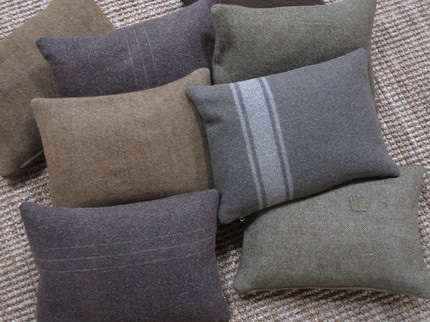
Army blanket pillows with stripes bring together two things Americans never seem to get tired of: practical comfort and home décor that looks like it has a story. They are rugged without being rough, cozy without being fussy, and stylish without trying so hard that your sofa starts wearing cologne. Whether made from vintage military wool blankets, army-inspired camp blankets, or new wool-blend textiles with classic stripes, these pillows have become a favorite accent for cabins, farmhouse living rooms, masculine bedrooms, lake houses, reading chairs, and anyone who secretly believes every room needs at least one object that looks ready for a weekend in the woods.
At first glance, a striped army blanket pillow may seem simple: wool fabric, a bold stripe, a square or lumbar shape, and maybe a zipper. But the appeal goes deeper. These pillows borrow from the visual language of utility: olive drab, charcoal gray, cream, camel, navy, red stripe accents, and tightly woven textures. They feel honest. They look durable. They do not scream for attention; they clear their throat politely, then make the whole room look more grounded.
In this guide, we will explore what army blanket pillows with stripes are, why they work so well in interior design, how to choose quality versions, where to use them, how to care for them, and what makes them different from ordinary decorative pillows. Spoiler alert: your basic polyester pillow may need to sit down for this one.
What Are Army Blanket Pillows with Stripes?
Army blanket pillows with stripes are decorative or functional pillows made from fabric inspired by military blankets, surplus wool blankets, camp blankets, or heritage striped wool throws. Many are crafted from wool or wool-blend material because wool has long been valued for warmth, resilience, and a naturally substantial hand. The stripes may be narrow, wide, centered, offset, horizontal, vertical, or placed along the edges, depending on the original blanket design.
Some pillows are made from authentic vintage military surplus blankets. Others are produced from new fabric designed to resemble classic army, Swiss Army, Italian military, hospital, or camp blanket styles. The most recognizable versions often feature muted base colors with strong contrast stripes, such as olive with cream, brown with red, gray with white, navy with tan, or natural wool with multicolor bands.
Why Stripes Matter So Much
Stripes are more than decoration. On old military and camp blankets, stripes often helped identify style, batch, origin, or simply added visual contrast to practical fabric. In home décor, stripes create rhythm. They guide the eye across a sofa, break up large blocks of solid color, and add structure to rooms that might otherwise look too soft or sleepy.
A striped army blanket pillow can make a leather chair look warmer, a white sofa look less precious, or a neutral bed look intentionally layered instead of “I forgot to finish decorating.” The stripe gives the pillow a graphic edge, while the blanket fabric keeps it from feeling cold or overly modern.
The Heritage Appeal: Military, Camp, and Cabin Style
Military-inspired blankets have a long connection to practical warmth. Wool army blankets were designed to be useful first: portable, insulating, and durable. That utilitarian DNA is exactly what makes army blanket pillows feel so authentic in modern homes. They are not shiny showroom pillows that panic when someone sits near them. They look like they can handle coffee, boots, dogs, kids, movie night, and one uncle who thinks every chair is a recliner.
Striped camp blankets also shaped the look. American heritage brands, outdoor outfitters, and woolen mills have long produced striped blankets for camping, lodges, and cold-weather living. These designs often overlap with military style because both traditions value warmth, simple geometry, tough fabric, and colors that do not mind a little dirt.
Common Materials Used in Army Blanket Pillows
Wool
Wool is the classic choice. It provides warmth, texture, and a dense, heritage look. Wool fibers can feel rustic or refined depending on how the fabric is woven, brushed, or finished. For pillows, wool adds body and shape, which helps the pillow hold its form on a sofa or bed.
Wool Blends
Many army-style blankets use wool blended with synthetic fibers. This can improve durability, reduce cost, and sometimes make the fabric easier to maintain. A wool-blend pillow may still deliver the rugged military look while being slightly less scratchy than a dense traditional wool blanket.
Cotton-Blend or Canvas Backing
Some pillow covers use army blanket fabric on the front and cotton canvas, linen, denim, or twill on the back. This is practical because the decorative wool face provides texture, while the backing can make the pillow lighter, softer, and easier to sew.
Down, Feather, or Synthetic Inserts
The insert matters almost as much as the cover. Down and feather inserts create a relaxed, designer-style shape with that satisfying “karate chop” crease. Synthetic inserts are allergy-friendly, affordable, and often easier to care for. For thick wool covers, choosing an insert one size larger than the cover can give the pillow a full, structured look.
Popular Colors and Stripe Styles
The classic color palette for striped army blanket pillows includes olive green, army green, charcoal, heather gray, tan, camel, cream, brown, navy, black, and red accents. The stripe may be subtle or bold. A single red stripe on brown wool can feel distinctly Swiss-inspired. Olive with cream stripes leans American military. Gray with white stripes looks more industrial and modern. Navy with tan stripes feels coastal-camp, like a lake house that owns both a canoe and decent coffee.
For a quieter space, choose low-contrast stripes in gray, ivory, or tan. For a statement, look for thick bands, red details, or oversized lumbar shapes. The best version depends on whether you want the pillow to whisper “heritage texture” or announce “yes, I know how to build a fire, even if I mostly use a gas fireplace.”
Where to Use Army Blanket Pillows with Stripes
On a Leather Sofa
A leather sofa is one of the best places for army blanket pillows. The contrast between smooth leather and textured wool feels rich and balanced. Brown leather pairs especially well with olive, gray, cream, camel, and red-striped pillows.
On a Farmhouse Bed
Army blanket pillows can keep farmhouse style from becoming too sweet. Pair them with white cotton sheets, a ticking stripe duvet, a quilt, or a chunky knit throw. The result feels cozy, layered, and a little more grown-up than a bed covered entirely in ruffles.
In a Cabin or Lodge
This is their natural habitat. A striped wool army blanket pillow beside a fireplace, plaid throw, wood beams, or canvas armchair looks completely at home. It brings instant lodge character without requiring you to mount antlers above the mantel.
In a Modern Minimalist Room
Surprisingly, these pillows also work in minimalist spaces. A single gray wool pillow with a clean cream stripe can warm up a modern black, white, or concrete room. The trick is to choose simple stripes and avoid overcrowding the space.
In an Entry Bench or Mudroom
Mudrooms love rugged textiles. A striped army blanket lumbar pillow on a wooden bench adds comfort and style while looking durable enough to coexist with boots, backpacks, and the family dog’s questionable outdoor decisions.
How to Style Striped Army Blanket Pillows
The easiest styling rule is balance. If the pillow has bold stripes, pair it with solids, leather, denim, canvas, or simple plaid. If the stripe is subtle, you can mix it with checks, ticking stripes, or small-scale patterns. Avoid using too many competing stripes unless you want your sofa to look like it is directing traffic.
For a sofa, try one large striped army blanket pillow at each end, then add a smaller solid pillow in front. On a bed, use two square pillows behind a lumbar pillow with the strongest stripe. For a chair, one oversized square pillow is usually enough. Let the wool texture do the work.
What to Look for When Buying
Authentic Fabric Character
Look for fabric with visible weave, weight, and texture. Thin printed fabric may imitate the look, but it will not have the same presence as real blanket wool or a high-quality wool blend.
Strong Seams
Wool blanket fabric can be thick, so seams must be sturdy. Check for reinforced stitching, clean corners, and well-finished edges. A good pillow should not look like it is one enthusiastic nap away from surrender.
Hidden Zipper or Envelope Closure
A removable cover is easier to clean and maintain. Hidden zippers are especially useful because they keep the pillow looking polished while allowing you to replace or fluff the insert.
Thoughtful Stripe Placement
Stripe placement makes a huge difference. Centered stripes feel classic and symmetrical. Offset stripes look more modern. Vertical stripes can make a pillow feel taller, while horizontal stripes emphasize width. For pairs, make sure the stripe placement matches or intentionally complements the other pillow.
Clean Vintage Condition
If you buy pillows made from vintage army blankets, expect character. Minor variations, old labels, color fading, and small imperfections can add charm. However, avoid strong odors, moth damage, brittle fabric, or stains that look like they have their own biography.
Care Tips for Wool Army Blanket Pillows
Always follow the care label first. Many traditional wool blankets and wool pillow covers should be dry cleaned rather than machine washed. Washing the wrong wool fabric can cause shrinking, felting, stiffness, and heartbreak. Nobody wants to turn a handsome 20-inch pillow cover into a coaster.
For everyday care, shake pillows outside, air them occasionally, and use a soft garment brush to remove dust and surface debris. Spot clean small spills quickly with a mild detergent and cool or lukewarm water, blotting rather than scrubbing. If the cover is removable and labeled washable, use a gentle wool cycle or hand-wash method with wool-safe detergent, then dry flat away from strong heat or direct sun.
When storing wool pillows or covers, make sure they are clean and fully dry. Store them in breathable cotton bags or sealed containers if pests are a concern. Cedar blocks or lavender sachets may help discourage moths, but cleanliness is the real hero. Moths are less interested in pristine wool than in wool with food, sweat, or body oils. Apparently, even insects appreciate seasoning.
Army Blanket Pillows vs. Ordinary Throw Pillows
Ordinary throw pillows often rely on color or print for impact. Army blanket pillows bring color, print, texture, weight, and history. They feel more substantial in the hand. They can make a room look collected instead of decorated overnight from a single aisle.
That does not mean they are right for every space. If your room is ultra-glam with mirrored furniture and silk drapes, a rugged wool army pillow might feel like someone parked a Jeep in the ballroom. But in rustic, traditional, industrial, farmhouse, coastal, vintage, lodge, masculine, or transitional spaces, they are easy winners.
Best Room Pairings and Design Examples
For a rustic living room, pair olive striped army blanket pillows with a brown leather sofa, black metal floor lamp, reclaimed wood coffee table, and cream wool throw. For a modern bedroom, use gray striped wool pillows against white bedding, charcoal linen, and matte black accents. For a lake house, try navy and cream striped pillows with weathered oak, canvas slipcovers, and framed vintage maps.
In a home office, a single army blanket lumbar pillow can soften a stiff reading chair while adding personality. In a guest room, two matching striped pillows at the front of the bed make the space look finished without requiring twenty decorative cushions that guests must remove before sleeping. Hotels do that. Your guests should not need a pillow evacuation plan.
DIY Ideas: Turning an Army Blanket into Pillows
If you have sewing skills, making your own army blanket pillows can be rewarding. Start by choosing a clean wool or wool-blend blanket with enough intact fabric. Decide where the stripes should appear before cutting. Use a sharp rotary cutter or fabric scissors, and consider lining the wool with cotton fabric if it feels loose or stretchy.
For thick wool, use a strong needle and heavy-duty thread. Add a zipper if you want the cover removable. If the blanket has a label, patch, number, or unique woven detail, consider placing it on the pillow front for character. This gives the finished piece a one-of-a-kind look that mass-produced pillows rarely achieve.
One practical tip: cut larger than you think you need, then refine. Wool can shift, and vintage blankets may not be perfectly square after years of use. Measure twice, cut once, and keep snacks nearby for emotional support.
Sustainability and Upcycling Benefits
One reason army blanket pillows with stripes appeal to many buyers is sustainability. Repurposing vintage blankets gives existing textiles a second life. Instead of letting a worn but beautiful blanket sit unused in storage, makers can transform strong sections into pillows, cushions, bench pads, or pet beds.
Upcycled wool pillows also carry uniqueness. No two vintage blankets age in exactly the same way. Slight fading, softened texture, and stripe variation make each pillow feel personal. In a world full of identical home accessories, that individuality is refreshing.
Common Mistakes to Avoid
Do not assume every army-style pillow is made from real wool. Read the material description carefully. Do not machine wash unless the care label clearly says it is safe. Do not choose inserts that are too small, because thick blanket covers need enough fill to look plump. Do not overcrowd a room with too many military-inspired pieces, or your living room may start looking like a very comfortable supply depot.
Also, be careful with scratchiness. Some old military blankets are rugged because they were designed for durability, not cheek-to-pillow luxury. If the pillow will be used for lounging, choose a softer wool, a lined cover, or place it where it functions more as an accent than a face pillow.
Experiences with Army Blanket Pillows with Stripes
The best thing about army blanket pillows with stripes is how quickly they change the feeling of a room. I have seen a plain beige sofa go from “rental apartment waiting area” to “weekend cabin with excellent coffee” just by adding two olive wool pillows with cream stripes. The sofa did not become more expensive. The walls did not move. No contractor appeared with a clipboard. The pillows simply added texture, contrast, and a little backbone.
In a reading corner, these pillows are especially effective. Imagine a worn leather chair, a small stack of books, a brass lamp, and one gray army blanket pillow with a narrow white stripe. Suddenly the corner feels intentional. It says, “This is where serious reading happens,” even if the book is upside down and you are actually scrolling on your phone.
They also perform well in family spaces because they do not look too delicate. A silk pillow may make everyone nervous. A white linen pillow may attract spaghetti sauce through spiritual magnetism. A striped army blanket pillow, however, looks calm under pressure. It can handle a movie night, a nap, or a dog who believes all soft surfaces are community property.
Another real-life advantage is seasonality. In fall and winter, army blanket pillows feel naturally cozy beside wool throws, flannel sheets, candles, and darker woods. In spring and summer, they can still work if used sparingly. One striped lumbar pillow on a bench or chair adds structure without making the room feel heavy. Choose lighter gray, cream, or faded olive tones for warm-weather styling.
For guest rooms, striped army blanket pillows are surprisingly useful. They add a finished look to the bed without becoming too precious or overly themed. Guests can actually use them for back support while reading, which is more than can be said for certain tiny decorative pillows that seem designed exclusively to fall between the bed and wall.
One of the most charming experiences comes from using pillows made from vintage blankets. These pieces often have tiny signs of age: softened wool, gentle fading, slight color variation, or an old stitched edge. Those details make the pillow feel less like a product and more like a found object. It has personality. It may not tell you where it has been, but it strongly suggests it has seen better campfires than you have.
In design terms, army blanket pillows with stripes are reliable problem solvers. If a room feels too flat, they add texture. If it feels too soft, they add structure. If it feels too modern, they add warmth. If it feels too rustic, choosing a clean stripe and tailored shape can make it sharper. They are flexible, handsome, and practical, which is a rare combination in home décor. Many pillows are pretty. These look like they could also help change a tire.
The key is moderation. One to three striped army blanket pillows can look curated. Seven may look like you are preparing for decorative basic training. Let them stand out by surrounding them with simpler fabrics: canvas, leather, denim, cotton, linen, or solid wool. The result feels layered, relaxed, and quietly confident.
Conclusion
Army blanket pillows with stripes are more than cozy accessories. They are compact pieces of heritage style, bringing together military utility, camp blanket tradition, wool texture, and timeless stripe patterns. They work beautifully in cabins, farmhouses, modern apartments, leather-filled dens, guest rooms, and mudrooms because they add warmth without fuss and character without clutter.
Choose quality fabric, sturdy seams, thoughtful stripe placement, and the right insert. Care for wool properly, respect the cleaning label, and store covers clean and dry. Whether you buy a new army-inspired pillow or upcycle a vintage blanket into something personal, the result can make a room feel grounded, comfortable, and quietly adventurous.
Note: This article is intended for home décor and textile guidance. For any wool or vintage military blanket pillow, always follow the specific care label or maker instructions before cleaning.