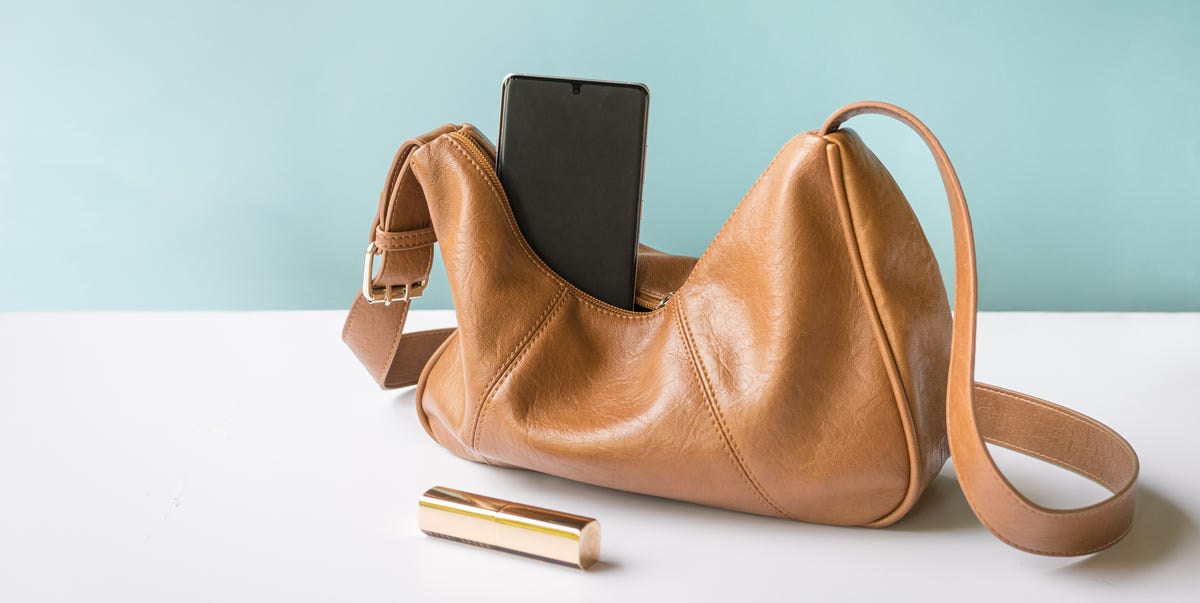
Your handbag is supposed to be a helpful little command center, not a portable archaeological dig. Yet somehow, between Monday coffee runs, emergency errands, lipstick touch-ups, late receipts, snacks “for later,” and one heroic tampon that has burst through its wrapper like it is auditioning for a disaster movie, the average bag can become a soft-sided junk drawer with handles.
The good news? You do not need a minimalist personality, a beige capsule wardrobe, or a three-hour Sunday reset to fix it. A clean, organized handbag simply needs a practical system: remove what is expired, sticky, broken, unsafe, unnecessary, or emotionally confusing. Yes, emotionally confusing. We are looking directly at the loyalty card for a frozen yogurt shop that closed during the Obama administration.
This guide breaks down ten common things to declutter from your handbag, from exploding tampons and fluff-covered sweets to old receipts, expired makeup, dead batteries, and mystery keys. We will keep it useful, funny, and realisticbecause nobody needs handbag advice that assumes your life is a slow-motion linen commercial.
Why Your Handbag Gets So Cluttered in the First Place
A handbag collects clutter because it travels through real life. It goes to work, school, stores, restaurants, cars, bathrooms, airports, and that one friend’s house where you put it on the floor and immediately regret your choices. It becomes the place where you put things “just for now,” which is the most dangerous phrase in the English language after “assembly required.”
Clutter also builds because bags have hidden zones. Side pockets, zipper compartments, card slots, pouches, and that mysterious lining gap all work together like a tiny witness protection program for lip balm, coins, candy wrappers, and receipts. If you have ever found something in your handbag and whispered, “How long have you been here?” you are not alone.
Decluttering your handbag is not about perfection. It is about making your daily routine easier. When your bag is lighter, cleaner, and easier to search, you waste less time digging, carry less weight, and avoid unpleasant surprises like melted chocolate, leaking pens, expired sunscreen, or a tampon that has become cotton confetti.
How to Start a Handbag Declutter Without Making a Bigger Mess
Before tackling the ten items, do a full empty-out. Not a polite peek. Not a delicate rearrangement. Empty the entire handbag onto a clean surface. Check every pocket. Shake out the crumbs. Open the little pouches. Look inside the wallet. If your bag has a removable liner, lift it. The handbag will reveal its secrets, and some of them may be wearing fuzz.
Sort everything into four categories: keep, relocate, toss, and clean. Keep means it belongs in your handbag daily. Relocate means it is useful but belongs somewhere else. Toss means it is trash, expired, broken, or unsafe. Clean means it can stay only after being wiped, washed, sharpened, sealed, or placed in a pouch like a civilized citizen.
1. Exploding Tampons and Damaged Period Products
Let’s begin with the headline act: the exploding tampon. This is not a medical emergency or a special effect. It is the sad little moment when a tampon wrapper tears open in your bag and the cotton starts collecting lint, crumbs, and whatever that glittery dust is from the bottom of your cosmetic pouch.
Period products are meant to stay clean and protected until use. If a tampon wrapper is ripped, the tampon is loose, or the product looks crushed, stained, dusty, or suspiciously fuzzy, it should leave your handbag. The same goes for pads or liners whose wrappers have peeled open. They may look harmless, but a handbag is not exactly a sterile spa retreat. It is more like a nightclub for crumbs.
What to do instead
Keep tampons, pads, liners, or other period products in a small clean pouch. Restock it monthly. Choose the right absorbency for your flow and follow product instructions. Health experts commonly advise changing tampons regularly and using the lowest absorbency that works for your needs. The handbag rule is simple: protected products stay; unwrapped cotton tumbleweeds go.
2. Fluff-Covered Sweets and Ancient Snacks
There is always one sweet in the handbag that has seen too much. It began as a cheerful mint, cough drop, chocolate square, protein bar, or wrapped candy. Then it spent six weeks rolling around beside keys, coins, receipts, and the emotional weight of daily errands. Now it is wearing a sweater made of lint.
Snacks are useful. Fuzzy snacks are not. Wrapped candy with torn packaging, melted chocolate, crushed crackers, sticky granola bars, or anything that smells like “maybe” should be removed. Perishable foods are especially risky when forgotten in a warm bag. Even if the snack is technically sealed, heat and time can turn “emergency treat” into “science fair project.”
What to do instead
Carry only sturdy, individually sealed snacks you will actually eat within a few days. Nuts, sealed crackers, mints, or shelf-stable bars work better than delicate chocolate or soft fruit that bruises like it has personal drama. Use a small snack pouch and check it weekly. If it is crushed beyond dignity, toss it.
3. Old Receipts, Coupons, and Paper Confetti
Receipts are handbag clutter’s favorite breeding species. One receipt enters. Then three more appear. Soon your purse sounds like a hamster cage every time you move. Most receipts are not needed forever, and many coupons expire before you remember they exist. That “$1 off” voucher is not savings if it costs you five minutes of digging and one tiny paper cut.
Old receipts can also contain partial payment details, store information, or purchase records you may not want floating around. Keep receipts only if they are needed for returns, warranties, reimbursements, budgeting, or taxes. Everything else can be recycled or shredded depending on what personal information appears on it.
What to do instead
Create a receipt rule. For example, check receipts every Friday. Photograph or scan the important ones. Keep active return receipts in one labeled envelope or pouch. Toss expired coupons and loyalty flyers. If a receipt is faded, unreadable, or from a purchase you already used, returned, ate, wore, or emotionally moved past, it can go.
4. Expired Makeup, Mystery Lip Balm, and Crumb-Dusted Compacts
Handbag makeup leads a hard life. It gets cooked in hot cars, dropped on bathroom counters, opened with coffee-stained fingers, and left uncapped next to keys. Mascara, lip gloss, concealer, pressed powder, and lip balm do not become vintage treasures with age. They become less effective, messier, and sometimes less hygienic.
Eye-area products deserve extra caution because they are used near sensitive tissue. Mascara and liquid eyeliner should not live in your handbag until they become emotionally significant. If a product smells odd, separates, dries out, changes texture, leaks, or has no memory attached to when you bought it, retire it.
What to do instead
Keep a tiny touch-up kit: one lip product, one compact, one travel brush or comb, and maybe blotting papers. Store them in a wipeable pouch. Write the opening month on products with a small label if you tend to forget dates. Your handbag does not need to be a full glam squad headquarters unless you are actually being followed by paparazzi, in which case congratulations and also please hydrate.
5. Empty Hand Sanitizer, Dry Wipes, and Used Tissues
Hand sanitizer is only useful when there is enough product left in the bottle. An empty sanitizer bottle is not preparedness; it is a tiny plastic lie. The same goes for dried-out wipes and tissues that have escaped their packaging and now live in the bottom of your bag like pale little ghosts.
Hygiene products should be clean, sealed, and functional. Used tissues should be thrown away as soon as possible. Dry wipes should be replaced. Leaky sanitizer bottles should be removed before they baptize your wallet, stain receipts, or make your bag smell like a hospital elevator.
What to do instead
Carry a small sanitizer that contains at least 60 percent alcohol, plus a travel tissue pack that closes properly. Replace wipes when the pack dries out. Use a pouch for hygiene items so they do not mingle with snacks, makeup, and electronics. Your handbag should not host a mixer for germs and granola.
6. Loose Coins, Random Cash, and Foreign Currency You Cannot Spend
Loose coins seem harmless until your handbag weighs as much as a gym kettlebell. Pennies gather in corners. Quarters hide in seams. Foreign coins from past trips sit there looking worldly but doing absolutely nothing for your current coffee purchase.
Money clutter also makes your bag harder to use. When coins scatter, they scratch sunglasses, damage makeup packaging, and make every search sound like you are panning for gold in a river. A few emergency bills can be useful. A loose metallic ecosystem is not.
What to do instead
Move coins into a coin purse, wallet section, jar, or car console. Deposit larger amounts. Keep only the cash you realistically need. Store foreign currency with travel items, not in your daily handbag. Unless you are planning to buy a croissant in Paris after lunch, those euros can rest elsewhere.
7. Expired Medicine, Loose Pills, and Forgotten Pain Relievers
A few basic health items can be helpful in a handbag: bandages, pain reliever, allergy tablets, or personal medication. But expired medicine, loose pills, mystery tablets, and crushed blister packs should not float around beside lipstick and receipts.
Medicine needs labels, dates, and proper storage. Heat, moisture, and damaged packaging can affect quality. Loose pills are especially risky because you may not remember what they are, when they expire, or whether they are safe to use. If you cannot identify it, do not keep it in your bag.
What to do instead
Keep only a small amount of necessary medication in original packaging or a clearly labeled container. Check expiration dates monthly. Dispose of expired or unused medicines through a proper take-back option when available. Replace crushed blister packs, sticky bandages, and anything that looks like it fought a stapler and lost.
8. Dead Tech, Tangled Cords, and Loose Batteries
Modern handbags often contain enough technology to launch a small podcast: earbuds, charging cables, power banks, adapters, portable chargers, and maybe a battery that belongs to a device you no longer own. Useful tech is great. Dead tech is clutter wearing a tiny lightning-bolt costume.
Tangled cords waste time. Broken earbuds add frustration. Loose batteries can be unsafe, especially if damaged or stored carelessly. Lithium-ion batteries and rechargeable devices should be handled responsibly and recycled through appropriate programs rather than tossed casually into regular trash.
What to do instead
Keep one working charging cable, one pair of earbuds, and one charged power bank if you need it. Use a cord wrap or tech pouch. Remove dead batteries, damaged chargers, and gadgets you have not used in months. Recycle batteries safely according to local guidance, and never let loose batteries rattle around with keys and coins.
9. Mystery Keys, Expired Cards, and Loyalty Cards From the Retail Afterlife
Every handbag has a mystery key. It sits there with great confidence, as if it opens something important. A storage unit? A bike lock? A diary? A portal? Nobody knows. Beside it are expired membership cards, hotel key cards, old gift cards with 37 cents left, and loyalty cards for places you no longer visit.
These items create mental clutter because they force tiny decisions every time you see them. “Should I keep this?” “What is this for?” “Did I ever use that coupon?” Decision fatigue is real, and your handbag should not be running a trivia night.
What to do instead
Test mystery keys or label them. If you cannot identify a key after reasonable effort, remove it from your daily bag and store it in a household key box until solved. Check gift card balances and use, donate, or discard empty cards. Move loyalty cards into a digital wallet app when possible. Your physical wallet should not be a museum of retail ambition.
10. Leaky Pens, Mini Bottles, and Beauty Samples You Will Never Use
Mini products are dangerous because they feel practical. A tiny perfume! A tiny lotion! A tiny hand cream! A tiny bottle of something from a hotel bathroom that you packed with optimism and have ignored ever since! Eventually, one leaks, and your handbag becomes moisturized against its will.
Leaky pens are even worse. One uncapped pen can turn a bag lining into abstract art. Beauty samples, perfume vials, and mini lotions should earn their spot. If you do not use them, they are not backup items; they are clutter with branding.
What to do instead
Keep one working pen with a cap or retractable point. Store liquids upright in a sealed pouch. Toss dried samples, half-empty mystery bottles, and anything sticky. If a product has leaked once, it has shown you its character. Believe it.
The Five-Minute Handbag Reset Method
Once you have removed the ten clutter culprits, keeping your handbag organized becomes much easier. Try a five-minute reset at the end of the day or once a week. Empty trash. Remove receipts. Restock tissues and period products. Check snacks. Put makeup back in its pouch. Return stray items to their homes.
A simple pouch system works well for most people. Use one pouch for hygiene items, one for cosmetics, one for tech, and one wallet or card holder for money and IDs. This prevents the dreaded “everything soup” effect, where lip balm, coins, gum, and charging cords become one tangled lifestyle statement.
What Should Actually Stay in Your Handbag?
Your daily handbag should match your real routine. For many people, the essentials include a wallet, ID, payment card, keys, phone, tissues, hand sanitizer, one pen, necessary medication, a period product pouch, lip balm, sunglasses, and one small snack. Add items based on your day, not your fear of every possible inconvenience.
The secret is to carry what helps you, not what once helped you in 2019. A handbag should support your day, not punish your shoulder. If you regularly switch bags, keep a small “daily essentials” pouch that moves from bag to bag. This prevents emergency chaos and reduces the chance of discovering three lip balms in one purse and zero in the one you actually brought.
How Often Should You Declutter Your Handbag?
A weekly mini-clean is enough for most people. A monthly deep clean is better if you carry snacks, makeup, period products, or kids’ items. If your handbag has been through travel, a concert, a long commute, a spill, or a suspiciously sticky event, clean it sooner.
Do not forget the outside of the bag. Handbags touch carts, car floors, bathroom hooks, restaurant chairs, office desks, and kitchen counters. Clean the exterior according to the material. Leather, canvas, nylon, suede, and faux leather all need different care. Always check the manufacturer’s instructions before using cleaners, and when in doubt, test gently in an inconspicuous spot.
Experience Section: Real-Life Lessons From the Bottom of the Bag
The first handbag lesson many people learn is that clutter does not arrive dramatically. It sneaks in politely. One receipt from lunch. One wrapped mint from a restaurant. One tampon tossed in loose because you were late. One lipstick added because the other lipstick was “probably in another bag.” Then, two weeks later, you are standing in a checkout line digging for your card while pulling out a cough drop, a movie ticket, a pen cap, and a receipt long enough to qualify as a scarf.
One of the most common experiences is the snack betrayal. You pack a sweet thinking, “Future me will appreciate this.” Future you does not. Future you forgets it exists. The sweet migrates to the bottom corner of the handbag, where it becomes coated in lint and crushed into a shape no candy manufacturer intended. When you finally find it, you do not feel prepared. You feel judged by a toffee.
Then there is the exploding tampon experience. Almost everyone who carries period products has met the one tampon that escapes its wrapper and becomes a cotton duster. It is not glamorous, but it is educational. The lesson is not “never carry tampons.” The lesson is “use a pouch.” A simple pouch turns handbag chaos into calm. It keeps period products clean, easy to find, and separate from pens, snacks, coins, and the ancient peppermint that has become part of the ecosystem.
Another relatable moment is the receipt avalanche. You reach for your wallet and six receipts leap out like they have been waiting for freedom. Some are important. Most are not. A weekly receipt check can feel oddly satisfying because it removes visual noise. It also helps you notice spending patterns, return windows, and expired coupons before they become paper mulch. The experience is humbling but useful: if you cannot find the receipt when you need it, you are not “keeping records.” You are carrying confetti.
Makeup clutter brings its own tiny drama. Many people keep multiple lip products in one bag because each one represents a different personality: casual lip balm, serious lipstick, emergency gloss, mysterious nude shade, and the color bought during a burst of confidence under department-store lighting. Eventually, the caps loosen, the tubes get sticky, and the compact mirror looks like it survived a powdered-sugar storm. Downsizing to one or two daily products makes the bag cleaner and decisions easier.
Tech clutter is another modern handbag problem. A dead power bank feels responsible until you need it and discover it has no charge. A tangled cord feels useful until it takes three minutes to separate from your keys. Earbuds with one working side are not backup earbuds; they are disappointment with wires. Keeping only working, charged tech in a small pouch can make a daily commute or long errand run much smoother.
The biggest experience-based lesson is that handbag clutter often reflects “just in case” thinking. Just in case you need three pens. Just in case you need five sauces. Just in case you need a receipt from a drugstore purchase made nine months ago. Preparedness is helpful, but over-preparedness can turn your bag into a burden. A better approach is “likely and useful.” If you are likely to use it and it is useful, keep it. If it is unlikely, expired, broken, sticky, or impossible to identify, remove it.
There is also a small emotional boost that comes from a clean handbag. It is not life-changing in the movie montage sense. No birds will help you fold laundry. But the next time you reach into your bag and immediately find your keys, card, lip balm, or clean tissue, you will feel a tiny spark of control. Sometimes that is enough. A decluttered handbag says, “I may not have everything figured out, but at least I am not carrying three dead pens and a haunted caramel.”
Conclusion: Give Your Handbag a Fresh Start
Decluttering your handbag is one of the fastest ways to make daily life feel lighter. You remove what is expired, messy, unsafe, unnecessary, or simply annoying, and you create space for the things that actually help. Exploding tampons go into a clean pouch or the trash. Fluff-covered sweets retire from active duty. Old receipts, expired makeup, dead tech, mystery keys, loose coins, and leaky mini bottles stop taking up valuable space.
The goal is not to create a perfect handbag that looks staged for a lifestyle photo shoot. The goal is a bag that works. It should hold your real essentials, protect clean items, keep small things findable, and avoid turning every checkout line into a public excavation. Start with the ten clutter culprits above, do a weekly reset, and give every item a home. Your shoulder, your sanity, and your future snack choices will thank you.
Editorial note: This article synthesizes practical guidance from reputable U.S. sources on hand hygiene, cosmetic shelf life, food-safety timing, sunscreen expiration, medication disposal, battery recycling, identity-protection paperwork, and cleaning basics.