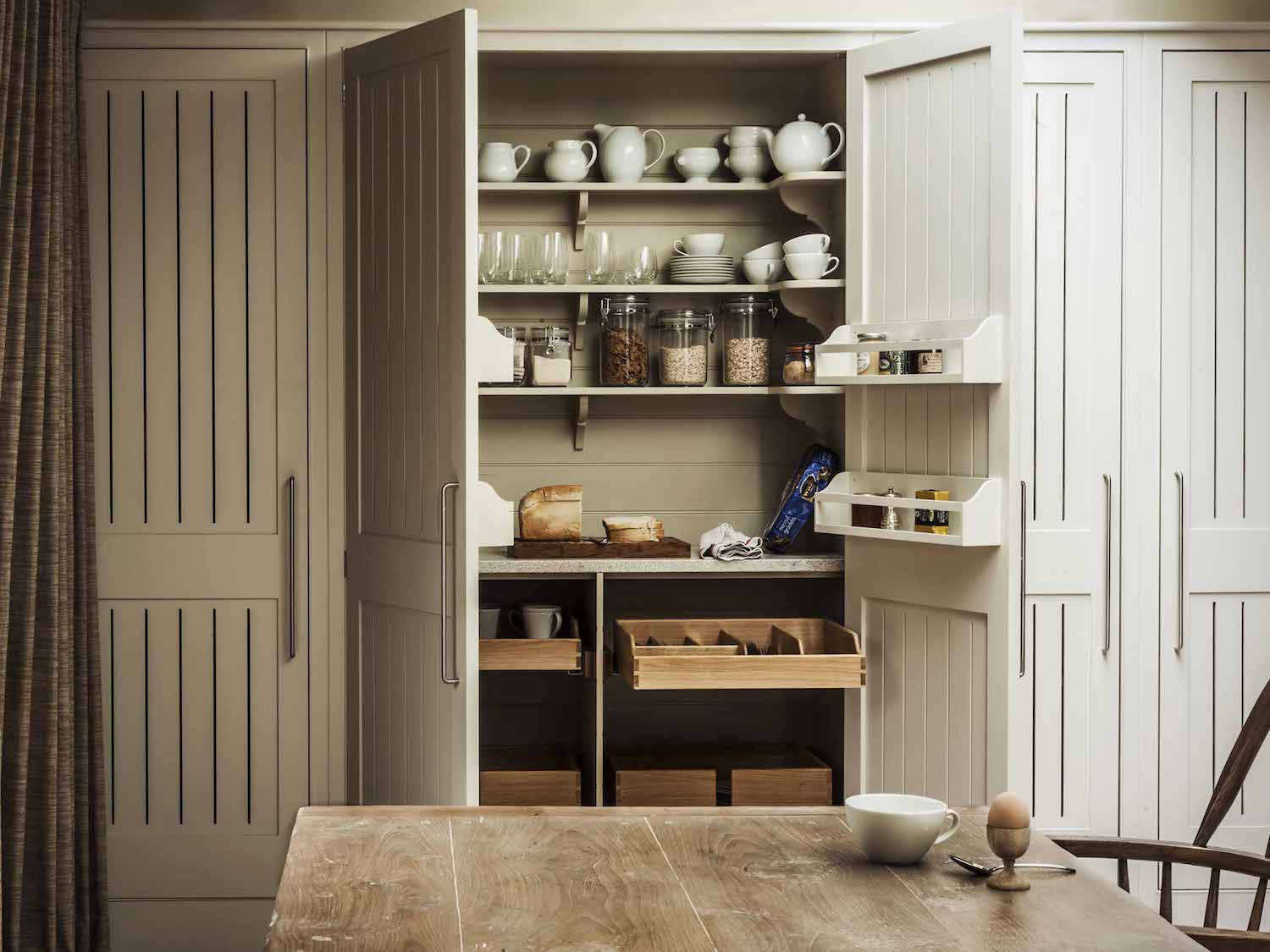
Note: This original article synthesizes current kitchen organization best practices from reputable U.S. home, design, lifestyle, and professional organizing sources for web publication.
The organized kitchen is having a moment, and frankly, it is about time. For years, the kitchen has been asked to do the job of a restaurant, homework station, coffee shop, snack depot, recycling center, pet-feeding zone, and family command centeroften while being approximately the size of a polite walk-in closet. No wonder the spatula drawer sometimes looks like it has filed a formal complaint.
“Trending on The Organized Home: The Organized Kitchen” is not just about making pantry shelves look pretty enough for a magazine photo. It is about building a kitchen that works hard, looks calm, and helps everyday life feel less like a scavenger hunt. The best kitchen organization ideas today focus on function first: clear zones, smart storage, visible ingredients, easy-to-reach tools, and fewer mystery containers with no lids.
The modern organized kitchen is stylish, yes, but it is not precious. It welcomes real cooking, real families, real messes, and the occasional cereal box that refuses to fit anywhere. The goal is not perfection. The goal is a kitchen where dinner does not begin with the phrase, “Where did I put the garlic powder?”
Why the Organized Kitchen Is Trending Now
Kitchen organization has moved from a “someday project” to a lifestyle priority because people are spending more time thinking about how their homes actually function. Open shelving, compact kitchens, appliance-heavy counters, bulk grocery shopping, and busy weekday routines all create one obvious truth: a kitchen without a system becomes cluttered fast.
Current trends in home organization emphasize visibility, flexibility, and simplicity. Clear bins, drawer dividers, pull-out shelves, lazy Susans, pantry zones, cabinet risers, and appliance garages are popular because they solve daily problems without requiring a full renovation. A well-organized kitchen does not need to be enormous. It needs to be intentional.
The Organized Home approach favors storage that is smart, beautiful, and realistic. That means fewer random baskets bought in a moment of optimism and more thoughtful systems based on what you actually cook, eat, and use. A family that makes smoothies every morning needs a different setup than someone whose oven is mostly used for storing baking sheets. No judgment. The oven is spacious.
The First Rule: Declutter Before You Buy Anything
Before shopping for containers, shelves, racks, bins, labels, and that very persuasive bamboo drawer organizer, start with decluttering. Buying organizing products before editing your kitchen is like buying a fancy suitcase before deciding whether you are packing clothes or a bowling ball collection.
Take everything out of one zone at a time: pantry shelf, utensil drawer, food storage cabinet, spice area, under-sink cabinet, or countertop. Do not empty the entire kitchen at once unless you enjoy chaos as a cardio workout. Sort items into simple groups: keep, relocate, donate, recycle, and toss.
What to Remove First
Start with expired food, duplicate utensils, chipped mugs, warped food containers, lidless storage tubs, broken gadgets, and small appliances you have not used in a year. Also remove non-kitchen items that have drifted into drawers: receipts, batteries, school papers, tape, mystery screws, and that one pen that works only when it feels emotionally supported.
The best organized kitchens are not packed with more stuff. They are edited so the useful things have room to breathe. Once clutter is reduced, storage solutions become easier, cheaper, and more effective.
Create Kitchen Zones That Match Real Life
A kitchen works better when every area has a job. Professional organizers often recommend zoning because it reduces wasted movement and makes cleanup easier. Instead of storing items wherever they fit, store them where they are used.
Essential Kitchen Zones
A practical organized kitchen usually includes a prep zone, cooking zone, baking zone, beverage zone, snack zone, food storage zone, cleaning zone, and serving zone. The prep zone should include cutting boards, knives, mixing bowls, measuring cups, and frequently used seasonings. The cooking zone belongs near the stove and should hold pots, pans, oils, spatulas, tongs, and everyday spices.
The baking zone can include flour, sugar, baking powder, chocolate chips, sheet pans, cooling racks, and measuring tools. The beverage zone might hold coffee, tea, mugs, filters, sweeteners, water bottles, and travel cups. Snacks should be easy to see and easy to grab, especially if children or busy adults are involved. In other words, keep the granola bars where people can find them before they start opening cabinets like contestants on a game show.
Make the Pantry Visible and Logical
The pantry is the heart of kitchen organization. It is also where good intentions go to hide behind three half-open bags of pasta. A well-organized pantry saves time, reduces food waste, and makes grocery planning easier.
Start by grouping food into categories: breakfast, baking, canned goods, grains, pasta, snacks, sauces, oils, spices, drinks, back stock, and quick meals. Keep everyday items at eye level. Store occasional-use items higher or lower. Place heavy items on lower shelves for safety and convenience.
Clear Containers: Helpful, Not Mandatory
Clear airtight containers are useful for dry goods such as rice, flour, sugar, oats, cereal, lentils, and pasta. They make ingredients visible and can prevent bulky packaging from taking over shelves. But decanting every single item is not required. If pouring pretzels into a matching container makes your life better, wonderful. If it turns grocery day into a part-time job, skip it.
The smarter approach is selective decanting. Use containers for foods you buy regularly and use often. Keep labels simple: item name, expiration date if needed, and cooking instructions when useful. For packaged snacks, open bins or baskets often work better than canisters because they are faster to restock.
Use Labels Like a Friendly GPS
Labels are not just decorative. They tell everyone in the house where things belong. A labeled pantry has a better chance of staying organized because the system is visible. Without labels, a basket becomes “miscellaneous,” and miscellaneous is where organization goes to take a nap.
Use labels for pantry categories, spice jars, baking containers, bins, shelves, and drawers. Keep the language simple: “Snacks,” “Breakfast,” “Pasta,” “Baking,” “Coffee,” “Lunch Supplies,” and “Back Stock.” Fancy labels are optional. Painter’s tape and a marker can work beautifully, especially while testing a new layout.
Upgrade Cabinets Without Remodeling
Kitchen cabinets often hide more wasted space than people realize. Deep lower cabinets can swallow small appliances, lids, pans, and cleaning supplies. Upper cabinets can become a tower of bowls stacked with the optimism of an engineer and the stability of a toddler.
Simple upgrades can make cabinets dramatically more functional. Pull-out shelves bring items forward so nothing disappears in the back. Shelf risers double vertical space for plates, bowls, mugs, and pantry goods. Lazy Susans work well for oils, vinegars, condiments, spices, and under-sink supplies. Vertical dividers make baking sheets, cutting boards, serving trays, and muffin tins easier to grab.
Think Vertically
Vertical storage is one of the most underrated kitchen organization ideas. Instead of stacking pans and boards horizontally, store them upright. This reduces clatter, prevents scratches, and eliminates the classic avalanche caused by trying to remove the bottom baking sheet from a pile of twelve.
Use file sorters, rack dividers, tension rods, or dedicated cabinet organizers. The result is simple: open the cabinet, grab what you need, close the cabinet, continue life with dignity.
Organize Drawers for Speed
Drawers are prime kitchen real estate because they bring items to you. A drawer with dividers can be more efficient than a cabinet shelf because you can see everything from above. Utensils, spices, towels, food wraps, measuring tools, knives, and small gadgets all benefit from drawer organization.
Adjustable bamboo dividers, expandable trays, and modular bins are popular because they can change as your needs change. Avoid overfilling drawers. If a drawer needs two hands, a prayer, and shoulder strength to close, it is no longer a drawer. It is a warning sign.
The Junk Drawer Needs Boundaries
A kitchen junk drawer can exist, but it needs structure. Use small dividers for tape, pens, scissors, batteries, clips, rubber bands, and charging cords. Limit the drawer to items that are genuinely useful in the kitchen or household command center. Anything else should move to an office, garage, entryway, or trash bin.
Clear the Countertops
Countertops influence how organized a kitchen feels. Even a clean kitchen can look chaotic if every appliance, jar, cutting board, mail pile, and water bottle lives on the counter. The goal is not to create an empty showroom. The goal is to keep counters available for cooking.
Leave out only what you use daily or what adds genuine function. For many homes, that might be a coffee maker, toaster, knife block, fruit bowl, and dish soap. Appliances used weekly can move to an easy-access cabinet. Appliances used twice a year can live in a less convenient storage area.
Appliance Garages and Hidden Stations
One major kitchen storage trend is the return of appliance garages and hidden stations. These spaces keep blenders, mixers, coffee tools, and toasters accessible but out of sight. You do not need a custom cabinet to apply the same idea. A dedicated cabinet shelf, rolling cart, pantry nook, or corner station can serve the same purpose.
The key is convenience. If storing the toaster means you never use it, the system has failed. If hiding the stand mixer gives you counter space and you can still lift it without needing a chiropractor, success.
Small Kitchen Organization: Make Every Inch Earn Its Keep
Small kitchens can be incredibly efficient when organized well. The secret is using overlooked spaces: cabinet doors, wall space, shelf height, narrow gaps, toe-kick areas, rolling carts, and the sides of cabinets.
Install hooks for measuring cups, mugs, towels, or lightweight tools. Add a magnetic strip for knives or metal spice tins. Use over-the-door racks for pantry items, wraps, or cleaning supplies. Choose nesting bowls, stackable containers, collapsible colanders, and multi-use tools whenever possible.
Do Not Let “Cute” Defeat “Useful”
Small kitchens are especially vulnerable to cute clutter. A charming butter dish, vintage cookie tin, decorative tray, colorful mug collection, and tiny ceramic garlic keeper may all be delightful individually. Together, they can stage a countertop rebellion. Keep personality, but edit it. Your kitchen should feel warm, not crowded.
Food Storage Containers: The Lid Situation Must Be Addressed
No organized kitchen is complete without confronting food storage containers. Everyone has opened a cabinet and been attacked by plastic lids. This is a universal experience, like losing one sock in the dryer or pretending to understand printer error messages.
Pull out every container and match each one with a lid. Recycle or discard warped, stained, cracked, or lidless pieces. Consider switching to one or two compatible container systems so lids fit multiple bases. Store lids vertically in a divider, bin, or rack. Stack containers by shape and size.
Keep only the quantity your household actually uses. A family that meal-preps may need many containers. A person who rarely saves leftovers may need fewer. The organized kitchen is personal, not performative.
The Under-Sink Cabinet Deserves Better
The under-sink cabinet is often the wild west of the kitchen. Cleaning sprays, dishwasher pods, trash bags, sponges, gloves, and mystery bottles gather there in dim lighting. A simple system can make it safer and easier to use.
Use a waterproof liner to protect the cabinet floor. Group cleaning supplies in bins or caddies. Store dishwasher tabs in a child-safe container if children are in the home. Use a small turntable for sprays or a pull-out drawer for easy access. Keep only kitchen-related cleaning products here and relocate anything unnecessary.
Design Trends That Support Kitchen Organization
Several current kitchen design trends support better organization. Butler’s pantries, sculleries, appliance garages, beverage stations, hidden pantries, and “bantry” concepts all share the same idea: create secondary zones that keep the main kitchen cleaner and more functional.
Not every home has room for a full butler’s pantry, but the idea can be scaled down. A coffee cabinet can act like a mini beverage station. A lower cabinet with pull-out shelves can become a hidden pantry. A small cart can serve as a baking station. A wall shelf can hold everyday dishes or breakfast supplies.
The trend is not about luxury for luxury’s sake. It is about reducing friction. When tools and ingredients are grouped by task, the kitchen feels easier to use.
How to Maintain an Organized Kitchen
Organization is not a one-time event. It is a set of small habits. The good news: maintaining an organized kitchen takes far less effort than repeatedly rescuing a chaotic one.
Try the 10-Minute Reset
At the end of the day, spend 10 minutes returning items to their homes. Clear counters, load or unload the dishwasher, wipe the prep area, put snacks back in their bin, and reset the sink zone. This short routine prevents small messes from becoming weekend projects.
Shop Your Pantry First
Before grocery shopping, check what you already own. This prevents buying the fourth jar of peanut butter while somehow still forgetting rice. Keep a small “use first” bin for open packages, near-expiration foods, and ingredients planned for upcoming meals.
Do a Monthly Mini-Edit
Once a month, review one kitchen category: spices, snacks, containers, mugs, cleaning supplies, or frozen food. Toss what is expired, donate what is unused, and adjust storage if your routine has changed. Small edits keep the system alive.
Common Kitchen Organization Mistakes
The most common mistake is organizing for fantasy life instead of real life. If you do not bake, you do not need a full baking command center. If your family eats snacks daily, hiding them on the highest shelf will only inspire climbing, complaining, or both.
Another mistake is overbuying containers. Matching bins can help, but too many bins can create clutter inside clutter. Storage should solve a problem, not become the problem. Also avoid making systems too complicated. If every cracker must be unboxed, decanted, labeled, alphabetized, and emotionally validated, no one will maintain it.
Finally, do not ignore household behavior. If people drop mail on the counter, create a small mail tray elsewhere. If lunch items scatter across the kitchen, build a lunch-making zone. If water bottles multiply like rabbits, assign one shelf and stop keeping every promotional bottle ever received at a 5K event.
Specific Examples for a More Organized Kitchen
For a busy family kitchen, create a breakfast station with cereal, oats, bowls, spoons, coffee, tea, mugs, and lunch snacks in one area. This reduces morning traffic and prevents cabinet-hopping before school or work.
For a small apartment kitchen, store baking sheets vertically, use a rolling cart for overflow pantry items, mount hooks inside cabinet doors, and choose stackable containers. Keep counters as open as possible so the kitchen feels larger.
For a home cook, place oils, salt, pepper, garlic, tongs, spatulas, and pans near the stove. Store knives and cutting boards near the main prep surface. Keep mixing bowls and measuring tools near baking ingredients. The kitchen should support movement like a well-rehearsed dance, not a confusing obstacle course.
For entertainers, create a serving zone with platters, napkins, glassware, cocktail tools, candles, and appetizer plates. If space allows, a beverage station or bantry-style cabinet can make hosting smoother and keep guests from wandering into the cooking zone asking where the bottle opener is.
Experience-Based Reflections: Living With an Organized Kitchen
The real beauty of an organized kitchen shows up during ordinary moments. It is not just the satisfaction of opening a tidy pantry, although that is definitely a small domestic thrill. It is the way an organized kitchen makes daily routines feel lighter.
Imagine making dinner after a long day. In a cluttered kitchen, the process begins with clearing the counter, hunting for a pan, checking whether the onion is still good, discovering three open bags of rice, and realizing the measuring spoons are hiding in the dishwasher. By the time cooking starts, you are already tired. The kitchen has taken an emotional cover charge.
In an organized kitchen, the experience changes. The cutting board is near the knives. The pan is easy to reach. The spices are visible. The pantry shows what you actually have. The trash bags are under the sink, not behind a leaning tower of cleaning bottles. These details may seem small, but together they create momentum.
One helpful experience is learning that organization does not need to look perfect to work perfectly. A pantry can have mismatched bins and still be excellent if everyone understands the system. A drawer can have simple dividers and still function beautifully. A label written with marker on tape can outperform an expensive label if it is clear and practical.
Another lesson: the best kitchen systems are forgiving. Life gets busy. Groceries get shoved onto shelves. Someone puts crackers in the pasta bin. A child returns a measuring cup to the snack drawer for reasons known only to children and possibly raccoons. A good system makes it easy to recover. When categories are clear and storage is not overfilled, resetting the kitchen takes minutes instead of hours.
The organized kitchen also changes how people shop. When you can see your food, you buy less duplicate inventory. You stop purchasing ingredients you already own. You become more creative with meals because the pantry is no longer a dark cave of forgotten cans. Even cooking confidence can improve because the space feels ready to help rather than ready to judge.
There is also a social benefit. In a well-zoned kitchen, guests and family members can help without asking twelve questions. Someone can unload the dishwasher because dishes have obvious homes. Someone can set the table because napkins and plates live together. Someone can make coffee without opening every cabinet like a detective investigating breakfast.
The biggest experience-based tip is to start small. Choose one drawer, one shelf, or one cabinet. Make it better today. Do not wait for the perfect weekend, perfect containers, or perfect motivation. Kitchen organization builds through small wins. A tidy spice drawer can lead to a better cooking zone. A better cooking zone can inspire a pantry reset. A pantry reset can make weeknight dinners easier.
And yes, there is joy in it. Not dramatic movie-ending joy, perhaps, but quiet, practical joy. The joy of finding the lid. The joy of seeing the counter. The joy of knowing exactly where the cinnamon is. The organized kitchen is not about showing off. It is about giving yourself a home that supports the way you live.
Conclusion: The Organized Kitchen Is a Smarter Kitchen
“Trending on The Organized Home: The Organized Kitchen” reflects a larger shift in how people think about home. A beautiful kitchen is wonderful, but a beautiful kitchen that also works well is even better. Organization turns cabinets, drawers, pantries, counters, and cleaning zones into tools for easier living.
The best kitchen organization ideas are simple: declutter first, create zones, store items where you use them, improve visibility, label clearly, use vertical space, and maintain the system with small resets. Whether you have a large kitchen with a walk-in pantry or a tiny kitchen with one heroic cabinet, thoughtful organization can make the space calmer, cleaner, and more enjoyable.
In the end, the organized kitchen is not about perfection. It is about fewer frustrations, smoother meals, smarter storage, and a home that feels easier to live in. Also, it is about finally winning the battle against the container lids. And honestly, that alone deserves applause.