The Kenwood Coin Light Fixture is the kind of lighting piece that does not quietly “blend in.” It arrives with the visual confidence of a factory door, a submarine hatch, and a very serious espresso machine all rolled into one. In a world full of polite little pendants that look like they were designed to apologize for taking up ceiling space, the Kenwood Coin says, “No worries, I brought character.”
At its core, this fixture belongs to the world of vintage industrial lighting. It is associated with restored explosion-proof-style lights, recognizable by heavy-duty construction, thick glass, cast metal parts, and a design language that was originally about survival, not selfies. But that is exactly why it works so well in modern interiors. The Kenwood Coin Light Fixture has the honest charm of a utilitarian object, yet it can look surprisingly refined when placed in a kitchen, dining nook, loft, hallway, creative studio, or moody home bar.
This guide explores what makes the Kenwood Coin special, how to style it, what to consider before installation, and why industrial pendant lights continue to attract homeowners, designers, collectors, and anyone who has ever looked at a bland ceiling and whispered, “We can do better.”
What Is the Kenwood Coin Light Fixture?
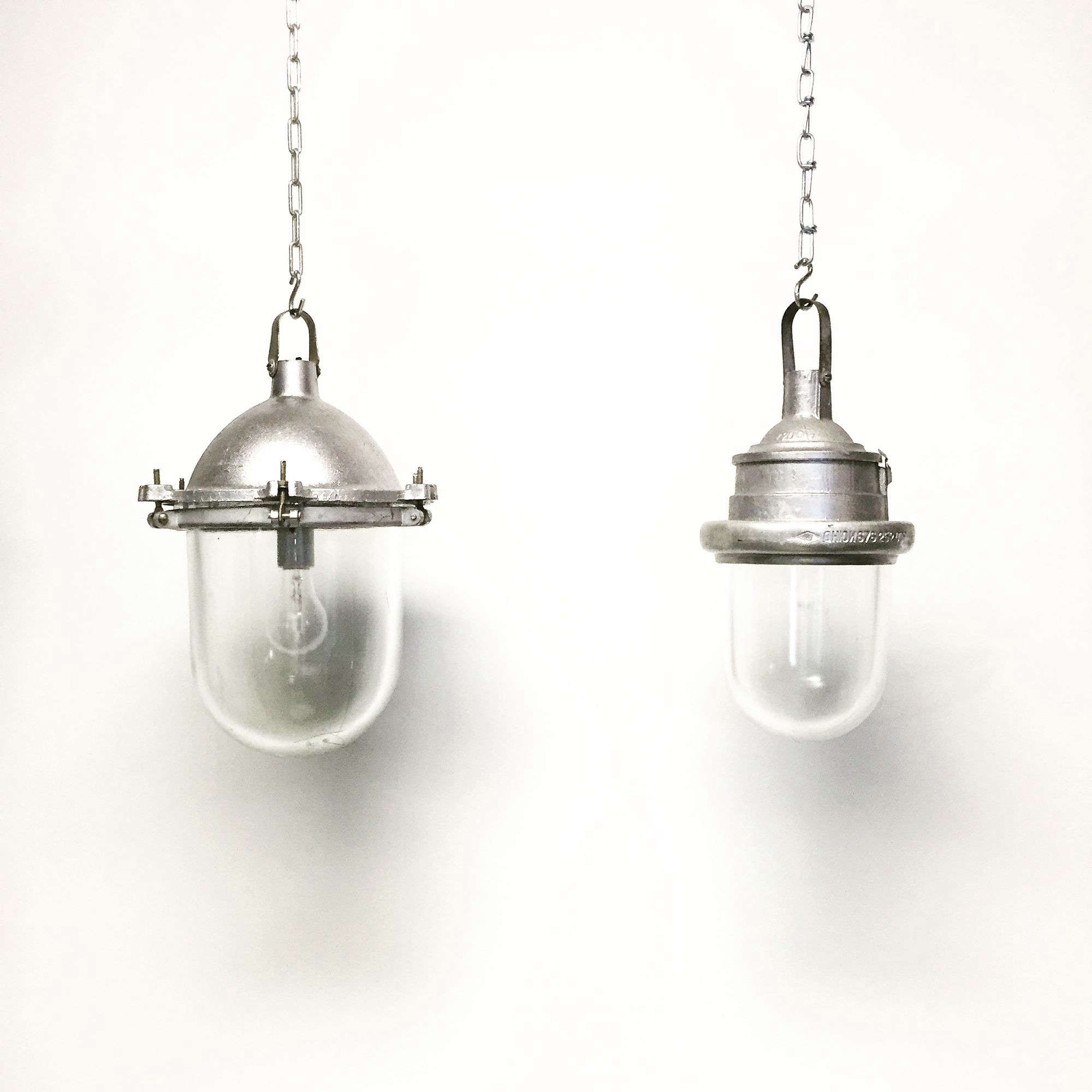
The Kenwood Coin Light Fixture is a compact industrial pendant-style light sold through the vintage and restored lighting world. Its defining features include a cast anodized aluminum fitter and a thick explosion-proof-style glass lens. The current product listing describes it as approximately 15 inches high and 12.25 inches in diameter, while older curated listings have shown slightly different dimensions, which is common with restored, salvaged, or small-batch vintage lighting pieces.
The word “coin” fits the fixture beautifully. The round, weighty lens gives it a pressed, circular presence, almost like a giant industrial token dropped from the ceiling by a very stylish vending machine. It is not delicate in the crystal-chandelier sense. Its beauty comes from mass, proportion, patina, and purpose.
Key Characteristics
The Kenwood Coin Light Fixture is best understood through four design traits:
- Heavy glass lens: The thick lens gives the fixture depth, texture, and a rugged visual identity.
- Cast aluminum body: The metal fitter adds durability and a clean industrial profile.
- Compact pendant shape: Its size makes it easier to use in kitchens, entries, bars, and workspaces.
- Vintage industrial personality: It carries the character of factory, military, and utility lighting without feeling like a theme-park prop.
Why Industrial Lighting Still Works in Modern Homes
Industrial lighting has lasted because it solves two problems at once: it provides useful illumination and adds architectural character. A room with plain drywall, flat cabinetry, and predictable finishes can suddenly feel more layered when a vintage industrial light enters the conversation. It is like adding a leather jacket to a white T-shirt. The outfit was fine before. Now it has a backstory.
The Kenwood Coin Light Fixture works especially well because it does not rely on ornate decoration. There are no dangling crystals, faux candle sleeves, or unnecessary curls of metal trying to win a beauty pageant. Instead, the design is direct: metal, glass, circle, glow. That simplicity makes it compatible with more styles than people expect.
Design Styles That Pair Well With the Kenwood Coin
Modern loft: Pair the fixture with brick, concrete, black-framed windows, open shelving, and leather furniture. It will look as if it has been there since the building had freight elevators.
Warm minimalist: Use it as a contrast piece against white oak, limewash walls, cream paint, and natural textiles. One rugged pendant can keep a minimalist room from becoming too precious.
Farmhouse industrial: Combine it with butcher block, aged brass, matte black hardware, and simple shaker cabinetry. The Kenwood Coin keeps the look grounded and prevents farmhouse style from drifting into decorative barn cosplay.
Moody traditional: In a dark library, whisky room, or dining nook, its thick glass and metal body add masculinity, texture, and a pleasing sense of permanence.
Commercial-inspired interiors: Coffee shops, restaurants, creative offices, and boutique retail spaces can use fixtures like this to suggest authenticity and craftsmanship.
The Appeal of the Thick Glass Lens
The lens is the star. A thick glass lens changes light in a way that thin glass cannot. It adds shadow, distortion, sparkle, and a sense of physical depth. When the bulb is on, the glass becomes more than a cover; it becomes part of the atmosphere.
In design terms, that matters. Many modern interiors are full of smooth surfaces: quartz counters, flat cabinet fronts, painted drywall, sealed floors, and glossy screens. A textured glass lens breaks up that smoothness. It creates highlights during the day and a warmer glow at night. It also photographs well, which is not the most noble reason to choose a fixture, but let us be honest: if a light looks good in real life and on Instagram, nobody is filing a complaint.
Where to Use the Kenwood Coin Light Fixture
1. Over a Kitchen Island
The Kenwood Coin can be a strong choice over a kitchen island, especially in pairs or a row of three depending on the island length. Because the fixture has visual weight, spacing matters. Too many heavy pendants can make a kitchen feel like it is wearing a helmet. Start with the island’s size, then choose the number of fixtures that gives balanced light without crowding the ceiling.
For most islands, pendants are commonly placed around 30 to 36 inches above the countertop. That range helps provide useful task lighting while preserving sightlines. If the ceiling is especially high, the fixture may need a longer drop for visual balance.
2. Above a Dining Table
Over a dining table, the Kenwood Coin Light Fixture becomes a conversation starter before the appetizers arrive. Its round lens echoes plates, bowls, and table settings, while the industrial body adds tension against softer elements like linen napkins, upholstered chairs, or a wood tabletop.
One fixture may work over a small round table. For a long rectangular table, two fixtures can create rhythm. Add a dimmer, and the room can move from “family dinner” to “tiny restaurant where the menu is handwritten and someone is definitely charging $16 for carrots.”
3. In an Entryway
An entryway is a smart place for a statement light because it sets the mood immediately. The Kenwood Coin says the home has taste, history, and possibly a very organized junk drawer. In a narrow foyer, make sure there is enough head clearance. In a larger entry, let the fixture hang low enough to feel intentional but high enough that tall guests do not meet it personally.
4. In a Home Office or Studio
The fixture’s industrial DNA makes it a natural fit for workspaces. It looks comfortable around desks, drafting tables, shelving, records, tools, and creative clutter. Use a warm LED bulb if the goal is atmosphere, or a higher-output bulb if the room needs functional light.
5. In a Powder Room or Small Bar
Small rooms love bold lighting. A powder room, pantry bar, or compact cocktail corner can handle more drama than a large open living room because the risk is contained. The Kenwood Coin adds instant personality, and in a small space, one fixture can do the decorative work of an entire mood board.
Choosing the Right Bulb
The bulb choice will determine whether the Kenwood Coin feels warm and inviting or harsh and interrogation-adjacent. For residential interiors, a warm white LED bulb is usually the safest choice. Look for color temperatures around 2700K to 3000K for dining areas, living spaces, and bedrooms. For kitchens, offices, or utility spaces, 3000K to 3500K can feel a little cleaner without turning the room into a hospital hallway.
Brightness should be selected by lumens, not watts. Watts measure energy use, while lumens measure light output. A 450-lumen bulb may be suitable for moody accent lighting, while 800 lumens or more may be better when the fixture needs to support real tasks. If the glass lens diffuses or reduces brightness, choose a bulb with enough output to compensate.
Recommended Bulb Features
- LED efficiency: LEDs use less energy and produce less heat than old incandescent bulbs.
- Dimmability: A dimmable bulb and compatible dimmer switch make the fixture more flexible.
- Warm color temperature: 2700K to 3000K is flattering for most home settings.
- Proper base and size: Always confirm the bulb fits inside the fixture and matches the socket.
- Suitable rating: Use bulbs approved for enclosed or semi-enclosed fixtures if the design limits airflow.
Installation and Safety Considerations
Because the Kenwood Coin Light Fixture is a restored or vintage industrial-style piece, installation deserves serious attention. A fixture may look rugged enough to survive a meteor shower, but that does not mean it should be installed casually. Have a qualified electrician inspect the wiring, mounting hardware, socket, canopy, and grounding before use.
The phrase “explosion-proof” can be confusing in residential design. Many vintage fixtures were originally built for demanding industrial environments, but a restored decorative fixture should not automatically be assumed safe for modern hazardous locations such as paint booths, fuel areas, chemical storage rooms, or industrial facilities. For any regulated environment, current certification, listing, and code compliance matter. In a normal home, the key concern is proper rewiring, secure mounting, and compatible bulbs.
Questions to Ask Before Buying
- Has the fixture been rewired for modern use?
- Is it UL listed or otherwise certified after restoration?
- What bulb type and maximum wattage or LED equivalent are recommended?
- Is the fixture suitable for damp locations, dry locations only, or another specific use?
- Does the ceiling box support the fixture’s weight?
- Are replacement lenses, gaskets, or hardware available?
How to Style the Kenwood Coin Without Overdoing It
The secret to styling a bold industrial light is restraint. The fixture already has a strong voice. You do not need to surround it with every vintage sign, metal stool, factory cart, and Edison bulb known to humankind. That road leads to “theme restaurant that serves fries in a tiny shopping cart.”
Instead, let the Kenwood Coin be the main industrial element and soften the rest of the room. Try warm wood, handmade ceramics, linen curtains, creamy walls, or a vintage rug. The contrast makes the fixture look intentional rather than accidental.
Best Color Palettes
Black, oak, and cream: A reliable combination for modern industrial warmth.
Olive, brass, and walnut: Adds depth and a slightly military-inspired richness without feeling costume-like.
Charcoal, white, and concrete: Ideal for lofts, studios, and minimalist spaces.
Terracotta, aged metal, and warm white: Softens the industrial edge and makes the fixture feel collected.
Kenwood Coin Light Fixture vs. Ordinary Pendant Lights
An ordinary pendant light usually provides one decorative gesture: a shade, a globe, a cone, or a simple metal form. The Kenwood Coin Light Fixture does more. It brings material history, texture, and a sense of engineered purpose. That does not automatically make it better for every home, but it makes it more memorable.
Choose the Kenwood Coin if you want a fixture that can anchor a room. Choose a simpler pendant if your space already has strong architectural features or if you prefer quiet lighting that stays in the background. Not every ceiling needs a main character. But when it does, this fixture auditions well.
Maintenance and Cleaning
Maintenance is straightforward but should be gentle. Dust the metal body regularly with a soft dry cloth. For the glass lens, use a non-abrasive cleaner and avoid harsh chemicals unless the seller recommends them. Vintage finishes and patina should be treated carefully. The goal is to clean the fixture, not erase its past like a suspicious browser history.
If the fixture includes rubber gaskets, inspect them occasionally. Older rubber can dry, crack, or loosen. If the pendant is used in a kitchen, wipe away grease buildup before it becomes a sticky museum exhibit. Always turn power off before cleaning near electrical components.
Who Should Buy the Kenwood Coin Light Fixture?
This fixture is ideal for homeowners and designers who appreciate authentic materials, industrial history, and lighting that doubles as sculpture. It is especially appealing if you dislike mass-produced decor that looks identical from one house to the next.
It may not be the best fit for someone seeking ultra-light, barely visible, or highly polished lighting. The Kenwood Coin has weight, presence, and a slightly tough attitude. It wants to be noticed. If your design philosophy is “everything beige and nobody make eye contact,” this may be too much personality. If your design philosophy is “give the room a pulse,” it may be exactly right.
Buying Tips for Vintage Industrial Fixtures
When shopping for a restored light fixture, do not judge only by the photo. Ask for measurements, weight, cord or stem options, bulb recommendations, condition notes, and certification details. If you are buying more than one, ask whether the fixtures truly match. Salvaged industrial lights often have small variations in finish, glass clarity, hardware, and wear. Those variations can be charming, but they should be expected.
Also consider ceiling height. A 15-inch-tall fixture can feel compact in a loft but substantial in a small room with an 8-foot ceiling. Measure carefully. Use painter’s tape, cardboard, or a hanging object to mock up the size. It may feel silly, but not as silly as discovering your new pendant visually eats the breakfast nook.
Final Thoughts: A Small Fixture With Big Character
The Kenwood Coin Light Fixture succeeds because it balances utility and beauty. It is rugged without being crude, compact without being forgettable, and vintage without feeling fragile. Its thick glass lens, cast aluminum body, and industrial profile make it a strong choice for rooms that need texture, history, and a little design courage.
Used thoughtfully, it can transform a simple space into something layered and memorable. It does not need a dramatic room to work. In fact, it often shines brightest in simple interiors, where its shape and materials can stand out clearly. The Kenwood Coin is not just a light fixture; it is a reminder that practical objects can become beautiful when they are built with purpose.
Personal Experience Notes: Living With a Fixture Like the Kenwood Coin
The first thing you notice about a fixture like the Kenwood Coin is not the light. It is the weight of the object visually. Even before installation, it feels different from a typical pendant. A lightweight shade may say, “I came from a catalog.” A restored industrial fixture says, “I have seen things, and one of them was probably a forklift.” That sense of history changes how you plan the room.
In practical use, the fixture tends to work best when the surrounding design gives it breathing room. I have seen industrial-style pendants look awkward when every other item in the room tries to compete with them. Exposed pipes, metal stools, black hardware, reclaimed wood, factory signs, concrete counters, and cage lights all in one space can feel like the room is yelling “industrial” through a megaphone. The better approach is to let one or two elements carry the theme. A Kenwood Coin over a clean wood table, for example, feels confident. A Kenwood Coin surrounded by twelve other rugged objects may feel like a hardware store with seating.
Another experience-based lesson: bulb choice matters more than expected. A clear bulb can highlight the glass and make the fixture sparkle, but it may create glare if the pendant hangs low. A frosted bulb softens the effect and is often friendlier over dining tables or islands. Warm light usually makes the metal and glass feel richer. Cool light can work in a studio or workspace, but in a dining area it may make dinner look like a product inspection. Unless you regularly serve soup with a clipboard, warm is safer.
Cleaning is also part of the ownership experience. Thick glass lenses collect dust, fingerprints, and kitchen film if installed near cooking areas. The good news is that the fixture’s rugged look forgives a little imperfection. The bad news is that grease does not care about your design vision. A quick wipe every few weeks keeps the glass from losing its glow. Use soft cloths and gentle cleaners, especially around old finishes.
The biggest reward is atmosphere. When dimmed in the evening, a fixture like this can make an ordinary room feel more grounded. It adds shadow and depth. It gives the ceiling a focal point. Guests notice it, but not in the “where did you buy that trendy thing?” way. They ask what it is, where it came from, and whether it is old. That is the magic of restored industrial lighting: it starts conversations without trying too hard.
If you are considering the Kenwood Coin Light Fixture, treat it as both lighting and architectural detail. Measure carefully, hire a professional for installation, choose the bulb thoughtfully, and resist the urge to over-theme the room. Do that, and the fixture will feel less like decoration and more like a discovered object that finally found the right ceiling.