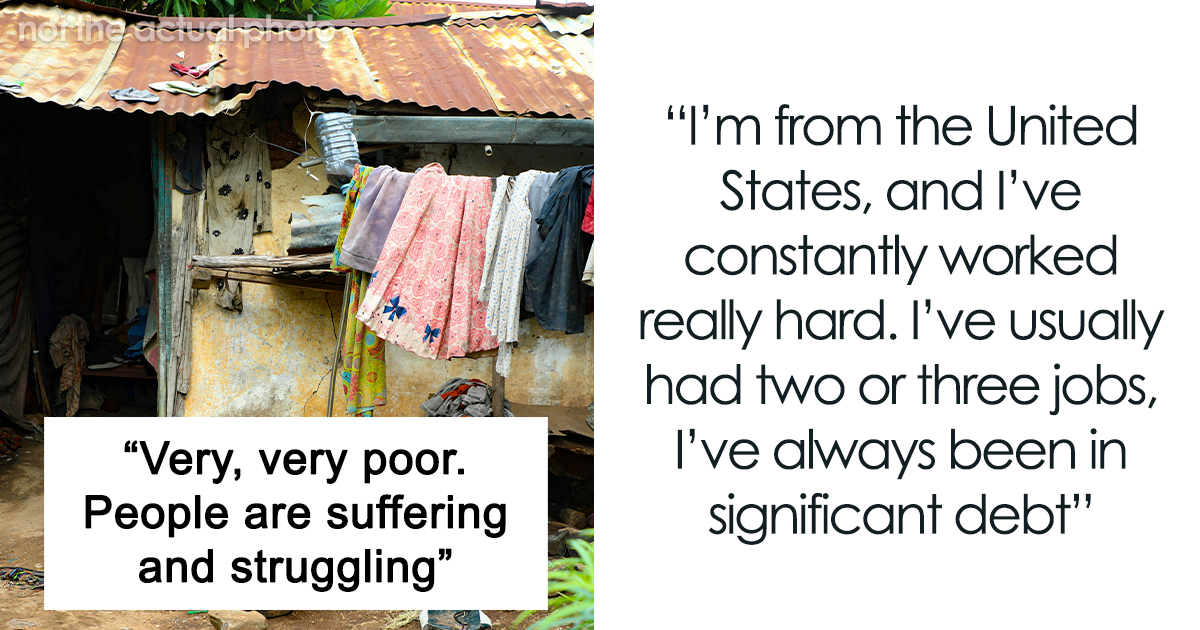
There is a particular kind of daydream that appears when your inbox is growling, your rent is doing Olympic high jumps, and your boss says “circle back” for the fourth time before lunch. In that daydream, you quit everything, pack one poetic-looking suitcase, move somewhere beautiful, and finally discover the slow, meaningful life you were clearly born to live. No Slack notifications. No overpriced oat milk. No mystery subscription charging your card every month like a tiny financial vampire.
That fantasy collided with reality for one American who reportedly quit their jobs, took their savings, and moved to an African country in search of a simpler, more intentional life. The dream sounded romantic: fewer distractions, deeper community, slower days, and a life less controlled by the usual American treadmill. But according to the story that went viral, the move quickly became a crash course in culture shock, financial stress, bureaucracy, isolation, and the uncomfortable discovery that “simple” does not always mean “easy.”
The story resonated because it was not only about one person’s bad relocation plan. It was about a modern temptation: treating another country as a cure for burnout. Moving abroad can be rewarding, even life-changing, but it is not a magic portal. If you bring unrealistic expectations, poor planning, limited cash, and a suitcase full of assumptions, the “simple life” may greet you at the airport with paperwork, mosquito repellent, spotty Wi-Fi, visa rules, and a polite reminder that local people are not background characters in your personal reinvention movie.
The Fantasy: Leaving America for a Slower Life
The appeal is easy to understand. Many Americans are exhausted by high living costs, demanding work schedules, healthcare worries, political noise, and the feeling that life has become one long receipt. Social media makes the alternative look beautifully simple: a sunny village, fresh food, friendly neighbors, handmade furniture, and mornings that begin with birds instead of alarms.
For someone burned out by multiple jobs, the idea of moving to Africa may seem like the ultimate reset. Africa, however, is not a single lifestyle, a single economy, or a single culture. It is a vast continent of more than 50 countries, with megacities, rural villages, luxury neighborhoods, informal settlements, tech hubs, beaches, deserts, mountains, farms, and everything in between. A life in Cape Town, Accra, Nairobi, Lagos, Kigali, or a small rural community can be wildly different. Treating “Africa” as one simple place is mistake number one, and unfortunately it is a very popular mistake.
The American in the viral story appeared to want a slower life, but the problem was not the desire itself. Wanting less chaos is reasonable. Wanting more community is human. Wanting to stop feeding your soul into a corporate paper shredder is not exactly outrageous. The trouble begins when “slow life” becomes a fantasy built on someone else’s reality.
Why the Dream Backfired
Relocation dreams usually collapse for boring reasons. Not dramatic movie reasons. Not “a lion stole my luggage” reasons. More often, the trouble is administrative, financial, emotional, and deeply unglamorous. The person in the story reportedly discovered that the move was harder than expected because daily life required patience, local knowledge, legal preparation, and a financial cushion larger than “I hope this works out.”
1. Savings Disappear Faster Than Confidence
A lower cost of living does not mean no cost of living. Rent, transportation, medical care, household setup, visa renewals, banking fees, imported goods, emergency travel, and “I did not know I needed that” purchases can eat through savings quickly. Moving abroad often includes upfront expenses that tourists never see: deposits, furniture, local SIM cards, legal help, document translations, permits, insurance, transportation mistakes, and the occasional fee that seems to have been invented five minutes before you arrived.
Many Americans compare the price of a meal or apartment online and assume the whole lifestyle will be cheaper. That is like judging a restaurant by the free mint at the door. Yes, some daily costs may be lower than in the United States, but the total budget depends on location, lifestyle, healthcare needs, immigration status, income source, currency swings, and whether you can live like a local rather than importing an American comfort bubble.
2. Visa Rules Do Not Care About Your Vibes
One of the least romantic parts of moving abroad is immigration law. A passport may let you enter a country, but it does not automatically let you live there, work there, start a business, rent long-term, or stay indefinitely. Different African countries have different visa categories, work permits, residence permits, investor rules, volunteer restrictions, tax obligations, and renewal processes.
This is where many dream moves get wobbly. A person may arrive thinking, “I’ll figure it out,” only to learn that figuring it out requires appointments, forms, fees, proof of income, background checks, bank statements, medical records, passport photos, and a level of patience usually reserved for assembling furniture with instructions translated by a sleepy robot.
3. “Simple” Can Mean Less Convenient, Not Less Stressful
In the American imagination, simple living often means charming simplicity: walking to the market, cooking fresh food, knowing your neighbors, and having time to breathe. In real life, simple can also mean slower repairs, unreliable power in some areas, limited internet options, fewer consumer protections, longer travel times, language barriers, and complicated access to specialized healthcare.
None of this means life in African countries is bad. It means life is local. People who live there already know how to navigate systems, relationships, expectations, and workarounds. A newcomer who arrives with money but no humility may find that every ordinary errand becomes a pop quiz. Where do you buy gas? Which taxi is fair? Is this neighborhood safe at night? Which clinic is reliable? Can your U.S. card work? Why is the bank asking for another document? Why is the document office closed? Why is the office open but the one person who stamps the form is at lunch until the next lunar cycle?
4. Culture Shock Is Not a Cute Travel Montage
Culture shock is more than missing familiar snacks. It is the mental and emotional strain of losing your usual shortcuts. You may not understand local humor, social rules, negotiation styles, privacy norms, gender expectations, religious customs, or the rhythm of business. Even when people are kind, you may feel foolish, dependent, and lonely.
In the viral story, commenters criticized the American for sounding entitled. That criticism points to a bigger lesson: moving to another country requires respect, not main-character energy. A local community is not an escape room designed to teach you gratitude. People are living their real lives, with their own histories, pressures, ambitions, and frustrations. If you arrive expecting a country to heal you, entertain you, and make life cheaper, you may be disappointedand you may also annoy everyone within conversational distance.
The Bigger Issue: Romanticizing Poverty and “Authenticity”
One reason the story sparked such strong reactions is that Westerners sometimes romanticize places they do not fully understand. They see rural life and call it “simple.” Locals may call it hard work. They see fewer luxury goods and call it “authentic.” Locals may call it limited access. They see slower systems and call them “peaceful.” Locals may call them under-resourced, bureaucratic, or frustrating.
There is a fine line between appreciating a slower pace and glamorizing other people’s constraints. A person from a wealthy country can often leave when things become uncomfortable. Local residents usually cannot treat their own country as an aesthetic experiment. That is why responsible relocation starts with humility. The goal should not be to consume a culture as a wellness product. The goal should be to learn, contribute respectfully, obey local laws, and build a life that does not depend on fantasy.
What Americans Often Forget Before Moving Abroad
Moving abroad is not just travel with extra luggage. It is a legal, financial, medical, and emotional project. Americans who relocate still have U.S. obligations, including potential tax filing requirements. They may need to report foreign bank accounts if balances exceed certain thresholds. They need health insurance that works where they live. Retirees should understand how Social Security and Medicare function outside the United States. Workers need to know whether they are allowed to earn money locally or remotely from that country.
These are not tiny details. They are the foundation. Without them, a dream move can become an expensive retreat with worse Wi-Fi.
Taxes Can Follow You Like a Very Determined Pigeon
Some Americans assume leaving the United States means leaving the U.S. tax system. That assumption can become painfully expensive. U.S. citizens and resident aliens generally must report worldwide income if they meet filing requirements. Some expats qualify for exclusions or credits, but those benefits usually require filing properly. Translation: the IRS does not wave goodbye at the airport and say, “Have fun, bestie.”
Healthcare Needs a Real Plan
Healthcare access varies widely by country and by region within a country. A city may have modern hospitals and specialists, while rural areas may have limited facilities. Travel health preparation may include vaccines, malaria prevention in certain regions, prescription planning, and medical evacuation coverage. Older Americans also need to know that Medicare usually does not cover healthcare outside the United States, except in limited situations.
Banking Is Not Always Plug-and-Play
Banking abroad can be surprisingly complicated. Some foreign banks are cautious with U.S. citizens because of compliance rules. Some U.S. banks may flag foreign transactions or require a U.S. phone number for two-factor authentication. Currency exchange fees can nibble at a budget like termites in designer sunglasses. A smart relocation plan includes backup cards, emergency cash, digital access, local account research, and a way to receive money if one system fails.
How a “Simple Life” Move Could Have Worked Better
The lesson is not “never move to Africa.” That would be lazy and wrong. Many Americans build fulfilling lives in African countries as employees, entrepreneurs, retirees, students, spouses, volunteers, artists, researchers, and long-term residents. The lesson is that a successful move requires preparation and respect.
A better plan would begin with a long trial stay, not a dramatic life detonation. Spend three to six months in the specific country and city or town you are considering. Live on a realistic monthly budget. Rent locally. Use local transportation. Visit clinics. Test internet speed during work hours. Learn basic phrases in the local language. Talk to residents, not just expats. Ask what newcomers misunderstand. Study visa rules before arrival. Build an emergency fund that can cover a flight home, medical care, and several months of expenses.
Most importantly, do not quit every job and burn every bridge unless you have a durable income plan. A remote job, freelance contracts, savings, pension, or business income can make the difference between adventure and panic. Dreams are lovely. Dreams with spreadsheets are better.
Specific Examples of Problems New Expats May Face
Imagine someone moves to a rural area expecting to spend very little. They find cheap rent, but the nearest reliable clinic is hours away. The internet is good in the morning but weak in the evening. Fresh local food is affordable, but imported medicine is expensive. The nearest immigration office requires multiple visits. Their U.S. bank blocks a transaction. Their landlord wants a longer lease commitment. Their phone breaks, and replacing it costs more than expected. Nothing is catastrophic by itself, but together these issues turn the “simple life” into a daily obstacle course.
Now imagine someone moves to a major city. They find good restaurants, coworking spaces, and international schools, but the cost is much higher than the YouTube videos promised. Rent in desirable neighborhoods can be competitive. Traffic can be intense. Social life may depend on professional networks. Safety habits may differ by area. Suddenly, the person who moved to escape American expenses is paying premium prices to recreate an American lifestyle abroad. Congratulations: they have invented international suburbia, now with more paperwork.
The Emotional Backfire: When Escape Does Not Fix Burnout
One of the most important parts of this story is psychological. Burnout can make any alternative look heavenly. But if the core problem is exhaustion, unresolved stress, loneliness, poor boundaries, or lack of purpose, moving abroad may only change the scenery. The same anxiety can reappear under a different sky.
A slower environment may help, but it cannot do all the work. You still need routines, friendships, meaningful activity, financial stability, and emotional resilience. Without those, the quiet life may become too quiet. The peaceful village may feel isolating. The charming difference may become daily frustration. The fresh start may begin to feel like being lost with better weather.
This is why the American’s story hit a nerve. Many people recognized the fantasy. Many also recognized the arrogance of thinking a place can be reduced to a personal escape plan. The backfire was not just logistical. It was philosophical. The person wanted simplicity but may not have understood the complexity that supports any real life, anywhere.
What Readers Can Learn From the Story
The first lesson is to research the exact destination, not the continent. Saying “I’m moving to Africa” is like saying “I’m moving to Asia” or “I’m moving to Europe.” It is too broad to be useful. Choose a country, then a city or region, then a neighborhood. Study laws, costs, culture, climate, transportation, healthcare, banking, and safety.
The second lesson is to separate travel happiness from living happiness. A place that feels magical for two weeks may feel complicated after six months. Vacation removes chores. Life brings them back wearing boots.
The third lesson is to respect local people as experts in their own environment. Listen more than you lecture. Do not compare everything to the United States as if America is the default setting for planet Earth. Ask better questions. Learn the history. Understand local etiquette. Support local businesses fairly. Avoid treating poverty, rural labor, or traditional lifestyles as props for your personal brand.
The fourth lesson is to keep an exit plan. That does not mean expecting failure. It means being an adult. Keep emergency funds, digital copies of documents, contact information for the nearest U.S. embassy or consulate, medical records, insurance details, and a plan for returning or relocating if needed.
Additional Experiences and Practical Reflections
People who have lived abroad often describe the first months as a strange mix of wonder and humiliation. One day, you are proud because you successfully bought vegetables in a new language. The next day, you are defeated by a washing machine, a bus schedule, or a government form that seems to have been designed by a committee of riddles. This is normal. The early stage of relocation can make even capable adults feel like toddlers with bank cards.
A useful experience is to test your “simple life” dream before making it permanent. Spend a month living with the rules you imagine: cook at home, use public transportation, avoid expensive expat hangouts, shop locally, and track every dollar. Do not stay only in hotels or tourist neighborhoods. If you plan to work remotely, work remotely during the trial. If you need medication, refill it locally and see how the process works. If you want community, attend local events respectfully and see whether you can build real relationships beyond small talk.
Another common experience is realizing that convenience is invisible until it disappears. In the United States, many systems are annoying but familiar. Abroad, even a simple task can take extra time because you do not know where to go, what to bring, whom to ask, or what price is fair. This does not make the new country worse. It means you are new. The learning curve is the tuition you pay for the life you said you wanted.
Money also feels different abroad. A person may spend less on rent but more on transportation, imported products, international school fees, private healthcare, generator fuel, visas, flights, or maintaining ties back home. A cheap lifestyle is possible in many places, but cheap for whom? A local salary and a foreign savings account create different realities. Ethical expats think about that gap. They do not brag about how inexpensive everything is when local people may be dealing with wages, inflation, and limited opportunity.
There is also the social side. At first, being a foreigner can feel exciting. People ask where you are from. You collect stories. Everything is new. Later, the novelty fades and the deeper question appears: Do I belong here? Belonging takes time. It grows through consistency, humility, language learning, shared responsibility, and showing up when life is not Instagram-ready. If you only came for a cheaper lifestyle, you may struggle when the emotional bill arrives.
The best relocation stories usually share the same ingredients: patience, local friendships, realistic money, legal status, health preparation, flexible expectations, and genuine respect. The worst stories often begin with dramatic escape: quit everything, sell everything, move immediately, assume it will work, and then blame the destination when fantasy meets reality.
So, did the American’s dream of a simple life backfire? Yes, but not because moving to Africa is a bad idea. It backfired because a dream without preparation can become a very expensive lesson. The better dream is not “run away and become a new person.” The better dream is “learn enough to become a respectful resident, wherever you go.” That version is less cinematic, but it has a much higher chance of surviving contact with real life.
Conclusion
The viral story of an American quitting their jobs, spending their savings, and moving to Africa for a simple life is a cautionary tale with a useful message: relocation is not therapy, another country is not a fantasy backdrop, and simplicity is not guaranteed by geography. Moving abroad can be beautiful, but it rewards people who prepare carefully, respect local realities, and understand that every place has trade-offs.
The simple life is not found by escaping responsibility. It is built by choosing responsibilities that match your values. Sometimes that happens overseas. Sometimes it happens at home. Either way, bring humility, bring a budget, bring backup documents, and for heaven’s sake, bring more than vibes.
SEO Tags
Note: This article is written for editorial and informational purposes, using real relocation issues and publicly available guidance about Americans living abroad. It does not describe every African country or every expat experience, because Africa is diverse and each destination requires country-specific research.