Dress shoes are a little like politicians and white sofas: they look fantastic right up until real life happens. You buy a sharp pair of Oxfords, wear them twice, glance down, and there it isthat first crease across the vamp, smiling at you like it pays rent. The good news is that not every crease is a tragedy. The better news is that many creases in smooth leather dress shoes can be softened, reduced, and made far less obvious with the right care.
If you are searching for practical ways to remove creases from dress shoes, you do not need a science lab, a mystical potion, or a shoe-shaman with excellent lighting. What you need is patience, a basic understanding of leather, and a few reliable shoe-care habits. In this guide, we will cover four effective methods, explain when to use each one, and show you how to keep those creases from marching back like they own the place.
Why Dress Shoes Crease in the First Place
Before we talk fixes, let’s clear up one important point: some creasing is normal. Smooth leather bends every time your foot bends. If your shoes never creased at all, they would probably feel like tiny wooden boats strapped to your feet. That is not fashion. That is punishment.
Still, some factors make creasing worse. Moisture trapped inside the shoe, dry leather, poor fit, daily wear without rest, and lack of shoe trees can all speed up the process. Deep creases can eventually lead to cracking, which is why it pays to treat the issue early instead of waiting until your dress shoes look like they just completed a stressful tax season.
Before You Start: Check the Material
These methods work best for smooth leather dress shoes, including Oxfords, derbies, loafers, monk straps, and many leather dress boots. If your shoes are made from suede, nubuck, patent leather, or synthetic material, do not blindly follow the same routine. Those materials need different care, and heat in particular can go from “helpful” to “why did I do that?” very quickly.
Also, clean the shoes first. Dust, grit, and dirt sitting on the leather can grind into the surface while you work, which is the exact opposite of progress.
Way #1: Use Cedar Shoe Trees and Let the Shoes Rest
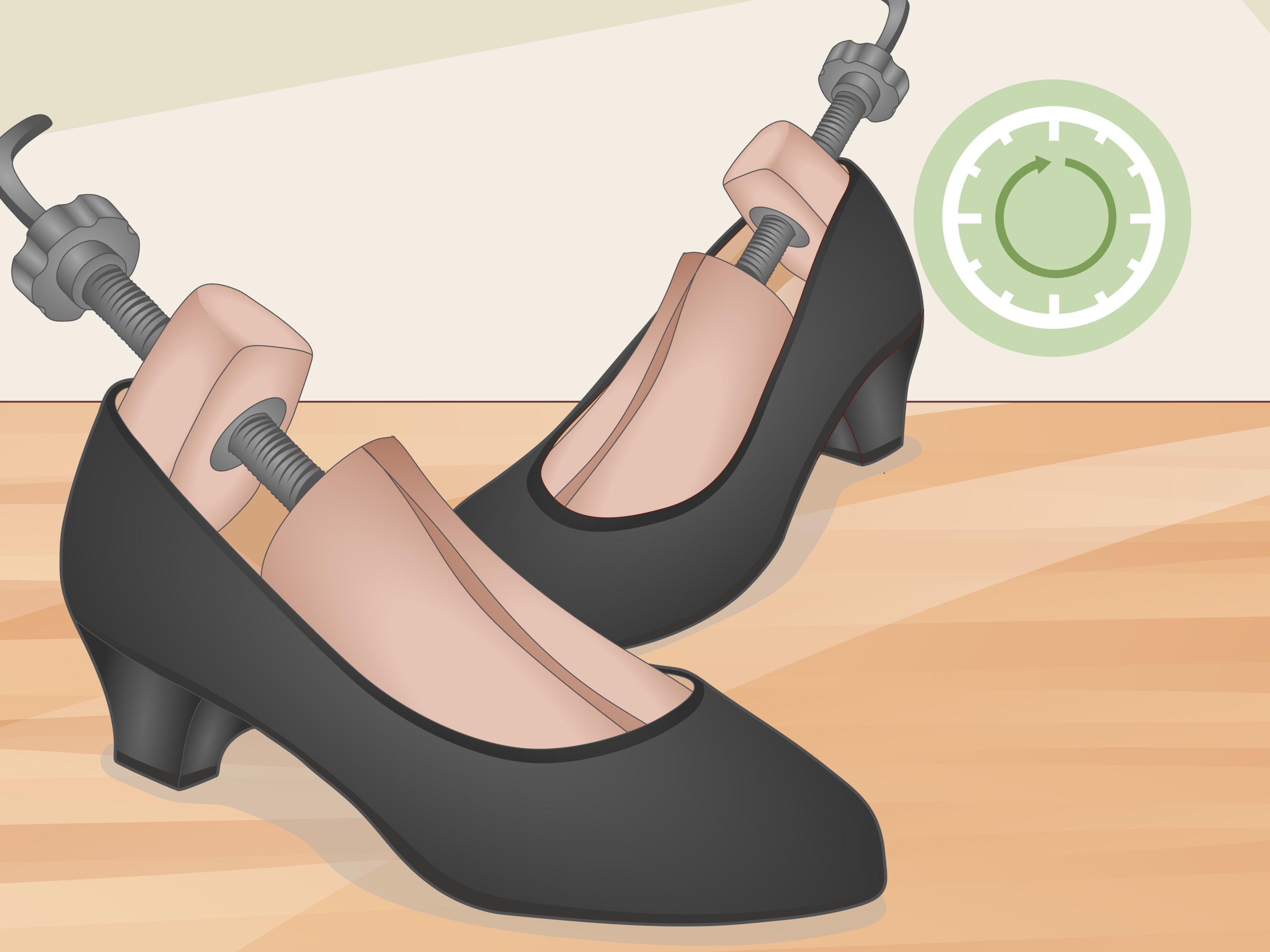
If the creases are still fairly fresh and shallow, this is the safest first move. In fact, for many pairs of dress shoes, this is less “tip” and more “basic adult responsibility.” Cedar shoe trees help the leather hold its shape, pull moisture from the interior, and reduce the conditions that make creases deepen over time.
How to do it
- Take the shoes off and let them cool for a few minutes if your feet have turned them into mini saunas.
- Insert properly sized cedar shoe trees while the leather is still settling from wear.
- Leave the shoe trees in overnight or, better yet, until the next wear.
- Rotate your shoes so the pair gets at least a day of rest before you wear it again.
Why it works
Fresh creases are often made worse by lingering moisture and collapsed shape. Shoe trees gently push the upper back into form while the cedar helps absorb moisture. Over time, this prevents light creases from becoming those dramatic, canyon-like folds that make otherwise handsome shoes look tired.
Best for
Light creases, daily maintenance, and brand-new dress shoes you want to keep looking sharp. This is the easiest and least risky method, and it should be your default move even if you use one of the other methods later.
Way #2: Condition the Leather and Massage the Creased Area
Leather that is dry tends to look rougher, feel stiffer, and hold onto creases like a grudge. A quality leather conditioner or cream can soften the surface, improve flexibility, and make fine creases much less noticeable. Think of it as moisturizer for shoes, only with less spa music and more horsehair brushing.
How to do it
- Remove surface dust with a soft cloth or horsehair brush.
- Insert shoe trees so the leather is supported from underneath.
- Apply a small amount of leather conditioner or shoe cream to a clean cloth.
- Work it into the creased area using gentle circular motions.
- Use your fingers to lightly massage and smooth the crease while the leather is supple.
- Let the product absorb, then buff the shoe with a clean brush or cloth.
Why it works
Conditioner helps restore some of the moisture and flexibility leather loses through wear, dry air, and friction. That softens the look of light wrinkles and helps the leather settle into a smoother shape. It also reduces the odds of the leather drying out and eventually cracking.
Best for
Minor to moderate creases, dry-looking leather, and shoes that have not been conditioned in a while. This is also the most beginner-friendly “active” fix because it does not involve heat.
A quick warning
Do not drown the shoe in product. Too much conditioner can oversaturate the leather, darken it more than expected, or leave it feeling greasy. Start small. You can always add a little more, but it is much harder to explain to your shoes why they now look buttered.
Way #3: Use a Hair Dryer on Low Heat
If conditioner alone is not enough, careful heat can help relax the leather so you can smooth deeper creases. The key word here is careful. We are trying to persuade the leather, not roast it.
How to do it
- Insert a shoe tree to hold the shoe’s shape.
- Set a hair dryer to the lowest heat setting.
- Hold it several inches away from the shoe.
- Move the dryer continuously across the creased area for short bursts.
- When the leather feels warm and pliable, gently smooth the crease with your fingers or a soft cloth.
- Leave the shoe tree in place while the shoe cools completely.
- Finish with a light application of leather conditioner once the shoe is cool.
Why it works
Low heat loosens the leather just enough to make it more flexible. With the shoe tree supporting the upper, you can press the leather back into a cleaner shape. This method is especially useful when the crease is more stubborn than a simple conditioning session can handle.
Best for
Moderate creases that have settled in but are not yet severe.
What not to do
Do not hold the dryer too close, do not use high heat, and do not blast one spot for a full minute like you are trying to dry paint. Too much heat can dry the leather, discolor the finish, or make the problem worse. Slow and steady wins this race.
Way #4: Use an Iron and a Damp Cloth for Stubborn Creases
This is the heavy hitter for deeper creases in smooth leather dress shoes. It works, but it also demands common sense. You are not ironing the shoe directly. You are using gentle, indirect heat through a damp cloth to relax the leather and reduce the crease.
How to do it
- Insert a shoe tree or firmly stuff the shoe so the upper is supported.
- Set your iron to the lowest possible setting.
- Lightly dampen a clean cotton cloth. It should be damp, not dripping.
- Place the cloth over the crease.
- Press the iron onto the cloth briefly in short passes.
- Lift the cloth and check progress often.
- Once the crease softens, remove the cloth, wipe away moisture, and let the shoe cool with the shoe tree still inside.
- After the leather has cooled and dried, apply conditioner and buff.
Why it works
The combination of mild moisture, low heat, and internal support helps the leather relax and reset. When done carefully, it can noticeably improve stubborn creases that have become obvious from repeated wear.
Best for
Pronounced creases in smooth leather dress shoes when gentler methods have not done enough.
Proceed like a grown-up
This is not the method to try while half-watching a game and answering group texts. Keep the heat low, keep the cloth between the iron and the leather, and stop immediately if the leather looks stressed. If the shoes are expensive, vintage, heavily polished, or sentimental, a professional cobbler may be the wiser move.
Mistakes That Make Creases Worse
- Skipping shoe trees: This is the easiest way to let creases deepen over time.
- Wearing the same pair every day: Leather needs time to dry and recover.
- Using random household oils: Coconut oil and other kitchen experiments may sound clever until your shoes smell odd and age badly.
- Applying too much water: Damp is fine. Soaked is trouble.
- Using harsh cleaners: Strong detergents can strip or damage fine leather.
- Direct, intense heat: Leather should never be treated like a frozen burrito.
How to Keep Creases From Coming Back
You may not be able to stop every crease forever, but you can definitely keep your dress shoes looking better for longer.
Build a simple prevention routine
- Insert cedar shoe trees after every wear.
- Rotate your dress shoes instead of wearing the same pair on back-to-back days.
- Brush off dust before it settles into the leather.
- Condition the leather periodically to keep it soft and supple.
- Use cream polish to refresh color and wax polish for extra shine on the toe.
- Protect shoes from excess moisture and let wet shoes dry naturally.
- Make sure the shoes fit correctly. Shoes that are too big often crease more aggressively.
That routine is not glamorous, but neither is replacing expensive dress shoes early because they aged like milk.
When You Should Call a Cobbler
Sometimes the smartest fix is knowing when to stop. If the leather is cracked, the finish is flaking, the shoe has structural damage, or the crease is extremely deep and sharp, home methods may only get you partial results. A skilled cobbler can condition, refinish, reshape, or advise whether the shoe is worth restoring. That is especially true for premium dress shoes, rare leathers, and pairs with sentimental value.
Real-Life Experience: What Dress Shoe Creases Actually Teach You
Anyone who wears dress shoes regularly learns the same lesson sooner or later: the battle against creases is not really about perfection. It is about timing, habits, and damage control. The first time you buy a quality pair of leather shoes, you imagine they will stay showroom-smooth forever if you simply love them enough. Then you wear them to the office twice, walk three city blocks, sit through a meeting, and discover that leather has its own opinions.
One common experience is the “special occasion shock.” People buy a pair for a wedding, conference, graduation, or big interview, wear them for one long day, and are stunned that the uppers crease immediately. That moment feels unfair, but it is normal. A long day on your feet creates heat, movement, and moisture inside the shoe. By the end of the event, the leather has basically taken notes on every step you made. The mistake is stuffing the shoes back into a closet and expecting them to bounce back on their own.
Another familiar experience happens with daily commuters. If you wear the same dress shoes every weekday, especially in warm weather or on rainy sidewalks, the creases usually deepen faster. Shoes absorb more than people think: foot moisture, outside humidity, city grime, and the stress of repeated flexing. People who start rotating between two or three pairs almost always notice a difference. The shoes hold their shape better, smell fresher, and age more gracefully. It is not magic. It is just rest, which, to be fair, most of us also need.
Then there is the overcorrection phase. Many shoe owners discover a crease and immediately go searching for miracle fixes. That is how people end up over-conditioning the leather, using too much heat, or trying internet folk remedies that belong nowhere near fine shoes. Real experience usually teaches restraint. A modest amount of conditioner, a properly fitted shoe tree, and a patient hand do far more good than panic-cleaning at midnight with random household products.
There is also a style lesson hiding in all this. Well-kept dress shoes do not need to look untouched to look elegant. In fact, a cared-for pair with softened, controlled creasing often looks better than a neglected pair trying to fake perfection under a mountain of cheap polish. The goal is not to turn worn shoes into museum props. The goal is to keep them handsome, healthy, and ready for the next occasion.
The people who get the most life from their dress shoes are usually not the people with the fanciest products. They are the people with the best habits. They use shoe trees, rotate pairs, clean gently, condition when needed, and respect the fact that leather is skin, not plastic. Once you understand that, removing creases from dress shoes becomes less of a one-time rescue mission and more of a smart maintenance routine. And honestly, that is a much cheaper hobby than replacing beautiful shoes every year.
Final Thoughts
If you want the simplest version of this guide, here it is: start gentle, stay patient, and do not confuse “care” with “aggression.” Light creases often respond well to shoe trees and conditioner. Moderate ones may need low heat from a hair dryer. Stubborn creases can sometimes be improved with an iron-and-cloth method, as long as you work carefully. Most importantly, prevention matters just as much as repair.
Dress shoes are supposed to be worn, not worshipped from six feet away like rare art in a climate-controlled vault. A few creases are part of the story. The trick is making sure the story reads “well cared for” and not “survived a small disaster.”