A solid steel fire ring is one of those backyard upgrades that looks simple until you realize it has quietly changed the entire personality of your outdoor space. One day the yard is just grass, patio chairs, and a suspiciously ambitious mosquito population. The next day, there is a contained wood fire, a circle of friends, and someone confidently claiming they know the “perfect” way to toast a marshmallow.
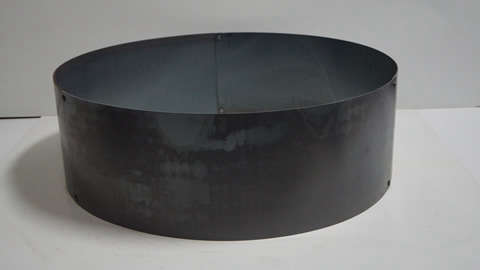
At its core, a solid steel fire ring is a circular or square metal barrier designed to contain a wood-burning fire. It can be used on its own, set into the ground, or placed inside a brick, stone, or paver surround. Compared with elaborate outdoor fireplaces or built-in gas fire features, a steel fire ring is refreshingly straightforward. It does not need to be dramatic. It just needs to be strong, heat-resistant, properly placed, and ready for years of evenings that smell like oak, hickory, and toasted snacks.
Still, not every steel fire ring is created equal. Thickness, diameter, finish, airflow, edge design, and installation style all affect how well it performs. A cheap thin ring may work for occasional use, but a heavy-duty steel fire ring can handle hotter burns, rough weather, and frequent gatherings without warping into a modern art project. This guide breaks down what a solid steel fire ring is, how to choose one, how to install it safely, and what real-life use teaches you after the first few fires.
What Is a Solid Steel Fire Ring?
A solid steel fire ring is a metal liner or enclosure that keeps burning logs, embers, and ash inside a defined area. Most models are made from carbon steel, galvanized steel, stainless steel, or weathering steel. They are commonly sold in sizes ranging from compact 28-inch rings to larger 36-inch, 40-inch, 48-inch, and even 60-inch versions for bigger fire areas.
The basic concept is beautifully old-school: make a circle, put fire in the circle, keep the fire where it belongs. But the details matter. A well-built steel ring protects surrounding pavers or stones from direct flame contact, gives your fire pit structure, and helps create a cleaner, more intentional burn area. It also makes the backyard look less like “we found a random spot for fire” and more like “yes, this was designed by adults.”
Fire Ring vs. Fire Pit
The terms “fire ring” and “fire pit” often overlap, but they are not always the same thing. A fire pit may be a complete freestanding unit with legs, a bowl, a spark screen, and accessories. A fire ring is usually simpler: a steel enclosure that sits on or in the ground. Many people use a steel fire ring as the inner liner for a DIY fire pit made with retaining-wall blocks, natural stone, concrete pavers, or gravel.
If you want a fast, affordable, wood-burning setup, a fire ring is hard to beat. If you want a finished patio centerpiece with built-in seating, cooking attachments, or smokeless airflow engineering, you may want a more advanced fire pit system. That said, many solid steel fire rings can become the heart of a very polished backyard fire feature with the right surround.
Why Steel Is the Go-To Material
Steel is popular for fire rings because it offers the practical combination homeowners care about most: strength, heat tolerance, availability, and price. It is tough enough to hold burning logs in place, flexible enough for manufacturers to shape into panels or welded rings, and affordable enough that you do not need to refinance the house just to roast hot dogs.
Carbon Steel
Carbon steel fire rings are common in heavy-duty backyard and campsite models. They are strong, relatively affordable, and often coated with high-temperature paint or a black finish. The thicker the steel, the better it usually resists warping and denting. A 2 mm or thicker steel ring generally feels more substantial than ultra-light sheet-metal versions.
Galvanized Steel
Galvanized steel has a zinc coating that helps resist corrosion. Many retail fire rings use galvanized metal because it performs well outdoors and keeps the ring looking cleaner for longer. However, buyers should choose products specifically designed for fire-ring use, follow manufacturer instructions, and avoid improvising with random galvanized containers not intended for repeated high-heat fires.
Stainless Steel
Stainless steel is the premium choice for corrosion resistance. It costs more, but it can be a smart investment in wet climates, coastal areas, or outdoor spaces where the fire ring will remain exposed year-round. Stainless steel also pairs well with smokeless fire pit inserts because it can support long-term airflow performance and resist rust better than ordinary painted steel.
Weathering Steel
Weathering steel, often called Corten-style steel, develops a stable rust-colored patina over time. That patina is not just decorative; it helps protect the steel underneath from deeper corrosion. For homeowners who like a rustic, architectural look, weathering steel offers character without needing constant repainting.
Key Features to Look for in a Solid Steel Fire Ring
1. Diameter and Size
For most backyards, a 36-inch fire ring is the sweet spot. It is large enough for a friendly gathering but not so large that it encourages a bonfire worthy of a fire marshal’s eyebrow raise. Smaller 28- to 30-inch rings are good for patios, compact yards, and occasional fires. Larger 40- to 48-inch rings work well for bigger seating areas, campsites, and families who believe every outdoor event needs “just one more log.”
Choose the size based on your seating layout, available clearance, and how much firewood you actually plan to burn. A larger ring is not automatically better. It creates a larger flame area, requires more fuel, produces more heat, and needs more space around it.
2. Steel Thickness
Steel thickness is one of the biggest durability clues. Some lightweight fire rings use steel under 1 mm thick, while heavier-duty models may use 2 mm, 2.7 mm, or thicker steel. Thicker steel usually means better resistance to heat distortion, dents, and long-term wear. It also means more weight, which is good for stability but less fun when you are dragging it across the yard while pretending you do not need help.
3. Rolled or Reinforced Edges
A rolled top edge or reinforced rim adds strength and reduces sharp edges. This is especially useful if the ring will be used around children, pets, or guests who treat outdoor furniture like an obstacle course. A reinforced rim also helps the ring hold its shape through repeated heating and cooling cycles.
4. Finish and Corrosion Resistance
Painted steel, galvanized steel, stainless steel, and weathering steel all age differently. Painted steel may eventually need touch-ups. Galvanized steel resists rust but should be used as designed. Stainless steel resists corrosion best but costs more. Weathering steel intentionally changes color as it develops its protective patina. Pick the finish that matches your climate, budget, and tolerance for “rustic charm.”
5. Assembly Style
Many fire rings arrive in panels that bolt together. Panel construction makes shipping easier and helps with storage, but one-piece welded rings often feel sturdier. If you choose a panel kit, check the hardware quality and make sure the seams align well. Loose panels can shift, rattle, or create gaps where ash and embers collect.
6. Airflow
Traditional solid rings contain fire but do not always improve combustion. Some newer fire ring inserts include vents, notches, or double-wall airflow designs to help wood burn more efficiently. Better airflow can mean hotter flames, less smoke, and easier fire starting. However, airflow also means the fire can grow quickly, so responsible fuel loading still matters.
Best Uses for a Solid Steel Fire Ring
Backyard Gathering Spot
The classic use is simple: place the ring in a safe area, surround it with gravel or pavers, add chairs, and enjoy. A solid steel fire ring creates an instant gathering point. People naturally form a circle around fire, partly because it is warm and partly because humans are basically advanced raccoons when snacks are involved.
DIY Stone Fire Pit Insert
A steel fire ring makes an excellent liner for a block or stone fire pit. The ring protects the masonry from direct heat and gives the interior a clean, finished look. For this style, measure carefully. The ring should fit inside the stone surround with enough room for expansion and airflow.
Camping and Cabin Use
Steel campfire rings are common at cabins, campsites, and rural properties because they are durable and easy to maintain. A heavy steel ring keeps logs contained and gives the fire area a permanent boundary, which helps prevent the casual “fire creep” that happens when people keep nudging logs outward.
Cooking Over Fire
Some steel fire rings include a cooking grate or can be paired with one. If cooking is a priority, look for heavy-duty grates, adjustable height options, and enough ring depth to hold coals safely. Avoid cooking over painted surfaces or materials not designed for food-adjacent heat. When in doubt, use a dedicated cooking grate made for open-fire use.
How to Install a Solid Steel Fire Ring
Step 1: Check Local Rules First
Before buying or installing a fire ring, check local fire codes, burn bans, HOA rules, and neighborhood restrictions. Some areas limit open burning, require permits, restrict fire size, or ban wood fires during dry or windy conditions. The best fire ring in the world will not help if your city says, “Absolutely not, flame enthusiast.”
Step 2: Choose a Safe Location
Place the fire ring outdoors on a level, noncombustible surface such as gravel, sand, concrete, stone, or pavers. Keep it well away from houses, fences, sheds, shrubs, trees, patio covers, furniture, and anything else that can burn. Avoid placing a wood-burning ring directly on grass, mulch, or a wooden deck.
Step 3: Prepare the Base
For an in-ground or semi-permanent installation, remove grass and organic material from the area. Add a compacted gravel base for drainage and stability. Some homeowners add a layer of sand or fire-rated pavers inside the ring. Good drainage matters because standing water speeds up rust and turns ash into a gray soup nobody wants to clean.
Step 4: Set the Ring
Place the steel ring level and centered. If using a stone surround, build around the ring while leaving a small expansion gap. Steel expands when heated, so jamming it tightly into masonry may cause stress over time. For panel-style rings, tighten all bolts securely after the ring is positioned.
Step 5: Add a Safety Zone
Create a noncombustible border around the ring. Gravel, pavers, or flagstone can help catch stray sparks and define the seating area. Keep chairs far enough back that people can move comfortably without stepping into the heat zone. Fire is charming; accidental shin-roasting is less charming.
Fire Ring Safety Tips Every Owner Should Know
Use the Right Fuel
Burn only clean, dry, seasoned firewood. Hardwoods such as oak, maple, hickory, and ash generally burn longer and cleaner than soft, wet, or resin-heavy wood. Do not burn trash, pressure-treated lumber, painted wood, plywood, cardboard piles, or mystery boards from the garage. If the wood has a backstory involving chemicals, skip it.
Keep Fires Small and Controlled
A fire ring is not an invitation to build a signal fire for passing aircraft. Keep logs below or near the rim, add fuel gradually, and avoid stacking wood too high. Smaller fires are easier to manage, produce fewer flying sparks, and are more comfortable for guests sitting nearby.
Watch Wind and Weather
Do not use a fire ring during high winds, drought conditions, burn bans, or red flag warnings. Wind can carry embers farther than people expect. A beautiful evening can become a bad neighborhood story very quickly when sparks meet dry leaves.
Have Extinguishing Tools Nearby
Keep a hose, bucket of water, sand, fire extinguisher, or other extinguishing method within reach. Do not leave the fire unattended. Supervise children and pets closely, and create a clear “no running near the fire” rule before anyone starts testing the limits of outdoor physics.
Handle Ash Properly
Ash can stay hot long after flames disappear. Let ashes cool fully, then transfer them to a metal container with a lid. Keep the container outside and away from combustible materials. Never place warm ashes in plastic bins, paper bags, cardboard boxes, or anything you would not want to explain to your insurance company.
Maintenance: How to Make a Steel Fire Ring Last Longer
A solid steel fire ring does not need pampering, but basic care helps. After each use, allow the fire to burn down completely and remove excess ash once cool. Ash holds moisture, and moisture encourages corrosion. If your ring has a painted finish, inspect it occasionally for chips or rust spots and touch up with high-temperature paint if the manufacturer recommends it.
For galvanized or stainless steel rings, rinse off mud, leaves, and corrosive debris when needed. For weathering steel, let the patina develop naturally and avoid sealing it unless the manufacturer specifically suggests a product. If your fire ring sits uncovered all year, consider using a weather cover or storing panel-style models during long wet seasons.
Buying Checklist for a Solid Steel Fire Ring
Before you buy, ask a few practical questions. What diameter fits your space? Is the steel thick enough for frequent fires? Does it have a rolled or reinforced edge? Is it designed for above-ground use, in-ground installation, or masonry inserts? Does it include hardware, a grate, a spark screen, or only the ring? Is the finish suitable for your climate? Can you move it if needed, or is it heavy enough to become a permanent member of the household?
For occasional backyard use, a simple 30- or 36-inch steel ring may be plenty. For frequent entertaining, choose heavier steel, a reinforced rim, and a larger diameter. For a custom patio project, look for an insert ring that matches your planned stone surround. For long-term durability in wet weather, consider stainless or weathering steel. The best choice is the one that fits your space, your habits, and your willingness to clean ash after everyone else has gone inside.
Real-Life Experience With a Solid Steel Fire Ring
The first thing you notice after using a solid steel fire ring is how much calmer the fire area feels. Without a ring, even a small backyard fire can look improvised. Logs roll, ash spreads, and someone inevitably says, “Is this safe?” in a voice that suggests they already know the answer. With a steel ring in place, the fire has a boundary. The mood changes. Guests relax. The host stops glancing nervously at the mulch.
In real use, size matters more than expected. A 36-inch ring often feels just right for four to six people. It holds enough wood for a warm fire without becoming overwhelming. A 48-inch ring looks impressive, but it also invites bigger fires and needs more seating distance. If your backyard is small, bigger can quickly become louder, hotter, smokier, and harder to manage. The best fire ring is not the largest one; it is the one that suits the way people actually gather in your space.
Steel thickness also becomes obvious over time. A lightweight ring is easy to move, which is convenient when mowing or rearranging the yard. But after repeated hot burns, thinner metal may discolor, flex, or feel less stable. A heavier solid steel ring feels more permanent. It sits firmly, handles logs better, and gives you confidence when the fire gets lively. The tradeoff is weight. Once a heavy ring is installed inside a stone surround, it is not something you casually move “a little to the left” unless you enjoy weekend back pain.
Another lesson: drainage is not optional. A fire ring set directly into a low spot can collect rainwater and ash, creating a soggy mess. Gravel underneath makes cleanup easier and helps the ring last longer. After a storm, a well-drained fire pit dries faster and smells less like a wet fireplace having a bad day.
For entertaining, a solid steel fire ring earns its keep. It gives people a natural place to gather without requiring a full outdoor kitchen or luxury patio renovation. Add comfortable chairs, a small side table for drinks, a bundle of seasoned hardwood, and a few long roasting sticks, and the evening plans itself. Children love the marshmallows, adults love the warmth, and everyone loves pretending they came outside for deep conversation instead of snacks.
The biggest practical tip is to build smaller fires than you think you need. A steel ring reflects and contains heat well, so a modest fire can warm the seating area nicely. Overloading the ring creates smoke, sparks, and a cleanup job that future-you will not appreciate. Start small, let the fire establish a coal bed, and add logs gradually. Fire management is not about drama. It is about patience, airflow, and not turning your relaxing evening into a neighborhood weather event.
Overall, the experience of owning a solid steel fire ring is satisfyingly simple. It is not flashy technology. It does not need an app. It will not send you notifications. It just sits there, does its job, and turns ordinary evenings into memorable ones. In a world full of complicated backyard gadgets, that kind of honest usefulness feels almost luxurious.
Conclusion
A solid steel fire ring is one of the smartest ways to create a safe, attractive, and useful wood-burning feature in a backyard, campsite, or cabin setting. It contains logs and embers, defines the fire area, supports DIY stone or paver designs, and gives outdoor gatherings a warm focal point that people naturally gravitate toward.
The best fire ring for your space depends on size, steel thickness, finish, airflow, and how often you plan to use it. A compact ring works well for small patios, while a heavy-duty 36-inch or larger model suits frequent backyard gatherings. Stainless and weathering steel offer premium durability, while painted or galvanized steel can provide practical value when used correctly.
Most importantly, a steel fire ring should be used responsibly. Check local rules, place it on a noncombustible surface, keep it away from structures and vegetation, burn only clean seasoned wood, supervise the fire, and dispose of ash safely. Do those things well, and your fire ring can become the most popular seat in the yardright after the one closest to the snacks.