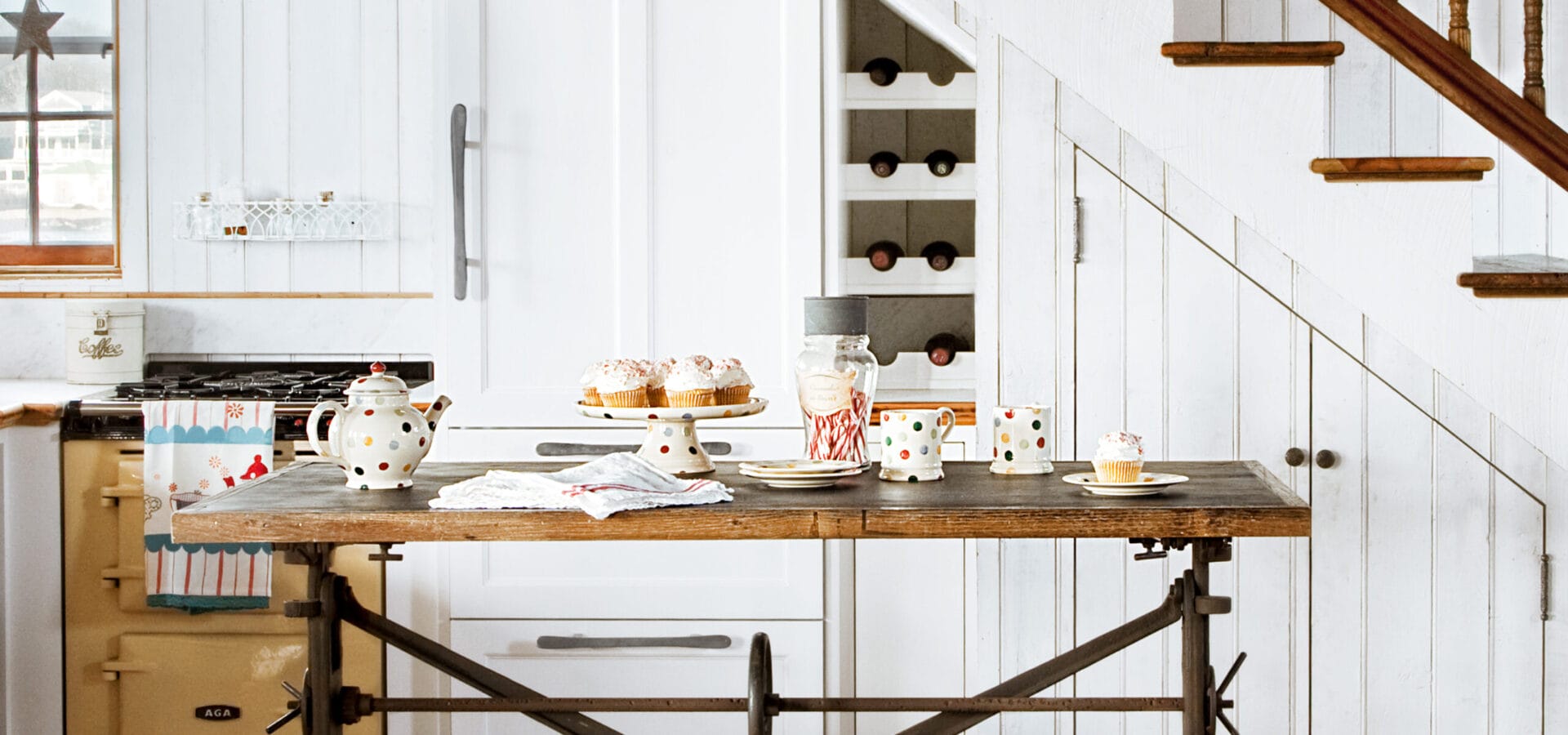
If a cottage-style interior had a personality, it would be the friend who tells you to take your shoes off, hands you a mug of tea, and somehow owns the perfect blanket for every emotional weather condition. Cozy cottage style is warm, relaxed, slightly nostalgic, and wonderfully forgiving. It does not demand a mansion, a countryside address, or a dramatic stone fireplace that looks like it has witnessed three centuries of family secrets. You can create the look in an apartment, a suburban home, a tiny guest room, or even one stubborn corner that currently contains a chair, a lamp, and a pile of mail pretending to be decor.
At its heart, cottage-style interior design celebrates comfort, character, natural materials, and personal history. It favors rooms that feel collected over time rather than purchased in one frantic weekend. Think soft paint colors, well-loved wood, vintage furniture, floral prints, gingham, woven baskets, slipcovered seating, quilts, warm lighting, open shelving, and shelves full of books that may or may not be alphabetized. Spoiler: cottage style does not care if they are alphabetized.
This guide breaks down how to design a cozy cottage-style interior that feels timeless, livable, and charming without sliding into cluttered, dusty, or “grandma’s attic during a thunderstorm.” We will cover color palettes, furniture, textiles, lighting, kitchens, bedrooms, small-space tricks, and practical decorating experiences that make the style easier to live with every day.
What Is Cottage-Style Interior Design?
Cottage-style interior design is a warm, casual decorating approach inspired by small country homes, coastal cottages, English cottages, farmhouse retreats, and lived-in vintage spaces. The look is usually softer and more personal than modern farmhouse, less formal than traditional design, and more comfortable than minimalist interiors. It welcomes imperfections: a nicked wooden table, mismatched chairs, faded fabric, handmade pottery, and a basket that has clearly been doing its best since 1998.
The goal is not to make your home look like a movie set. The goal is to create a space that feels inviting, layered, and easy to enjoy. Cottage interiors often include natural textures, muted colors, cozy textiles, antique or secondhand pieces, botanical accents, open storage, and meaningful objects. A good cottage room says, “Come in and stay awhile.” A bad one says, “Please do not touch the decorative cabbage plates.” We are aiming for the first one.
Start With a Soft, Nature-Inspired Color Palette
Color is the emotional foundation of a cozy cottage interior. Instead of stark whites or harsh contrasts, choose shades that feel softened by sunlight, age, or nature. Warm white, cream, ivory, oatmeal, mushroom, pale sage, dusty blue, buttery yellow, faded rose, clay, muted terracotta, and gentle green all work beautifully. These colors create a calm background while leaving room for pattern, texture, and personality.
Choose Warm Neutrals Over Cold Whites
White can absolutely work in cottage-style decor, but it should feel warm and creamy rather than icy. A cold white room can feel like a laboratory where throw pillows go to be judged. Warm whites, on the other hand, make wood tones, woven textures, and vintage furniture feel richer. Use warm white on walls, trim, ceilings, or cabinetry if you want a bright base that still feels cozy.
Add Gentle Accent Colors
Cottage rooms come alive when they include soft accent colors. Try sage green cabinets, a dusty blue dresser, a butter-yellow kitchen nook, or faded floral curtains with hints of rose and olive. The trick is to keep the colors slightly muted. If the shade looks like it belongs on a plastic beach bucket, it may be too loud for the cottage mood.
Use Natural Materials for Instant Warmth
Natural materials are essential in cozy cottage interiors because they add texture, warmth, and a sense of age. Wood, stone, rattan, wicker, linen, cotton, wool, clay, iron, brass, and ceramic all help a room feel grounded. Even a simple space becomes more inviting when it includes a woven basket, a wooden stool, linen curtains, and a handmade vase with flowers from the yard or the grocery store clearance bucket. We do not judge the source of flowers.
Let Wood Show Its Character
Wood is one of the easiest ways to bring cottage charm into a room. You can use exposed beams, reclaimed shelves, antique side tables, butcher-block counters, wood floors, beadboard, or a rustic dining table. The finish does not have to be perfect. In fact, a few scratches and dents often make the piece feel more authentic. Cottage style is one of the rare design looks where “slightly beat up” can become “beautifully storied.”
Bring in Woven Texture
Wicker chairs, rattan trays, jute rugs, seagrass baskets, cane cabinet fronts, and woven lampshades add casual texture without overwhelming the room. They also help balance floral prints and painted furniture, keeping the space from feeling too sweet. Use baskets for blankets, firewood, toys, shoes, or the random objects every household seems to generate after 6 p.m.
Choose Furniture That Looks Comfortable, Not Corporate
Cottage-style furniture should invite people to sit, read, nap, talk, and snack responsiblyor irresponsibly, depending on the cookie situation. Avoid furniture that feels too shiny, stiff, or showroom-perfect. Instead, look for pieces with soft lines, turned legs, slipcovers, skirted bases, weathered finishes, and practical proportions.
Mix Old and New Pieces
A cozy cottage-style interior should not look as if every item came from the same catalog page. Mix a new sofa with a vintage coffee table, a painted dresser with modern lamps, or antique dining chairs with a simple farmhouse table. The blend of old and new keeps the room fresh instead of themed. A little mismatch is not a problem; it is basically the cottage design handshake.
Try Slipcovered Seating
Slipcovered sofas and chairs are cottage classics because they feel relaxed and practical. Cotton or linen slipcovers in cream, oatmeal, soft blue, or gentle stripes work especially well. They are also helpful if you have kids, pets, guests, or a personal talent for dropping salsa during movie night.
Layer Textiles Like You Mean It
Textiles are where cozy cottage style truly becomes cozy. Layered fabrics add softness, color, pattern, and comfort. Use throw blankets, quilts, linen curtains, patterned pillows, upholstered chairs, tablecloths, bed skirts, braided rugs, and wool runners. The result should feel warm and inviting, not like a fabric store sneezed in your living room.
Mix Patterns With a Shared Color Story
Floral prints, checks, gingham, ticking stripes, toile, plaids, and small-scale botanical patterns all belong in cottage interiors. To mix them successfully, repeat a few colors throughout the room. For example, pair sage floral curtains with a cream sofa, blue ticking pillows, a faded green rug, and warm wood furniture. The patterns can vary, but the palette keeps everything connected.
Use Curtains to Soften the Room
Curtains can completely change the mood of a cottage-style space. Lightweight linen panels create an airy look, café curtains add charm to kitchens and bathrooms, and heavier curtains bring warmth to bedrooms and living rooms. Hang curtains higher and wider than the window frame to make the room feel larger and more graceful.
Create Cottage Charm With Walls and Architectural Details
One reason old cottages feel so charming is their architectural character: sloped ceilings, built-ins, beams, paneling, old doors, deep windowsills, and quirky corners. If your home does not come with these features, you can add cottage-style character through simple upgrades.
Install Beadboard, Paneling, or Tongue-and-Groove
Beadboard walls, tongue-and-groove paneling, and vertical wood planks bring instant cottage appeal. Use them in bathrooms, mudrooms, kitchens, hallways, or behind a bed as a feature wall. Painted paneling in warm white, soft green, or pale blue feels classic without being fussy.
Add Built-In or Built-In-Looking Storage
Built-ins are perfect for cottage interiors because they combine function and charm. Bookshelves, window seats, mudroom benches, plate racks, and breakfast nooks all make a home feel thoughtful and settled. If custom built-ins are not in the budget, use freestanding bookcases painted the same color as the wall or add trim to basic cabinets for a more custom look.
Design a Cozy Cottage Living Room
The cottage living room should be the visual equivalent of a deep exhale. Start with comfortable seating, then layer in soft textiles, warm lighting, books, art, and natural textures. Place furniture close enough for conversation. A cottage living room is not a waiting room; no one should need to shout across a coffee table the size of a canoe.
Living Room Formula
Begin with a soft sofa or loveseat, preferably in a neutral fabric. Add one or two upholstered chairs, a wood coffee table, a vintage side table, and a rug large enough to anchor the seating area. Then bring in lamps, baskets, pillows, throws, framed art, and a few personal objects. A stack of books, a ceramic vase, and a small tray can make a coffee table feel styled without becoming a museum exhibit.
Make the Fireplace a Focal Point
If you have a fireplace, let it shine. Use the mantel for art, candlesticks, pottery, greenery, or a simple mirror. If you do not have a fireplace, create a focal point with a bookcase, vintage cabinet, gallery wall, or large landscape painting. Cottage style loves a focal point that feels personal rather than flashy.
Design a Cottage-Style Kitchen
The cottage kitchen is often the heart of the home. It should feel practical, cheerful, and slightly nostalgic. Shaker cabinets, open shelving, glass-front doors, butcher-block counters, apron-front sinks, vintage hardware, café curtains, and collected dishes all work beautifully. You do not need a giant kitchen island to get the look. Sometimes a small wooden table, a bowl of lemons, and a checked curtain do more than a massive marble slab ever could.
Display Everyday Items Beautifully
Cottage kitchens often use open storage to display useful objects. Try hanging copper pans, stacking white dishes in glass-front cabinets, storing wooden spoons in a crock, or placing cookbooks on a shelf. The key is to display items you actually use. If the object requires dusting but offers no joy, it may be auditioning for the donation box.
Choose Classic Hardware
Hardware has a huge effect on cottage-style interiors. Unlacquered brass, aged bronze, ceramic knobs, cup pulls, and simple iron handles can make basic cabinets feel more characterful. Avoid overly sleek chrome if you want a softer, older look.
Design a Dreamy Cottage Bedroom
A cottage bedroom should feel restful, layered, and personal. Start with a calm wall color, then add cozy bedding, soft lighting, and furniture with character. Iron beds, spindle beds, painted wood headboards, vintage dressers, quilts, floral sheets, and linen curtains all fit the style.
Layer the Bed
Use cotton sheets, a quilt or coverlet, a folded throw, and a few pillows in mixed patterns. A cottage bed should look inviting, not engineered by a hotel robot. Combine florals with stripes or gingham, but keep the colors soft and connected.
Add Bedside Warmth
Use table lamps, wall sconces, or small shaded lamps instead of relying only on overhead lighting. Add a book, a small vase, and a ceramic dish for jewelry or glasses. The goal is to make bedtime feel like a charming ritual, not a search mission for your phone charger.
Use Lighting to Create Atmosphere
Lighting can make or break a cozy cottage-style interior. Harsh overhead lighting flattens a room and makes even pretty furniture look nervous. Layer different light sources instead: table lamps, floor lamps, sconces, pendant lights, candles, and natural daylight.
Choose Warm Bulbs
Warm white bulbs make rooms feel softer and more relaxing. Use lampshades made from linen, paper, pleated fabric, wicker, or ceramic bases to add texture. A cottage room should glow gently in the evening. It should not feel like an airport security checkpoint.
Include Statement Lighting
A vintage chandelier, lantern pendant, ceramic table lamp, or brass sconce can become a beautiful cottage-style detail. Choose lighting that looks collected and slightly timeless rather than ultra-modern. In kitchens, small lamps on counters are increasingly popular because they add softness to a room full of hard surfaces.
Decorate With Vintage Finds and Personal Treasures
Vintage and antique pieces are the soul of cottage-style decor. They give a room depth, history, and individuality. Look for old mirrors, framed landscapes, ironstone pitchers, quilts, wooden stools, painted dressers, baskets, brass candlesticks, pottery, and small tables. Flea markets, estate sales, thrift shops, antique malls, and family hand-me-downs are all excellent sources.
Avoid the Theme Trap
There is a fine line between cottage charm and cottage costume. You do not need signs that say “Cottage,” “Farm Fresh,” or “Gather” in seven different fonts. Let real materials, furniture shapes, patterns, and personal objects create the style. Authenticity always feels better than labels.
Collect Slowly
The best cottage rooms look layered because they were created over time. Do not rush to fill every corner. Leave space for future finds, travel souvenirs, inherited pieces, and art you actually love. A room with breathing room feels more peaceful than one packed with emergency decor.
Bring Nature Indoors
Cottage interiors often blur the line between indoors and outdoors. Fresh flowers, potted herbs, branches, pressed botanicals, landscape paintings, natural fibers, and earthy colors all help connect your home to nature. Even one vase of wildflowers or a pot of rosemary on the kitchen windowsill can shift the mood.
Use Plants Casually
Plants do not need to be arranged like a botanical exhibit. Place a fern on a stool, herbs on a windowsill, a trailing plant on a shelf, or fresh branches in a ceramic jug. Terra-cotta pots and aged planters work especially well in cottage interiors.
Decorate Seasonally Without Overdoing It
Cottage style changes beautifully with the seasons. In spring, use flowers and lighter linens. In summer, add breezy curtains and woven trays. In fall, bring in wool throws, dried hydrangeas, and warm colors. In winter, layer candles, greenery, quilts, and heavier textures. Keep seasonal decor simple and natural so your home does not look like it lost a fight with a craft store.
How to Make a Small Space Feel Cottage-Cozy
Cottage style works especially well in small spaces because it values charm, function, and comfort. The key is to avoid clutter while still adding layers. Use furniture with storage, wall-mounted shelves, skirted tables, baskets, hooks, and narrow cabinets. Choose a cohesive color palette so the room feels calm rather than crowded.
Use Multi-Functional Furniture
A storage bench, drop-leaf table, sleeper sofa, or vintage trunk can make a small cottage-style room more practical. Skirted furniture is also helpful because it hides storage underneath while adding softness.
Keep Collections Edited
Collections are charming; chaos is less charming. Display a few favorite plates, baskets, books, or ceramics instead of everything at once. Rotate items seasonally so the room stays fresh without becoming visually noisy.
Common Cottage-Style Decorating Mistakes to Avoid
Even cozy styles need editing. One common mistake is using too many small accessories. Instead, choose fewer, better pieces with texture and meaning. Another mistake is relying only on white and beige. Cottage interiors need warmth, so add muted color through fabric, art, rugs, or painted furniture.
A third mistake is buying too many matching pieces. Matching furniture sets can make a cottage room feel flat. Mix wood tones, finishes, eras, and textures for a more collected look. Finally, do not ignore lighting. A room can have perfect furniture and still feel cold if the lighting is harsh. Lamps are not optional in cottage design; they are practically emotional support animals.
of Practical Experience: What Actually Works in a Cottage-Style Interior
After working through many cottage-style decorating ideas, one practical lesson stands out: the room should be designed around real life first and aesthetic second. The prettiest cottage interior will fail if there is nowhere to set a coffee cup, store blankets, charge a phone, or drop keys. Cozy does not mean inconvenient. A cottage-style home should support daily routines so gracefully that the charm feels effortless.
One of the most effective starting points is the seating area. In a living room, choose the sofa before choosing the accessories. A comfortable sofa in a neutral fabric gives you flexibility for years. Once that foundation is in place, it becomes easier to add personality with pillows, throws, rugs, and art. If the sofa is too trendy, too stiff, or too delicate, the whole room becomes harder to use. Cottage style should welcome movie nights, rainy afternoons, guests, pets, and the occasional snack crumb. Honestly, if a room cannot survive a cracker, it may be too precious.
Another experience-based tip is to buy vintage furniture in small doses. A vintage dresser, side table, mirror, or chair can transform a room, but too many old pieces can make the space feel heavy. Pair antiques with fresh upholstery, clean-lined lamps, or simple modern frames. This contrast keeps cottage interiors from feeling like a time capsule. The best rooms usually have tension: old wood beside crisp linen, floral prints beside plain walls, rustic baskets beside polished brass.
Paint is also more powerful than people expect. A soft green cabinet, warm white wall, blue-gray bedroom, or buttery pantry can add instant cottage character without a major renovation. Before painting everything, test colors at different times of day. Cottage colors depend heavily on light. A perfect cream in the morning can turn oddly yellow at night, and a soft sage can become mint toothpaste under cool bulbs. Test first; regret is not a design style.
Textiles are where the room becomes emotionally convincing. A single throw pillow will not create a cottage interior, but layered textiles will. Use a rug, curtains, pillows, and blankets to soften hard edges. If the room feels unfinished, it probably needs fabric, not another tiny decorative object. Curtains are especially important. They add height, movement, and warmth, and they make even basic windows look intentional.
Storage is the secret hero of cottage design. Baskets, trunks, hooks, hutches, and skirted tables make it possible to have a layered home without visible clutter everywhere. In entryways, install hooks for bags and coats. In living rooms, keep blankets in baskets. In kitchens, use crocks, trays, and shelves to organize everyday items attractively. Cottage style looks casual, but the best version is quietly organized behind the scenes.
Finally, the most successful cottage-style interiors include something personal. That might be a quilt from a relative, a landscape painting found at a flea market, shells from a beach trip, framed children’s art, old books, or a handmade ceramic bowl. These details cannot be bought as a set, and that is exactly why they matter. Cozy cottage style is not about copying a perfect room. It is about creating a home that feels warm, human, and unmistakably yours.
Conclusion
Designing a cozy cottage-style interior is less about following strict rules and more about creating a home that feels warm, layered, and lived in. Start with a soft color palette, add natural materials, choose comfortable furniture, layer textiles, include vintage pieces, and use warm lighting in every room. Let your home evolve slowly. The charm of cottage style comes from patience, personality, and a little bit of imperfection.
Whether you are decorating a country house, a city apartment, a guest bedroom, or a small reading nook, cottage-style decor can make the space feel welcoming and timeless. Keep it practical, keep it personal, and keep at least one excellent blanket within reach. That may not be an official design rule, but it absolutely should be.
Note: This article is written as original web-ready content based on real interior design principles and current cottage-style decorating guidance.