Note: This article is for general educational purposes only and should not replace medical advice from a qualified healthcare professional. People with gout, kidney disease, or complex medical conditions should discuss diet changes with their doctor or registered dietitian.
Introduction: Can You Eat Broccoli If You Have Gout?
If you have gout, grocery shopping can suddenly feel like a courtroom drama. The steak is suspicious. The beer is guilty. The shrimp is definitely refusing to answer questions. And then there is broccoli, sitting there in the produce aisle looking innocent, green, and slightly smug.
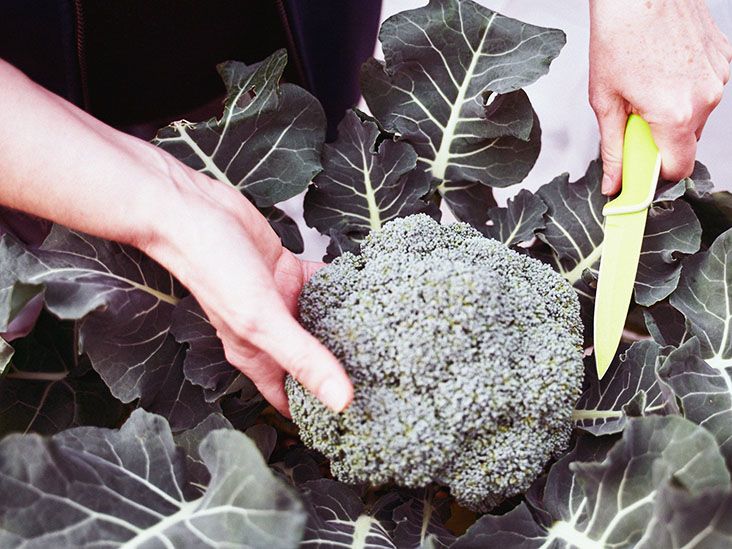
So, is broccoli good for gout, bad for gout, or one of those foods that depends on who you ask at Thanksgiving dinner? The short answer: broccoli is generally considered a gout-friendly vegetable. It is low in purines compared with many animal-based foods, rich in vitamin C, packed with fiber, and fits nicely into the kind of balanced eating pattern often recommended for people trying to manage uric acid levels.
Gout is a form of inflammatory arthritis caused by a buildup of uric acid in the blood. When uric acid levels get too high, sharp crystals can form in the joints, leading to sudden pain, swelling, redness, and tenderness. The big toe is the classic target, but gout can also affect the ankles, knees, wrists, fingers, and other joints. In other words, gout is not subtle. It arrives like a tiny dragon moved into your joint and started redecorating with needles.
Because uric acid comes from the breakdown of purines, many people with gout are told to watch their diet. That advice is useful, but it can also get confusing. Some older gout diet lists warned against certain vegetables because they contain purines. Modern nutrition guidance is more practical: high-purine animal foods, alcohol, and sugary drinks are usually bigger concerns than vegetables like broccoli.
What Is Gout, and Why Does Food Matter?
Gout happens when the body has too much uric acid. Uric acid is a waste product made when the body breaks down purines, which are natural substances found in your cells and in many foods. Normally, uric acid dissolves in the blood, passes through the kidneys, and leaves the body in urine. Problems begin when the body makes too much uric acid, removes too little, or both.
When uric acid builds up, it can form crystals in joints. These crystals can trigger inflammation, which leads to the classic gout flare: sudden, intense joint pain, swelling, warmth, and stiffness. A gout flare can wake someone up at night, and even a bedsheet touching the joint may feel like an outrageous personal attack.
Diet matters because some foods and drinks can raise uric acid levels or trigger flares in certain people. However, diet is only one part of gout management. Genetics, kidney function, body weight, medications, alcohol use, hydration, blood pressure, diabetes, and other health conditions can all play a role. That means a person can eat “perfectly” and still need medical treatment. Gout is not a moral failure, and broccoli is not a prescription pad.
Is Broccoli Good for Gout?
For most people with gout, broccoli is a good choice. It is a cruciferous vegetable, like cauliflower, cabbage, kale, Brussels sprouts, and bok choy. These vegetables are nutrient-dense, filling, and naturally low in fat. Broccoli also contains vitamin C, fiber, folate, potassium, and plant compounds that support overall health.
The biggest reason broccoli gets a green light for gout is its low purine content. While it does contain some purines, the amount is relatively modest, especially compared with organ meats, red meat, certain seafood, and meat-based gravies. More importantly, research and clinical nutrition guidance generally show that purine-rich vegetables do not appear to increase gout risk in the same way that high-purine animal foods do.
This distinction matters. A plate of broccoli is not the same as a plate of liver. Your joints know the difference, even if an outdated food chart on the internet does not.
Why Broccoli Is Usually Gout-Friendly
Broccoli supports a gout-conscious diet in several ways. First, it helps replace higher-risk foods. If half your dinner plate is roasted broccoli, you may naturally eat less red meat, fewer fried sides, and fewer ultra-processed foods. That swap alone can support better long-term uric acid control and overall metabolic health.
Second, broccoli is rich in vitamin C. Vitamin C has been studied for its possible role in lowering serum uric acid levels, although it should not be viewed as a stand-alone gout treatment. Getting vitamin C from foods like broccoli, oranges, strawberries, bell peppers, and potatoes is a smart move because these foods bring along fiber, water, antioxidants, and other nutrients.
Third, broccoli contains fiber, which supports digestion, fullness, blood sugar control, and healthy weight management. Since excess body weight is associated with higher uric acid levels and gout risk, fiber-rich foods can be helpful as part of a gradual, sustainable weight-management plan.
Does Broccoli Raise Uric Acid?
Broccoli is unlikely to meaningfully raise uric acid levels in most people. It is not considered a major gout trigger, and it is generally safer than many foods traditionally linked to flares. The main dietary culprits for gout tend to be organ meats, red meat, some seafood, beer, liquor, sugary drinks, and foods high in added fructose.
That said, gout triggers can be personal. One person may eat broccoli every week with no issue, while another may notice digestive discomfort from large portions. Digestive gas is not the same as a gout flare, but if a food makes you feel miserable, your body is still trying to send a memo. Pay attention.
If you suspect broccoli triggers your symptoms, keep a simple food and flare diary. Write down what you ate, how much, your hydration level, alcohol intake, stress, sleep, medications, and when symptoms appeared. Over time, patterns may become clearer. Just do not blame broccoli too quickly if it was sitting next to a bacon cheeseburger, two beers, and a soda the size of a houseplant.
Broccoli Nutrition: Why This Green Vegetable Pulls Its Weight
Broccoli is low in calories and high in nutritional value. A typical serving provides vitamin C, vitamin K, folate, fiber, and various antioxidant compounds. These nutrients do not “cure” gout, but they support the kind of anti-inflammatory, heart-healthy eating pattern many healthcare professionals recommend for people with gout.
This is important because gout often travels with other health concerns, including high blood pressure, kidney disease, insulin resistance, type 2 diabetes, obesity, and cardiovascular disease. A gout-friendly diet should not focus only on purines. It should also support the whole person. After all, your big toe may be screaming the loudest, but your heart, kidneys, and blood vessels are also part of the group chat.
Vitamin C
Broccoli is a strong source of vitamin C. Some studies suggest vitamin C may modestly help lower uric acid levels, although results are mixed and supplementation is not a replacement for prescribed gout medications. Food-based vitamin C is still a smart choice because it comes packaged with other nutrients.
Fiber
Fiber helps you feel full and supports digestive health. For people trying to lose weight gradually, fiber-rich foods like broccoli, beans, oats, berries, and whole grains can make meals more satisfying without relying on extreme dieting. That matters because crash diets and fasting can sometimes worsen uric acid levels or trigger flares.
Antioxidants and Plant Compounds
Broccoli contains natural plant compounds, including glucosinolates and other antioxidants. These compounds are often studied for their role in supporting general health and helping the body handle oxidative stress. While it would be dramatic to call broccoli a superhero, it is fair to say it shows up to work wearing a very respectable cape.
How Much Broccoli Can You Eat With Gout?
Most people with gout can enjoy normal food portions of broccoli. A practical serving is about one cup raw or half a cup cooked. Many people can eat more than that without problems, especially if broccoli is part of a balanced meal with whole grains, low-fat dairy, fruit, legumes, or lean protein.
The best amount depends on your overall diet, digestion, kidney health, medications, and personal tolerance. If you are new to eating more vegetables, increase portions gradually. Broccoli contains fermentable carbohydrates that can cause gas and bloating in some people. Your stomach may need a short onboarding process before it accepts broccoli as a full-time employee.
Best Ways to Prepare Broccoli for a Gout-Friendly Meal
Broccoli itself is gout-friendly, but preparation can change the health value of the meal. Steamed broccoli with olive oil and lemon is very different from broccoli buried under processed cheese sauce, bacon bits, and enough salt to preserve a shipwreck.
Steamed Broccoli
Steaming keeps broccoli bright, tender, and nutrient-rich. Add lemon juice, garlic, black pepper, and a drizzle of olive oil. This simple version pairs well with brown rice, quinoa, lentils, grilled chicken, tofu, or low-fat yogurt sauce.
Roasted Broccoli
Roasting brings out a nutty flavor and crispy edges. Toss florets with olive oil, garlic, pepper, and a small pinch of salt. Roast until browned at the tips. Add lemon zest or a sprinkle of Parmesan if it fits your dietary needs.
Broccoli Soup
A gout-friendly broccoli soup can be made with low-sodium vegetable broth, onions, garlic, herbs, and a small amount of low-fat milk or Greek yogurt for creaminess. Be careful with meat-based broths, heavy cream, and salty processed add-ins.
Broccoli Stir-Fry
Stir-fry broccoli with tofu, carrots, bell peppers, and a light sauce made from ginger, garlic, and reduced-sodium soy sauce. Avoid making the sauce too sugary. A vegetable-forward stir-fry can be a great weeknight dinner that does not feel like “diet food,” which is important because nobody wants dinner to taste like a spreadsheet.
Foods to Pair With Broccoli for Gout Management
Broccoli works best as part of a balanced plate. Try pairing it with foods that support a low-purine, heart-healthy, and anti-inflammatory eating pattern.
Low-Fat Dairy
Low-fat milk, yogurt, and cottage cheese are often recommended in gout-friendly diets. They provide protein while being low in purines. A meal with roasted broccoli, a baked potato, and plain Greek yogurt can be satisfying and simple.
Whole Grains
Brown rice, oats, barley, quinoa, and whole-wheat pasta can help create filling meals. Whole grains provide fiber and are generally better choices than refined carbohydrates.
Plant Proteins
Beans, lentils, tofu, and edamame contain purines, but plant-based proteins are often better tolerated than high-purine animal foods. Portion size still matters, but these foods can help reduce reliance on red meat.
Fruit, Especially Cherries and Citrus
Cherries are often discussed for gout because some research suggests they may help reduce flare risk in certain people. Citrus fruits provide vitamin C. Whole fruit is usually a better choice than fruit juice because it includes fiber and is less concentrated in sugar.
Foods and Drinks That Are Bigger Gout Concerns Than Broccoli
If you are worried about gout flares, broccoli should not be at the top of your suspect list. Focus first on the foods and drinks more consistently linked with uric acid problems.
Organ Meats and Red Meat
Liver, kidney, sweetbreads, beef, pork, and lamb can be high in purines. People with gout are often advised to limit or avoid organ meats and reduce portions of red meat.
Certain Seafood
Anchovies, sardines, mussels, scallops, trout, haddock, herring, and some shellfish are higher in purines. Fish can be heart-healthy, so this is not always a simple “never eat it” category. A healthcare provider or dietitian can help personalize seafood choices.
Alcohol
Beer and liquor are especially associated with gout risk and flares. Alcohol can increase uric acid production and reduce uric acid removal. During a gout flare, avoiding alcohol is typically recommended.
Sugary Drinks and High-Fructose Foods
Soda, sweet tea, energy drinks, fruit drinks, and processed foods made with high-fructose corn syrup can raise uric acid levels. Cutting back on sugary beverages is one of the most useful diet changes for many people with gout.
Broccoli During a Gout Flare: Good Idea or Bad Idea?
During an active gout flare, the top priorities are medical treatment, hydration, rest, and avoiding known triggers. Broccoli is generally fine during a flare if you tolerate it well. However, if you are in severe pain, you may prefer simple, easy meals: vegetable soup, oatmeal, low-fat yogurt, fruit, whole-grain toast, eggs in moderation if approved by your clinician, or rice with steamed vegetables.
Do not try to “broccoli your way out” of a gout flare. Once uric acid crystals are already causing inflammation, diet alone usually will not stop the attack quickly. Follow your treatment plan. Common flare treatments may include anti-inflammatory medications, colchicine, or corticosteroids, depending on your medical history and doctor’s recommendation.
Can Broccoli Replace Gout Medication?
No. Broccoli can support a gout-friendly lifestyle, but it cannot replace medication when medication is needed. People with frequent flares, tophi, kidney stones, very high uric acid levels, or joint damage may need urate-lowering therapy. These medications help lower uric acid over time and reduce future flare risk.
This is where many people get frustrated. They eat healthier, drink more water, and still have flares. That does not mean they failed. It means gout is a metabolic condition, not just a menu problem. Food can help, but it may not be powerful enough by itself.
Practical Meal Ideas With Broccoli for People With Gout
Breakfast
Try a vegetable omelet with broccoli, spinach, and peppers, served with whole-grain toast and fruit. If eggs are not your preference, oatmeal with berries and low-fat milk is another gout-friendly option.
Lunch
Make a broccoli quinoa bowl with roasted carrots, chickpeas, cucumber, lemon, olive oil, and herbs. Keep portions balanced and avoid heavy processed dressings.
Dinner
Serve steamed broccoli with baked salmon if seafood is allowed in your plan, or pair it with tofu, brown rice, and a ginger-garlic sauce. Another option is whole-wheat pasta tossed with broccoli, olive oil, garlic, cherry tomatoes, and a small amount of Parmesan.
Snack
Raw broccoli with hummus can be a crunchy snack, but keep the portion comfortable if raw cruciferous vegetables cause bloating. Lightly steamed broccoli may be easier to digest.
Common Myths About Broccoli and Gout
Myth 1: All Purines Are Equally Bad
Not all purine-containing foods affect gout risk the same way. High-purine animal foods are more strongly associated with gout concerns than vegetables. Broccoli contains some purines, but it is not in the same category as liver, sardines, or beer.
Myth 2: People With Gout Should Avoid Most Vegetables
This myth needs to retire, buy a beach chair, and stop bothering people. Vegetables are usually encouraged in gout-friendly diets. They provide fiber, vitamins, minerals, and antioxidants. Avoiding vegetables can make the overall diet worse, not better.
Myth 3: If a Food Is Healthy, You Can Eat Unlimited Amounts
Healthy foods still require common sense. Eating a giant mixing bowl of broccoli every night may cause gas, bloating, and social consequences no one asked for. Variety is better: rotate broccoli with carrots, zucchini, green beans, leafy greens, peppers, squash, cabbage, and other vegetables.
Experience-Based Tips: Living With Broccoli and Gout in Real Life
Managing gout in real life is not as tidy as a diet chart. A chart says “eat this” and “avoid that,” but then real life shows up with birthday parties, work lunches, family recipes, late-night cravings, travel days, and that one friend who believes every problem can be solved with barbecue.
One practical experience many people discover is that broccoli works best when it becomes part of normal meals rather than a punishment food. If you only eat broccoli when you are scared of a flare, it starts to feel like the vegetable version of detention. But when you roast it with garlic, add it to grain bowls, fold it into soup, or toss it into pasta, it becomes regular food. That mindset matters because gout management is a long-term lifestyle, not a two-week vegetable boot camp.
Another useful lesson is that the “side dish swap” can be powerful. Imagine a typical dinner of steak, fries, and soda. For someone with gout, that meal stacks several possible problems: red meat, fried food, sugary drink, and maybe dehydration if water is nowhere to be seen. Now change the plate: a smaller portion of lean protein, roasted broccoli, brown rice, and sparkling water with lemon. The meal still feels like dinner, not medical homework, but the gout risk profile is very different.
People also learn that preparation affects consistency. A head of broccoli hiding in the fridge drawer often becomes yellow confetti by Friday. Washing and cutting broccoli ahead of time makes it easier to use. Frozen broccoli is another underrated option. It is affordable, convenient, and ready when your motivation is running on low battery. Steam it, roast it, or add it to soups and stir-fries. Frozen vegetables are not “less serious” vegetables. They are vegetables with a calendar.
For those who experience bloating, the best approach is usually gradual. Start with smaller portions and cook broccoli instead of eating it raw. Chew well, drink water, and avoid suddenly doubling your fiber intake overnight. Your digestive system appreciates advance notice.
A food diary can also help separate true gout triggers from coincidence. Suppose someone eats broccoli at dinner and wakes up with toe pain. It is tempting to blame the broccoli. But what else happened? Was there beer? Was there steak? Was the person dehydrated after yard work? Did they recently stop or start a medication? Were they fasting, stressed, or sick? Gout flares often have multiple contributing factors, and the most obvious food is not always the guilty one.
Restaurants require a little strategy. Broccoli on menus often comes “loaded,” “smothered,” “crispy,” or “cheesy,” which can translate to extra sodium, saturated fat, bacon, cream, or frying oil. Ask for steamed vegetables, sauce on the side, or olive oil and lemon. This is not about being difficult; it is about keeping your joints from filing a complaint later.
Family meals can be trickier because food is emotional. If relatives insist that gout means avoiding every green vegetable, you do not need to launch a nutrition lecture over the casserole dish. A simple response works: “My doctor said vegetables like broccoli are fine for me, but I’m watching alcohol, sugary drinks, and red meat.” Then change the subject before someone starts debating purines like it is a presidential election.
The biggest real-life lesson is balance. Broccoli is helpful, but it is not magic. A person who eats broccoli but drinks several beers every night may still struggle with gout. A person who avoids broccoli but drinks water, limits alcohol, reduces sugary drinks, manages weight gradually, takes prescribed medication, and follows up with a doctor may do much better. Broccoli is one player on the team, not the entire team.
Finally, taste matters. If you hate plain steamed broccoli, do not force yourself to suffer. Try roasting it until crispy, adding lemon juice, using garlic, mixing it into soups, or pairing it with a yogurt-based herb sauce. Healthy eating should not feel like chewing on a damp tree. With the right preparation, broccoli can be flavorful, satisfying, and genuinely useful in a gout-conscious eating pattern.
Conclusion: Broccoli Is Usually a Smart Choice for Gout
Broccoli is generally a safe and beneficial food for people with gout. It is low in purines compared with high-risk animal foods, provides vitamin C and fiber, and fits well into a balanced diet focused on vegetables, whole grains, low-fat dairy, plant proteins, hydration, and limited added sugar.
The key is perspective. Broccoli is not a cure, and it cannot replace gout medication when medication is needed. But it can help build meals that support healthier uric acid management and better overall health. Instead of fearing broccoli, most people with gout can welcome it to the platepreferably roasted, lightly seasoned, and not buried under bacon like it lost a bet.
For best results, focus on the bigger gout triggers: alcohol, organ meats, large portions of red meat, certain seafood, sugary drinks, dehydration, and rapid weight-loss diets. Combine smart food choices with medical care, regular monitoring, and a realistic plan you can actually live with.