Note: This article is an original, fully rewritten synthesis based on established backyard bird-feeding guidance from reputable U.S. birding, wildlife, conservation, and home-gardening sources.
Putting up a bird feeder seems simple: hang a cute little seed buffet, wait five minutes, and become Snow White. Then reality arrives. The feeder sits untouched, the squirrels hold a board meeting, and one suspicious cardinal looks at your setup like it failed a health inspection.
The good news is that attracting birds to a feeder in your yard is not magic. It is habitat design. Birds are looking for three things before they trust your feeder: safe food, safe placement, and a yard that feels like a place where they will not become someone else’s lunch. Once you understand those basics, your feeder can turn from a lonely decoration into a lively neighborhood diner for finches, cardinals, chickadees, nuthatches, woodpeckers, jays, doves, and maybe even hummingbirds.
This guide explains how to attract birds to a feeder in your yard using smart seed choices, feeder types, water, shelter, native plants, cleaning habits, and a little patience. Think of it as opening a restaurant where the customers are tiny, feathered, picky, and somehow still adorable when they throw seed on the ground.
Start With the Right Bird Food
The fastest way to attract birds to a feeder is to offer food they actually want. Cheap seed blends often look like a bargain until you notice birds flicking half of it onto the ground with the dramatic flair of toddlers rejecting vegetables. Many low-cost mixes contain fillers such as red millet, oats, or cracked grains that are less appealing to many backyard birds.
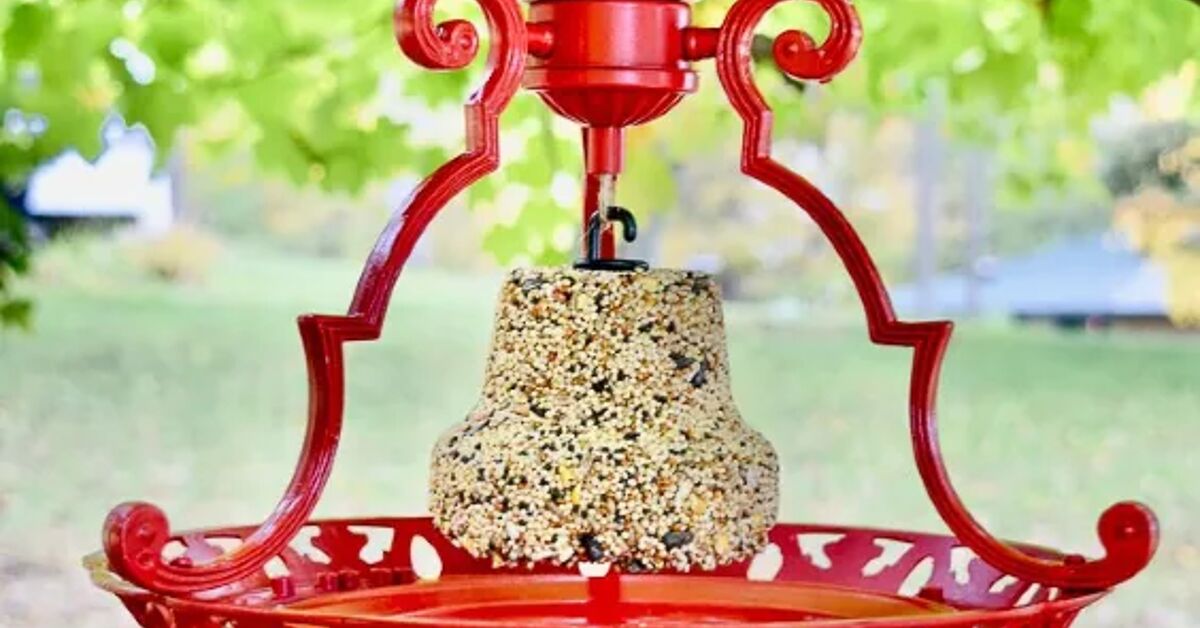
For most yards, black oil sunflower seed is the all-star choice. It has a thin shell that many birds can crack, and it is high in energy. Cardinals, chickadees, finches, titmice, nuthatches, grosbeaks, and many sparrows are often drawn to it. If you want less mess under the feeder, try hulled sunflower hearts. They cost more, but birds eat nearly everything, which means fewer weeds and less sweeping.
Nyjer seed, sometimes called thistle, is especially attractive to goldfinches, house finches, and pine siskins. It works best in a tube feeder with tiny ports or a mesh sock feeder. Suet is excellent for woodpeckers, nuthatches, wrens, and chickadees, especially in cooler months. White millet can attract ground-feeding birds such as juncos, doves, towhees, and native sparrows when scattered lightly or offered in a tray feeder.
Skip the “Mystery Buffet” Seed Mix
If the ingredient list looks like a grain warehouse had a yard sale, keep shopping. A good birdseed mix should have recognizable, useful ingredients such as sunflower seed, millet, safflower, peanuts, or cracked corn in small amounts. Avoid mixes that produce piles of rejected seed under the feeder. Wasted seed can mold, attract rodents, and make your feeding station less healthy.
Choose the Right Feeder for the Birds You Want
Different birds prefer different dining rooms. A feeder that works beautifully for chickadees may not be inviting to cardinals. Choosing the right feeder type helps more birds feel comfortable visiting.
Tube Feeders
Tube feeders are great for small perching birds such as chickadees, finches, titmice, and nuthatches. They keep seed relatively dry and limit access by larger birds. Use sunflower seed in standard tube feeders and nyjer seed in specialty finch feeders.
Hopper Feeders
Hopper feeders hold more seed and often attract a wider range of birds, including cardinals, grosbeaks, jays, finches, and sparrows. They are a good choice if you want a general-purpose backyard bird feeder. Look for a model that is sturdy, drains well, and opens easily for cleaning.
Platform and Tray Feeders
Platform feeders are simple, visible, and easy for birds to use. Cardinals, doves, juncos, towhees, jays, and native sparrows often appreciate them. The downside is that open trays expose food to rain, snow, and droppings, so they require more frequent cleaning. Use only small amounts of seed at a time.
Suet Feeders
Suet cages attract woodpeckers, nuthatches, chickadees, and wrens. In hot weather, choose no-melt suet or reduce suet feeding because regular suet can spoil or become greasy. Place suet in partial shade when possible.
Hummingbird Feeders
For hummingbirds, use a nectar feeder filled with a simple solution of one part refined white sugar to four parts water. Do not use honey, artificial sweeteners, brown sugar, or red dye. Red feeder parts are enough to catch a hummingbird’s attention; the nectar itself does not need to look like fruit punch from a science-fiction cafeteria.
Place the Feeder Where Birds Feel Safe
Birds are cautious for good reason. A feeder in the middle of an exposed lawn may look stylish to humans, but to birds it can feel like eating lunch on a stage while predators review the menu. The best feeder location balances visibility, cover, safety from predators, and protection from windows.
Place feeders near trees or shrubs so birds have a quick escape route, but not so close that cats or squirrels can launch surprise attacks. A distance of about 10 to 12 feet from dense shrubs is often a practical starting point. Birds can retreat to cover, while predators have less opportunity to hide directly beneath the feeder.
Window collisions are another major concern. Feeders placed very close to windows, such as within three feet, can reduce the force of collisions because birds cannot build up much speed. Feeders placed farther away from windows should be far enough that birds are less likely to confuse reflections for open space. To improve safety, add external window screens, decals, tape patterns, or bird-safe film that breaks up reflections.
Make Maintenance Easy
A feeder you cannot reach is a feeder you will not clean. Choose a spot where you can refill, wash, and inspect the feeder without needing a ladder, acrobatics, or a dramatic rescue. Convenience matters because clean feeders attract birds more reliably and reduce disease risk.
Add Fresh Water: The Secret Bird Magnet
Food gets most of the attention, but water can be the real backyard superstar. Birds need clean water for drinking and bathing, especially during hot weather, drought, migration, and freezing conditions. A shallow birdbath can attract birds that may not care about your feeder at all.
Choose a basin with gently sloped sides and water no deeper than about two inches in the center. Add a few stones for footing if the surface is slippery. Moving water is even better. A dripper, bubbler, or small solar fountain can catch birds’ attention because the sound and sparkle of moving water are easier for them to notice.
Clean the birdbath regularly and refill it with fresh water. If the water looks like soup, the birds are not being rude by avoiding it. They are simply demonstrating better judgment than the average human at a gas-station hot dog roller.
Create a Bird-Friendly Yard Around the Feeder
A feeder works best when it is part of a complete habitat. Birds are more likely to visit and return when your yard offers natural food, shelter, nesting areas, and protection. This is where native plants become your quiet superpower.
Native plants support insects, and insects are essential food for many birds, especially during nesting season. Even seed-eating birds often feed insects to their young because nestlings need protein. Native shrubs, grasses, flowers, and trees also provide berries, seeds, nectar, perches, and safe cover.
Consider planting native sunflowers, coneflowers, serviceberry, elderberry, dogwood, oak, native grasses, milkweed, goldenrod, and other regionally appropriate plants. The exact choices depend on your location, but the principle is universal: local plants support local food webs. A yard with only turf grass is like a grocery store with one sad cracker aisle. A yard with layers of native plants becomes a full-service bird resort.
Use Layers: Trees, Shrubs, Flowers, and Ground Cover
Birds use different layers of habitat. Some forage on the ground, some perch in shrubs, and others prefer trees. By creating layers, you welcome more species. Leave some seed heads standing in fall and winter, allow leaves to remain in garden beds when possible, and keep a small brush pile in a quiet corner. These slightly “imperfect” areas can support insects and shelter birds.
Keep Feeders Clean to Keep Birds Coming Back
Clean feeders are not optional. When birds gather in one place, disease can spread more easily through droppings, moldy seed, and dirty surfaces. Wash seed feeders at least every two weeks, and more often during wet weather or heavy use. Hummingbird feeders need more frequent attention, especially in warm weather, because sugar water can ferment and grow mold quickly.
To clean a feeder, take it apart, remove old seed, scrub away debris, and wash with hot soapy water. You can also use a diluted bleach solution, then rinse thoroughly and let the feeder dry completely before refilling. Never add fresh seed on top of damp, old seed. That is not “topping off.” That is building a tiny mold lasagna.
Also clean the ground below feeders. Sweep up hulls, discarded seed, and wet clumps. This discourages rodents, reduces disease risk, and keeps the area from turning into a suspicious backyard cereal swamp.
Protect Birds From Cats, Squirrels, and Other Problems
Bird feeders can unintentionally create danger if predators learn to patrol them. The most important step is to keep pet cats indoors or safely contained in a catio, leash setup, or enclosed outdoor space. Even well-fed cats may chase birds, and birds may avoid a feeder if they regularly see cats nearby.
For squirrels, use baffles, squirrel-resistant feeders, and smart placement. A pole-mounted feeder with a properly installed baffle can work well. Keep feeders away from fences, branches, roofs, and railings that squirrels can use as launch pads. Squirrels are basically parkour potatoes with tails, so do not underestimate them.
If hawks, cats, raccoons, or other predators begin using your feeding area as a hunting station, take the feeder down temporarily and move it to a safer location later. Feeding birds should support them, not turn them into a fast-food combo meal.
Be Patient and Consistent
Birds may need days or even weeks to discover a new feeder. They are watching from trees, testing the safety of the area, and waiting to see whether your yard is trustworthy. Keep the feeder filled with fresh food, maintain clean water, and avoid moving the feeder every afternoon because you are impatient. Birds appreciate consistency more than interior design experiments.
Once one brave chickadee or finch finds the feeder, others often follow. Birds notice activity. A quiet feeder can suddenly become popular after a few regular visitors decide it is safe. Start with one or two feeders and expand only when you can keep them clean and stocked.
Match Food to Common Backyard Birds
If you want more specific visitors, match the food and feeder to the species common in your area. Cardinals often like sunflower and safflower in hopper or platform feeders. Goldfinches favor nyjer and sunflower hearts in tube or mesh feeders. Woodpeckers enjoy suet, peanuts, and sometimes sunflower seed. Chickadees and nuthatches are frequent visitors to sunflower, suet, and peanut feeders. Mourning doves prefer platform feeders or seed scattered sparingly on the ground.
Hummingbirds are attracted to nectar feeders and tubular native flowers. Orioles may visit orange halves, grape jelly in small amounts, nectar, or fruit feeders during migration and breeding season. Bluebirds may come for mealworms, especially in open yards near suitable nesting habitat.
Common Mistakes That Keep Birds Away
Using the Wrong Seed
If birds ignore your feeder, the seed may be stale, wet, moldy, or full of filler grains. Buy smaller amounts of high-quality seed and store it in a cool, dry, sealed container.
Putting the Feeder in an Exposed Spot
A feeder with no nearby cover can feel unsafe. Add shrubs, small trees, or a brush pile nearby, while still keeping enough distance to reduce ambush risk.
Letting Feeders Get Dirty
Dirty feeders can spread disease and discourage visits. If seed smells musty or clumps together, throw it out and clean the feeder before refilling.
Forgetting About Water
Some birds will visit a clean birdbath before they ever try your feeder. Water adds movement, sound, and practical value to your yard.
Using Pesticides
Pesticides reduce insect populations, and insects are critical food for many birds. A yard with fewer chemicals is usually better for birds, pollinators, and the broader backyard ecosystem.
Seasonal Tips for Attracting Birds
In winter, high-energy foods such as sunflower seed, suet, and peanuts can help birds during cold weather. Keep feeders dry and clear snow from feeding areas. In spring, many birds switch their focus to nesting and insects, so native plants become especially important. During summer, keep nectar feeders and birdbaths extra clean because heat speeds spoilage. In fall, migrating birds may appreciate reliable food, water, and berry-producing shrubs.
Do not panic if feeder traffic changes throughout the year. Birds follow natural food sources, migration patterns, nesting duties, and weather. A quiet week does not mean you failed. It may simply mean the birds found a temporary wild food jackpot elsewhere. Backyard birding teaches humility, which is a polite way of saying birds do not care about your schedule.
Experience-Based Tips: What Actually Works in a Real Yard
One of the most useful lessons from backyard feeding is that birds rarely respond to only one change. The feeder matters, but the whole scene matters more. A yard with a clean feeder, fresh water, shrubs, native plants, and predictable refilling will usually outperform a yard with five fancy feeders hanging in a bare lawn like bird vending machines in a parking lot.
In practice, the first breakthrough often comes from switching to better seed. Many people start with a colorful bargain mix because it looks generous. Then they notice that birds dig through it, throw half away, and leave behind a sad pile of mystery grains. Replacing that mix with black oil sunflower seed or sunflower hearts can change the traffic quickly. The feeder becomes simpler, cleaner, and more appealing. Birds are not impressed by variety if most of the variety tastes like cardboard confetti.
Another experience-based trick is to place the feeder where birds can “stage” before feeding. Small birds often fly from tree to shrub to feeder, pausing along the way to check for danger. If the feeder is near a small tree or open shrub line, birds may feel safer. But if the feeder is tucked directly inside dense bushes, it can become predator-friendly. The sweet spot is close enough to cover for comfort but open enough that birds can see what is happening.
Water can also make a surprising difference. A simple birdbath placed near the feeding area may attract robins, mockingbirds, warblers, and other birds that may not care much about seed. Add a small bubbler, and the yard suddenly has a soundtrack. Birds notice sound and movement. Even when feeder activity is slow, the bath may stay busy, especially during hot afternoons.
Cleanliness is where many beginners accidentally lose momentum. At first, the feeder is new, shiny, and beloved. Two months later, it has sticky corners, damp seed, and a roof that looks like it has survived a tiny bird festival. When visits decline, the cause may not be mysterious. Empty the feeder, scrub it, dry it fully, and refill with fresh seed. Often, the birds return as if they were waiting for management to get its act together.
Patience is the final ingredient. A new feeder may sit quietly for a while. Birds need time to discover it and decide it is safe. Resist the urge to move it every day. Keep food fresh, keep water clean, and watch during calm parts of the morning. The first regular visitor may be a chickadee, finch, cardinal, or nuthatch. Once one bird trusts the feeder, others often follow. Backyard bird feeding is less like flipping a switch and more like building a reputation. Serve good food, keep a clean table, provide a safe neighborhood, and eventually the feathered customers will find you.
Conclusion: Build a Feeder Birds Can Trust
Attracting birds to a feeder in your yard is not about buying the most expensive feeder or creating a backyard that looks like a bird theme park. It is about meeting basic needs in a safe, consistent way. Start with high-quality food such as black oil sunflower seed, sunflower hearts, nyjer, suet, or nectar for hummingbirds. Choose feeder styles that match the birds you hope to attract. Place feeders near shelter but away from predator hiding spots. Add clean water, plant native species, avoid pesticides, keep cats indoors, and clean your feeders regularly.
When you combine good food with a healthy habitat, your yard becomes more than a snack stop. It becomes a place where birds can drink, rest, hide, forage, and return. And once the birds arrive, your morning coffee may never be the same. It will come with chirps, wing flashes, squirrel negotiations, and the quiet joy of knowing your yard is part of a living neighborhood.