At first glance, a heat pump tumble dryer looks like any other dryer: a drum, a door, a lint filter, and a mysterious button that somehow decides whether your favorite hoodie comes out warm, dry, and wearableor still slightly damp and judging you. But inside, a heat pump dryer is doing something much smarter than simply blasting hot air and throwing it outside.
A heat pump tumble dryer works by recycling warm air in a closed-loop system. Instead of pulling in room air, heating it, sending it through wet clothes, and venting that warm, moist air outdoors, it captures moisture, reheats the same air, and sends it back through the drum again. Think of it as a dryer that hates wasting heat. It is basically the “use leftovers creatively” friend of the laundry room.
This design makes heat pump dryers more energy efficient than many traditional vented dryers. They also operate at lower temperatures, which can be gentler on fabrics. The trade-off? They may take longer, need filter maintenance, and usually cost more upfront. Still, for many homes, apartments, condos, and laundry closets without exterior vents, a heat pump tumble dryer can be a practical and efficient solution.
What Is a Heat Pump Tumble Dryer?
A heat pump tumble dryer is a type of ventless clothes dryer that uses heat pump technology to dry laundry. Instead of relying only on a traditional heating element, it uses a refrigerant system, compressor, evaporator, and condenser to move heat around. The goal is simple: remove moisture from clothes while reusing as much heat as possible.
In a conventional vented dryer, warm air passes through the drum, absorbs moisture from the clothes, and exits through a duct to the outdoors. That process works, but it wastes a lot of heated air. A heat pump dryer takes a different approach. It keeps the air inside the machine, removes the water from that air, warms it again, and sends it back into the drum.
The result is a closed-loop drying cycle that uses less energy because the machine does not need to constantly heat fresh air from scratch. It is like reheating soup instead of cooking a new pot every five minutes.
How Does a Heat Pump Tumble Dryer Work Step by Step?
The easiest way to understand a heat pump tumble dryer is to follow the air. The air is the hard-working courier in this system, carrying heat into the drum and moisture out of your clothes.
1. Warm Air Enters the Drum
The dryer begins by warming air and moving it through the drum. As the drum tumbles, warm air passes through the wet laundry. This warmth causes water in the fabric to evaporate into the air. At this point, the air becomes warm and humid.
In a traditional dryer, that humid air would usually be pushed outside through a vent. In a heat pump dryer, it stays inside the machine for the next part of the process.
2. Moist Air Moves to the Evaporator
The warm, moist air leaves the drum and travels across a cold component called the evaporator. This is where the dryer acts a little like a dehumidifier. As the humid air cools, the moisture condenses into liquid water.
That water either collects in a removable tank or drains away through a hose, depending on the model and installation. If your dryer has a water reservoir, you empty it after drying. If it is connected to a drain, the machine handles the water automatically.
3. The Air Is Reheated by the Condenser
After the moisture is removed, the now-drier air passes through the warm side of the heat pump system, often called the condenser. Here, the air is heated again. The dryer then sends that warm, dry air back into the drum to pick up more moisture from the clothes.
This cycle repeats again and again until sensors or timers determine that the laundry is dry. The magic is not that the dryer creates huge amounts of heat. The magic is that it keeps reusing the heat it already has.
4. Sensors Help Prevent Over-Drying
Many modern heat pump tumble dryers use moisture sensors to detect when clothes are dry. This helps reduce unnecessary running time and can protect fabrics from over-drying. Over-drying is one of the quiet villains of laundry day: it wastes electricity, shrinks certain fabrics, roughens towels, and makes elastic behave like it has retired early.
Sensor drying is especially useful in heat pump dryers because cycle times can vary based on load size, fabric type, spin speed from the washer, and room conditions. A load of thin athletic shirts may dry much faster than a pile of thick bath towels.
The Main Parts Inside a Heat Pump Dryer
A heat pump tumble dryer may sound complicated, but its main components have clear jobs. Here are the important parts working behind the scenes.
Drum
The drum holds and tumbles the laundry. Tumbling separates clothes so warm air can move through them evenly. Without tumbling, socks would form a damp little kingdom in the middle of the load.
Compressor
The compressor pressurizes the refrigerant in the heat pump system. This helps raise the refrigerant’s temperature so it can transfer heat effectively. The compressor is one reason heat pump dryers may sound different from traditional dryers.
Evaporator
The evaporator cools the moist air so water vapor condenses into liquid. This is the moisture-removal stage. It is similar in concept to how water droplets form on the outside of a cold glass on a humid day.
Condenser
The condenser reheats the dry air before it returns to the drum. This is the heat-recycling stage. Instead of wasting the warmth, the dryer puts it back to work.
Water Tank or Drain Hose
Because a heat pump dryer does not vent moisture outdoors, the water has to go somewhere. Some models collect it in a tank that you empty. Others can be connected to a drain hose. For convenience, a drain hose is the “set it and forget it” option, assuming your laundry space supports it.
Lint Filter and Heat Exchanger Filter
Lint filters trap fibers that come off clothing during drying. Some heat pump dryers also have an additional filter near the heat exchanger. Keeping these filters clean is essential. A clogged filter makes the dryer work harder, increases drying time, and can reduce efficiency.
Heat Pump Dryer vs. Vented Dryer
A vented dryer is the traditional option many people know. It heats air, passes it through clothes, and vents moist air outdoors. It can dry quickly, but it constantly loses heated air. It also requires proper ductwork, exterior venting, and regular vent cleaning.
A heat pump tumble dryer does not require an exterior vent. That makes it useful in apartments, interior laundry rooms, older homes, and spaces where adding a vent would be expensive or impossible. It also uses less energy because it recycles warm air.
The main drawback is speed. Heat pump dryers often take longer than vented dryers, especially with bulky loads. However, lower drying temperatures can help reduce fabric stress, which may be better for clothes over time.
Heat Pump Dryer vs. Condenser Dryer
Both heat pump dryers and condenser dryers are ventless, but they are not the same. A standard condenser dryer usually uses an electric heating element to warm air. It then cools the moist air to condense water, collecting the water in a tank or sending it to a drain.
A heat pump dryer also condenses moisture, but it recycles heat more efficiently using a refrigerant-based heat pump system. That is why heat pump dryers usually use less electricity than standard condenser dryers. In simple terms, a condenser dryer makes heat; a heat pump dryer moves and reuses heat.
Why Heat Pump Tumble Dryers Use Less Energy
The biggest advantage of a heat pump tumble dryer is energy efficiency. Traditional dryers spend a lot of electricity or gas generating heat, then throw much of that heat away through the vent. Heat pump dryers conserve heat by keeping the air inside a closed loop.
Because the air is reheated rather than replaced, the machine needs less energy to maintain drying conditions. This is why heat pump clothes dryers are often promoted as one of the most efficient dryer choices for households.
Lower operating temperatures also help. Instead of using intense heat to force moisture out quickly, a heat pump dryer uses steady, controlled warmth. It may feel less dramatic, but it is effective. Laundry does not always need a heat wave; sometimes it just needs patience and good airflow.
Are Heat Pump Dryers Better for Clothes?
Heat pump dryers can be gentler on clothes because they usually dry at lower temperatures than many conventional dryers. High heat can weaken fibers, fade colors, shrink certain garments, and damage elastic. If you have ever pulled a shirt from the dryer and wondered whether it secretly belonged to a much smaller cousin, heat is often part of the story.
Lower heat does not mean no care is needed. You should still read clothing labels, separate heavy and lightweight fabrics, and avoid drying items that should be air-dried. But for everyday laundry, the gentler drying environment can help reduce wear.
Do Heat Pump Dryers Take Longer?
Yes, heat pump tumble dryers often take longer than vented dryers. The exact time depends on several factors: load size, fabric thickness, washer spin speed, selected drying level, room temperature, and filter cleanliness.
A load of lightweight shirts may dry in a reasonable amount of time, while towels, jeans, and bedding can take longer. The key is not to judge a heat pump dryer by the old rules of high-heat drying. It is designed for efficiency and fabric care, not for turning your laundry room into a small desert.
How to Get the Best Performance from a Heat Pump Dryer
A heat pump dryer can be impressively efficient, but it performs best when used correctly. Small habits make a big difference.
Clean the Lint Filter Every Load
This is the golden rule. Clean the lint filter before or after every cycle. Good airflow helps the dryer remove moisture efficiently. A lint-clogged dryer is like trying to breathe through a sweater.
Do Not Overload the Drum
Clothes need room to tumble. If the drum is packed too tightly, air cannot circulate well, and items dry unevenly. A smaller load may finish faster and use less energy than one giant overloaded cycle.
Use a High Spin Speed in the Washer
The wetter the clothes are when they enter the dryer, the harder the dryer has to work. A faster washer spin removes more water before drying begins. This can shorten drying time and improve efficiency.
Empty the Water Tank
If your dryer uses a water reservoir, empty it regularly. Some machines pause or stop when the tank is full. Nothing ruins laundry momentum like discovering the dryer has been waiting politely for you to dump the tank.
Choose the Right Cycle
Use cycles designed for the fabric type. Cotton, towels, synthetics, delicates, bedding, and mixed loads may all dry differently. The correct cycle helps balance dryness, time, and fabric care.
Common Myths About Heat Pump Tumble Dryers
Myth 1: Heat Pump Dryers Do Not Get Clothes Dry
They do dry clothes, but the result may feel different at first. Because they use lower temperatures, clothes may not come out extremely hot. Some people mistake “not hot” for “not dry.” Let the clothes cool for a moment and check actual moisture, not just temperature.
Myth 2: Ventless Means No Maintenance
Ventless does not mean maintenance-free. You still need to clean lint filters, empty the tank if needed, and occasionally check the condenser or secondary filter depending on the model. The dryer is efficient, not magical. Sadly, it will not fold your shirts either.
Myth 3: Longer Cycles Always Mean Higher Bills
Not necessarily. A heat pump dryer may run longer while using less electricity per minute. The total energy use can still be lower than a faster, hotter dryer because the machine recycles heat instead of constantly generating and exhausting it.
Who Should Consider a Heat Pump Tumble Dryer?
A heat pump dryer is a strong choice for people who want lower energy use, do not have access to exterior venting, live in an apartment or condo, or care about gentler fabric drying. It also works well for households that do laundry regularly and can benefit from long-term energy savings.
However, it may not be ideal for everyone. If you need the fastest possible drying times for huge loads every day, a traditional dryer may feel more familiar. If you rarely use a dryer, the higher upfront cost may take longer to justify. The best choice depends on your laundry habits, available space, budget, and patience level.
Buying Tips for a Heat Pump Dryer
Before buying, check the dryer’s capacity, energy rating, water drainage options, filter design, cycle selection, noise level, and dimensions. Measure your laundry space carefully, including door swing, ventilation clearance, and access to an outlet.
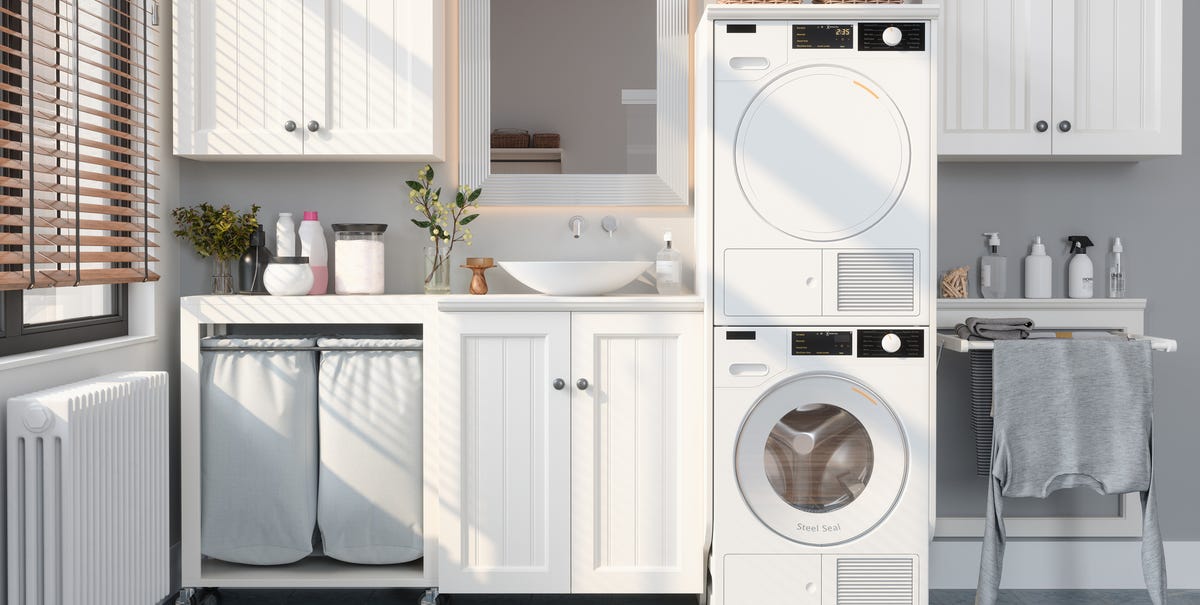
If you plan to stack the dryer above a washer, confirm compatibility with a stacking kit. If you want automatic drainage, check whether the model includes a drain hose and whether your laundry area has a suitable drain. Also look for moisture sensors, reversible doors, smart controls, and easy-access filters.
Most importantly, read real owner reviews about drying time and maintenance. The best heat pump dryer on paper should also fit real life, where laundry includes bath towels, pet blankets, gym clothes, and that one mysterious sock that appears in every load.
Real-Life Experience: What Using a Heat Pump Dryer Feels Like
Using a heat pump tumble dryer for the first time can feel slightly strange if you are used to a traditional vented dryer. The first surprise is temperature. When the cycle ends, clothes may not feel blazing hot. They often feel warm or mildly dry to the touch. This is normal. A heat pump dryer is not trying to roast your laundry; it is trying to dry it efficiently.
The second surprise is time. The display may show a longer cycle than expected, especially for towels or bedding. At first, this can make people nervous. “Two hours? For laundry? Did I accidentally select the geological era setting?” But over time, many users adjust by running loads earlier, using sensor cycles, and spinning clothes well in the washer first.
The third experience is convenience. Not needing a vent can be a major relief. For renters, apartment dwellers, or homeowners with awkward laundry rooms, a ventless dryer opens up more placement options. There is no long duct collecting lint behind the wall, no exterior flap to check, and no warm air being pushed outdoors in winter.
Maintenance becomes part of the routine. Emptying the lint filter is quick, but it must be done consistently. If the model has a water tank, emptying it becomes as normal as cleaning a coffee machine drip tray. Some people actually like seeing how much water came out of the clothes. It is oddly satisfying, in the same way vacuum cleaner dust bins are satisfying but not something you discuss at dinner.
Fabric care is another noticeable benefit. Towels may feel less scorched, T-shirts may keep their shape better, and delicate items may seem less punished by laundry day. Of course, no dryer can rescue every fabric from bad decisions. If a care label says “lay flat to dry,” believe it. The label is not being dramatic.
A practical example: imagine washing a mixed load of cotton shirts, socks, and lightweight pants. In a vented dryer, you might choose a hot cycle and finish quickly, but some items could come out overdried. In a heat pump dryer, the cycle may run longer, but moisture sensors can stop when the load reaches the selected dryness level. The clothes may come out less hot, with fewer wrinkles if removed promptly.
For towels, the experience is different. Thick towels hold a lot of water, so they need space and airflow. Overloading the dryer with every towel in the house is a recipe for damp corners and personal disappointment. A better approach is to dry towels in medium loads and use the washer’s high-spin setting first. The dryer will perform more efficiently, and the towels will have room to tumble instead of forming a wet fabric boulder.
For families, the best strategy is planning. A heat pump dryer rewards steady laundry habits. Instead of waiting until Mount Laundry reaches dangerous altitude, smaller regular loads work better. For people who do laundry at night, quieter operation on many models can also be helpful, though noise varies by brand and compressor design.
The biggest mental shift is understanding that heat pump drying is not weak drying. It is different drying. It uses controlled heat, moisture extraction, and air recycling rather than brute-force temperature. Once you stop expecting clothes to emerge hot enough to warm your hands in January, the process makes more sense.
In daily use, a heat pump tumble dryer feels like a smart, efficient appliance that asks for a little cooperation. Clean the filters. Do not overload it. Use the right cycle. Empty the tank or connect the drain. Give heavy fabrics enough time. In return, it can save energy, simplify installation, and treat clothes with a gentler touch.
Conclusion
A heat pump tumble dryer works by recycling warm air, removing moisture through condensation, and reheating the same air again and again. This closed-loop system makes it more energy efficient than many traditional dryers and allows it to operate without an exterior vent. It uses components such as a compressor, evaporator, condenser, drum, filters, and water collection system to dry clothes in a controlled and efficient way.
While heat pump dryers may take longer and require regular filter care, they offer strong advantages: lower energy use, flexible installation, and gentler fabric drying. For many households, especially those without vent access, a heat pump tumble dryer is not just a fancy laundry upgrade. It is a practical appliance that turns waste heat into useful heatand makes laundry day a little less expensive, a little less harsh on clothes, and maybe even a little less annoying.