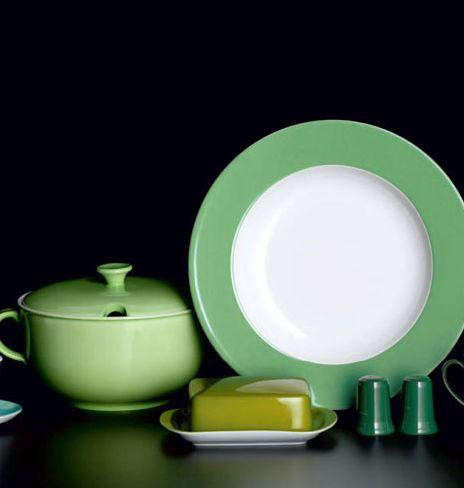
Dibbern’s solid-colored tableware is what happens when German design discipline decides to loosen its tie, pour a sparkling water, and join the dinner party. The pieces are clean, modern, and almost suspiciously good at making ordinary meals look intentional. A bowl of pasta suddenly feels curated. A slice of toast looks like it has a publicist. Even leftovers gain a little dignity when served on porcelain that understands the assignment.
The main attraction is DIBBERN’s famous Solid Color collection, a porcelain tableware line known for simple shapes, vivid color options, and mix-and-match flexibility. Instead of relying on busy patterns or seasonal gimmicks, the collection uses pure form and saturated color to create a table that can be minimalist, playful, formal, casual, or somewhere delightfully in between. It is the kind of dinnerware that lets the food speak, but also quietly says, “Yes, I have taste.”
For shoppers comparing luxury dinnerware, German porcelain, colorful plates, modern table settings, and everyday fine china, Dibbern’s Solid Color tableware sits in a sweet spot: refined enough for hosting, practical enough for regular meals, and timeless enough to avoid looking like a design trend that panicked in public.
What Is Dibbern’s Solid-Colored Tableware?
DIBBERN is a German tableware company associated with timeless design, European manufacturing, and carefully made porcelain collections. Its Solid Color line is one of the brand’s best-known series. The collection is built around a clear, functional shape and a broad palette of solid colors. Depending on retailer listings and current seasonal additions, the line is often described as offering more than forty colors, with some sellers referring to approximately fifty available shades across the broader assortment.
The appeal is simple: each piece is one clean color. No floral border. No ironic rooster. No mysterious beige swirl that looks like it came from a hotel conference breakfast. Just a strong, elegant shape and a color that does the visual work. Plates, bowls, cups, saucers, mugs, serving pieces, and accessories can be combined in one tone or layered across several tones for a personal table setting.
Solid-colored tableware is especially useful because it behaves like a wardrobe basic. A white shirt works with almost anything; a Dibbern plate in pearl, clay, black, wheat, pink, spring green, anthracite, or orange can do the same for your dining table. You can build a calm neutral set, add one accent color, or go full “I own napkin rings and I am not afraid to use them.”
The Design Story: From 1930s Form to Modern Color
Part of the charm of Dibbern’s solid-colored tableware is that it is not merely “pretty plates in nice colors.” The collection has a real design lineage. The pure form associated with the Solid Color series traces back to the 1930s and the work of Professor Hermann Gretsch, a major figure in modern German porcelain design. The shape is often connected with the functional, reduced design language that made early modern tableware feel lighter, cleaner, and more useful than the ornate pieces of earlier generations.
In the early 1980s, Bernd T. Dibbern reinterpreted that classic form by adding modern color. That move transformed a restrained porcelain shape into a flexible lifestyle collection. The result was not loud in the cheap sense. It was expressive in the clever sense. The form stayed disciplined; the colors brought personality.
Why the Shape Still Works
The collection’s staying power comes from proportion. The rimmed plates feel structured without looking stiff. Bowls are useful rather than decorative-only. Cups and saucers look refined but not fussy. The silhouette has enough heritage to feel established, yet enough simplicity to suit modern kitchens, open shelving, stone counters, wood tables, apartment dining nooks, and formal dining rooms.
That is the quiet genius of good tableware design: it disappears just enough. You notice the color, the balance, and the way dinner feels more polished, but the pieces never elbow the food off center stage. A tomato salad still gets to be the star. The plate is simply the excellent supporting actor who deserves a nomination.
Color Is the Collection’s Superpower
The Solid Color collection is famous for its wide color range. This is not a timid palette of white, off-white, almost-white, and “was this white before the dishwasher?” DIBBERN offers a serious spectrum: soft neutrals, saturated brights, deep dramatic tones, earthy shades, and seasonal-feeling colors that can refresh a table without requiring a full dinnerware replacement.
For homeowners and design lovers, that palette creates several easy strategies. A monochrome table in one shade feels calm and architectural. A two-color table feels intentional and clean. A multi-color table feels lively, collected, and personal. The key is that the pieces share the same simple form, so even when the colors vary, the table still looks unified.
Classic Color Pairings That Work
For a warm minimalist look, combine clay, wheat, pearl, and light grey. These tones work beautifully with linen napkins, wood serving boards, brushed flatware, and creamy candles. For a bolder modern table, mix black, anthracite, orange, and spring green. The effect is graphic without becoming chaotic. For a softer brunch setting, pink, morning blue, pearl, and pistachio-style greens create a fresh, cheerful mood that pairs nicely with fruit, pastries, eggs, and the universal brunch truth that someone will ask for iced coffee.
The great advantage of solid-colored plates is that they can be adjusted by season. A neutral dinner plate can be used all year, while salad plates, bowls, mugs, or serving pieces can add seasonal color. This lets you refresh the table without storing twelve separate holiday sets, which is good because kitchen cabinets are not magical portals. They do run out of space, usually right after you buy one more “essential” serving bowl.
Everyday Practicality: Beautiful, But Not Precious
Luxury tableware can sometimes feel intimidating. Some pieces look as if they should be admired from across the room while everyone eats from paper plates. Dibbern’s solid-colored tableware is different because it is designed to be used. Many U.S. retailers describe Solid Color porcelain pieces as dishwasher- and microwave-safe, although buyers should always check the specific item details, especially with unusual finishes, intense pigments, or any metallic decoration.
That practical angle matters. Dinnerware is not wall art. It has a job. It needs to handle breakfast, lunch, dinner, snacks, second snacks, and the late-night cereal that no one admits was dinner. A good plate should look elegant under roasted salmon and still survive Tuesday’s reheated pasta situation.
Porcelain is also a smart material for everyday dining because it offers a polished surface, pleasant weight, and visual refinement. Dibbern’s approach emphasizes durability and long-term use rather than disposable trend chasing. That makes the collection attractive for people who prefer to build a tableware set slowly and keep it for years.
How Dibbern Fits Modern American Homes
In American interiors, Dibbern’s solid-colored tableware fits several popular design styles. In a minimalist kitchen, the collection brings controlled color without clutter. In a mid-century-inspired dining room, the clean geometry pairs well with walnut, teak, brass, and sculptural lighting. In a coastal home, pale blues, sandy neutrals, and white tones feel fresh without drifting into seashell overload. In a city apartment, a few strong colors can make a small dining area look styled instead of simply “where the laptop was moved before dinner.”
For open shelving, the collection is especially effective. Stacked plates in related shades create a color-blocked display that looks intentional even when the rest of the kitchen is doing real-life things, such as hiding three unmatched food containers and one suspicious lid with no partner. Because the form is consistent, the colors can vary without making the shelf look messy.
Best Pieces to Start With
If you are building a Dibbern Solid Color collection from scratch, start with the pieces you will use most often. Dinner plates, dessert or salad plates, cereal bowls, pasta bowls, and mugs are practical foundation pieces. Choose a main color that you will not get tired of quickly. Neutral shades such as pearl, clay, wheat, light grey, or anthracite are versatile. Then add accent pieces in stronger colors, such as orange, pink, green, blue, or black.
A smart starter formula is simple: one neutral dinner plate, one colored salad plate, one useful bowl, and one mug per place setting. This gives each setting personality while keeping the investment controlled. Over time, add serving bowls, platters, espresso cups, or seasonal accent colors. The collection is modular by nature, so it rewards gradual collecting.
Styling Ideas for Dibbern Solid Color Tableware
One of the best things about Dibbern’s solid-colored tableware is how easily it adapts to different occasions. For weeknight dining, use one color family and keep the rest of the table simple. A clay plate, linen napkin, stainless flatware, and a small glass tumbler can make a basic meal feel grounded and elegant. No centerpiece required. Your soup does not need a floral committee.
For entertaining, layer colors. Try a dark dinner plate with a lighter salad plate, or a neutral dinner plate with a vivid bowl. The contrast makes each place setting feel designed. Add clear glassware for a modern look, or colored glassware if you enjoy a more expressive table. Solid dinnerware also gives patterned linens a chance to shine. Striped napkins, checked tablecloths, woven placemats, and textured runners all work because the plates do not compete with them.
Food Presentation Benefits
Solid-colored plates can change how food appears. White and pearl tones make colorful food pop, especially salads, berries, roasted vegetables, and bright sauces. Dark plates can make pale foods look dramatic, such as scallops, pasta, risotto, or vanilla desserts. Earthy shades are excellent for rustic meals: roasted chicken, grain bowls, soups, stews, and anything involving olive oil and confidence.
Because the design is simple, the food becomes the decoration. That is especially useful for home cooks who want meals to look polished without needing restaurant-level plating skills. A clean plate, a thoughtful color, and a bit of negative space can make even a casual meal look composed. Translation: you do not need tweezers to plate dinner. Civilization continues.
Dibbern vs. Patterned Dinnerware
Patterned dinnerware can be beautiful, but it often has a stronger personality. That is wonderful if you love a specific motif, but it can be limiting over time. A floral plate may feel perfect in spring but overly sweet in winter. A novelty pattern might be fun for one dinner and exhausting by the fifth. Solid-colored tableware avoids that problem because color is easier to restyle than pattern.
Dibbern’s Solid Color line offers flexibility without visual boredom. The form stays consistent, the colors do the shifting, and the table can evolve with your home. If your dining style changes from Scandinavian minimalism to warm organic modern, many colors still work. If you move from a small apartment to a larger home, the collection can grow with you. That is one of the reasons well-designed solid porcelain remains relevant.
Care and Buying Tips
Before buying Dibbern solid-colored tableware, consider how you actually live. If you cook often and use a dishwasher daily, check the care instructions for each specific piece. If you rely heavily on the microwave, avoid assuming every finish is microwave-safe. Retailer product pages frequently list care details, and those details matter.
Also think about replacement availability. One reason to choose a long-running collection is that it is easier to add or replace pieces later. Solid Color has been part of DIBBERN’s identity for decades, which makes it more collectible than short-lived seasonal dinnerware. Still, individual colors can change over time, so if you fall in love with a specific shade, buying enough key pieces is wise.
When shopping, compare colors carefully. Online images are helpful, but monitor settings can turn a soft green into something that looks like it was approved by a traffic signal. If possible, order one sample piece or buy from a retailer with clear return policies. For investment tableware, seeing the color in your own light is worth it.
Who Should Choose Dibbern’s Solid-Colored Tableware?
Dibbern’s solid-colored tableware is ideal for people who want dinnerware that feels designed but not overly decorative. It suits home cooks, design collectors, newlyweds building a registry, apartment dwellers upgrading from mismatched basics, and hosts who want flexible pieces for both casual and formal meals. It is also a strong choice for anyone who prefers buying fewer, better things instead of replacing trendy tableware every couple of years.
The collection may not be the best fit for someone who wants extremely rustic stoneware, handmade irregular edges, or dramatic hand-painted patterns. Dibbern is more controlled, refined, and architectural. It does not shout. It speaks clearly, with excellent posture.
Experience Notes: Living With Dibbern’s Solid-Colored Tableware
Using Dibbern’s solid-colored tableware changes the rhythm of a meal in subtle ways. The first thing you notice is how color affects mood. A breakfast served on a pale blue or soft neutral plate feels calmer. Coffee in a colorful mug feels a little more deliberate, as if the day has been given a friendly handshake instead of a chaotic alarm-clock shove. At dinner, darker tones can make simple food feel restaurant-adjacent without requiring a reservation, valet parking, or a waiter who describes foam with great seriousness.
The second experience is the pleasure of mixing pieces. Many dinnerware sets lock you into one look. Dibbern invites experimentation. A neutral dinner plate with a bright salad plate can make a weekday salad look fresh. A dark bowl on a light plate adds contrast. A single accent mug can brighten an otherwise quiet kitchen. Over time, collecting the pieces feels less like buying a set and more like building a color vocabulary for your table.
There is also something satisfying about the collection’s consistency. When plates stack neatly and bowls share a family resemblance, cabinets feel more organized. This matters more than people admit. A kitchen cabinet full of random shapes can feel like a ceramic argument. Dibbern’s clean form brings order, even when life itself is serving leftovers in a hurry.
Another practical experience is that solid-colored porcelain photographs well. For anyone who shares recipes, hosts friends, runs a food blog, or simply enjoys documenting a beautiful meal, these plates provide an easy backdrop. They do not distract from the food, but they add enough color to make the image feel styled. A tomato tart on pearl, soup in anthracite, berries on pink, or pasta on clay can look polished with almost no extra effort.
In real use, the best approach is not to save Dibbern only for special occasions. The design becomes more enjoyable when it participates in everyday life. Use the mug on a slow morning. Put takeout noodles in the bowl. Serve a grocery-store dessert on the plate and pretend, with confidence, that you planned the whole thing. Fine tableware should elevate ordinary moments, not sit in a cabinet waiting for a holiday with assigned seating.
The most memorable experience is how easily the pieces adapt to different personalities. A restrained homeowner might choose pearl, wheat, and light grey. A maximalist might stack orange, pink, green, and black with cheerful abandon. A practical host might buy neutral dinner plates and rotate colored bowls. The collection does not force one style. It gives you a system, then lets you play.
That is why Dibbern’s solid-colored tableware has lasting appeal. It is beautiful, but useful. Colorful, but controlled. Elegant, but not fragile in spirit. It makes dinner feel considered, even when dinner is just soup, bread, and the heroic decision not to order fries. In a world full of disposable trends, that kind of steady, stylish usefulness feels refreshing.
Conclusion
Dibbern’s Solid Color tableware proves that simplicity does not have to be boring. With its German design heritage, clean porcelain forms, wide color palette, and mix-and-match freedom, the collection offers a smart way to build a table that feels personal and timeless. It works for everyday dining, weekend hosting, open-shelf styling, and long-term collecting. The pieces are polished enough for a dinner party yet practical enough for Tuesday night pasta, which is exactly where great design earns its keep.
For anyone searching for luxury solid-colored tableware, modern German porcelain, colorful dinnerware, or a flexible alternative to patterned plates, Dibbern deserves serious attention. It is not just tableware; it is a design system for people who believe meals should look good, feel good, and maybe make the leftovers feel a little less like leftovers.
Note: This article was written for web publication and synthesizes current product, design-history, retailer, and tableware-industry information about DIBBERN and its Solid Color porcelain collection without displaying source links in the article body.