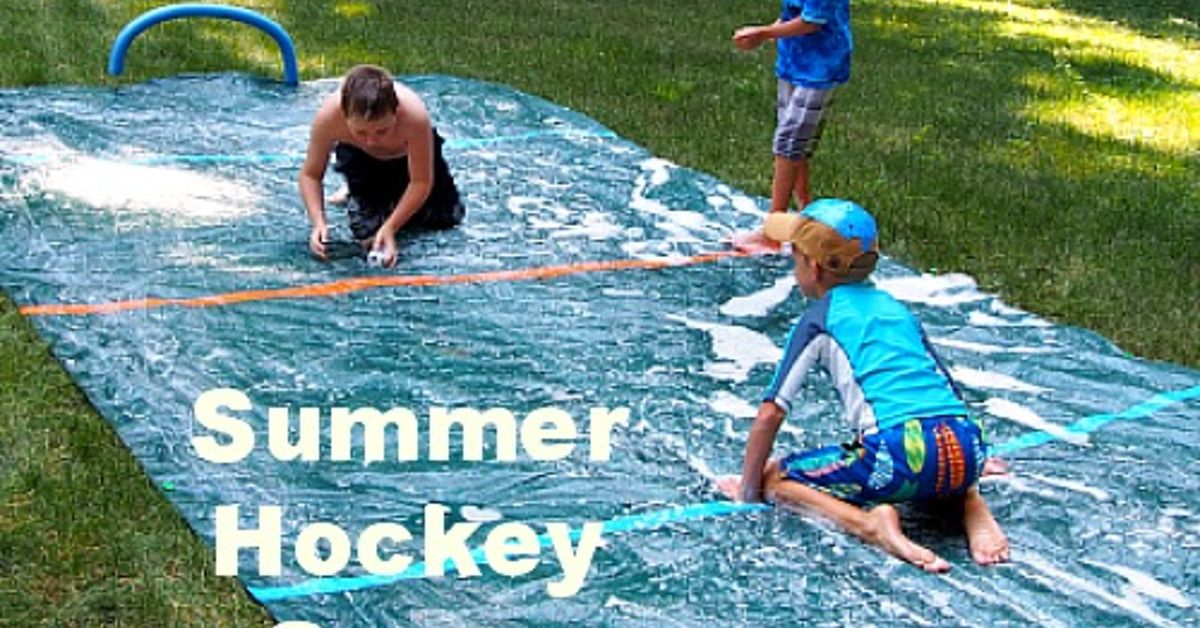
What happens when backyard hockey meets a lawn full of water, sunshine, and one very slippery sheet of plastic? You get the Summer Hockey Game “Slip and Slide” Version: a hilarious, splashy twist on street hockey that turns an ordinary summer afternoon into something between a Stanley Cup playoff, a water park, and a neighborhood comedy show.
This game is not traditional ice hockey, and that is exactly the point. No frozen rink. No roaring Zamboni. No kid yelling, “Where are my skates?” from the garage. Instead, players use lightweight sticks, a soft ball or foam puck, small goals, and a safe water-slide lane to create a low-pressure summer activity that blends hockey skills with outdoor water play.
Done thoughtfully, slip and slide hockey can help kids practice balance, coordination, passing, teamwork, and quick decision-making. Done carelessly, it can become a backyard blooper reel with bruises, arguments, and one uncle who suddenly remembers he is not 12 anymore. This guide explains how to set up the game, make it safer, create fun rules, choose equipment, and turn the whole thing into a summer tradition worth repeating.
What Is a Summer Hockey Game “Slip and Slide” Version?
A Summer Hockey Game “Slip and Slide” Version is a backyard or park-based hockey game played on or around a wet sliding lane. Think street hockey, floor hockey, and water play all shaken together like a sports drink bottle in the hands of an overexcited 8-year-old.
The basic idea is simple: players move a soft ball or lightweight puck toward a goal using plastic or foam hockey sticks. The twist is that part of the playing area includes a slick, wet lane where players can slide, pass, block, or attempt a goofy slow-motion shot. Instead of skating, players run, shuffle, slip, glide, and occasionally perform the world’s least elegant belly flop.
The best version of the game is designed for children, families, camps, youth groups, and neighborhood gatherings. It should be playful rather than overly competitive. The goal is not to create a tiny NHL combine in your backyard. The goal is laughter, movement, teamwork, and a cool way to burn off summer energy without turning everyone into toast.
Why This Game Works So Well in Summer
Hockey is usually associated with cold arenas, winter leagues, and parents holding coffee like it is survival equipment. But hockey skills are not limited to ice. Off-ice hockey games and dryland activities are widely used to develop agility, balance, coordination, stickhandling, passing, and spatial awareness. A summer slip and slide version keeps those ideas alive when the weather is too warm for indoor rink dreams and too nice to stay inside.
Kids also need physical activity that feels like play, not punishment. A backyard hockey water game checks several boxes: it gets players moving, encourages friendly competition, supports hand-eye coordination, and provides natural breaks for cooling off. It can also include players with different skill levels because the silliness levels the playing field. The fastest kid may still end up sliding directly past the ball like a confused penguin on vacation.
Another reason it works is flexibility. You do not need a full-size rink, expensive equipment, or perfect weather. A flat grassy yard, a hose, a safe water slide mat, two small goals, and a few soft sticks can create a complete summer hockey setup. You can run it as a five-minute party game, a structured camp activity, or a family tournament with dramatic team names like “The Lawn Rangers” and “The Mighty Sprinklers.”
How to Set Up the Playing Area
Choose the Right Surface
The best surface is a flat, grassy area with no rocks, roots, holes, sprinkler heads, exposed stakes, or sharp objects. Grass gives players a softer landing than pavement and reduces the risk of scrapes. Avoid driveways, sidewalks, patios, and any surface that becomes dangerously hard when wet.
Before setting up, walk the entire area slowly. Pick up sticks, toys, garden tools, pinecones, and mystery objects that have no business being part of a hockey game. If your foot says “ouch,” the playing surface says “try again.”
Build the Slide Zone
Place the slip and slide lane in the middle or along one side of the playing area. For younger children, make the slide zone a passing lane instead of a full-speed diving zone. Players can slide on their knees, shuffle through, or use it as a slippery “power play” area where goals count double.
One important safety point: lawn water slides are generally designed for children, not teens or adults. Adults and bigger teens should avoid diving headfirst or launching themselves onto backyard water slides. A safer family version keeps the slide low-speed, feet-first, and kid-focused. Adults can coach, referee, spray the hose, keep score, or provide dramatic sports commentary in a towel cape.
Set Up Goals
You can use small pop-up hockey goals, soccer cones, laundry baskets, pool noodles bent into arches, or two upside-down buckets. Keep goals lightweight and soft. If a player crashes into the goal, it should movenot win the collision.
For younger kids, make the goals wider to encourage success. For older kids, shrink the scoring area or add a “must pass before shooting” rule. The goal should be exciting, not impossible. Nobody wants a backyard game that feels like filing taxes with shin guards.
Equipment You Need
Sticks
Use plastic, foam, or lightweight street hockey sticks. Avoid heavy wooden sticks, ice hockey sticks with hard blades, or anything that turns a friendly game into accidental lumberjacking. Younger players should use shorter sticks that they can control easily.
Ball or Puck
A soft foam ball is usually the best choice. It moves well, is easy to see, and is much kinder to ankles, knees, and flowerpots. A lightweight plastic ball can also work. Avoid hard rubber pucks because wet grass and sliding players are already chaotic enough without adding tiny black missiles.
Protective Gear
For casual backyard play, consider soft knee pads, water shoes, and lightweight gloves. Water shoes help reduce slipping when players step off the slide and protect feet from hidden yard debris. Helmets may be useful for younger children or more active versions of the game, especially if players are moving quickly near each other.
Skip skates, rollerblades, shoulder pads, and bulky ice hockey gear. This is a water-based summer game, not a full-contact locker-room reenactment. The lighter and softer the equipment, the better.
Water and Sun Supplies
Set up a water station with cups or bottles before the game starts. Add sunscreen, towels, shade, and a first-aid kit. If the game is part of a party, place the hydration area near the playing field so kids can grab quick breaks without wandering off like dehydrated explorers.
Simple Rules for Slip and Slide Hockey
The best rules are easy to understand, quick to explain, and designed to prevent arguments. Here is a beginner-friendly rule set:
- Teams have two to five players each.
- Players use soft sticks only.
- No checking, pushing, tripping, or stick swinging.
- Players must keep sticks below waist height.
- The ball must touch the slide zone before a goal can count.
- Players may slide feet-first or on their knees, but no headfirst dives.
- After every goal, both teams reset behind their starting line.
- Games last five to eight minutes, or first team to five goals wins.
For younger children, remove goalies and let everyone rotate through offense and defense. For older kids, add strategy: one pass required before shooting, bonus points for a bank pass, or a “splash shot” rule where goals scored from the slide zone count as two points.
Fun Game Variations
1. The Splash Shot Challenge
Players take turns sliding into the shooting zone and trying to score before reaching the end of the slide. This is perfect for parties because everyone gets a turn and spectators get premium comedy.
2. Three-Pass Water Hockey
Teams must complete three passes before shooting. This encourages teamwork and prevents one fast player from turning the game into “watch me dominate while everyone else drips quietly.”
3. Goalie Gauntlet
One player guards a small goal while other players shoot from different wet stations. Rotate goalies every few rounds. Use a soft ball and keep shots low.
4. Parent Announcer Mode
Adults do not play; they narrate. Give one parent a toy microphone or pool noodle and let them announce every move like it is a championship game. “Madison approaches the slide zone, loses one sandal, regains control, and shoots! The crowdmostly mosquitoesgoes wild!”
5. Camp Tournament Format
For summer camps or youth groups, run short games with rotating teams. Award points for sportsmanship, creative team names, best pass, best save, and funniest safe slide. This keeps the event inclusive and reduces the pressure to win.
Safety Tips That Keep the Fun From Going Sideways
Keep It Feet-First and Low-Speed
The most important rule is no headfirst diving. Players should slide feet-first, on their knees, or in controlled seated positions depending on age and setup. The slide is not a runway, launching pad, or audition for “Backyard Stunt Team: Medical Bill Edition.”
Separate Age Groups
Do not mix small children with much bigger kids in the same fast-paced round. Size differences matter when everyone is wet, excited, and moving unpredictably. Create groups by age, height, or comfort level. A gentle game for 6-year-olds should not include a 15-year-old who thinks every backyard activity needs a highlight reel.
Use Active Adult Supervision
An adult should watch the game closely, not from behind a phone screen or halfway through assembling a burger. Water play requires active supervision, even when the water is shallow. Assign one adult as the game monitor and another as the water-and-sun monitor if the group is large.
Watch the Heat
Summer hockey sounds refreshing because water is involved, but kids can still overheat. Schedule play during cooler parts of the day, such as morning or late afternoon. Build in shade breaks every 10 to 15 minutes, and encourage players to drink water before they feel thirsty.
Signs of heat trouble can include dizziness, heavy sweating, weakness, headache, muscle cramps, nausea, confusion, or unusual behavior. If a player looks “off,” stop play immediately, move them to shade or a cool area, and offer fluids. Fun games should pause early, not after someone has turned the color of a boiled lobster.
Make the Field a No-Contact Zone
Traditional hockey may include body contact at advanced levels, but slip and slide hockey should not. No checking, no shoving, no blocking with bodies, and no wild stick battles. Players can defend by positioning, passing, and stick control. The safest version rewards clever play, not collisions.
How Slip and Slide Hockey Builds Real Skills
Behind all the splashing and laughter, this game can support genuine athletic development. Players practice balance as they move from grass to wet plastic and back again. They build coordination by controlling a ball while their feet are not fully trustworthy. They sharpen passing skills because wet surfaces make solo dribbling harder. They also learn spacing, communication, and quick reactions.
For young hockey players, off-ice games can reinforce important movement patterns without the pressure of formal practice. For kids who have never played hockey, this version lowers the barrier to entry. There is no need for ice time, expensive gear, or advanced skating skills. A child who might feel nervous on a rink can still enjoy the basic ideas of hockey in a playful setting.
It also teaches resilience. The ball will bounce weirdly. Someone will miss an open goal. A player will slide gracefully past the entire play while yelling, “I meant to do that!” These moments make the game memorable and help kids learn that mistakes are part of play.
Hosting a Summer Slip and Slide Hockey Party
If you want to turn the game into a party activity, keep the structure simple. Start with a safety talk that lasts less than two minutes. Demonstrate safe sliding. Show players how to hold sticks low. Explain that sportsmanship matters more than scoring.
Next, run a warm-up round with no scoring. Let everyone test the slide, pass the ball, and understand the layout. Then divide players into small teams and play short games. Short rounds prevent fatigue, reduce frustration, and keep waiting players engaged.
Add themed extras if you want the event to feel special. Use team bandanas, silly team names, a scoreboard on cardboard, popsicle breaks, and a “cool-down championship” where the final prize is first choice from the cooler. For food, choose simple summer snacks like fruit, pretzels, sandwiches, and frozen treats. Heavy meals before sliding are not ideal unless you want to test the laws of digestion and regret.
Common Mistakes to Avoid
Using the Wrong Slide
Not all water slides are suited for hockey-style play. Avoid steep slides, slides with hard edges, homemade plastic sheets with exposed stakes, or setups that end near fences, trees, patios, or garden walls. Keep the slide short, flat, and controlled.
Letting the Game Get Too Competitive
A little competition is fun. Too much turns a splash game into a neighborhood arbitration case. Keep teams balanced, rotate players, and reward teamwork. If one player is taking over, add a rule that everyone must touch the ball before a shot.
Skipping Breaks
Because players are wet, adults may underestimate heat risk. Wet does not always mean cool. Sun, humidity, running, and excitement can still wear kids down quickly. Schedule breaks before players ask for them.
Allowing Unsafe Stick Use
High sticks are the enemy of happy faces. Make “sticks below the waist” a non-negotiable rule. Any player who swings wildly takes a short break. This keeps the game safe without turning the adult supervisor into a referee with a whistle addiction.
Experience Section: What It Feels Like to Play Summer Hockey “Slip and Slide” Style
The first thing you notice is that everyone arrives confident. Kids look at the slide, look at the goals, and immediately believe they are about to become backyard legends. Someone announces they have “a strategy.” Someone else says they are “basically a goalie.” A parent nods while quietly moving the lawn chairs farther away from the splash zone.
Then the first whistle blows, and reality enters wearing water shoes.
The opening rush is usually pure chaos. The ball rolls toward the slide, three players chase it, and all three discover that wet plastic has opinions. One player slides past the ball. Another stops too early. A third somehow spins sideways and finishes the play facing the wrong direction, laughing so hard they forget which team they are on.
That is the magic of the game. It removes the polished seriousness that sometimes sneaks into youth sports. Nobody looks cool for very long, and that is healthy. The best player still has to deal with the same slippery surface as everyone else. The shy player can become the hero with one lucky pass. The smallest kid may score because they are lower to the ground and therefore more aerodynamic, at least according to backyard science.
As the game continues, players begin adapting. They stop sprinting blindly and start thinking. They learn to slow down before entering the slide zone. They pass earlier. They spread out. They call names. They realize that a good assist can be more valuable than a wild shot. Without anyone giving a lecture, the game teaches teamwork.
The funniest moments often happen around the goal. A player slides in, pulls back the stick, and swings with all the drama of a movie heroonly to tap the ball three inches. Another player attempts a heroic save and ends up hugging the goal like it owes them money. The crowd cheers anyway because in slip and slide hockey, effort counts almost as much as accuracy.
Parents and adults usually enjoy the game more than they expected, especially when they stay in the role of coach, announcer, photographer, or hydration captain. Adults who try to play at full speed often learn a valuable lesson: the body remembers being young, but the knees have filed a formal complaint. The safest and funniest adult role is commentary. A dramatic play-by-play voice can turn an ordinary missed shot into a legendary event.
One of the best experiences is watching kids invent rules. They may decide that a goal only counts if the shooter says “splash shot.” They may create a penalty box called “the towel zone.” They may award bonus points for the most stylish slide. These small inventions give children ownership of the game and make the activity feel less like something adults planned and more like something the group created together.
After a few rounds, the rhythm changes. Players are tired, soaked, and grinning. The game becomes less about winning and more about one more shot, one more save, one more ridiculous slide. That is when the activity becomes a summer memory. Not because the score mattered, but because everyone was outside, moving, laughing, and sharing a game that felt just silly enough to be perfect.
The best ending is simple: gather everyone in the shade, hand out cold drinks or popsicles, and celebrate the awards that actually matter. Best Pass. Best Save. Best Slide Recovery. Best Team Spirit. Most Likely to Become a Professional Sprinkler. These awards turn the focus away from winning and toward participation, creativity, and joy.
In a world where kids often bounce between screens, schedules, and structured activities, the Summer Hockey Game “Slip and Slide” Version offers something refreshingly simple. It is messy. It is loud. It is imperfect. It may leave the lawn looking like it hosted a tiny water buffalo migration. But it also gives families and groups a playful way to enjoy summer, practice hockey-inspired skills, and create stories that will be retold long after everyone’s towels are dry.
Conclusion
The Summer Hockey Game “Slip and Slide” Version is more than a goofy backyard experiment. It is a creative summer activity that blends the movement and teamwork of hockey with the cooling fun of water play. With soft equipment, safe rules, active supervision, heat awareness, and a no-contact mindset, it can become a memorable game for kids, families, camps, and neighborhood parties.
The key is balance: enough structure to keep everyone safe, enough freedom to let the fun happen naturally. Keep the slide controlled. Keep the sticks low. Keep the water flowing. Keep the competition friendly. And most importantly, keep a sense of humor nearby, preferably in a lawn chair with a cold drink.
If traditional hockey is fast, cold, and intense, slip and slide hockey is its sunny cousin who shows up barefoot, brings popsicles, and somehow turns every missed shot into the best part of the day.
SEO Tags
Note: This article is written for general recreational and informational purposes. Always follow product instructions, supervise children closely, adjust activities for age and ability, and stop play immediately if conditions become unsafe.