Your heart is a hardworking little overachiever. It beats all day, all night, during traffic, during awkward family dinners, and even while you are deciding whether “just one more handful” of chips counts as dinner. The good news? You do not need a luxury wellness retreat, a refrigerator full of mystery powders, or a chef named Sebastian to support heart health. Some of the most helpful foods for your heart may already be sitting in your pantry, fridge, or grocery cart.
A heart-healthy diet is not about one magical food swooping in with a cape and lowering cholesterol by lunchtime. It is about patterns: more whole foods, more fiber, more unsaturated fats, more colorful plants, and fewer heavily processed foods high in sodium, added sugar, and saturated fat. In plain English, your heart tends to appreciate food that looks like it came from a farm, garden, tree, ocean, or simple kitchennot from a package with twelve fonts and a mascot doing extreme sports.
Below are five everyday foods that may help keep the heart healthy when they are eaten as part of a balanced lifestyle. They are affordable, easy to use, and flexible enough for real life, including busy mornings, lazy dinners, and those “I forgot to meal prep again” moments.
Why Everyday Foods Matter for Heart Health
Heart health is shaped by many factors, including genetics, physical activity, sleep, stress, smoking status, blood pressure, cholesterol levels, blood sugar, and overall eating habits. Food is not the only lever, but it is one of the levers we pull every dayusually with a fork.
Foods rich in soluble fiber may help lower LDL cholesterol, often called “bad” cholesterol. Foods high in potassium can support healthy blood pressure when paired with a lower-sodium eating pattern. Unsaturated fats from plant foods and fish can replace saturated fats in meals, which may support better cholesterol levels. Antioxidant-rich fruits and vegetables add compounds that help protect blood vessels from everyday wear and tear.
The goal is not perfection. Perfection is exhausting and, frankly, terrible company at dinner. The goal is building meals that make heart-friendly choices easier and more automatic.
1. Oats: The Breakfast Food That Quietly Gets Things Done
Oats may not be glamorous, but they are dependable. If oats were a person, they would arrive five minutes early, bring a reusable water bottle, and remind everyone where they parked. Their biggest heart-health strength is soluble fiber, especially a type called beta-glucan. Soluble fiber forms a gel-like substance in the digestive tract that can help reduce the absorption of cholesterol.
How oats may support the heart
Regularly eating oats can be a practical way to increase daily fiber intake. Fiber supports healthy cholesterol levels, helps with fullness, and can make breakfast feel more like a meal and less like a sugar rush wearing a cereal costume.
Oats also pair well with other heart-friendly ingredients. Add berries for natural sweetness, walnuts for crunch, chia or flaxseed for extra fiber, or cinnamon for flavor without extra sugar. Overnight oats are especially useful for people who wake up with the energy level of a phone at 3% battery.
Easy ways to eat more oats
- Make oatmeal with milk or unsweetened fortified soy milk and top it with berries.
- Use rolled oats in homemade granola with nuts and seeds.
- Add oats to smoothies for thickness and fiber.
- Mix oats into whole-grain pancakes or muffins.
- Try savory oats with sautéed vegetables and a soft egg.
One small warning: instant flavored oatmeal packets can come with a surprising amount of added sugar. Choose plain oats when possible and add your own fruit or spices. Your heart does not need breakfast to taste like dessert wearing a tiny scarf.
2. Beans and Lentils: Tiny Budget Heroes With Big Benefits
Beans, lentils, chickpeas, and peas are some of the most underrated foods in the grocery store. They are inexpensive, filling, shelf-stable, and packed with plant-based protein, fiber, minerals, and slow-digesting carbohydrates. Basically, they are the quiet honor students of the food world.
How beans and lentils may support the heart
Legumes contain soluble fiber, which can help support healthy LDL cholesterol levels. They also provide potassium and magnesium, minerals involved in blood pressure regulation. Because beans and lentils are satisfying, they can replace higher-saturated-fat meats in meals without leaving you wandering through the kitchen twenty minutes later looking for “something crunchy.”
Swapping some meat-based meals for bean-based meals can be a simple heart-smart strategy. You do not have to become a full-time lentil philosopher. Start small: black beans in tacos, chickpeas in salads, lentils in soup, or white beans blended into pasta sauce for creaminess.
Easy ways to eat more beans and lentils
- Add black beans to burrito bowls with brown rice, salsa, avocado, and vegetables.
- Make lentil soup with carrots, tomatoes, garlic, and herbs.
- Use chickpeas in salads or roast them for a crunchy snack.
- Blend white beans into dips instead of using heavy cream.
- Try bean-based chili with extra vegetables.
If beans make your digestive system hold a press conference, start with small portions and rinse canned beans well. Your gut often adjusts over time. Slow and steady wins the bean race.
3. Berries: Sweet, Colorful, and Smarter Than Candy
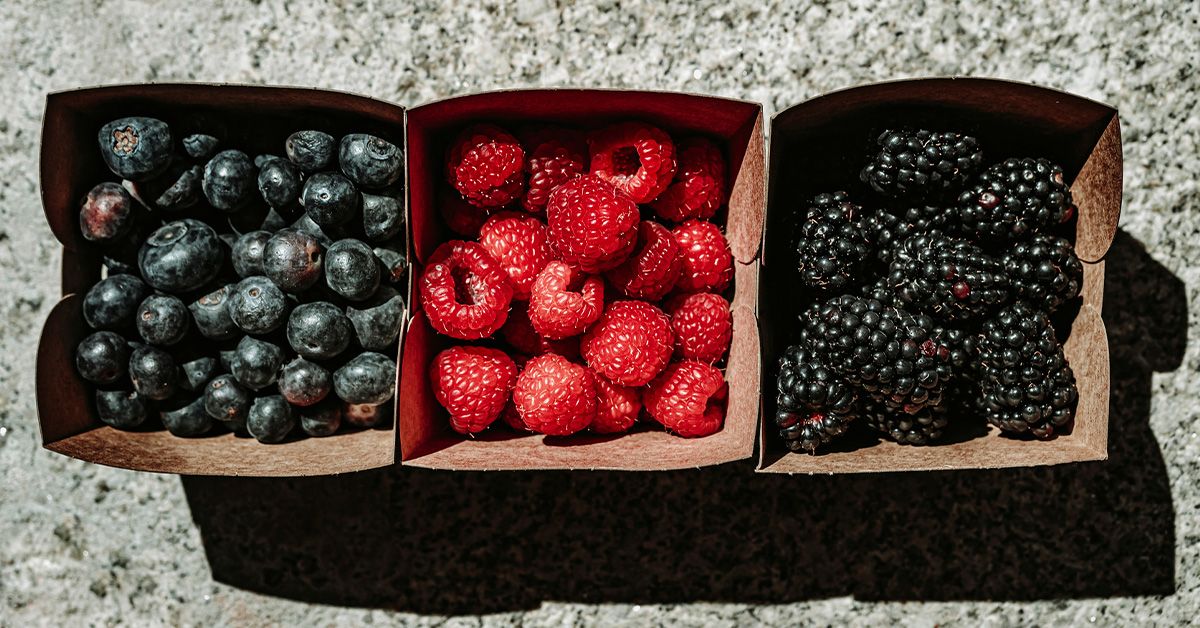
Berries are proof that heart-healthy eating does not have to feel like punishment. Strawberries, blueberries, raspberries, and blackberries are naturally sweet, colorful, and rich in fiber, vitamins, and plant compounds such as anthocyanins. These compounds help give berries their deep red, blue, and purple colors.
How berries may support the heart
Berries can help satisfy a sweet craving while bringing fiber and antioxidants to the table. That makes them a smart swap for desserts or snacks that are heavy in added sugar. A bowl of berries with Greek yogurt is not the same as a frosted cupcake, obviously. But it is sweet, refreshing, and does not leave your energy levels riding a roller coaster operated by a raccoon.
Fiber from fruit may support cholesterol and blood sugar control. Meanwhile, the natural potassium in fruits can fit into blood-pressure-friendly eating patterns. Berries are also easy to add to other heart-healthy foods, especially oats, yogurt, salads, and smoothies.
Easy ways to eat more berries
- Add blueberries or strawberries to oatmeal.
- Keep frozen berries on hand for smoothies.
- Top plain yogurt with raspberries and chopped nuts.
- Add sliced strawberries to spinach salad.
- Use warmed berries as a topping for whole-grain pancakes.
Fresh berries can be expensive, especially when they are out of season. Frozen berries are a great option. They are picked at peak ripeness, last longer, and do not develop that tragic fuzzy sweater in the back of the fridge.
4. Nuts and Seeds: Crunchy Little Fat Packagesin a Good Way
Nuts and seeds are small, but they bring a lot to the heart-health party. Almonds, walnuts, pistachios, peanuts, chia seeds, flaxseeds, pumpkin seeds, and sunflower seeds offer unsaturated fats, fiber, minerals, and plant compounds. They are calorie-dense, so portions matter, but they can be a smart replacement for chips, cookies, or other snack foods that are high in refined carbohydrates, sodium, or saturated fat.
How nuts and seeds may support the heart
Unsaturated fats can support healthier cholesterol levels when they replace saturated fats. Nuts and seeds also provide fiber, which adds fullness and supports digestion. Walnuts, chia seeds, and flaxseeds are especially known for containing plant-based omega-3 fats.
The trick is choosing nuts and seeds without turning them into dessert. Honey-roasted, chocolate-coated, candy-clustered nuts are delicious, yes, but at that point the nut is basically wearing a sugar tuxedo. Look for unsalted or lightly salted options most often.
Easy ways to eat more nuts and seeds
- Sprinkle ground flaxseed into oatmeal or yogurt.
- Add walnuts to salads for crunch.
- Use peanut butter or almond butter on whole-grain toast.
- Mix pumpkin seeds into homemade trail mix.
- Blend chia seeds into smoothies or make chia pudding.
A typical serving is about a small handful of nuts or one to two tablespoons of seeds. If you have a nut allergy, seeds may be an option, but check labels and talk with a healthcare professional if you are unsure about safety.
5. Fatty Fish: A Simple Protein Upgrade for the Heart
Fatty fish such as salmon, sardines, trout, herring, and tuna provide omega-3 fatty acids, especially EPA and DHA. These fats are linked with heart-health benefits, including support for healthier triglyceride levels. Fish also provides high-quality protein without the same saturated fat load found in many processed meats.
How fatty fish may support the heart
Replacing processed meats with fish can improve the overall quality of your diet. For example, a grilled salmon bowl with vegetables and brown rice is likely to support heart health better than a bacon-heavy sandwich with fries. This is not because salmon is magical. It is because the whole meal pattern shifts toward protein, unsaturated fats, fiber, and fewer highly processed ingredients.
Canned fish counts, too. Canned salmon, sardines, and tuna can be affordable and convenient. Look for lower-sodium options when available, and pair fish with vegetables, whole grains, beans, or olive oil-based dressings.
Easy ways to eat more fatty fish
- Make salmon patties with canned salmon, oats, herbs, and egg.
- Add sardines to whole-grain toast with tomato and lemon.
- Use tuna in a salad with beans, greens, and olive oil vinaigrette.
- Bake trout with garlic, lemon, and vegetables.
- Serve grilled salmon with roasted sweet potatoes and greens.
If you do not eat fish, you can still build a heart-friendly diet with beans, lentils, nuts, seeds, soy foods, whole grains, fruits, and vegetables. Ground flaxseed, chia seeds, and walnuts provide plant-based omega-3 fats, though they are not the same as the EPA and DHA found in fish.
How to Turn These 5 Foods Into Real Meals
Knowing what is good for your heart is one thing. Getting it onto the plate when life is loud, busy, and suspiciously low on clean dishes is another. The easiest approach is to combine these foods instead of treating them like separate homework assignments.
Heart-healthy breakfast idea
Make a bowl of rolled oats with blueberries, ground flaxseed, and a spoonful of peanut butter. This meal combines soluble fiber, antioxidants, unsaturated fat, and staying power. It also takes less time than scrolling through breakfast ideas while eating nothing.
Heart-healthy lunch idea
Try a chickpea and tuna salad with leafy greens, tomatoes, cucumbers, olive oil, lemon juice, and herbs. Add whole-grain crackers or a slice of whole-grain bread. It is filling, colorful, and much more exciting than a sad desk sandwich flattened by responsibility.
Heart-healthy dinner idea
Serve baked salmon with lentils and roasted vegetables. Add a small handful of walnuts to a side salad. This dinner brings together omega-3 fats, fiber, plant protein, minerals, and flavor without requiring complicated cooking skills.
What to Limit for Better Heart Health
Adding heart-healthy foods helps, but it works best when paired with a few smart limits. Try to reduce frequent intake of processed meats, fried foods, sugary drinks, refined grains, and snacks high in sodium. These foods can crowd out better choices and may contribute to higher blood pressure, cholesterol problems, or weight gain when eaten too often.
This does not mean every cookie is a cardiovascular scandal. It means your everyday pattern matters more than your occasional treat. Think of treats as guest stars, not the entire cast.
Experience Section: What Eating for Heart Health Looks Like in Real Life
In real life, eating for heart health is less about dramatic transformation and more about tiny decisions that stack up. The first useful experience many people have is realizing that “healthy food” does not need to be bland. Oatmeal, for example, can taste like cardboard if it is made with only water and regret. But add berries, cinnamon, chopped walnuts, and a little milk, and suddenly breakfast feels cozy instead of disciplinary.
Beans are another food that becomes easier with practice. At first, they may seem like something you buy with good intentions and then ignore for six months. But once you learn a few basic uses, they become a weeknight rescue team. Black beans can turn leftover rice into a meal. Lentils can become soup in under an hour. Chickpeas can become a salad, dip, or crispy snack. The experience is freeing because you stop depending on expensive “healthy” products and start using simple ingredients that actually fill you up.
Berries can also change the way you snack. A bowl of frozen blueberries warmed in the microwave makes a syrupy topping for oats or yogurt without needing much added sugar. Strawberries with a few nuts can satisfy the need for something sweet and crunchy. It is not about pretending fruit is candy. Fruit is fruit. Candy is candy. But berries can make the better choice feel easy, and easy choices tend to survive real schedules.
Nuts and seeds teach portion awareness. The first time someone learns that a serving of nuts is a small handful, not half the container, it can feel personally insulting. Still, a small amount goes a long way. A spoonful of ground flaxseed in oatmeal, a sprinkle of pumpkin seeds on soup, or a few walnuts on a salad can add texture and satisfaction. Food that crunches is simply more fun. The heart may be serious, but lunch does not have to be.
Fish can feel intimidating until you discover the lazy versions. Canned salmon, sardines, or tuna can be stored in the pantry and turned into a meal fast. Baked fish can be as simple as adding lemon, garlic, and herbs, then letting the oven do the work. For people who dislike fish, the lesson is not to force it while making a dramatic face at dinner. The bigger lesson is to choose more unsaturated fats, more plant proteins, and fewer highly processed meats.
The most practical experience is this: heart-healthy eating works best when it is boringly repeatable. Keep oats in the pantry, frozen berries in the freezer, canned beans on the shelf, nuts or seeds in a jar, and fish or plant-based protein options ready for quick meals. You do not need a perfect meal plan. You need a few reliable defaults. Over time, those defaults become habits, and habits are where heart health gets interesting.
Conclusion
Five everyday foodsoats, beans and lentils, berries, nuts and seeds, and fatty fishmay help keep the heart healthy when they are part of an overall balanced eating pattern. They support heart health in different ways: fiber, unsaturated fats, omega-3 fats, potassium, antioxidants, and better meal quality. None of them is a miracle cure, but together they can make your daily diet more supportive of healthy cholesterol, blood pressure, and long-term cardiovascular wellness.
The best part is that these foods are normal. They do not require a wellness influencer, a complicated detox, or a blender powerful enough to frighten the neighbors. Start with one change: oats for breakfast, beans at lunch, berries for dessert, nuts instead of chips, or fish once or twice a week. Small swaps may look humble, but your heart is paying attention.
Note: This article is for general educational purposes and should not replace medical advice. People with heart disease, kidney disease, diabetes, food allergies, pregnancy-related nutrition needs, or prescribed diets should talk with a qualified healthcare professional before making major dietary changes.