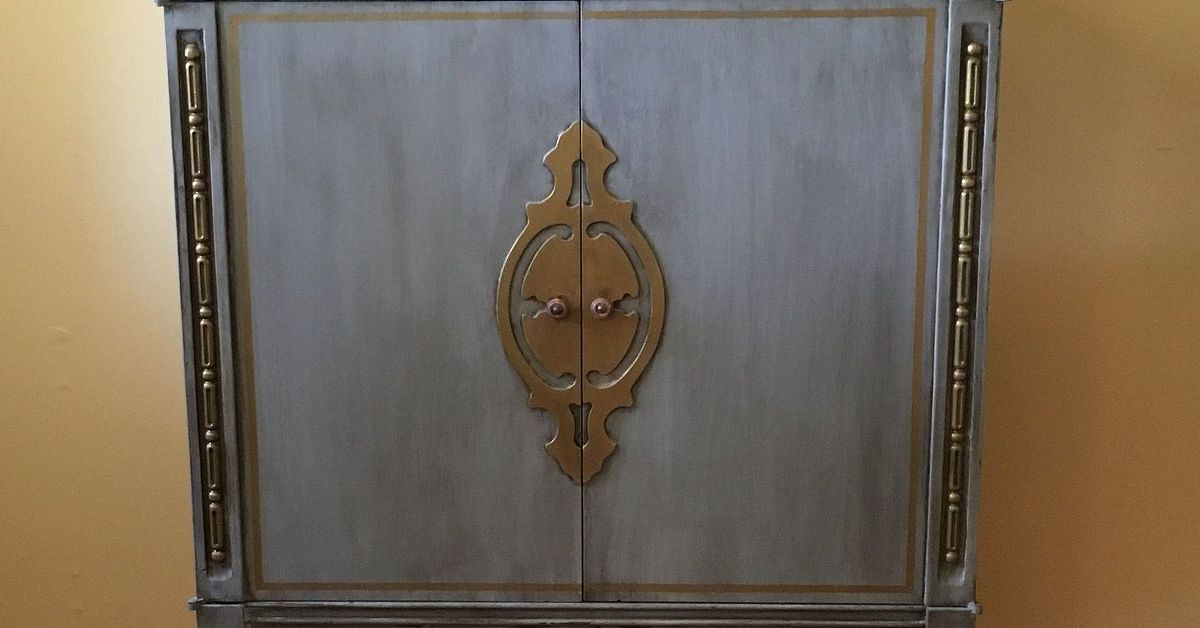
There are furniture makeovers, and then there are furniture makeovers that feel like a tiny historical drama with hinges. A Brunswick 1926 radio cabinet turned Old World wine cabinet belongs proudly in the second category. It begins with a grand wooden cabinet from the golden age of home entertainment, pauses for nearly a century of scratches, dust, and mystery, and ends as a moody, elegant wine cabinet that looks as if it belongs in a Tuscan villa, a French country dining room, or the secret corner of a very stylish jazz club.
What makes this project special is not simply that an old radio cabinet becomes useful again. It is the way the transformation respects the past while making room for modern life. Brunswick was not just another name stamped on a forgotten cabinet. In the 1920s, Brunswick was tied to phonographs, records, radio cabinets, and the early electric entertainment revolution. The company began installing radios in phonograph cabinets through an agreement with RCA in the mid-1920s, right when radio was changing the way American families gathered at home.
So when a 1926 Brunswick radio cabinet is repurposed as a wine cabinet, it is not being erased. It is getting a second act. The music may no longer come through tubes and speaker cloth, but the cabinet still does what it was built to do: gather people around something enjoyable.
Why a 1926 Brunswick Radio Cabinet Makes a Stunning Wine Cabinet
A 1920s radio cabinet has something many modern storage pieces lack: presence. These cabinets were made during a time when home electronics were treated like fine furniture, not plastic boxes to hide behind the television. Brunswick’s high-end phonograph and radio-era cabinets often featured handsome woodwork, decorative fronts, carved details, and proportions that made them look more like heirloom sideboards than machines. Historical phonograph references note that Brunswick was one of the major American phonograph names of the 1920s, known for ornate cabinet styles and finely crafted instruments.
That grand structure is exactly what makes the cabinet ideal for an antique radio wine cabinet. The old speaker chamber can become bottle storage. The record or equipment compartment can hold glasses. A flip-down door can become a small serving ledge. The top can display a decanter, a tray, or a pair of candlesticks that say, “Yes, I own coasters, but I also enjoy drama.”
The Old World Look Works Naturally
The phrase “Old World wine cabinet” suggests warmth, age, texture, and a bit of romance. Think dark wax, aged bronze hardware, deep wood tones, smoky paint, carved trim, linen-textured interiors, and maybe a little gold peeking out like it knows a secret. A Brunswick cabinet from 1926 already has the bones for that style. Instead of forcing a modern farmhouse makeover onto it, the Old World approach leans into what the piece already wants to be: stately, useful, slightly theatrical, and beautifully imperfect.
Before You Begin: Respect the Radio’s History
Before turning any vintage radio cabinet into a wine cabinet, pause and assess what you have. Some antique radios and phonograph-radio combinations are historically valuable, rare, or restorable. In the case of Brunswick Panatrope and Radiola-style pieces, collectors often care deeply about original components, cabinet condition, and whether the piece can be restored as a working instrument. Antique radio and phonograph discussions frequently warn against powering up old electronics before capacitors and wiring are inspected, because dried-out components can cause damage or safety problems.
If the electronics are complete, rare, or in unusually good condition, consult a collector or restoration specialist first. If the cabinet has already lost its radio works, speaker, wiring, back panel, or interior parts, repurposing may be a thoughtful way to save the furniture from the landfill. The goal is not to butcher history. The goal is to rescue a cabinet whose original function has already faded and give it a dignified, useful future.
Design Vision: From Radio Cabinet to Wine Cabinet
A successful vintage radio cabinet makeover starts with a clear plan. Do you want a dry bar, a wine bottle cabinet, a cocktail station, or a decorative storage piece for occasional entertaining? The Brunswick cabinet’s size and layout will guide the answer.
Wine Bottle Storage
Most old radio cabinets have a wide lower cavity or speaker area. This can be fitted with a custom wine rack, X-divider, horizontal bottle shelves, or simple slotted rails. Wine bottles sealed with corks are traditionally stored on their sides to help keep corks from drying out, while screw-cap bottles can be stored upright if space demands it. Current home wine storage guidance emphasizes cool, dark, stable spaces away from vibration and heat.
Glassware Storage
The upper compartment can hold stemware racks, short tumblers, cocktail tools, or linen napkins. If the cabinet has a lift-top or hinged front, that area can become a display zone. A small mirror, aged brass rail, or peel-and-stick antique-style wallpaper can bring in the Old World mood without overwhelming the original woodwork.
Serving Surface
If the cabinet has a drop-down door, reinforce it carefully and turn it into a serving shelf. Add small chains or side supports so the shelf holds weight safely. Nobody wants their charcuterie board performing a tragic dive onto the rug.
Step-by-Step Makeover Plan
1. Inspect the Cabinet Thoroughly
Check the legs, base, veneer, hinges, doors, shelves, and back panel. Look for loose joints, water damage, insect activity, musty odors, missing trim, and sagging floors. Vintage furniture may be sturdier than many modern pieces, but age can hide surprises. If veneer is chipped or lifting, repair it before painting or staining. Veneer is thin wood, and careful patching, leveling, and color matching can preserve the cabinet’s character.
2. Clean Before Sanding
Cleaning is not glamorous, but it is where the makeover earns its halo. Remove dust with a soft brush and vacuum. Wipe grime gently with a damp cloth and mild cleaner, then dry immediately. Avoid soaking antique wood. Museum and historic-site furniture care guidance consistently recommends stable conditions, minimal moisture, and caution with harsh commercial polishes or sprays.
3. Think About Lead Safety
A 1926 cabinet may have been refinished, painted, or touched up over the decades. If there is old paint, assume caution until testing proves otherwise. The EPA warns that renovation, repair, or painting projects involving pre-1978 lead-based paint can create dangerous lead dust. Avoid aggressive sanding until you know what finish you are dealing with.
4. Preserve the Best Original Details
The knobs, grille, carved trim, feet, and door shapes are the soul of the cabinet. Even if the radio no longer works, original hardware can become part of the story. Clean brass or bronze hardware gently. If the speaker cloth is damaged, replace it with cane webbing, linen, antique mesh, or a patterned fabric that fits the Old World wine cabinet style.
5. Build the Wine Storage Interior
For a strong, practical interior, use plywood, hardwood strips, or pre-made wine rack inserts cut to fit. Dry-fit everything before attaching. Wine bottles are heavier than they look, especially when the rack is full. Reinforce the cabinet floor if needed. Add cleats along the sides, secure shelves into structural rails, and make sure the cabinet does not wobble. Beauty is wonderful; structural stability is better, especially when twelve bottles of cabernet are involved.
6. Create an Old World Finish
An Old World finish should look layered, not flat. You might use a deep espresso stain, blackened umber paint, warm walnut glaze, antique wax, or a muted color such as charcoal, olive, oxblood, deep navy, or aged ivory. Light distressing around edges can highlight the cabinet’s shape, but do not attack it like a raccoon with sandpaper. The best aged finish looks as if time created it, not as if someone panicked during craft night.
If the original wood is beautiful, consider restoring rather than painting. A gentle clean, touch-up stain, shellac repair, or wax finish may be enough. If the veneer is badly mismatched or damaged, paint can unify the piece while still honoring the original silhouette.
Wine Storage Rules for a Repurposed Cabinet
A repurposed cabinet can be beautiful, but it is not the same as a climate-controlled wine refrigerator. That matters. Wine prefers consistency: cool temperatures, darkness, moderate humidity, and low vibration. Many wine storage experts point to roughly 55°F as a classic cellar target, while acceptable ranges vary depending on short-term or long-term storage needs.
For everyday bottles you plan to drink within a few weeks or months, a Brunswick wine cabinet can be excellent if placed wisely. Keep it away from sunny windows, heating vents, fireplaces, dishwashers, laundry rooms, and thumping speakers. If you collect expensive age-worthy wines, use a proper wine fridge or cellar for long-term storage and let the antique cabinet hold ready-to-enjoy bottles, bar tools, and display pieces.
Best Placement
Place the cabinet in a dining room, interior hallway, library, butler’s pantry, or living room corner away from direct light. The darker and more stable the spot, the happier the wine. The cabinet will also last longer, since antique wood and veneer do not appreciate temperature swings or harsh sunlight.
Decorating the Finished Brunswick Wine Cabinet
Once the structural work is complete, styling brings the piece to life. Add a small tray on top with a corkscrew, two glasses, and a low lamp. Place a vintage landscape print above it. Add a stoneware bowl for corks. Use amber glass bottles, linen cocktail napkins, and a brass picture light to create a moody European feel.
Inside, line the back with dark botanical wallpaper, faux leather panels, or stained beadboard. Add warm LED lighting only if it stays cool and does not shine directly onto stored wine for long periods. A small battery puck light used occasionally for serving is fine. Turning the cabinet into a glowing Las Vegas refrigerator is less fine.
Common Mistakes to Avoid
Over-Sanding Original Veneer
Many antique cabinets use veneer, and veneer does not forgive heavy sanding. Once you sand through it, you are no longer “refinishing.” You are apologizing. Work slowly, use gentle abrasives, and test hidden areas first.
Ignoring Weight
A wine rack must support real weight. Reinforce shelves, avoid flimsy inserts, and check that the cabinet sits level. If the original base is weak, repair it before loading bottles.
Making It Too Trendy
The charm of a 1926 Brunswick cabinet is its age. Avoid finishes that will look dated in a year. Old World style works because it values patina, depth, and restraint. Let the cabinet whisper, not shout through a megaphone covered in glitter.
Why This Makeover Feels So Rewarding
The magic of a Brunswick 1926 radio cabinet turned Old World wine cabinet is emotional as much as practical. You are taking a cabinet that once delivered music, news, and family entertainment and turning it into a place for conversation, celebration, and hospitality. It is still a gathering piece. It still holds pleasure. It still belongs in the room.
That continuity matters. In an era when furniture is often temporary, repurposing an antique radio cabinet feels refreshingly patient. It says old things are not useless just because their original technology has changed. Sometimes they are simply waiting for a better bottle rack.
Experience Notes: What This Project Teaches You
Working on a Brunswick radio cabinet is the kind of project that teaches humility in the first hour. At first glance, the cabinet may look like a simple box with pretty doors. Then you open it and discover odd compartments, mystery screws, warped panels, missing hardware, and a back that appears to have been designed by someone who enjoyed puzzles. That is normal. Old furniture rarely explains itself politely.
The first experience worth sharing is to photograph everything before removing anything. Take pictures of hinges, knobs, interior rails, screw locations, and trim pieces. Even if the radio components are gone, the cabinet has a logic. Photos help you remember how doors align, where supports belong, and which piece of trim came from which side. Tiny old screws have a special talent for vanishing into alternate dimensions, so labeled bags are not optional. They are sanity insurance.
The second lesson is that cleaning changes the whole mood of the project. Many people want to jump straight to paint, but decades of dust and wax can hide beautiful wood grain. A gentle cleaning may reveal that the cabinet does not need a dramatic makeover at all. Sometimes the best design choice is restraint: repair the veneer, darken a few scratches, wax the surface, and let the wood look like it has lived an interesting life.
The third lesson is to design around how you actually entertain. If you drink wine casually, build storage for six to twelve favorite bottles and leave room for glasses. If you host often, include a pull-out tray or serving shelf. If you prefer cocktails, dedicate one compartment to bitters, shakers, and bar tools. The cabinet should not become a museum piece that makes guests afraid to touch it. It should be charming, sturdy, and useful enough that someone can open it without whispering.
The fourth lesson is patience with finish work. Old World style depends on layers. A base coat, glaze, wax, dry brushing, and subtle distressing can create depth that one flat paint color cannot. But the trick is knowing when to stop. The finish should look aged, not attacked. Step away often, look at the cabinet in natural light, and remember that patina is a seasoning, not the entire soup.
The fifth lesson is to respect both wine and wood. A repurposed cabinet is wonderful for serving and short-term bottle storage, but it should not be treated like a professional wine cellar. Keep it in a stable room, away from heat and sunlight. Use it for bottles you plan to enjoy soon, and save serious aging for climate-controlled storage. This approach protects the wine while allowing the Brunswick cabinet to shine as a functional showpiece.
Finally, expect the finished cabinet to become a conversation magnet. Guests will ask what it was, where it came from, and whether it still works. That is your cue to tell the story: a 1926 Brunswick radio cabinet, once part of the early home entertainment era, now reborn as an Old World wine cabinet. The best furniture makeovers do more than store things. They invite stories, and this one arrives with nearly a century of them already built in.
Conclusion
A Brunswick 1926 radio cabinet turned Old World wine cabinet is more than a clever DIY project. It is a respectful reinvention of a historic piece, combining antique craftsmanship, practical storage, and warm European-inspired style. With careful cleaning, safe refinishing, thoughtful interior construction, and smart wine storage habits, an old radio cabinet can become one of the most memorable pieces in the home.
The key is balance. Preserve what makes the cabinet special. Repair what time has loosened. Add function without stripping away character. When done well, the finished wine cabinet feels as if it was always meant to hold bottles, glasses, and good stories. The radio may be silent, but the cabinet still knows how to host a room.
Note: This article is based on real historical, restoration, conservation, and wine-storage information synthesized from reputable references. Remove citation markers before final web publication if your site style requires clean editorial copy.