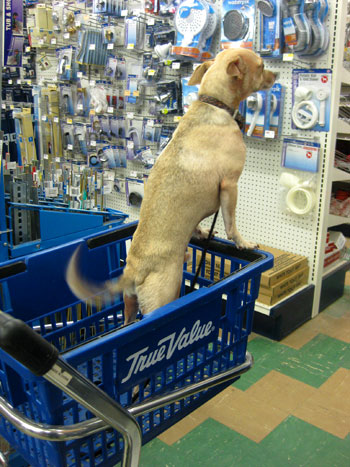
Some home improvement lessons arrive wrapped in sawdust, paint splatter, and one tiny panic attack in the plumbing aisle. “True Dat, True Value” may sound like a phrase you toss out when your friend says, “Measure twice, cut once,” but it also captures something deeper about DIY culture: real value is not just the price on the shelf. It is the advice you get before buying the wrong caulk, the rented tool that saves your weekend, the confidence to tackle a project one careful step at a time, and the satisfaction of looking at a finished wall and thinking, “Hey, that actually looks like an adult did it.”
The phrase originally fits neatly into the world of home improvement storytelling, especially the kind of personal, practical DIY blogging that made ordinary homeowners feel brave enough to waterproof a basement, install a dimmer switch, paint a room, organize a storage zone, or finally admit that a bathroom renovation is not “just a Saturday project.” In that spirit, this article explores the true value behind True Value, local hardware stores, DIY knowledge, practical home upgrades, and the community-powered confidence that turns “I have no idea what I’m doing” into “I cannot believe I did that.”
The Meaning Behind “True Dat, True Value”
At face value, “True Dat, True Value” is playful. It has the wink of a blog post title, the rhythm of a slogan, and the friendly confidence of someone who has spent too long in the paint aisle comparing whites that all look suspiciously identical. But beneath the humor is a serious idea: the best home improvement value is a combination of product quality, expert guidance, practical timing, and smart decision-making.
In American DIY culture, value is often misunderstood as “whatever costs the least.” That is how people end up with brushes that shed like nervous golden retrievers, bargain tape that bleeds paint like a crime scene, and storage bins that collapse under the emotional weight of Christmas decorations. True value is not cheapness. True value is durability, usefulness, safety, and the ability to make a project better without making your wallet cry in the garage.
Why Local Hardware Stores Still Matter
Big-box stores are convenient, and online shopping is dangerously easy. One minute you are buying a drill bit; the next minute a porch swing, six drawer pulls, and a mystery tool called a “spokeshave” are on the way. Still, local hardware stores have something algorithms cannot fully replace: practical, place-based knowledge.
A local hardware employee often knows the soil, the weather, the common house styles, the old plumbing quirks, and the products that actually work in nearby homes. That matters. A homeowner in Richmond, Virginia may need different basement moisture advice than someone in Arizona. A coastal homeowner may need corrosion-resistant hardware. A Midwestern homeowner may need winterization supplies before the first freeze turns outdoor faucets into tiny disaster fountains.
Independent hardware stores have long served as neighborhood problem-solving centers. They are where people walk in holding a broken part in one hand and pure confusion in the other. The best stores do more than sell things; they translate problems. “My wall is sweating,” “My toilet is making ghost noises,” or “This screw came from somewhere important, probably” becomes a product recommendation, a process, and sometimes a gentle suggestion to call a professional.
The DIY Blog Squad Era: When Real Projects Became Real Content
The late 2000s and early 2010s were a golden age for home blogs. Before every project became a hyper-polished vertical video, DIY bloggers shared messy, photo-heavy, deeply human tutorials. They showed the half-finished basement, the ugly before photo, the paint test patches, the “we thought this would take two hours” confession, and the triumphant after shot.
That authenticity made home improvement feel accessible. Instead of watching a television crew complete a renovation in 22 minutes plus commercial breaks, readers saw real people learning in real time. Projects included basement waterproofing, bathroom demolition, tiling, painting, storage upgrades, light fixture changes, and furniture makeovers. These were not fantasy renovations with unlimited budgets and invisible labor. They were the kind of upgrades that happen between work, dinner, laundry, and the sudden discovery that the previous homeowner used three different types of screws in one hinge.
The True Value DIY Blog Squad represented a smart blend of brand support and hands-on creativity. Bloggers received tools, supplies, and expert encouragement, while readers received practical inspiration. The real win was not just product placement. It was the message that good materials, good advice, and a willingness to learn can move a home forward one project at a time.
Basement Waterproofing: The Unsexy Hero of Home Improvement
Nobody invites friends over and says, “Would you like to see my properly sealed masonry walls?” But basement waterproofing is one of those behind-the-scenes improvements that can protect storage, reduce musty odors, and help prevent bigger moisture problems. It is not glamorous, unless your idea of glamour involves hydraulic cement and a suspicious damp patch. In which case, live your truth.
Basement moisture often starts outside. Poor grading, clogged gutters, short downspouts, foundation cracks, and window well leaks can all send water toward the house instead of away from it. Interior waterproofing products can help in the right conditions, especially on clean, bare masonry, but they are not magic. The first rule is to identify where the water is coming from. The second rule is to stop pretending the puddle is “probably nothing.” Puddles are rarely philosophers; they usually have a source.
Smart Basement Prep Steps
Before coating a basement wall, homeowners should clean the surface, remove loose paint or efflorescence, patch cracks, manage exterior drainage, and make sure the wall is dry enough for the product being used. Waterproofing paint or masonry sealer can be useful for minor seepage, but serious water intrusion, structural cracks, recurring flooding, or mold concerns deserve professional evaluation.
This is where true value becomes obvious. A gallon of masonry waterproofer is valuable only when it is used correctly. A rented demolition hammer is valuable only when the user understands what should and should not be demolished. A storage-ready basement is not created by wishful thinking; it is created by moisture control, planning, and a healthy respect for concrete dust.
Painting: The Cheapest Makeover That Still Demands Respect
Paint is the people’s renovation. It is affordable, transformative, and just messy enough to make you feel like you accomplished something heroic. A new wall color can make a room feel brighter, calmer, bigger, warmer, or less like a rental office from 1997. But painting well requires more than opening a can and hoping gravity stays cooperative.
Good painting starts with preparation. Clean the walls. Patch holes. Sand rough spots. Protect floors. Use painter’s tape wisely. Choose the right brush and roller. Test colors in different light. Buy enough paint from the same batch if possible. And please, for the love of baseboards, do not skip primer when the surface needs it.
Painter’s Tape and the Joy of Clean Lines
Painter’s tape is one of those humble products that can separate “crisp and intentional” from “abstract expressionism on trim.” High-quality tape can reduce bleeding, especially when pressed down firmly and removed at the right time. For stripes, trim, accent walls, and baseboards, the right tape can save hours of touch-ups. The wrong tape can introduce you to a new emotion called trim rage.
Still, tape is not a substitute for patience. Clean surfaces help tape adhere. Pressed edges help block paint seepage. Removing tape carefully helps avoid peeling. Like most DIY tools, tape works best when used as part of a system, not as a magical green or blue ribbon of forgiveness.
Small Upgrades, Big Payoffs
Not every valuable home improvement project involves knocking down walls. In fact, many of the most satisfying upgrades are small, affordable, and finished before the dog loses interest. Dimmer switches, improved lighting, organized storage bins, fresh cabinet hardware, caulked gaps, painted trim, repaired screens, new door stops, labeled shelves, and better utility hooks can make a house function better every day.
These projects matter because homes are not museums. They are working systems. A good home supports routines: where coats land, where tools live, how laundry moves, how light changes in the evening, how seasonal items are stored, and how easy it is to find the tape measure that somehow migrates like a tiny metal bird.
Functional Value Beats Flashy Value
Online design culture often rewards the dramatic before-and-after. But true value often comes from less photogenic improvements. A basement shelf that keeps paint cans off the floor. A dimmer switch that makes dinner feel cozy. A waterproofed storage area that protects baby gear, holiday bins, or family keepsakes. A properly labeled breaker panel. These changes may not go viral, but they make life smoother. And smoother life is a luxury, even if it comes in the form of clear storage tubs.
Know When to DIY and When to Call a Pro
Confidence is wonderful. Overconfidence is how people end up on ladders holding live wires and negotiating with gravity. The smartest DIYers understand their limits. Painting a bedroom, changing cabinet knobs, organizing a basement, installing shelves into studs, or assembling furniture may be realistic for many homeowners. Electrical panel work, structural changes, major plumbing, roofing, gas lines, and lead paint disturbance in older homes require serious caution and often licensed professionals.
Homes built before 1978 may contain lead-based paint, and renovation work that disturbs old painted surfaces can create hazardous dust. Electrical projects also demand respect. Even a seemingly simple switch replacement should begin with turning off power at the breaker and verifying the circuit is dead. If that sentence makes you nervous, good. Nervous is sometimes your brain wearing a hard hat.
DIY safety is part of true value. Gloves, goggles, masks, ventilation, ladder stability, tool guards, and clear workspaces are not optional accessories for people who enjoy having fingers and functioning knees. A project is not successful if the wall looks great but your weekend ends in urgent care.
The Economics of Home Improvement
Home improvement remains a major part of American household spending. Homeowners invest in repairs, maintenance, upgrades, energy improvements, kitchens, bathrooms, outdoor spaces, storage, and aging-in-place modifications. Some projects are discretionary; others are necessary. A fresh accent wall is a choice. A leaking roof is a very expensive announcement.
In recent years, many homeowners have chosen to improve rather than move, especially when mortgage rates, housing prices, and limited inventory make relocation less attractive. That shift increases the importance of smart project planning. Instead of chasing every trend, homeowners benefit from asking practical questions: Will this improve daily life? Will it protect the home? Will it reduce maintenance? Will it increase safety? Will I still like it when the internet moves on to mushroom lamps and chartreuse tile?
What “True Value” Looks Like in Real Life
True value appears when a homeowner spends a little more on the product that lasts longer. It appears when a local hardware expert prevents a wrong purchase. It appears when a rented tool saves time without requiring ownership. It appears when a blogger shares mistakes honestly so readers can avoid repeating them. It appears when a family turns a damp basement into usable storage, not because the project was glamorous, but because it made the house work better.
It also appears in community. Independent hardware stores often sponsor local teams, hire local workers, remember repeat customers, and serve as informal classrooms for generations of homeowners. The person explaining anchors, mulch, pipe fittings, or paint sheen may be doing more than making a sale. They may be helping someone become more capable.
How to Get More Value From Your Next DIY Project
Start With the Problem, Not the Product
Do not begin with “I need to buy something.” Begin with “What problem am I solving?” A wet basement, dim hallway, cluttered closet, ugly bathroom mirror, or peeling trim each requires a different approach. The right diagnosis prevents wasted money.
Ask Better Questions
When visiting a hardware store, bring photos, measurements, material details, and context. “I need a screw” is not as helpful as “I need to attach a 20-pound shelf to drywall, and I do not know where the studs are.” Specific questions unlock specific advice.
Invest in Preparation
Most DIY failures happen before the visible work begins. Cleaning, sanding, taping, priming, measuring, testing, and reading instructions may feel slow, but they are cheaper than fixing mistakes. Preparation is not the boring part of the project. Preparation is the project wearing sensible shoes.
Use the Right Tool
The right tool reduces frustration, improves safety, and produces cleaner results. Sometimes buying makes sense. Sometimes renting makes sense. Sometimes borrowing makes sense. Sometimes the right tool is a professional with insurance.
Build Skills Gradually
Do not make your first tiling project a primary bathroom with complicated cuts and a strict deadline before guests arrive. Start smaller. Learn how materials behave. Practice. Upgrade your ambition as your skill grows. Humility is cheaper than redoing a floor.
Experiences Related to “True Dat, True Value”
The best way to understand “True Dat, True Value” is to imagine a very normal weekend home project. It begins with optimism, coffee, and a sentence that should terrify everyone nearby: “This should be easy.” The project is simple enough on paper. Maybe the basement needs storage shelves. Maybe the bathroom needs fresh paint. Maybe the hallway light needs a dimmer. Nothing dramatic. No television crew. No dramatic reveal music. Just a homeowner, a shopping list, and a car trunk that will soon contain more supplies than expected.
The first stop is the hardware store. This is where value begins. A big online cart might show hundreds of options, but it will not look at your photo and say, “That is masonry, not drywall,” or “You need a different anchor,” or “Do not put that sealer over a painted wall.” A real person can prevent a real mistake. That advice may save twenty dollars, three hours, and one embarrassing return trip in paint-covered sweatpants. True dat.
Then comes the work. The homeowner lays out drop cloths with the confidence of a professional and immediately steps on the one exposed corner of floor. A roller tray liner is discovered to be worth every penny. Painter’s tape is applied slowly, because clean lines are not created by vibes. The first coat looks terrifying, because first coats often do. The second coat looks better. The trim needs touch-up. The dog tries to help. The dog is not helpful.
In the basement, the lesson is even clearer. Storage is not just about bins. It is about moisture, airflow, labels, shelf height, and keeping items off the floor. A basement can look empty and still be unprepared. Before storing holiday decorations, baby gear, tools, or keepsakes, a homeowner needs to check for dampness, water stains, musty smells, cracks, and drainage problems. A few gallons of waterproofing product may help, but only after the root issue is understood. This is the difference between buying stuff and solving problems.
Another experience comes from tool rental. Many homeowners do not need to own a demolition hammer, floor sander, tile saw, or heavy-duty auger. Renting gives access to serious tools without turning the garage into a museum of expensive objects used once. That is value in a very practical form. It saves storage space, lowers upfront cost, and gives people access to better equipment than they might otherwise buy.
There is also emotional value in DIY. Every completed project changes how a homeowner sees the house. A painted room says, “I can improve this place.” A repaired shelf says, “I can maintain this place.” A safer stair rail says, “I can protect the people in this place.” Small victories build confidence. Confidence leads to better planning. Better planning leads to better results. Eventually, the person who once feared the hardware aisle becomes the person explaining wall anchors to a friend at dinner, which is either personal growth or a warning sign. Possibly both.
The deepest experience behind “True Dat, True Value” is realizing that home improvement is not only about resale value. It is about lived value. It is the morning light after you swap heavy curtains for something brighter. It is the relief of finding winter decorations in a labeled bin instead of a mystery pile. It is the comfort of a basement that no longer smells like a wet cardboard convention. It is the pride of using the right tool, asking the right question, and doing the job safely.
That is why the phrase works. “True Dat” is the nod of agreement. “True Value” is the lesson earned through effort. Together, they remind us that the best projects are not always the biggest, flashiest, or most expensive. They are the ones that make a home more useful, more personal, more durable, and more enjoyable. And if they also give you a reason to buy a new paintbrush, well, nobody here is judging.
Conclusion: True Value Is More Than a Hardware Aisle
“True Dat, True Value” is more than a clever phrase. It is a practical philosophy for homeowners, renters, DIY beginners, and seasoned weekend warriors. The true value of home improvement comes from knowledge, preparation, safety, quality supplies, local expertise, and the courage to start with manageable projects. Whether you are waterproofing a basement, painting a bathroom, renting a demolition hammer, installing better lighting, or organizing the chaos zone formerly known as storage, the goal is not perfection. The goal is progress.
A home becomes better through dozens of smart decisions, not one magical makeover. Ask questions. Buy the right materials. Respect safety. Support knowledgeable local stores. Learn from real project stories. Laugh when things get messy, because they will. Then clean up, step back, and enjoy the result. True dat.
Note: This article is based on synthesized public information from reputable U.S. home improvement, retail, safety, housing, and DIY resources. Source-link artifacts have been intentionally excluded from the article body for clean web publishing.