Note: Body-only HTML in English, ready for web publishing, with SEO JSON tags at the end.
Cut half an onion, use a quarter of it, then stare at the rest like it just became a tiny kitchen responsibility you were not emotionally prepared for. It happens to all of us. One minute you are making tacos, chili, or a heroic weeknight pasta. The next minute you are holding a leftover onion and wondering whether it belongs in the fridge, freezer, or the mysterious realm of “I’ll deal with this later,” which is where produce goes to become a science experiment.
The good news is that storing cut onions is not complicated. The better news is that you do not need a fancy produce vault, a vacuum chamber, or a grandmother-approved secret ritual. You just need a clean knife, a sealed container, a cold refrigerator, and a little timing. Kitchen experts and food safety guidance all point in the same direction: once an onion is cut, it should be sealed and chilled promptly.
This guide breaks down exactly how to store onions after cutting, how long they really last, the biggest mistakes people make, when to freeze instead of refrigerate, and how to tell when that leftover onion has officially retired from dinner duty. Along the way, we will also bust one very stubborn onion myth that refuses to leave the internet.
The Quick Answer: How to Store a Cut Onion
If you only need the fast version, here it is: after cutting an onion, place the unused portion in a sealed food-safe container or a tightly closed bag and refrigerate it right away. Keep your fridge at 40°F or below, and use the onion within about 7 to 10 days for best safety and quality. If you know you will not use it soon, chop it and freeze it for cooked dishes later.
- Trim away any visibly damaged or dried-out cut surface.
- Wrap the cut side or place the onion in an airtight container.
- Refrigerate promptly instead of leaving it on the counter.
- Label the container with the date if you are a future-thinking kitchen genius.
- Use refrigerated cut onion within 7 to 10 days, or freeze it earlier.
That is the whole game. Everything else is about doing that basic process well.
Why Cut Onions Need Different Storage Than Whole Onions
Whole dry bulb onions and cut onions live very different lives. A whole onion still has its papery outer layers and natural protection intact, so it does best in a cool, dry, dark, well-ventilated place. That is why pantries, cellars, and breathable baskets work well for whole onions. They like airflow. They do not enjoy being stuffed into plastic and forgotten beside the potatoes like neglected roommates.
But the moment you cut into an onion, that protective barrier is gone. The exposed flesh loses moisture faster, absorbs nearby odors more easily, and needs refrigeration for safe storage. In other words, a whole onion wants circulation. A cut onion wants cold and cover.
This is also why the storage advice online seems contradictory until you realize people are often talking about two completely different situations. “Store onions in a cool dry place” applies to whole dry onions. “Store onions in a sealed container in the fridge” applies to cut onions. Both are correct. The onion is not being dramatic. It just has phases.
What Kitchen Experts Recommend Right After Cutting
The best results start before the onion even goes into storage. Wash your hands, use a clean knife and cutting board, and rinse the onion under running water before peeling or cutting it. That last step matters more than many home cooks realize. Even if you are not planning to eat the outside, rinsing first helps keep dirt and bacteria from the surface from transferring inward when you slice through it.
Do not use soap or produce wash on onions. Plain running water is enough. After that, cut what you need and store the rest quickly. If the onion has been sitting out during meal prep, remember the food safety clock is ticking. Perishable cut produce should not sit around at room temperature for hours while the kitchen turns into a dinner-and-a-movie situation.
If your cut onion came into contact with raw meat juices or shared a board with uncooked poultry or seafood, do not try to save it. Cross-contamination changes the rules. In that case, the safer choice is to discard it rather than stash it for tomorrow’s omelet.
Best Containers for Storing Cut Onions
You do not need a trendy fridge organizer with twelve compartments and a lifestyle influencer attached. You just need a sealed container that protects the onion from air and moisture loss.
Airtight Food Container
This is the easiest and usually the best choice. A glass or BPA-free plastic container with a tight-fitting lid keeps the onion from drying out and helps prevent your refrigerator from smelling like the inside of a burger topping bar. Glass is especially nice because it is less likely to hang onto strong onion odor.
Zip-Top Bag
A zip-top bag works well too, especially for half onions or larger wedges. Press out as much air as possible before sealing. For extra insurance, place the bag inside a small bowl or another container so it does not get squashed by a rogue watermelon.
Wrapped and Covered
If you are in a hurry, tightly wrap the onion in plastic wrap or reusable wrap and place it in a covered container. This is not quite as elegant as using a dedicated airtight container, but it is still far better than leaving the cut side exposed in the fridge.
Whatever container you choose, the important part is the seal. A cut onion should not be hanging out uncovered on a plate like it booked an overnight stay at the buffet.
How Long Does a Cut Onion Last in the Fridge?
For most chopped or sliced onions stored properly in a sealed container in the refrigerator at 40°F or below, a good rule is 7 to 10 days. That does not mean every onion will magically stay perfect until day ten. It means that with proper handling, that is the general safe window experts use for refrigerated cut onions.
Half an Onion
A leftover half onion usually holds up well for several days when tightly wrapped or stored in a covered container. If the cut surface starts to dry out, you can shave off a thin layer before using it.
Sliced or Diced Onion
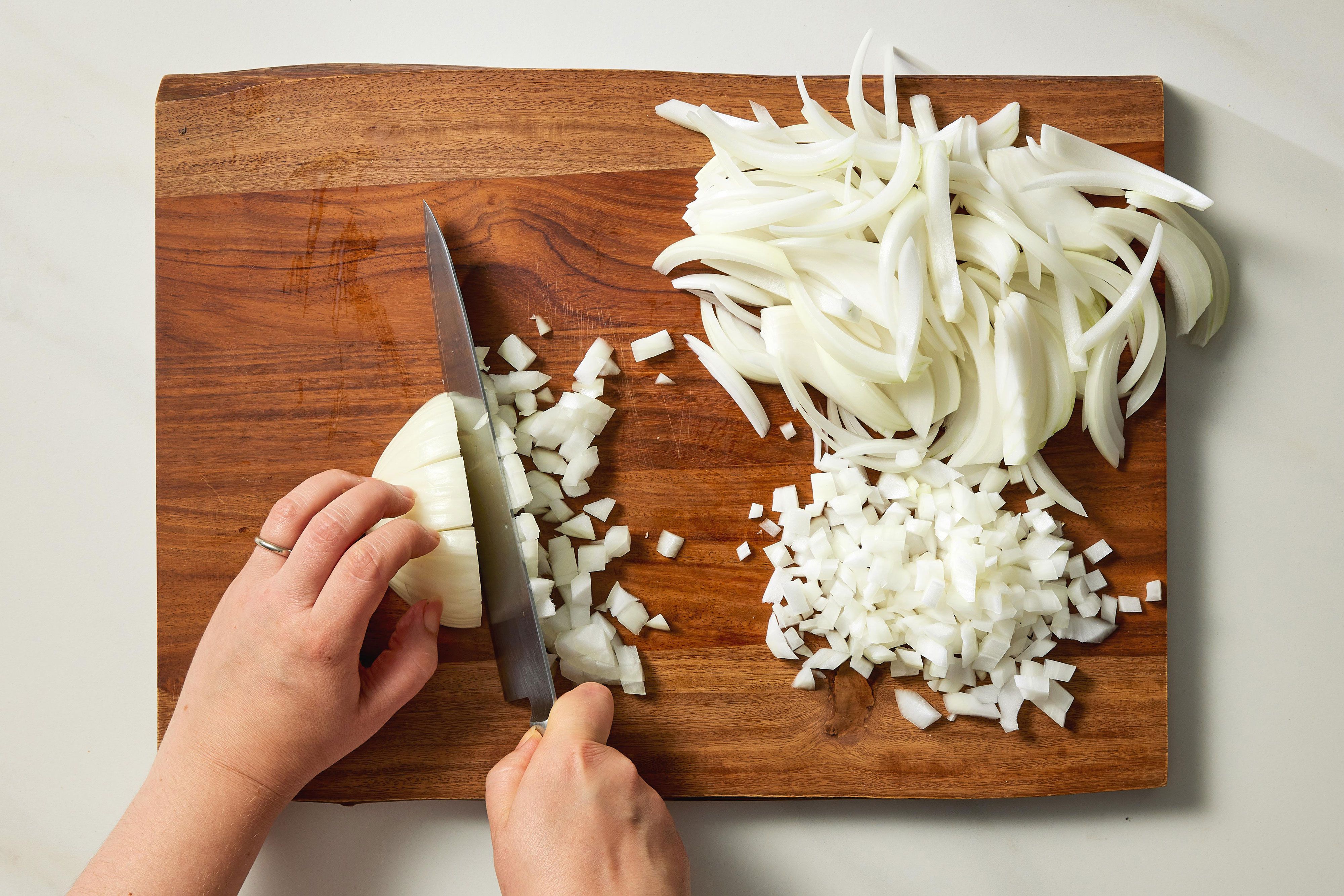
Sliced or diced onion tends to lose quality faster than a large chunk because more surface area is exposed. It is still generally fine in a sealed container for up to 7 to 10 days, but it may soften or get wetter sooner. Use the older pieces in soups, sautés, stews, casseroles, or sauces first.
Cooked Onion in Leftovers
If the onion has already been cooked into a dish, follow normal leftover rules for that recipe. Onion-packed fajita filling, caramelized onions, or roasted vegetables typically fall under the broader leftover timeline, which is usually shorter than the best-case life of raw cut onion. When in doubt, treat the whole dish like leftovers, not like “still technically produce.”
Never Leave Cut Onions on the Counter Too Long
This is the part people often underestimate. Once an onion is cut, do not leave it sitting out for hours. The general kitchen rule for perishable foods is two hours at room temperature, or one hour if the room is very hot, such as above 90°F. That is the safety boundary, not the target. So no, “I chopped it at lunch and will refrigerate it after dinner” is not a great plan.
If you are batch-prepping dinner ingredients, place cut onions back in the fridge until you need them. If you accidentally left a bowl of chopped onions out all afternoon, the safest move is to throw them away. It is annoying, yes. It is also cheaper than food poisoning.
Can You Freeze Cut Onions?
Absolutely. In fact, freezing is one of the smartest ways to deal with extra chopped onions when you know you will not use them within the week. If your recipe only needed half an onion and the rest is destined to become “future soup onion,” the freezer is your friend.
How to Freeze Cut Onions
- Peel and chop or slice the onion the way you normally cook with it.
- Pat it dry if it seems very wet.
- Pack it into freezer bags or freezer-safe containers.
- Press out as much air as possible.
- Label with the date and amount.
- Freeze flat if using bags for easier storage and faster thawing.
You can also spread chopped onion on a tray first, freeze until firm, then transfer to a bag. That keeps the pieces loose so you can pour out just what you need. Very satisfying. Very efficient. Mildly smug.
Will Frozen Onions Taste the Same?
Flavor stays useful, but texture changes. Frozen onions are best for cooked dishes, not crisp raw salads, sandwiches, or pico de gallo. After freezing, they usually become softer and less snappy. That is not a flaw. It just means they belong in soups, stir-fries, meat sauces, curries, chili, stuffing, and skillet dinners where no one expects them to audition as crunchy garnish.
Should You Store Cut Onions in Water?
Not for regular bulb onions. For leftover onion halves, storing them in water is unnecessary and can hurt texture. It is better to keep them dry and sealed. Green onions are different and can sometimes be stored upright with water around the roots, but that is a different onion story and not the one your diced yellow onion is living.
If you see hacks telling you to float cut onions in water to “keep them fresh forever,” treat those the way you treat miracle cleaning hacks involving lemons, baking soda, and suspiciously perfect white sneakers: with caution.
How to Tell If a Cut Onion Has Gone Bad
A cut onion that is past its prime usually tells on itself. Watch for these signs:
- Soft, mushy, or slimy texture
- Visible mold or dark fuzzy spots
- Strong sour or unpleasant odor
- Heavy discoloration beyond simple drying at the cut edge
- Leaking liquid or an overall “absolutely not” appearance
A little drying on the cut face is normal and can often be trimmed away. Full-on slime is not a charming personality trait. If the onion smells off or looks questionable, toss it. Food safety is not the place for inspirational optimism.
Common Mistakes That Ruin Cut Onions Faster
Leaving Them Uncovered
An uncovered onion dries out, smells up the fridge, and picks up flavors from nearby food. Nobody wants onion-flavored cheesecake by accident.
Using a Warm Fridge
If your refrigerator runs above 40°F, the onion will spoil faster and safety drops too. A fridge thermometer is boring in the best possible way.
Storing Whole Dry Onions in Plastic Bags
This one applies more to uncut onions, but it matters because many people do it wrong before they ever start cutting. Whole dry onions need airflow. Plastic traps moisture and shortens shelf life.
Keeping Onions Beside Potatoes
Whole onions should not be stored with potatoes because the shared moisture and gases can encourage faster spoilage. They are not toxic together. They are just bad influences on each other.
Assuming “It’s a Vegetable, So It’s Fine”
Produce is not automatically immortal. Once cut, onions need the same common-sense cold storage you would give other perishable prepared ingredients.
The Big Myth: Are Cut Onions Poisonous?
No. Properly handled cut onions are not poisonous. This myth has been floating around kitchens and social media for years, often packaged with dramatic warnings about onions becoming “magnets for bacteria” overnight. It is one of those claims that sounds spooky enough to survive, even though food safety guidance does not support it.
What is true is much less dramatic: cut onions, like other cut produce, should be refrigerated promptly and stored in a sealed container. They are not cursed. They are just perishable. So if your aunt forwards you a message claiming yesterday’s chopped onion can bring down a healthy adult by noon, you may gently set that message next to the chain email about microwaves and vitamins.
What About Sweet Onions, Red Onions, and White Onions?
The storage method after cutting is basically the same for yellow, white, and red onions: seal and refrigerate. Sweet onions can be a little more delicate because they tend to have higher water content, so they may soften faster. That is another reason to refrigerate extras promptly and use them sooner rather than later.
Flavor differences matter for cooking, but they do not change the core storage rules once the onion has been cut. A half red onion from taco night still wants the same cold, sealed life as a half yellow onion from soup prep.
Practical Kitchen Uses for Leftover Cut Onions
If you want to waste less food, plan the second life of your onion before you store it. A lonely leftover onion half becomes much easier to use when it already has a mission.
- Dice it for scrambled eggs or breakfast potatoes.
- Slice it into a stir-fry the next day.
- Add it to soups, chili, pasta sauce, or taco meat.
- Freeze measured portions for future recipes.
- Roast it with other vegetables before it loses quality.
The smartest cooks are not necessarily the ones with the fanciest knives. They are the ones who look at half an onion and immediately think, “Excellent, tomorrow’s soup has started itself.”
Kitchen Experience: What Really Happens in Real Homes
In real kitchens, onion storage is rarely a neat laboratory situation. It is usually happening at 7:14 p.m. while someone is draining pasta, answering a text, and trying to stop a toddler, spouse, sibling, or dog from sampling dinner before it exists. That is why practical habits matter more than perfection.
One of the most common experiences people have with cut onions is forgetting they are in the fridge until a few days later, then discovering that the onion is technically still usable but not exactly looking radiant. Maybe the cut face has gone a little dry, or the chopped pieces are sitting in a container with some moisture collected at the bottom. In many cases, that does not mean the onion is ruined. It usually means it is no longer the best candidate for a fresh salsa or crisp salad, but it is still perfectly suited for a cooked dish. A quick sauté can turn “slightly tired onion” into “totally respectable dinner ingredient.”
Another very normal experience is the smell issue. People often worry they stored the onion wrong because the refrigerator smells like onion the next morning. Usually, that means the container was not sealed tightly enough, not that the onion itself is unsafe. Switching from loose wrap to a properly lidded container often solves the problem immediately. Glass containers are especially helpful for this because they contain odor well and do not seem to hold onto yesterday’s onion aroma the way some plastic containers do.
Freezing is another habit many home cooks learn the hard way. At first, people assume frozen onions will be exactly like fresh onions after thawing. Then they thaw them and discover the texture is softer, wetter, and a little less charming. That can feel disappointing until they toss those same onions into soup, stew, fried rice, or spaghetti sauce and realize they work beautifully there. Once cooks understand that frozen onions are a cooked-food ingredient, not a raw garnish, the freezer becomes a genuinely useful waste-reduction tool.
There is also the experience of buying multiple onions for one recipe and only using half of one. It sounds small, but that is exactly how food waste starts: one leftover half here, one forgotten wedge there, and suddenly the crisper drawer is hosting a support group for abandoned produce. People who do best with onion storage tend to create simple routines. They label containers, keep cut onions toward the front of the fridge, and make a point of using those ingredients within the next few meals. Nothing fancy. Just intentional.
And then there is the myth problem. Plenty of otherwise smart people grew up hearing that leftover cut onions become dangerous overnight. That belief still shapes how some households treat onions today. Once people see that food safety guidance is more practical than scary, their habits usually improve. Instead of throwing away every unused onion piece out of fear, they start storing it correctly, using it faster, and wasting less food overall. That is probably the most valuable real-world lesson here: good onion storage is not about being obsessive. It is about making everyday cooking easier, safer, and less wasteful.
Final Takeaway
If you remember only one thing, let it be this: once an onion is cut, seal it and chill it. Store leftovers in a covered container or airtight bag in the refrigerator, use them within about 7 to 10 days, and freeze chopped onions for cooked dishes if you will not get to them in time. Keep whole dry onions in a cool, dark, well-ventilated place, not beside potatoes and not trapped in plastic. Wash onions before cutting, skip the soap, and do not trust onion myths that sound like they were invented during a thunderstorm.
A cut onion is not difficult to manage. It just wants a little cold, a little cover, and a reasonable amount of respect. Frankly, same.