A beautiful home is not a home with zero stuff. That is called a museum, and even museums have suspicious back rooms full of labels, carts, and someone’s forgotten coffee cup. Real life comes with shoes, mail, chargers, throw blankets, pet toys, craft supplies, winter hats, extra towels, pantry overflow, and that one mystery cable no one dares to throw away.
The secret is not owning nothing. The secret is giving everything a place that looks intentional. Beautiful storage solutions for your home should do two jobs at once: reduce clutter and improve the room. The best storage baskets, cabinets, shelves, benches, bins, and built-ins are not just hiding mess; they are quietly making your home easier to live in.
Below are 10 stylish storage ideas that work in real homes, from small apartments to busy family houses. Each one blends function with good design, so your rooms can look calm without requiring you to become a person who alphabetizes cereal boxes for fun.
Why Beautiful Storage Matters
Storage is often treated like a chore, but it is really a design decision. When storage looks good, you are more likely to use it. When it fits your lifestyle, you are more likely to keep using it. A lidded basket by the sofa works because it catches blankets in five seconds. A labeled pantry bin works because nobody has to conduct a dramatic search party for the rice. A storage bench in the entryway works because shoes finally have a destination other than “middle of the floor.”
Great home organization is also about visual calm. Open surfaces help a room feel larger. Repeated materials, like matching baskets or coordinated boxes, make everyday items feel styled rather than scattered. Vertical storage makes use of wall space. Hidden storage keeps private clutter private. Together, these choices create a home that feels polished, practical, and pleasantly under control.
10 Beautiful Storage Solutions for your Home
1. Woven Baskets That Look Like Decor
Woven baskets are the little black dress of home storage: classic, useful, and somehow appropriate almost everywhere. Use them in the living room for throw blankets, in the entryway for scarves and gloves, in the bathroom for towels, or in the bedroom for extra pillows. Natural materials like seagrass, rattan, water hyacinth, and wicker add warmth and texture, which is especially helpful in rooms with lots of smooth surfaces.
The trick is to choose baskets that match the mood of the room. A coastal space may look best with pale woven baskets. A modern room may need black, structured bins. A farmhouse-style home can handle chunky wicker with leather handles. For open shelving, choose several baskets in the same color family so the storage reads as one clean design element instead of a basket convention.
For families, assign one basket per person near the door. For living rooms, keep one large basket beside the sofa for blankets and one smaller basket for remotes, game controllers, or magazines. For closets, labeled baskets can prevent shelves from becoming a leaning tower of “I’ll fold that later.”
2. Built-In Shelving for a Custom Look
Built-in shelving is one of the most beautiful storage solutions for your home because it makes storage feel architectural. Whether it frames a fireplace, fills an awkward alcove, or stretches across a home office wall, built-in shelving adds character and function at the same time.
You do not need a mansion or a library ladder to enjoy the look. A simple wall of shelves can hold books, baskets, framed photos, plants, board games, office supplies, or media equipment. The key is balance. Mix closed storage on the bottom with open display on top. Lower cabinets hide the less glamorous items, while upper shelves give you room for attractive books and objects.
If true built-ins are not in the budget, create the effect with freestanding bookcases placed side by side and painted to match the wall. Add trim along the top or base for a more finished look. It is a clever way to get custom style without making your bank account faint dramatically.
3. Storage Benches for Entryways and Bedrooms
A storage bench is one of the hardest-working pieces of furniture in the house. It gives you a place to sit, a place to hide clutter, and a reason to stop balancing on one foot while putting on shoes like a flamingo with errands.
In an entryway, choose a bench with cubbies, drawers, or a lift-up seat. Use it for shoes, dog leashes, reusable bags, hats, or outdoor accessories. Add hooks above it and a small tray for keys, and suddenly your front door area becomes a command center instead of a clutter trap.
At the foot of the bed, an upholstered storage bench can hold extra bedding, seasonal throws, or decorative pillows at night. In a kids’ room, a sturdy bench can store toys while doubling as reading seating. Choose performance fabric or easy-clean finishes in high-traffic spaces. Beauty is important, but so is surviving muddy sneakers.
4. Floating Shelves That Use Vertical Space
When floor space is limited, look up. Floating shelves are ideal for small homes because they add storage without stealing square footage. They work well in kitchens, bathrooms, bedrooms, laundry rooms, offices, and narrow hallways.
In the kitchen, floating shelves can hold everyday dishes, coffee mugs, cookbooks, or glass jars of dry goods. In the bathroom, they can store folded towels, candles, toiletries, and small baskets. In a home office, they keep books and supplies off the desk so the workspace feels clearer.
To make floating shelves look beautiful rather than busy, group items by color, height, and purpose. Use baskets or boxes for tiny objects. Leave some breathing room between pieces. A shelf does not need to be packed from end to end to earn its rent.
5. Glass-Front Cabinets for Elegant Display Storage
Glass-front cabinets are perfect when you want storage that feels refined but not completely hidden. They are especially useful in dining rooms, kitchens, living rooms, and offices. The glass keeps items visible, while the doors reduce dust and create a more polished look than open shelving.
Use glass-front cabinets for dishes, glassware, linens, books, craft supplies, or collectibles. If the contents are not naturally beautiful, place them inside matching boxes or baskets. A cabinet with clear doors has one rule: it will tell the truth. Help it tell a flattering one.
For extra style, line the back of the cabinet with removable wallpaper, grasscloth, beadboard, or a painted accent color. This small upgrade makes even simple storage feel custom. Add battery-powered interior lights if you want the cabinet to glow softly in the evening.
6. Under-Bed Storage That Does Not Look Like Dorm Life
The space under the bed is valuable, but it needs discipline. Without the right containers, it can become a shadowy kingdom of forgotten gift wrap, missing socks, and emotional support clutter. Done well, under-bed storage is excellent for seasonal clothing, extra bedding, shoes, luggage, and keepsakes.
Choose shallow bins with lids, fabric zip bags, rolling drawers, or woven under-bed baskets. Measure the clearance before buying anything. Clear bins are practical because you can see what is inside, while fabric bins look softer in bedrooms where storage might be visible.
Label each container and avoid storing items you need every day. Under-bed storage works best for things you access occasionally. If you have allergies, choose sealed containers and vacuum regularly so dust does not move in and start paying zero rent.
7. Multi-Purpose Furniture for Small Spaces
Multi-purpose furniture is the hero of small-space storage. When one piece can do two or three jobs, a room instantly becomes more efficient. Think coffee tables with drawers, ottomans with hidden compartments, beds with built-in drawers, side tables with shelves, or sofas with storage chaises.
In a small living room, a storage ottoman can hold blankets, games, or exercise gear while serving as a footrest and extra seating. In a studio apartment, a platform bed with drawers can replace a dresser. In a home office guest room, a storage daybed can hold linens and office supplies without making the room feel crowded.
The design rule is simple: choose pieces that look like furniture first and storage second. Avoid bulky items that make the room feel heavier. Slim legs, rounded corners, light upholstery, and clean lines help storage furniture feel stylish instead of sneaky.
8. Drawer Dividers and Trays for Hidden Beauty
Not all beautiful storage is visible. Sometimes the most satisfying storage solution is opening a drawer and not being attacked by a rogue tape measure. Drawer dividers, trays, and inserts create order in kitchens, bathrooms, desks, dressers, and junk drawers.
Use bamboo dividers for utensils, acrylic trays for makeup, felt organizers for jewelry, adjustable inserts for office supplies, and small boxes for batteries or cords. The goal is to give every category its own lane. When items are separated, you can find them quickly and put them back without negotiation.
Drawer storage works best after decluttering. Do not buy a 12-section organizer to lovingly preserve 47 dried-out pens. Empty the drawer first, toss what is broken or unnecessary, group what remains, then choose inserts that fit those categories.
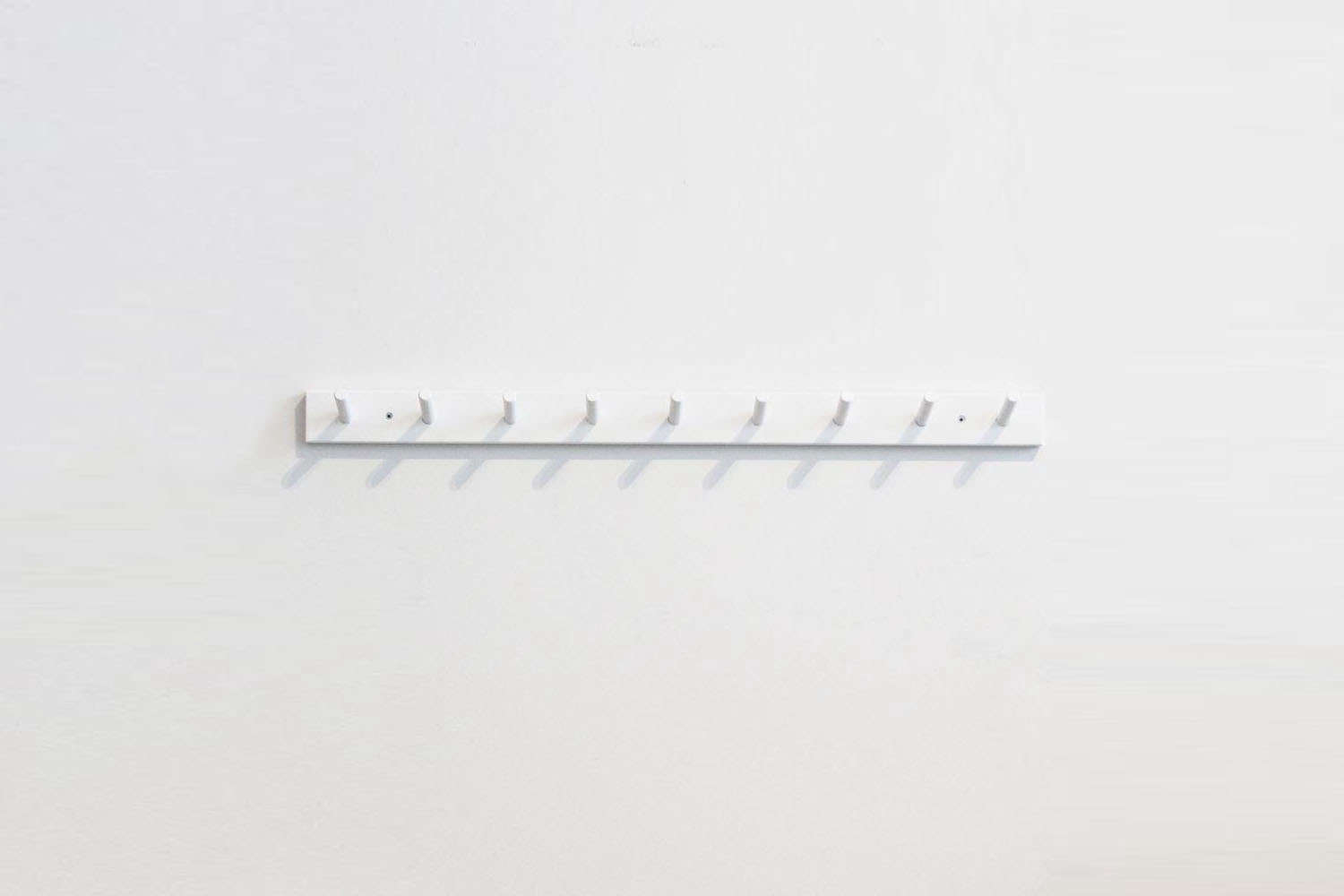
9. Decorative Hooks and Peg Rails
Hooks are small, affordable, and wildly useful. A beautiful hook can rescue a room from floor clutter faster than almost any other storage tool. Use hooks for coats, bags, hats, towels, robes, aprons, jewelry, cleaning tools, headphones, or kids’ backpacks.
Peg rails are especially charming because they feel intentional and classic. In an entryway, a long peg rail can replace a bulky coat rack. In the kitchen, it can hold mugs, utensils, or market bags. In a laundry room, it can store brushes, lint rollers, or hanging garments.
For a polished look, choose hooks in a finish that repeats elsewhere in the room, such as brass, matte black, chrome, or wood. Install them at the right height for the people using them. A child-height row of hooks can make kids more independent, or at least remove one excuse for backpack explosions.
10. Stylish Pantry and Kitchen Storage
The kitchen is where clutter gathers with confidence. Pantry bags, spice jars, food containers, lids, utensils, and cleaning supplies can quickly turn cabinets into tiny obstacle courses. Beautiful kitchen storage starts with grouping similar items and using containers that make those groups easy to see.
Use clear bins for snacks, lazy Susans for oils and sauces, risers for canned goods, drawer dividers for utensils, and matching jars for dry staples like flour, rice, oats, and pasta. In cabinets, pull-out drawers can make deep spaces more usable. Under the sink, stackable bins or sliding organizers help work around plumbing.
Do not decant everything just because the internet looks pretty doing it. Decant items you use often and can label clearly. Keep expiration dates visible when needed. A pantry should look good, yes, but it should also prevent you from buying a fifth bag of brown sugar because the first four are hiding behind the crackers.
How to Choose the Right Storage Solution
Start With the Mess, Not the Container
Before buying baskets, bins, or shelves, identify what is actually causing the clutter. Is mail landing on the counter because there is no paper system? Are shoes piling up because the closet is too far from the door? Are toys everywhere because the storage is too hard for kids to use? The best storage solution solves a behavior problem, not just a visual problem.
Use Closed Storage for Visual Clutter
Some items are useful but not attractive. Cleaning supplies, tech cords, medicines, extra toiletries, paperwork, craft tools, and pet supplies usually look better behind doors, inside drawers, or in lidded containers. Closed storage is your friend when a room needs to feel calm.
Use Open Storage for Daily Essentials
Open shelves, trays, hooks, and baskets are best for things you use constantly. The easier an item is to access, the easier it is to put away. If you use something every day, do not bury it in a complicated system that requires three doors, a ladder, and emotional strength.
Match Materials to Your Home Style
Storage should support your decor. For a modern home, try sleek cabinets, metal hooks, acrylic trays, and simple boxes. For a traditional home, choose wood cabinets, woven baskets, and classic peg rails. For a cozy cottage look, use fabric bins, vintage trunks, and painted furniture. For a minimalist space, repeat the same containers in quiet colors.
Label Without Making Your Home Look Like a Warehouse
Labels are helpful, especially in shared spaces. Use small handwritten tags, clip-on basket labels, simple printed stickers, or chalk labels. Keep the style subtle. Your home does not need to look like a shipping department unless that is your chosen aesthetic, in which case: respect.
Room-by-Room Ideas for Beautiful Storage
Living Room
Use a storage ottoman for blankets, a media cabinet for electronics, baskets for toys, and floating shelves for books or art. Keep everyday items in easy reach but give them attractive homes. A tray on the coffee table can corral remotes, candles, and coasters so the surface looks styled instead of scattered.
Bedroom
Try nightstands with drawers, under-bed bins, a storage bench, drawer dividers, and closet baskets. Store seasonal clothing higher or lower, and keep daily clothing at eye level. A bedroom should feel restful, so closed storage is especially valuable here.
Bathroom
Use wall shelves, vanity organizers, lidded jars, towel baskets, and over-the-door hooks. Group toiletries by category and avoid crowding the counter. A bathroom counter with three attractive essentials looks spa-like; a bathroom counter with 32 products looks like everyone is preparing for separate weather conditions.
Kitchen
Add cabinet risers, drawer dividers, lazy Susans, pantry bins, and clear containers. Store items near where they are used. Coffee supplies belong near the coffee maker. Baking tools belong together. Pots should live near the stove unless your kitchen enjoys cardio.
Entryway
Create a drop zone with hooks, a bench, shoe storage, and small baskets for keys or accessories. This is one of the most important storage areas in the home because it catches clutter before it travels inward. Think of it as a polite bouncer for mess.
Common Storage Mistakes to Avoid
Buying Organizers Before Decluttering
Storage does not fix owning too much. It only gives clutter better packaging. Always edit first, then measure, then buy. Otherwise, you may end up organizing things you should have donated months ago.
Ignoring Measurements
Measure shelves, drawers, cabinets, and under-bed spaces before shopping. A beautiful basket that does not fit is just a decorative inconvenience.
Making Systems Too Complicated
If a storage system takes too many steps, it will fail. Choose simple solutions that match your daily habits. Open bins work well for kids. Clear containers work well for pantries. Lidded boxes work well for long-term storage.
Using Every Empty Space
Not every gap needs to be filled. Sometimes empty space is what makes a room feel elegant. Storage should support your home, not colonize every inch of it.
Extra Experiences and Practical Lessons from Real-Life Home Storage
One of the biggest lessons about beautiful storage is that the “best” solution is rarely the fanciest one. It is the one people actually use. A home can have expensive cabinets and still be messy if the system does not match daily life. On the other hand, a $20 basket by the stairs can become the most effective organizer in the house if everyone knows what belongs inside it.
In many homes, clutter collects in predictable places. The entryway gets shoes and bags. The kitchen gets mail and random papers. The living room gets blankets, toys, and chargers. Bedrooms get clothing that is not quite clean but not quite dirty, a category that deserves its own scientific name. Instead of fighting these habits, smart storage works with them. Put a laundry basket where clothes already land. Add a tray where keys already drop. Place a shoe rack where shoes naturally come off. The home becomes easier to maintain when storage follows behavior.
Another useful experience is learning that visibility matters. Clear bins are excellent for pantries, craft supplies, and bathroom backstock because you can see what you own. But in living rooms and bedrooms, opaque baskets often look calmer. The most beautiful homes usually use a mix: clear storage behind closed doors and decorative storage in visible areas.
It also helps to think in zones. A good entryway zone includes shoes, bags, keys, coats, and pet-walking items. A good coffee zone includes mugs, filters, beans, sweeteners, and spoons. A good homework zone includes pencils, paper, chargers, and folders. When related items live together, daily routines become smoother. Nobody wants to search three rooms for tape while wrapping a birthday gift ten minutes before leaving the house.
Labels are another small detail with a big payoff. They are especially helpful in shared homes because they remove guesswork. A label politely says, “This is where the batteries live,” instead of forcing everyone to develop psychic powers. For a stylish look, keep labels consistent. Use the same font, tag style, or label color across one area.
Finally, beautiful storage is not a one-time project. It is a habit that evolves. Families grow, hobbies change, seasons rotate, and closets somehow refill themselves like enchanted caves. Revisit storage every few months. Remove what no longer belongs, adjust containers, and make sure the system still fits your life. A home that works beautifully is not perfect. It is flexible, forgiving, and easy to reset after real life happens.
Conclusion
Beautiful storage solutions for your home are about more than hiding clutter. They help your rooms function better, feel calmer, and look more intentional. From woven baskets and built-in shelves to storage benches, floating shelves, drawer dividers, hooks, and smart pantry systems, the right storage can make everyday life easier without sacrificing style.
Start small. Choose one clutter-prone area, edit what you own, measure the space, and add storage that fits both the room and your routine. The goal is not perfection. The goal is a home where things are easier to find, easier to put away, and much less likely to form tiny mountains on every available surface.
Note: This article is written for web publishing in standard American English, with practical examples, SEO-friendly structure, and natural keyword use.