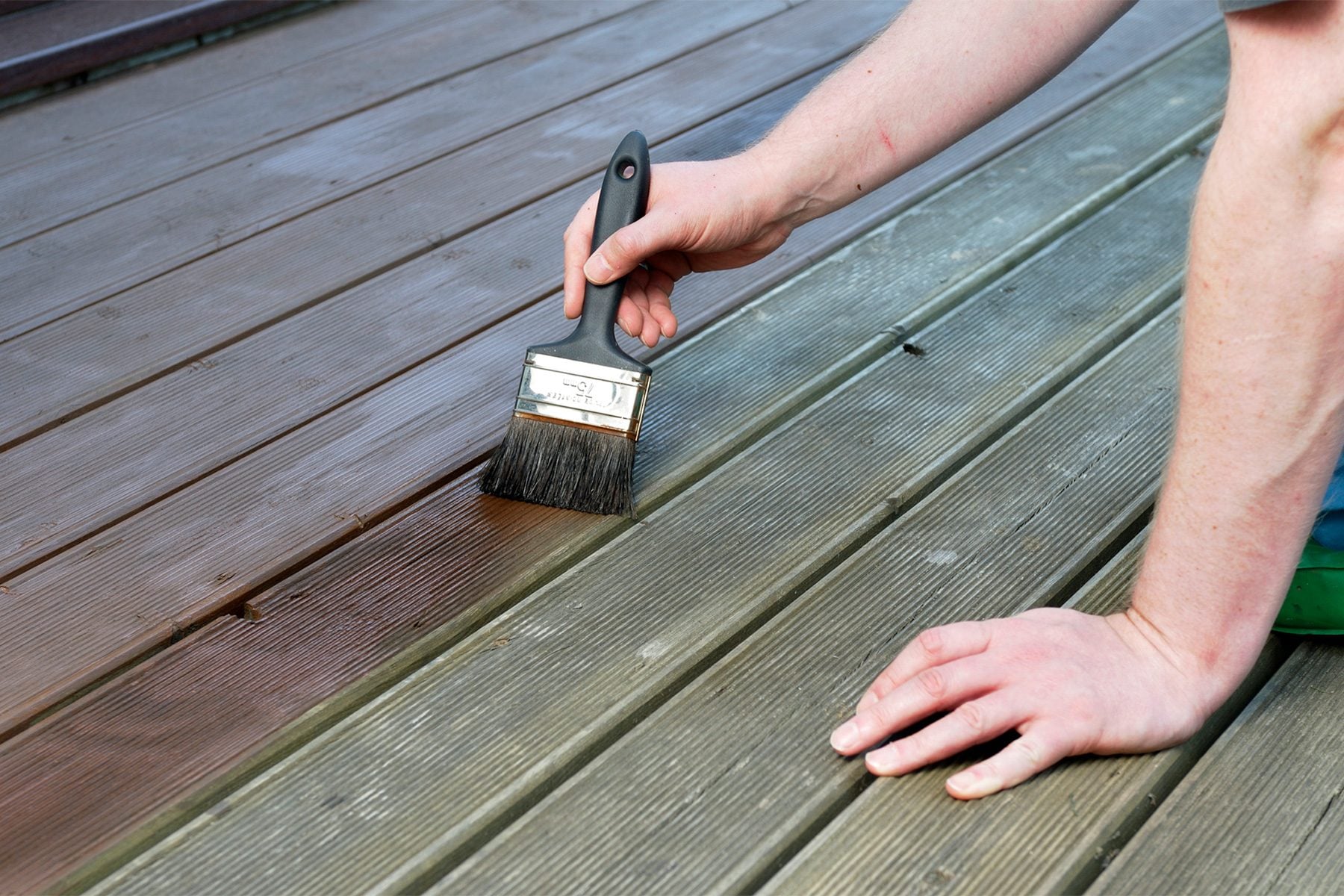
Composite decking is supposed to be the “low-maintenance hero” of the backyard: fewer splinters, less sealing, and no yearly wood-deck beauty pageant involving sanders, stains, and regret. But after years of sun, grill smoke, muddy paws, patio furniture scratches, and one mysterious stain nobody in the family admits causing, many homeowners ask the big question: Can you paint composite decking?
The honest answer is: sometimes, but not alwaysand definitely not casually. Older, uncapped composite decking may accept paint or stain when properly cleaned, primed, and coated with the right exterior product. Modern capped composite decking, however, is usually not designed to be painted. Its protective shell is made to resist stains, moisture, fading, and yes, paint adhesion. In other words, it is doing its job so well that your paint may treat it like a bad first date and refuse to stick.
This guide explains when painting composite decking makes sense, when it is a bad idea, what products work best, how to prepare the surface, and what to expect after the makeover. Grab your coffee, your common sense, and maybe hide the impulse-buy paint roller for a minute.
What Is Composite Decking, Really?
Composite decking is typically made from a blend of wood fibers, plastic, and binding agents. The goal is to create deck boards that look somewhat like wood while resisting many of the problems that make traditional wood decks high-maintenance: rot, insect damage, cracking, and constant staining.
There are two major types you need to understand before painting anything:
Uncapped Composite Decking
Older composite deck boards are often “uncapped,” meaning the material is the same throughout the board and does not have a protective plastic shell around the outside. These boards can fade, absorb stains more easily, and develop a weathered look over time. Because they are more porous than capped boards, they are usually the better candidate for painting or staining.
Capped Composite Decking
Modern composite decking often comes with a polymer cap, which is a durable outer shell designed to resist moisture, stains, fading, and surface damage. This cap is great for long-term performance but not great for painting. Paint may not bond properly, may peel, and could void the manufacturer’s warranty.
So before asking, “What color should I paint my composite deck?” ask, “What kind of composite decking do I actually have?” That one question can save you a weekend of work and a Monday full of muttering.
Can You Paint Composite Decking?
Yes, you can paint some composite decking, especially older uncapped composite boards. But painting modern capped composite decking is generally not recommended. Most manufacturers design capped boards to be color-stable and low-maintenance without paint or stain. Adding a coating can interfere with that design.
If your deck is older, faded, and clearly uncapped, painting may be a practical way to refresh the surface. If your deck is newer and has a slick or plastic-like shell, painting is more likely to cause problems than solve them.
When Painting Composite Decking Makes Sense
Painting composite decking can be worth considering in a few specific situations. For example, if your deck is 10 to 20 years old, badly faded, structurally sound, and no longer under warranty, paint may help extend its visual life. It can also be useful when the original color clashes with a new exterior design. Nobody wants a deck that screams “2007 builder beige” next to a freshly painted modern farmhouse.
Painting may also make sense if the deck has uneven discoloration that cleaning cannot fix. Sun exposure can leave some boards lighter than others, especially in areas where furniture or rugs blocked UV rays. A solid-color coating can create a more consistent appearance.
However, painting should never be used to hide structural problems. If boards are soft, warped, cracked, loose, or failing around fasteners, paint is not a miracle cape. It is just a colorful blanket over a bigger issue.
When You Should Not Paint Composite Decking
You should probably avoid painting your composite deck if it is new, capped, still under warranty, or already performing well with simple cleaning. You should also avoid painting if the surface feels slick, waxy, or highly plasticized. Those surfaces are famous for poor adhesion.
Do not paint composite decking just because it has dirt, algae, pollen, or barbecue evidence on it. Many composite decks look dramatically better after a proper cleaning. Sometimes the deck does not need paint; it needs a scrub brush and a little adult supervision.
Painting is also risky in wet climates, shaded areas, or spots with poor airflow. If moisture gets trapped under a coating, peeling and blistering may follow. Once paint starts peeling on a deck surface, maintenance becomes a recurring guest at your houseand it never brings snacks.
Paint vs. Stain for Composite Decking
For uncapped composite decking, both paint and stain may be options, but they behave differently.
Paint
Paint forms a film on top of the decking. It offers strong color coverage and can hide uneven fading, stains, and discoloration. The downside is that paint can peel, chip, or wear away in high-traffic areas. Deck floors take a beating from shoes, furniture legs, pets, weather, and that one friend who drags the cooler instead of lifting it.
Stain
Composite-compatible stain may penetrate or bond more naturally to older uncapped boards, depending on the product. Stain often gives a softer, more natural look than paint. However, it may not hide major discoloration as well as solid paint.
In general, a solid-color acrylic deck coating gives the most dramatic color change, while a composite-approved stain offers a subtler refresh.
Best Paint for Composite Decking
The best paint for composite decking is usually a high-quality exterior acrylic latex paint or a deck coating specifically rated for composite surfaces. Acrylic latex products are flexible, weather-resistant, and more suitable for outdoor surfaces than many oil-based coatings.
Look for these features:
- Exterior-grade formula
- Designed for decks, porches, or walking surfaces
- Compatible with composite or synthetic decking
- UV resistance
- Mildew resistance
- Slip-resistant or suitable for anti-slip additive
Avoid random leftover wall paint from the garage. Your deck is not a bedroom accent wall. It deals with rain, sun, foot traffic, furniture, dropped food, and temperature swings. Choose a product built for that kind of drama.
Do You Need Primer?
In many cases, yes. A bonding primer can improve adhesion on older uncapped composite decking. Primer is especially helpful when you are making a major color change, covering uneven fading, or painting a surface that is slightly stubborn.
Use an exterior acrylic latex bonding primer or a primer recommended by the paint manufacturer. Always check the label for composite compatibility. If the product label says it is only for wood, drywall, or masonry, do not assume it will behave politely on composite boards.
How to Paint Composite Decking Step by Step
If you have confirmed that your deck is a reasonable candidate for painting, preparation is everything. Painting composite decking is not difficult, but skipping prep is how homeowners accidentally create abstract art called “Peeling Regret No. 4.”
Step 1: Check the Manufacturer’s Guidance
Before buying paint, identify your deck brand and product line if possible. Check whether the manufacturer allows painting or staining. Some brands strongly advise against painting capped composite boards. Others may allow coating older uncapped products but warn that it may void warranties.
Step 2: Inspect the Deck
Look for loose boards, damaged fasteners, soft spots, severe warping, or cracks. Repair these issues before painting. Paint improves appearance, not structural safety.
Step 3: Clean Thoroughly
Sweep away leaves, dirt, and debris. Wash the surface with a composite deck cleaner or mild soap and water. Use a soft-bristle or medium-stiff brush to remove grime, pollen, mildew, and old residue. Rinse thoroughly.
If using a pressure washer, be careful. Too much pressure or holding the nozzle too close can damage composite decking. Use a low-pressure setting and keep the nozzle moving.
Step 4: Let the Deck Dry Completely
This step is boring, which means it is important. Let the deck dry fully before priming or painting. Moisture trapped under paint can cause bubbling, peeling, or poor adhesion. Depending on weather, shade, and humidity, drying may take a day or longer.
Step 5: Sand Lightly If Recommended
Some older uncapped composite surfaces benefit from light sanding to improve adhesion. Use fine-grit sandpaper and avoid aggressive sanding, which can damage the board texture. Never sand capped composite unless the manufacturer specifically says it is allowed.
Step 6: Test a Small Area
Paint a small, hidden test spot first. Let it cure according to the product instructions, then check adhesion. If the paint scratches off easily, the full deck will not magically behave better.
Step 7: Apply Primer
Apply a thin, even coat of exterior bonding primer if your coating system requires it. Use a brush for board edges and gaps, then a roller or pad applicator for larger areas. Work along the length of the boards for a smoother look.
Step 8: Paint the Deck
Apply the first coat of exterior acrylic latex deck paint or composite-approved deck coating. Keep the coat thin and even. Heavy coats may dry poorly and peel faster. Follow the manufacturer’s recoat time before applying a second coat.
Step 9: Add Slip Resistance
Painted decks can become slippery when wet. Consider using a coating with built-in traction or adding a manufacturer-approved anti-slip additive. This is especially smart for stairs, pool areas, and shaded decks.
Step 10: Let It Cure
Dry-to-touch is not the same as fully cured. Keep furniture, rugs, grills, and heavy traffic off the deck until the coating has cured according to the label. Your patience will be rewarded with fewer dents, smudges, and angry footprints.
Common Mistakes to Avoid
Painting Capped Composite Without Checking
This is the big one. Capped composite is designed to resist surface bonding. Paint may peel quickly, and warranties may be affected.
Skipping the Cleaning Step
Paint does not stick well to dirt, mildew, pollen, grease, or sunscreen residue. A deck that looks clean may still have invisible grime. Clean it anyway.
Using Interior Paint
Interior paint belongs indoors, where it can live a gentle life away from rainstorms and patio chairs. Use exterior-rated products only.
Applying Paint Too Thick
Thick coats may look satisfying at first, but they often cure poorly. Thin, even coats are better.
Ignoring Weather
Avoid painting in extreme heat, direct blazing sun, rain, heavy humidity, or cold temperatures. Mild, dry weather gives paint the best chance to cure properly.
How Long Does Paint Last on Composite Decking?
Paint longevity depends on the deck type, preparation, product quality, weather exposure, and foot traffic. On a properly prepared older uncapped composite deck, a good coating may last a few years before needing touch-ups. In high-traffic areas, expect wear sooner.
On capped composite decking, paint may fail much faster because adhesion is weaker. That is why painting capped boards is usually not recommended.
Remember: once you paint a composite deck, you have created a painted deck maintenance cycle. That means future cleaning, touch-ups, recoating, and occasional scraping if the coating fails. Composite decking’s original appeal is low maintenance, so make sure you are not trading one problem for a bigger chore with better color.
Alternatives to Painting Composite Decking
If painting sounds risky, you still have options.
Deep Cleaning
A thorough cleaning can revive a deck more than expected. Remove furniture, sweep, wash, scrub, rinse, and let the surface dry. Many “faded” decks are actually just dirty decks wearing a pollen sweater.
Composite Deck Brighteners or Restorers
Some products are designed to refresh weathered composite decking without creating a thick paint film. Always check compatibility before applying.
Board Replacement
If only a few boards are stained or faded, replacing them may be better than painting the entire deck.
Outdoor Rugs and Furniture Layout
For cosmetic issues in one area, a breathable outdoor rug or strategic furniture placement may solve the problem. Avoid rubber-backed rugs that can trap moisture or discolor some decking materials.
Full Resurfacing
If the deck frame is sound but boards are worn out, resurfacing with new composite boards may be the best long-term solution. It costs more than paint but preserves the low-maintenance benefit.
Should You Paint Trex or Similar Composite Decking?
Many homeowners specifically ask, “Can you paint Trex decking?” The answer depends on the product age and type. Older-generation uncapped composite decking may be more paintable, while newer capped composite boards are generally not intended to be painted or stained.
The same principle applies to other major composite decking brands. Modern capped products are engineered with protective shells and factory colors. Painting them can create adhesion problems and may affect warranty coverage.
If you cannot identify your deck, look closely at a board end. If you see a visible outer shell or cap around a different core material, it is likely capped composite. If the material looks consistent throughout, it may be uncapped. When in doubt, ask a decking professional or contact the manufacturer.
Color Tips for Painting Composite Decking
If painting is appropriate, choose color carefully. Dark colors can absorb more heat, making the deck uncomfortable for bare feet in sunny climates. Very light colors may show dirt faster. Mid-tone grays, warm taupes, soft browns, and muted tans often work well because they hide dust and coordinate with many home exteriors.
Think about your siding, trim, patio furniture, railing color, and landscaping. The deck should look like it belongs to the house, not like it wandered in from another neighborhood.
Cost of Painting Composite Decking
The cost depends on deck size, product choice, tools, surface repairs, and whether you hire a professional. A DIY project may include cleaner, brushes, rollers, primer, paint, painter’s tape, drop cloths, sanding supplies, and anti-slip additive. Professional painting costs more but may be worth it for large decks or complicated surfaces.
Before spending money, compare painting with cleaning, replacing damaged boards, or resurfacing. Paint is cheaper upfront, but if it fails quickly, the long-term cost may be higher than expected.
Real-World Experience: What Homeowners Learn After Painting Composite Decking
Homeowners who paint composite decking usually fall into two camps: the pleasantly surprised and the “I should have tested a small spot first” crowd. The difference often comes down to preparation, product choice, and whether the deck was actually suitable for paint.
One common experience is that older uncapped composite boards can look dramatically better after painting. A faded gray-brown deck that once looked tired beside fresh landscaping can suddenly feel intentional again. The color becomes even, the surface looks cleaner, and the backyard feels less like a forgotten corner of a hardware store parking lot.
But the happy stories usually include careful prep. The deck was washed, scrubbed, dried, lightly sanded if appropriate, primed with a bonding primer, and painted with an exterior acrylic product designed for foot traffic. The homeowner also waited for good weather and respected the cure time. In other words, they treated the project like a deck coating job, not like painting a birdhouse.
On the other hand, problems often appear when people rush. Painting over dust, mildew, or damp boards can lead to peeling. Using the wrong paint can cause poor adhesion. Applying thick coats can leave the surface tacky or uneven. Painting in direct hot sun can make the coating dry too fast on top while failing to bond underneath.
Another real-life lesson: painted composite decking changes the feel of ownership. Before painting, the deck may only need occasional cleaning. After painting, it becomes a coated surface that needs monitoring. Chair legs may scratch it. Grill grease may stain it. Heavy foot traffic may dull certain pathways. Stairs and entry points may need touch-ups sooner than quiet corners.
Homeowners also learn that color matters more outdoors than it does on a paint chip. A rich charcoal may look elegant in the store but feel hot under bare feet in July. A creamy beige may look bright and fresh until muddy dog paws discover it. Testing a sample in real sunlight is not optional; it is emotional insurance.
Many people also underestimate drying and curing time. A deck may feel dry after a few hours, but furniture can still leave marks if the coating has not cured. Waiting longer before replacing heavy furniture, rugs, and planters can prevent dents and stuck-on surprises.
Finally, the biggest experience-based tip is simple: do not paint because you are bored. Paint because the deck truly needs a refresh and other options are not enough. If cleaning solves 80 percent of the problem, stop there and enjoy your weekend. If the surface is old, faded, uncapped, and out of warranty, painting can be a smart cosmetic rescue. If the deck is capped, newer, or still covered by warranty, think twice. Sometimes the best deck project is the one you do not start.
Final Verdict: Is Painting Composite Decking a Good Idea?
You can paint composite decking in certain cases, but it is not always the best idea. Older uncapped composite decking may accept paint or stain when cleaned, primed, and coated correctly. Modern capped composite decking usually should not be painted because its protective shell resists adhesion and is designed to stay low-maintenance without coatings.
Before painting, identify your decking type, check manufacturer recommendations, inspect the structure, clean thoroughly, test a small area, and use the right exterior acrylic product. If that sounds like too much work, congratulationsyou have discovered why composite decking became popular in the first place.
Paint can refresh a tired deck, but it also creates a new maintenance commitment. Choose wisely, prep carefully, and remember: the goal is a deck that looks good under your patio chair, not a weekend project that haunts you every spring.
Note: Always follow the specific instructions from your decking manufacturer and coating manufacturer before painting or staining composite decking. Product warranties, surface materials, and recommended preparation methods can vary by brand and board generation.