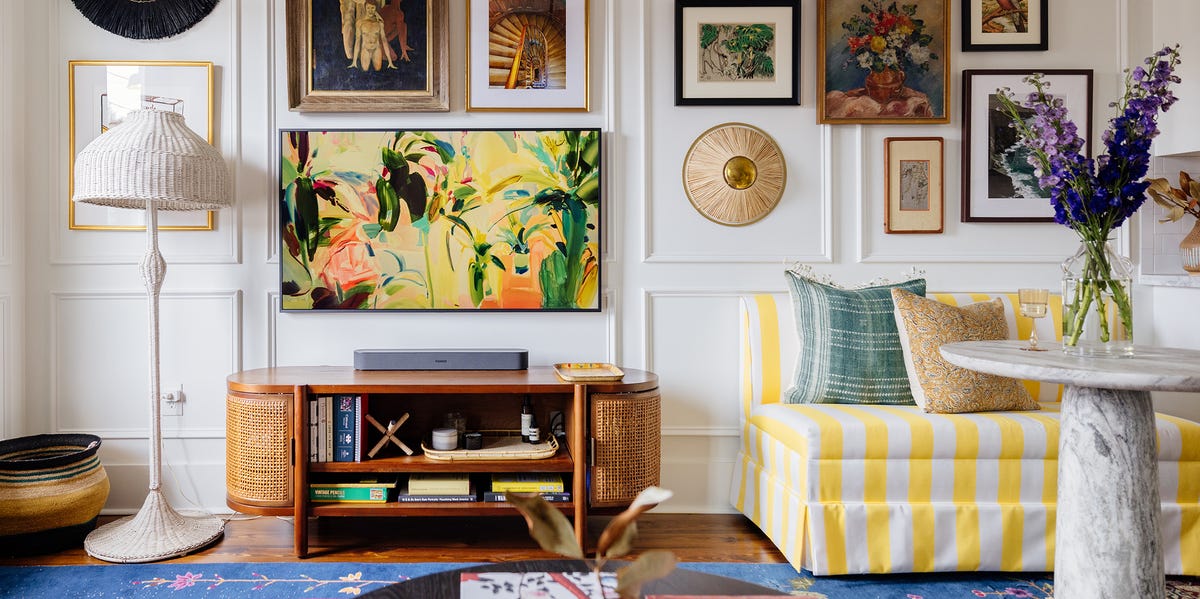
If 2024 was the year we politely nodded at minimalist beige and pretended it wasn’t starting to feel a little like an upscale waiting room, 2025 is the year interior design finally loosens its collar. Designers are predicting a home landscape that feels warmer, richer, more personal, and a lot less afraid of making eye contact. This year’s biggest interior design trends are not about following one rigid aesthetic. They are about creating rooms with mood, texture, memory, and a sense that actual humans live therenot perfectly folded throw blankets arranged by a robot with a design degree.
Across living rooms, kitchens, bedrooms, and even ceilings that have apparently decided they deserve attention now, one message is coming through loud and clear: homes in 2025 should feel collected, not sterile. Expect more color, more craftsmanship, more natural materials, more vintage personality, and more spaces designed around real life. In other words, the future of interiors looks less like a showroom and more like a beautifully edited story.
Why 2025 Interior Design Feels Different
The most interesting thing about 2025 is that the trends do not feel random. They connect. Richer palettes work with darker woods. Vintage pieces feel right at home next to expressive stone. Cozy rooms support the growing desire for comfort, privacy, and personality. Even the return of pattern and trim is part of the same larger mood: people want homes that feel intentional and emotionally resonant.
That shift makes sense. After years of open-plan everything, safe neutrals, and furniture that looked nice but sometimes felt about as inviting as airport seating, designers are leaning into spaces that feel grounded and deeply livable. The goal is no longer to impress from ten feet away. It is to feel good from the moment you walk in, kick off your shoes, and drop your bag on a chair that actually deserves to be there.
1. Saturated Color Is Taking Over, One Beautiful Wall at a Time
Color drenching moves from daring to desirable
One of the biggest interior design trends of 2025 is the continued rise of all-over color. Designers are embracing color drenching, where walls, trim, ceilings, and sometimes even shelving or cabinetry are painted in the same hue or in closely related tones. The effect is immersive, polished, and surprisingly cozy. Rather than chopping up a room visually, it wraps the whole space in one mood.
The colors getting the most attention are not timid. Think deep blues, muted greens, terracotta, ochre, oxblood, cocoa, and rich clay-inspired shades. These colors feel grounded instead of flashy. They add drama without making a room feel like it is screaming for applause.
This trend also shows up in saturated millwork. Instead of leaving crown molding, door casings, and built-ins as quiet white background players, designers are painting them in tones that blend with or deepen the room’s palette. The architecture becomes part of the visual story instead of just standing there politely.
Color is getting more playful, too
While moody hues lead the conversation, 2025 is not all solemn sophistication. Softer, sunnier shades are also entering the mix. Butter yellow is gaining attention as an easy way to bring warmth into a space without defaulting to beige. In a year when people want personality, color becomes the fastest, smartest shortcut.
If you are not ready to drench an entire room, start with a powder room, a reading nook, a pantry, or the inside of a bookcase. Tiny commitment, major payoff. Design loves a low-risk flirtation.
2. Earth Tones Are Getting Richer, Warmer, and More Elegant
Earth tones are still central in 2025, but they have matured. This is not the washed-out greige that dominated so many homes for so long. Designers are talking about warmer, deeper earth tones with more life in themrust, cinnamon, olive, tobacco, mushroom, bronze, sand, moss, and clay.
These shades work because they bring the outdoors in without making your house feel like a themed cabin. They pair beautifully with plaster walls, natural stone, linen upholstery, antique wood, and woven textures. They also help rooms feel calm and welcoming, which is important in a year where “comfort” is not just a buzzword but practically a design commandment.
One reason these richer neutrals are winning is that they look good in natural light and still hold their own after sunset. A room painted in a warm mushroom or dusty terracotta can feel soft during the day and deliciously moody at night. That is range. That is talent.
3. Natural Materials and Expressive Stone Are the New Luxury
Authenticity matters more than perfection
Designers predict that 2025 will continue moving away from anything that feels mass-produced or overly synthetic. Natural materials are becoming essential rather than optional. Stone, wood, linen, wool, plaster, rattan, cork, bamboo, and handmade ceramics all contribute to spaces that feel tactile and grounded.
What makes this trend especially interesting is the way stone is evolving. It is no longer just a countertop surface sitting quietly and doing its job. In 2025, expressive stone is becoming architectural. Think heavily veined slabs climbing backsplashes, wrapping fireplace surrounds, shaping range hoods, and becoming sculptural focal points in kitchens and bathrooms.
This kind of stone use feels luxurious, but not in a precious, don’t-touch-anything way. It feels organic, permanent, and substantial. The veining itself becomes artwork. Nature is basically handling the pattern work and doing a fabulous job.
Dark woods make a confident comeback
Alongside stone, darker woods are returning in a big way. Pale oak still has a place, but walnut, smoked oak, mahogany, and deeper mid-tone woods are increasingly showing up on cabinetry, floors, paneling, and furniture. They add weight, warmth, and a sense of permanence that many homeowners have been missing.
Dark wood does not have to make a room feel heavy. In 2025, designers are balancing it with soft textiles, warm metals, creamy upholstery, and layered lighting. The result is less “old study with secret cigar collection” and more “sophisticated room with actual soul.”
4. Curves, Sculptural Lighting, and Soft Forms Keep Things Human
For years, modern interiors leaned hard into straight lines and sharp edges. In 2025, designers are continuing the shift toward softer forms. Curved furniture, rounded corners, arched silhouettes, and gently sculptural pieces are helping rooms feel more relaxed and less rigid.
This does not mean every house needs a kidney-shaped sofa and a blob coffee table. The better version of this trend is subtle. A curved accent chair, a rounded ottoman, a pedestal side table, or a softly contoured headboard can be enough to break up boxy architecture and make a room feel more fluid.
Sculptural lighting is also huge. Oversized pendants, asymmetrical sconces, ceramic lamps, and statement fixtures are being used almost like art. Designers are looking upward and treating lighting as a major design opportunity instead of a final errand. Which is fair. Lighting has spent years being underappreciated and deserves its moment.
5. Open Concept Is Cooling Off, and Cozy Rooms Are Heating Up
Purpose-driven spaces are back
Another major interior design trend of 2025 is the move toward more defined rooms. Designers are not necessarily building walls everywhere, but they are creating stronger zones and clearer purpose within the home. The era of one giant room trying to be a kitchen, office, living room, dining room, gym, and emotional support area all at once is losing steam.
Instead, people want snug rooms, cozy nooks, and spaces that support specific activities. Reading corners, game tables, breakfast alcoves, home libraries, compact lounges, and quiet sitting rooms are all part of this shift. The emphasis is on intimacy and usability. A room should know what it is doing.
This trend also reflects a broader change in how people use their homes. Entertaining at home remains important, but so does privacy, comfort, and screen-free downtime. A small den with layered seating and a lamp that makes everyone look mysteriously well-rested suddenly has more appeal than a giant open room with nowhere to hide.
6. Personality Beats Perfection
If there is one phrase that captures 2025, it might be “curated, not cluttered.” Designers are moving away from impersonal, ultra-minimal interiors and toward homes that reflect the people who live in them. That means meaningful art, collected objects, heirlooms, books, vintage finds, quirky accessories, and rooms that feel edited but not sterile.
Book-filled spaces are especially relevant. Home libraries, book nooks, styled shelving, and “bookshelf wealth” energy all signal a desire for homes with intellectual and emotional texture. A stack of art books, a shelf of weathered novels, or a framed odd little flea-market print can do more for a room than ten generic decorative objects that all arrived in the same shipping box.
Art is also expanding beyond the usual framed rectangle over the sofa. Designers are encouraging more playful and personal approaches: ceramics on walls, textiles as art, found pieces, sculptural objects, and collections with real meaning. In 2025, the best rooms look less “professionally staged” and more “deeply known.”
7. Craftsmanship, Vintage Pieces, and Handmade Details Are Everywhere
Homes want stories, not just products
Another defining trend of 2025 is the appreciation for pieces that feel crafted rather than manufactured. Hand-stenciled walls, pleated drapery, trim and fringe, tailored upholstery, hand-finished furniture, and artisanal textures all point to a renewed interest in detail.
Vintage and secondhand pieces fit naturally into this movement. They add patina, individuality, and a sense of history that brand-new matching sets often cannot deliver. A vintage cabinet, antique mirror, traditional rug, or quirky brass lamp brings charm because it feels discovered, not assigned.
The beauty of this trend is that it can work in almost any home style. A modern apartment becomes more inviting with one antique wooden stool and a linen shade. A traditional house feels fresher with a sculptural lamp and a graphic fabric. The point is contrast, layering, and avoiding the dreaded “everything came from page fourteen of one catalog” look.
Ceilings and textiles are finally getting respect
Statement ceilings are also rising in importance. Designers are using wallpaper, paint, and even fabric-inspired treatments to draw the eye upward and make rooms feel finished from every angle. Meanwhile, window treatments are getting more tailored and decorative, with pleats, trim, and fuller drapery bringing softness and polish back into the room.
For years, ceilings were treated like the forgotten fifth wall. In 2025, they are back in the conversation, and honestly, it is about time.
8. Wellness Still Matters, But It Looks Warmer Now
Wellness remains part of the design conversation in 2025, but it has evolved. Instead of sterile spa minimalism, designers are creating homes that support rest through warmth, softness, and sensory comfort. That means natural light, layered textures, tactile materials, greenery, quieter color palettes, and spaces for slowing down.
Spa-style bathrooms, wet rooms, natural stone finishes, and calming bedroom palettes all reflect this desire. But the key difference is that the new wellness look is not cold or clinical. It is inviting. It says, “Take a breath,” not “Please do not leave fingerprints on this surface.”
How to Bring 2025 Design Trends Into Your Home Without a Full Remodel
You do not need to replace your entire house to make it feel current. Start with one strong move. Paint a small room in a saturated color. Swap in a darker wood side table. Add a vintage lamp. Try fuller drapery with trim. Layer in linen, wool, and ceramics. Style your shelves with real books and meaningful objects instead of filler. Use one bold stone-look accessory if actual marble is not in the budget. Choose lighting with shape and personality. Create a corner for reading, games, or quiet coffee drinking like the emotionally evolved adult you are becoming.
The best 2025 interiors are not built from endless buying. They come from stronger editing, better materials, and more intention. You want a room that feels like you on your best day: interesting, relaxed, and very comfortable in good fabric.
Experiences That Bring the 2025 Trends to Life
What makes the biggest interior design trends of 2025 so appealing is not just how they look in photographs. It is how they feel when you actually live with them. Imagine walking into a living room in the early evening where the walls are painted a warm olive-brown, the trim is a shade deeper, and the light from a sculptural lamp spills across a vintage rug. There is a walnut side table next to a curved chair, a stack of books that people really read, and linen drapery that softens every hard edge in the room. Nothing screams for attention, but everything feels intentional. The experience is immediate: the room calms you down before you even sit down.
Or picture a kitchen where the cabinets are painted a moody blue-green instead of default white. The stone backsplash runs all the way up behind the range, and the wood stools have enough age and character to make the room feel layered rather than freshly unpacked. Morning coffee tastes a little better there. Late-night leftovers feel less tragic. Even unloading groceries somehow seems more cinematic. That is the power of good designit turns routine into atmosphere.
Bedrooms are changing in a similar way. In 2025, a restful room is not necessarily all white, sparse, and whisper-quiet. It might have deep clay walls, a pleated lamp shade, a patterned headboard, and a ceiling painted in a slightly softer tone than the walls. There may be a bench upholstered in nubby fabric, a vintage chest at the foot of the bed, and one piece of art that makes the whole room feel personal. The result is not chaos. It is emotional comfort. The room feels like it knows you, which is a lovely trait in both bedrooms and friendships.
Even small spaces benefit from these ideas. A tiny apartment corner can become a real destination with nothing more than a comfortable chair, a petite table, a stack of favorite books, and a lamp with a warm glow. Add a leafy plant, a patterned pillow, and one object collected from a trip or inherited from family, and suddenly the corner stops being “that awkward area by the window” and starts being a place you genuinely want to spend time. In 2025, that transformation matters. Designers are paying close attention to how homes function emotionally, not just visually.
That may be the most meaningful trend of all. The best interiors this year are not trying to look flawless. They are trying to feel memorable. They invite people to gather, read, rest, cook, talk, and linger. They celebrate texture, history, color, craft, and comfort. And perhaps most importantly, they make room for personality. A home in 2025 does not need to be perfect. It just needs to feel alive.
Conclusion
The biggest interior design trends of 2025 point toward a more personal, expressive, and grounded way of decorating. Designers are favoring rich color, warmer earth tones, natural materials, expressive stone, vintage layers, sculptural forms, and rooms with real purpose. The common thread is clear: homes should feel lived-in, comforting, and unmistakably individual.
That is good news for anyone tired of one-note minimalism and copy-and-paste decor. In 2025, beauty is less about perfection and more about atmosphere. More mood. More texture. More story. More you. And frankly, your house has been waiting to loosen up for years.