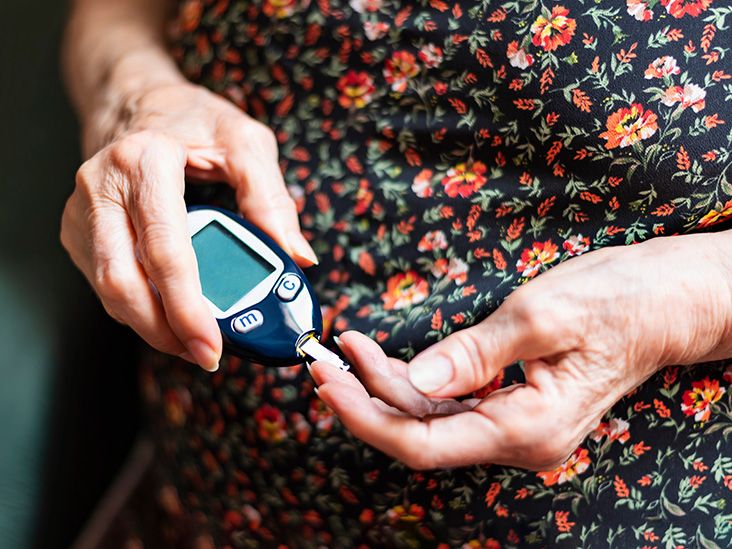
A glucose blood test sounds simple: a small sample of blood, a number on a lab report, and suddenly everyone is talking about fasting, insulin, carbohydrates, and whether your pancreas deserves a performance review. But that little number can tell an important story about how your body uses glucose, the sugar your cells rely on for energy.
Normal blood sugar levels depend on the type of test, when you last ate, whether you have diabetes, whether you are pregnant, and what your healthcare provider is trying to find out. A fasting blood sugar of 70 to 99 mg/dL is generally considered normal for people without diabetes. A fasting result of 100 to 125 mg/dL suggests prediabetes, while 126 mg/dL or higher may indicate diabetes if confirmed with repeat testing.
That is the headline. The full story is more useful, and thankfully, not as scary as a lab portal notification at 11:47 p.m. Let’s unpack what a glucose blood test measures, what normal blood sugar levels usually mean, and how to understand results without spiraling into a late-night search marathon.
What Is a Glucose Blood Test?
A glucose blood test measures the amount of glucose in your blood at the time the sample is taken. Glucose comes mainly from carbohydrates in food, but your liver also releases glucose between meals and overnight. Insulin, a hormone made by the pancreas, helps move glucose from the bloodstream into cells where it can be used for energy.
When this system works well, blood sugar rises after eating and gradually returns to a normal range. When the system struggles, glucose may stay too high, drop too low, or swing dramatically. A glucose blood test helps screen for prediabetes, diagnose diabetes, monitor diabetes treatment, evaluate symptoms, and sometimes check for other medical problems.
There are several kinds of glucose-related tests. Some look at a single moment, like a snapshot. Others, such as the A1C test, look at an average over several months. Think of fasting glucose as a selfie and A1C as the documentary.
Normal Blood Sugar Levels at a Glance
Blood sugar is usually reported in milligrams per deciliter, written as mg/dL, in the United States. Some countries use mmol/L. To roughly convert mg/dL to mmol/L, divide by 18.
| Test Type | Normal Range | Prediabetes Range | Diabetes Range |
|---|---|---|---|
| Fasting plasma glucose | 70 to 99 mg/dL | 100 to 125 mg/dL | 126 mg/dL or higher |
| A1C | Below 5.7% | 5.7% to 6.4% | 6.5% or higher |
| Oral glucose tolerance test, 2-hour value | Below 140 mg/dL | 140 to 199 mg/dL | 200 mg/dL or higher |
| Random blood glucose | Often 125 mg/dL or lower, depending on meals | Not usually used alone for prediabetes | 200 mg/dL or higher with classic symptoms |
One important warning: a single abnormal number does not always mean you have diabetes. Illness, stress, medications, recent food, pregnancy, and even whether you truly fasted can affect results. In most cases, diabetes is diagnosed after repeat testing or with a second abnormal test.
Fasting Blood Sugar: The Most Common Glucose Test
A fasting blood sugar test measures glucose after you have had no calories for at least 8 hours. Water is usually allowed, and yes, plain water is still the overachiever of beverages.
What Is a Normal Fasting Blood Sugar?
For people without diabetes, a fasting blood sugar level from 70 to 99 mg/dL is generally considered normal. A result below 70 mg/dL may be considered low blood sugar, especially if symptoms are present. A result from 100 to 125 mg/dL is called impaired fasting glucose, which falls under prediabetes. A fasting result of 126 mg/dL or higher suggests diabetes when confirmed.
Fasting glucose is popular because it is simple, inexpensive, and widely available. It is often ordered during routine checkups, annual physicals, pre-surgery evaluations, or when someone has symptoms such as excessive thirst, frequent urination, blurry vision, fatigue, or unexplained weight changes.
How to Prepare for a Fasting Glucose Test
If your provider orders a fasting glucose test, follow the instructions carefully. Most people are told not to eat or drink anything except water for 8 to 12 hours before the test. Avoid sneaking in coffee with cream, juice, candy, or “just one tiny bite” of toast. Your bloodstream is not fooled by tiny bites. It keeps receipts.
Ask your healthcare provider whether to take your usual medications before the test, especially if you use insulin, diabetes pills, steroids, or medications that affect appetite or metabolism. If you have diabetes and fasting makes you feel shaky, sweaty, confused, or unwell, contact your care team for specific instructions.
A1C Test: Your Blood Sugar Report Card
The A1C test measures the percentage of hemoglobin proteins in red blood cells that have glucose attached. Because red blood cells live for about three months, A1C reflects average blood sugar over the past two to three months.
A normal A1C is below 5.7%. Prediabetes is 5.7% to 6.4%. Diabetes is 6.5% or higher, usually confirmed with repeat testing unless symptoms and other results make the diagnosis clear.
The A1C test does not require fasting, which makes it convenient. You can show up after breakfast and still get useful results. However, A1C is not perfect for everyone. Conditions such as anemia, recent blood loss, kidney disease, liver disease, pregnancy, and some hemoglobin variants may make A1C less accurate. In those cases, a provider may rely more on fasting glucose, oral glucose tolerance testing, or other measurements.
Oral Glucose Tolerance Test: The Sugar Challenge
The oral glucose tolerance test, often called an OGTT, checks how your body handles glucose after you drink a sweet liquid. Blood is usually drawn before the drink and again two hours later. This test is commonly used during pregnancy to screen for gestational diabetes, but it can also help diagnose prediabetes and diabetes in other adults.
For a standard two-hour OGTT, a result below 140 mg/dL is considered normal. A two-hour result of 140 to 199 mg/dL suggests prediabetes. A result of 200 mg/dL or higher suggests diabetes when confirmed.
The OGTT is more involved than a fasting glucose test. It requires planning, waiting, and drinking something that tastes like soda’s extremely serious cousin. Still, it can reveal problems with glucose processing that fasting numbers may miss.
Random Blood Sugar: Useful, but Context Matters
A random blood glucose test can be done at any time of day, regardless of when you last ate. It is useful when someone has symptoms of high blood sugar and needs quick evaluation. A random blood glucose of 200 mg/dL or higher, along with classic symptoms such as frequent urination, extreme thirst, unexplained weight loss, or blurry vision, can support a diabetes diagnosis.
For people without diabetes, random blood sugar is often 125 mg/dL or lower, but this depends heavily on timing and meals. A reading taken 45 minutes after pancakes, syrup, and a heroic glass of orange juice will not mean the same thing as a reading taken before lunch.
What Blood Sugar Levels Are Normal After Eating?
Blood sugar naturally rises after meals. That is not a failure; that is biology doing its job. In people without diabetes, blood sugar often returns toward baseline within about two hours after eating. A two-hour post-meal blood sugar below 140 mg/dL is generally considered normal for people without diabetes.
For many nonpregnant adults with diabetes, common treatment targets are 80 to 130 mg/dL before meals and less than 180 mg/dL about two hours after the start of a meal. These are not universal rules. Targets may be different for children, older adults, pregnant people, people with frequent low blood sugar, or those with other medical conditions.
What Is Low Blood Sugar?
Low blood sugar, also called hypoglycemia, is often defined as blood glucose below 70 mg/dL for people with diabetes. Some people feel symptoms at slightly higher levels, especially if their blood sugar has been running high for a long time. Others may not notice symptoms until glucose is dangerously low.
Common symptoms of low blood sugar include shakiness, sweating, hunger, anxiety, fast heartbeat, dizziness, headache, irritability, confusion, weakness, and blurry vision. Severe hypoglycemia can cause seizures, loss of consciousness, or injury. It deserves immediate attention.
People with diabetes are often taught the 15-15 rule: consume 15 grams of fast-acting carbohydrate, wait 15 minutes, and recheck blood sugar. Examples include glucose tablets, regular juice, or regular soda. Chocolate is not ideal for treating lows because fat slows absorption, although chocolate will continue to lobby for itself.
What Causes High Blood Sugar?
High blood sugar, or hyperglycemia, can happen for many reasons. In diabetes, it may occur when the body does not make enough insulin or cannot use insulin effectively. But blood sugar can also rise temporarily because of illness, infection, stress, poor sleep, dehydration, certain medications, missed diabetes medicine, steroid use, or a very high-carbohydrate meal.
Symptoms of high blood sugar may include frequent urination, unusual thirst, dry mouth, fatigue, headache, blurred vision, and slow-healing cuts. Very high blood sugar can become dangerous and may require urgent care, especially if there is vomiting, confusion, severe dehydration, fruity-smelling breath, deep breathing, or a very high meter reading.
Who Should Get a Glucose Blood Test?
Many adults get glucose testing as part of routine preventive care. Screening is especially important for adults ages 35 to 70 who have overweight or obesity. Screening may begin earlier for people with additional risk factors, including a family history of diabetes, previous gestational diabetes, polycystic ovary syndrome, high blood pressure, abnormal cholesterol, heart disease, physical inactivity, or belonging to a population with a higher burden of diabetes.
You should also talk with a healthcare provider about testing if you have symptoms of diabetes, such as being thirsty all the time, urinating often, feeling unusually tired, having blurry vision, losing weight without trying, or getting frequent infections. Prediabetes and type 2 diabetes can be quiet for years, which is why testing matters. The body does not always send a dramatic memo.
Why “Normal” May Not Mean “Perfect”
A normal glucose blood test is reassuring, but it is not the whole metabolic story. Blood sugar is only one marker. Your provider may also look at A1C, cholesterol, blood pressure, kidney function, weight trends, waist circumference, medications, family history, and lifestyle patterns.
For example, a fasting glucose of 98 mg/dL is technically normal, but if your A1C is rising, your triglycerides are high, your blood pressure is elevated, and you have a strong family history of type 2 diabetes, your provider may still recommend lifestyle changes and follow-up. On the other hand, a slightly high reading after a stressful week or imperfect fast may need confirmation rather than panic.
How to Support Healthy Blood Sugar Levels
You do not need to declare war on carbohydrates. Carbohydrates are not villains twirling mustaches in a nutrition cartoon. The goal is to choose the right types, portions, and combinations.
Build Balanced Meals
A blood-sugar-friendly meal often includes fiber-rich carbohydrates, lean protein, healthy fats, and plenty of non-starchy vegetables. For example, grilled chicken with brown rice and roasted vegetables will usually affect blood sugar differently than a giant bowl of sweet cereal eaten alone.
Move Your Body Regularly
Physical activity helps muscles use glucose more efficiently. Walking after meals, strength training, cycling, swimming, dancing, gardening, or anything that gets you moving can help. You do not have to become a marathon runner. A brisk walk counts. Your dog may consider this excellent medical advice.
Prioritize Sleep and Stress Management
Poor sleep and chronic stress can raise hormones that make blood sugar harder to manage. Consistent sleep, relaxation practices, breathing exercises, therapy, time outdoors, and realistic scheduling can all support healthier glucose patterns.
Follow Up on Abnormal Results
If your glucose blood test is abnormal, do not ignore it. Prediabetes is a warning light, not a life sentence. Many people can improve blood sugar through nutrition, movement, weight management, better sleep, and medication when needed. Early action is much easier than waiting until blood sugar has been out of range for years.
Common Mistakes When Reading Glucose Results
One common mistake is comparing a fasting lab result with a post-meal fingerstick reading. Those are different situations. Another mistake is assuming a home glucose meter is exactly the same as a laboratory test. Home meters are useful for monitoring, but diagnosis is usually based on lab testing.
People also sometimes panic over a single number. Blood sugar is dynamic. It responds to meals, activity, stress, hormones, sleep, illness, and medications. Trends matter. So does context. A good provider does not treat a number floating in space; they interpret it as part of your overall health picture.
Real-World Experiences: What a Glucose Blood Test Feels Like and Teaches You
For many people, the glucose blood test experience begins with fasting, which sounds easy until someone in the house makes toast. Suddenly, toast becomes the most interesting object in the universe. Most fasting tests are scheduled in the morning for a reason: fewer hours spent negotiating with your stomach.
A typical experience is straightforward. You arrive at the lab, confirm your name and date of birth, sit in a chair, and a phlebotomist draws a small tube of blood. The needle part is usually quick. Some people feel a pinch, some feel lightheaded, and some stare heroically at the wall as if auditioning for a medical drama. If you tend to faint, tell the staff before the draw. They have seen it all, and they would much rather help you lie back than catch you mid-swoon.
After the test, many people feel perfectly fine and go directly to breakfast. Bringing a snack can be helpful, especially if you are prone to low blood sugar or have a long commute. A balanced breakfast after fasting might include eggs and whole-grain toast, Greek yogurt with berries, oatmeal with nuts, or another meal that will not send your glucose on a roller coaster named “Regret.”
The waiting period for results can be surprisingly emotional. A glucose result is just a number, but it can feel personal. People often wonder, “Did I do something wrong?” The better question is, “What is this number telling me, and what can I do next?” Blood sugar is influenced by genetics, age, body composition, sleep, stress, medications, pregnancy history, hormones, illness, and daily habits. It is not a moral grade.
People who receive a prediabetes result often describe the moment as a wake-up call. The good news is that prediabetes is a chance to act early. Small changes can be powerful: walking 10 to 15 minutes after meals, replacing sugary drinks with water, adding protein to breakfast, choosing higher-fiber carbohydrates, and building consistent sleep routines. These changes may sound ordinary, but ordinary habits repeated daily are basically health’s secret software update.
People with diabetes may use glucose tests differently. A fasting lab result and A1C can help show whether a treatment plan is working. Home glucose checks or continuous glucose monitors can reveal patterns: breakfast spikes, afternoon lows, stress-related highs, or the mysterious impact of restaurant noodles. This information can help a care team adjust medication, meal timing, exercise plans, or glucose targets.
One of the most useful lessons from glucose testing is that blood sugar is responsive. A number can improve. A trend can change. A confusing result can be repeated. A scary lab report can become the beginning of a practical plan. The key is to follow up, ask questions, and avoid diagnosing yourself with the confidence of a search engine at midnight.
Conclusion
A glucose blood test helps show how much sugar is in your bloodstream and whether your body is handling glucose well. For most people without diabetes, a normal fasting blood sugar is 70 to 99 mg/dL. Prediabetes is usually 100 to 125 mg/dL fasting, and diabetes is 126 mg/dL or higher when confirmed. A1C, oral glucose tolerance testing, and random glucose testing add more context.
The most important takeaway is simple: do not interpret blood sugar numbers in isolation. Timing, meals, medications, illness, pregnancy, stress, and lab methods all matter. If your result is high, low, borderline, or confusing, talk with a healthcare provider. The number is not there to shame you. It is there to guide your next smart step.
Note: This article is for educational purposes only and is not a substitute for medical advice, diagnosis, or treatment. Always review glucose blood test results with a licensed healthcare professional who knows your health history.