Keratitis sounds like the name of a tiny Greek island where everyone wears sunglasses, but it is actually an inflammation of the corneathe clear, dome-shaped front window of the eye. When that window gets irritated, scratched, infected, dried out, or sunburned, vision can become blurry fast. And unlike a smudge on your glasses, you cannot simply wipe the cornea with your T-shirt and call it a day. Please do not try. Your eye will not appreciate the “home cleaning service.”
The main keyword here is keratitis, but people often search for it using related terms such as corneal inflammation, corneal infection, eye redness and pain, contact lens eye infection, and keratitis treatment. The important thing to know is simple: keratitis may be mild, but it can also threaten vision if it is infectious or left untreated. Eye pain, light sensitivity, discharge, blurry vision, or a white spot on the cornea should be treated as “call an eye doctor now” signs, not “let’s wait until next Tuesday” signs.
What Is Keratitis?
Keratitis is inflammation of the cornea. The cornea helps focus light as it enters the eye, so when it becomes swollen, cloudy, infected, or damaged, vision can blur or feel hazy. Keratitis may be infectious, caused by bacteria, viruses, fungi, or parasites, or noninfectious, caused by injury, dryness, ultraviolet light, contact lens overwear, or exposure of the eye surface.
Think of the cornea like a windshield. A tiny scratch, a splash of dirty water, or a bad cleaning routine can turn a clear view into a stressful blur. The difference is that your windshield does not have nerves that scream every time light hits it. Your cornea does. That is why keratitis can feel surprisingly painful even when the problem looks small from the outside.
Common Symptoms of Keratitis
Keratitis symptoms can vary depending on the cause, but many cases share the same warning signs. People may notice eye redness, eye pain, tearing, burning, a gritty feeling, blurred vision, sensitivity to light, swelling around the eye, discharge, or the feeling that something is stuck under the eyelid. Some infections can also create a gray, white, or cloudy spot on the cornea.
A key clue is intensity. Ordinary tired eyes from screen time usually improve with rest. Keratitis often feels sharper, more persistent, and more dramaticlike your eye has decided to host a tiny emergency meeting and forgot to invite your patience.
Keratitis Pictures: What It Can Look Like
Many people search for keratitis pictures because they want to compare their eye to online images. That can be helpful for education, but it is not reliable for diagnosis. Different types of keratitis can look similar, especially early on. A red, watery eye could be dryness, allergy, conjunctivitis, a corneal abrasion, bacterial keratitis, or something more serious. The eye is not great at giving labels; it mostly just waves a red flag.
What Keratitis May Show in Pictures
- Bacterial keratitis: may show a red eye with a white or gray corneal spot, sometimes with discharge.
- Viral keratitis: herpes simplex keratitis may show branching, tree-like corneal staining during an eye exam.
- Fungal keratitis: may appear as a corneal ulcer with fuzzy or feathery edges, sometimes after plant or soil-related trauma.
- Acanthamoeba keratitis: may show severe inflammation; some advanced cases show a ring-shaped corneal infiltrate.
- Photokeratitis: often looks like red, watery, painful eyes after UV exposure, such as snow glare, tanning beds, or welding without protection.
- Noninfectious keratitis: may appear as surface irritation, dry spots, or scratch-like staining visible under special dye.
For web publishing, avoid using shocking or overly graphic eye photos. A clean medical illustration, a simple cornea diagram, or a mild eye-redness image with strong alt text can be more useful. Suggested image alt text: “Keratitis types, symptoms, and treatment illustration showing corneal inflammation.”
Types of Keratitis
1. Bacterial Keratitis
Bacterial keratitis is one of the most urgent forms of infectious keratitis. It often develops when bacteria enter through a break in the corneal surface. Contact lens wear is a major risk factor, especially sleeping in lenses, wearing them too long, using old solution, rinsing lenses with water, or skipping proper cleaning. The eye may become painful, red, watery, sensitive to light, and blurry. Discharge and a white corneal spot can also occur.
Treatment usually involves prescription antibiotic eye drops. Severe cases may require frequent dosing, cultures, close follow-up, and sometimes additional medication. This is not the moment for “I found old eye drops in a drawer.” Old drops can be expired, contaminated, or completely wrong for the infection. The cornea deserves better than mystery liquid.
2. Viral Keratitis
Viral keratitis is commonly linked to herpes simplex virus, the same virus family that can cause cold sores. HSV keratitis may affect the surface of the cornea or deeper layers. Symptoms can include redness, pain, tearing, light sensitivity, blurred vision, and sometimes a clear watery discharge. During an exam, an eye doctor may see a classic branching pattern on the cornea after applying special dye.
Treatment often involves antiviral eye drops, gels, or oral antiviral medication. In some deeper inflammatory forms, an ophthalmologist may prescribe steroid drops, but only with antiviral coverage and careful monitoring. Using steroid drops without the right diagnosis can make some infections worse, which is why self-treatment is a bad plot twist.
3. Fungal Keratitis
Fungal keratitis is less common than bacterial keratitis in many U.S. settings, but it can be serious. It may happen after eye trauma involving plants, soil, or organic material. Contact lens use can also be involved. Symptoms may start gradually and include redness, pain, blurred vision, tearing, discharge, and light sensitivity.
Treatment usually requires prescription antifungal medicine, often for weeks or months. Some cases do not respond quickly and may need surgery, including corneal transplant in severe situations. Fungal keratitis is the “slow but stubborn” member of the keratitis family. It does not always arrive with fireworks, but it can become very difficult if ignored.
4. Acanthamoeba Keratitis
Acanthamoeba keratitis is a rare but severe corneal infection caused by a microscopic organism found in water and soil. It is strongly associated with contact lens use, especially exposing lenses to water. Showering, swimming, using hot tubs, rinsing lenses with tap water, or storing lenses in homemade solutions can raise risk.
One classic warning sign is pain that seems worse than the eye looks, although this is not always present. Diagnosis can be challenging, and early treatment matters. Therapy may involve special anti-amoebic medications and long follow-up. The best prevention rule is easy to remember: contacts and water should not be friends. They are not a cute buddy comedy. Keep them separated.
5. Photokeratitis
Photokeratitis, sometimes called ultraviolet keratitis or snow blindness, is essentially a sunburn of the cornea. It can happen after exposure to intense UV light from snow glare, water reflection, tanning beds, germicidal lamps, or welding arcs without proper eye protection. Symptoms often appear hours after exposure and may include pain, redness, tearing, light sensitivity, blurry vision, and a gritty feeling.
Most cases improve with supportive care, such as staying out of bright light, using artificial tears, applying cool compresses, and taking pain relievers recommended by a clinician. However, severe pain or vision changes still deserve medical attention. Sunglasses with proper UV protection are not just a fashion choice; they are tiny bodyguards for your corneas.
6. Noninfectious Keratitis
Noninfectious keratitis can come from dry eye, minor injury, chemical irritation, eyelid problems, autoimmune inflammation, or wearing contact lenses too long. It may cause burning, redness, watering, light sensitivity, and fluctuating vision. Unlike infectious keratitis, it is not caused by germs, but it can still create surface damage that makes infection more likely.
Treatment depends on the trigger. Options may include stopping contact lens wear, lubricating drops, ointments, eyelid care, anti-inflammatory medication, or treatment for an underlying condition. The goal is to calm the cornea, restore the tear film, and remove whatever is making the eye angry.
Who Is Most at Risk?
Anyone can develop keratitis, but certain habits and conditions raise the risk. Contact lens wearers are especially vulnerable when lenses are worn overnight, cleaned poorly, exposed to water, stored in old solution, or used longer than recommended. Other risks include eye injury, dry eye disease, weakened immunity, previous eye surgery, exposure to strong UV light, and working around plants, soil, dust, or chemicals without eye protection.
The contact lens case deserves special attention. It may look innocent sitting on the bathroom counter, but if it is not cleaned, dried, and replaced regularly, it can become a tiny apartment complex for microbes. No one wants microbial roommates near their cornea.
How Keratitis Is Diagnosed
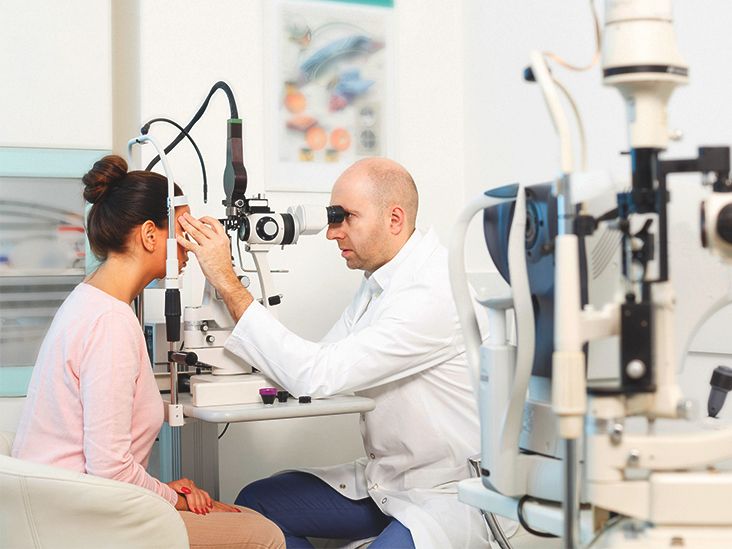
An eye doctor will usually begin with questions about symptoms, contact lens habits, water exposure, injuries, recent illness, medications, and previous eye problems. Then comes the eye exam. A slit-lamp microscope allows the doctor to examine the cornea closely. Fluorescein dye may be used to highlight scratches, ulcers, or damaged areas. If infection is suspected, the doctor may take a small corneal sample for laboratory testing.
That sample can help identify whether the cause is bacterial, fungal, viral, or parasitic. This matters because the treatment for one type can be uselessor even harmfulfor another. Keratitis is not a “one-drop-fits-all” situation.
Keratitis Treatment Options
Stop Wearing Contact Lenses
If keratitis is suspected, stop wearing contact lenses and switch to glasses until an eye care professional says it is safe to resume. Save the lenses, case, and solution if infection is suspected, because your doctor may want to inspect or test them. Do not put a new lens on a red or painful eye. That is like putting a rug over a fire alarm.
Prescription Eye Drops
Bacterial keratitis is usually treated with antibiotic eye drops. Viral keratitis may require antiviral medication. Fungal keratitis requires antifungal treatment, and Acanthamoeba keratitis requires specialized anti-amoebic therapy. The exact medication, dose, and schedule depend on severity and diagnosis.
Oral Medication
Some cases need oral antiviral, antibiotic, antifungal, or pain-control medication. Oral treatment may be used when infection is severe, deeper layers of the cornea are involved, or there is risk of spread or recurrence.
Supportive Care
For noninfectious keratitis or photokeratitis, supportive care may include artificial tears, cool compresses, avoiding bright light, resting the eyes, and using prescribed anti-inflammatory drops. Never use steroid eye drops unless prescribed for your exact condition. Steroids can be helpful in selected cases, but they can also make some infections worse when used incorrectly.
Surgery
Most people do not need surgery, but severe infections can scar or thin the cornea. If medication does not control the disease or vision is badly affected, procedures such as corneal transplant may be considered. The goal is to preserve the eye, control infection, and restore as much useful vision as possible.
When to Seek Urgent Eye Care
Seek urgent medical care if you have eye pain, light sensitivity, blurred vision, a white or gray spot on the cornea, heavy discharge, worsening redness, symptoms after eye injury, or symptoms while wearing contact lenses. Also seek care quickly if you recently swam, showered, or slept in contacts and now have a painful red eye.
Do not wait for a corneal infection to “declare its intentions.” It already has. Early treatment can reduce the chance of scarring, vision loss, and long recovery.
How to Prevent Keratitis
Prevention is not glamorous, but it works. Wash and dry your hands before touching contact lenses. Use fresh disinfecting solution every time. Do not top off old solution. Do not rinse lenses or cases with tap water. Remove contacts before swimming, showering, or using a hot tub. Replace lenses and cases as directed. Avoid sleeping in contacts unless your eye doctor specifically prescribed extended wear and explained the risks.
For non-contact lens prevention, wear protective eyewear when doing yard work, using chemicals, playing certain sports, or working around dust and debris. Wear UV-blocking sunglasses outdoors, especially around snow, water, sand, and high-altitude sunlight. Treat dry eye early, because a dry cornea is more vulnerable to irritation and injury.
Common Myths About Keratitis
“If My Eye Is Not That Red, It Cannot Be Serious.”
False. Some serious corneal infections can cause severe pain before the eye looks dramatically red. Symptoms matter as much as appearance.
“I Can Use Leftover Antibiotic Drops.”
Bad idea. The drops may not match the cause, may be expired, or may hide symptoms while the condition worsens.
“Contacts Are Safe in the Shower Because the Water Looks Clean.”
Also false. Water that is safe to drink is not sterile for contact lens use. Microorganisms in water can attach to lenses and increase infection risk.
“Keratitis Always Goes Away on Its Own.”
No. Mild noninfectious irritation may improve, but infectious keratitis can progress quickly. Painful red eyes deserve professional evaluation.
Experiences Related to Keratitis: What People Often Notice
Many keratitis stories begin with a small decision that did not seem important at the time. Someone takes a quick nap in contact lenses. Someone showers after practice and forgets to remove them. Someone stretches a two-week lens into week three because it still “feels fine.” Someone gets a tiny scratch while gardening and thinks, reasonably, “It is just dust.” Then the next morning arrives, and the eye is red, watery, sensitive to light, and behaving like it has filed a formal complaint.
A common experience is confusion. Keratitis can feel like pink eye, dry eye, allergies, or a scratch. People may try artificial tears, rinse the eye, or wait. Sometimes symptoms briefly seem better, then return stronger. That back-and-forth can be misleading. With corneal problems, pain, light sensitivity, and blurry vision are the big clues that the issue may be more than ordinary irritation.
Contact lens wearers often describe the moment they realize the lens is no longer comfortable. It may feel like sand under the eyelid, even after removing the lens. The eye waters constantly. Light from a phone screen or bathroom mirror feels too bright. Vision may become foggy, as if looking through a greasy window. At that point, the smartest move is not to test another lens, borrow drops from a friend, or search for miracle cures. The smartest move is to call an eye doctor and explain the symptoms clearly.
Another experience is surprise at how intense the treatment schedule can be. Some infections require drops very frequently at first. That can feel inconvenient, but the schedule is designed to protect vision. People often underestimate how serious a corneal infection can be because the cornea is small. Small does not mean simple. A tiny ulcer in the wrong place can affect the center of vision.
People recovering from keratitis also learn patience. The redness may improve before vision fully clears. Light sensitivity may linger. Contact lenses may be off-limits for a while. Follow-up appointments can feel repetitive, but they let the doctor confirm that healing is moving in the right direction. Skipping follow-up because the eye “looks better” is like leaving a movie before the ending and assuming the hero is fine.
The positive lesson is that many cases improve well with prompt care. People who act early, stop contact lens wear, follow medication instructions, and protect their eyes often have a much smoother recovery. Keratitis is scary, but it is also a strong reminder that eye hygiene is not just a boring rule printed on a contact lens box. It is vision insurance in everyday form.
Conclusion
Keratitis is inflammation of the cornea, and it can be caused by infection, injury, dryness, UV exposure, or contact lens problems. The major types include bacterial keratitis, viral keratitis, fungal keratitis, Acanthamoeba keratitis, photokeratitis, and noninfectious keratitis. Pictures can help explain what keratitis may look like, but they cannot replace an eye exam. A painful red eye, blurry vision, light sensitivity, discharge, or a white corneal spot should be checked quickly.
The best keratitis treatment depends on the cause. Antibiotics, antivirals, antifungals, anti-amoebic medications, lubricating drops, or supportive care may be needed. Prevention comes down to smart contact lens hygiene, eye protection, UV protection, and early treatment when symptoms appear. Your cornea is small, clear, and easy to take for granteduntil it is not. Treat it like the high-value window it is.
Note: This article is for educational purposes only and does not replace diagnosis or treatment from an ophthalmologist, optometrist, or other qualified healthcare professional. Anyone with eye pain, vision changes, light sensitivity, discharge, or symptoms related to contact lens use should seek prompt medical care.