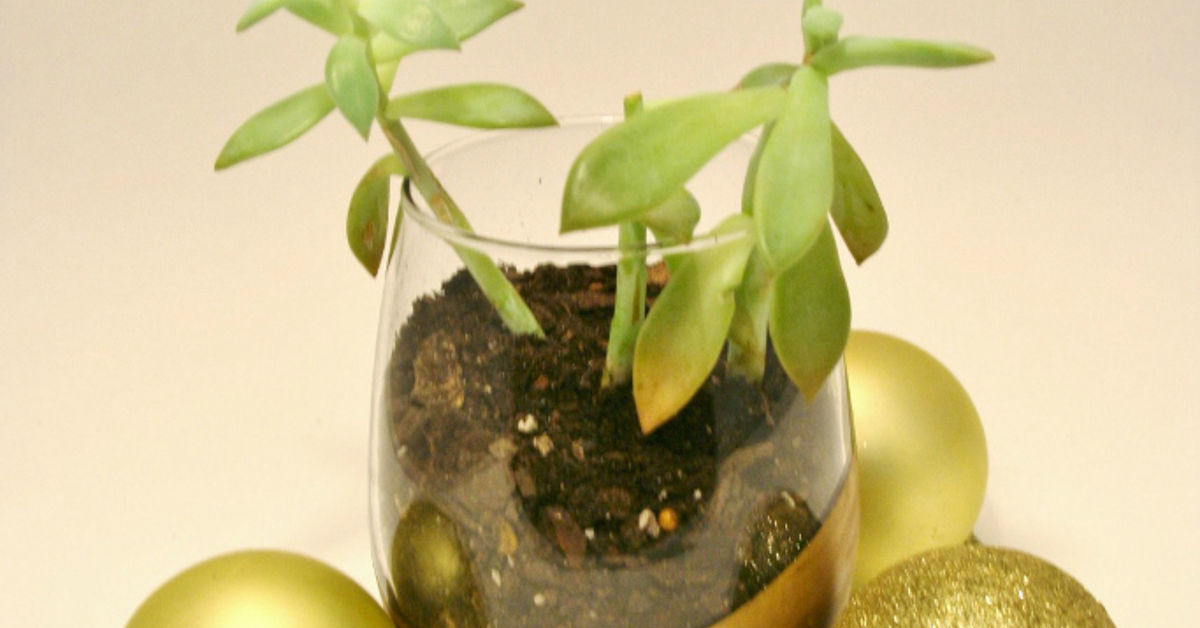
A Gilded Gift Succulent Planter is what happens when low-maintenance greenery meets a little “I definitely planned this weeks ago” glamour. It is small enough for a desk, pretty enough for a windowsill, and thoughtful enough to make someone say, “Wait, you made this?”which is the highest compliment in the handmade gift Olympics.
This DIY succulent planter combines a simple container, fast-draining succulent soil, a hardy little plant, and a metallic gilded finish that turns an ordinary pot into a mini treasure chest with roots. It works for birthdays, housewarming gifts, teacher appreciation, holiday favors, bridesmaid gifts, hostess presents, or that one friend who says they “kill every plant” but secretly wants another chance.
The best part? Succulents are forgiving, stylish, and surprisingly dramatic for plants that barely ask for water. Add a touch of gold leaf or metallic paint, tuck in a care card, and you have a gift that looks boutique without requiring boutique-level emotional or financial damage.
What Is a Gilded Gift Succulent Planter?
A gilded gift succulent planter is a small decorative planter upgraded with a gold, brass, champagne, or copper finish and planted with a succulent. “Gilded” simply means decorated with a thin metallic layer or metallic-looking finish. In this project, it can mean real imitation gold leaf, metallic craft foil, gold paint, or a brushed metallic accent.
The goal is not to make the planter look like it was stolen from a palace. The goal is to create contrast: earthy green leaves, gritty soil, natural stone, and a flash of warm shine. That mix is what makes the piece feel modern, handmade, and gift-worthy.
Why Succulents Make Great Gifts
Succulents are popular gift plants because they store water in their leaves or stems, making them more drought-tolerant than many traditional houseplants. They also come in an impressive range of shapes: rosettes, spears, beads, paddles, stars, and tiny alien cabbages. That last one may not be the official botanical term, but you know exactly the kind.
They are also compact. A mini succulent planter can fit on a nightstand, office shelf, dorm desk, kitchen counter, bathroom ledge, or coffee table. Unlike cut flowers, a succulent can keep growing long after the wrapping paper has gone to recycling heaven.
Supplies You Need
You do not need a studio, a kiln, or the confidence of a craft influencer wearing linen overalls. A basic gilded succulent planter can be made with simple materials.
Materials
- Small ceramic, terracotta, concrete, glass, or metal planter
- Succulent plant, such as echeveria, haworthia, jade plant, sedum, or kalanchoe
- Cactus and succulent potting mix
- Gold leaf sheets, imitation gold leaf, or metallic craft paint
- Gold leaf adhesive or craft adhesive designed for leafing
- Soft brush or foam brush
- Clear sealer suitable for decorative crafts
- Small stones, gravel, or decorative top dressing
- Gift tag, ribbon, twine, or mini care card
Choose the Right Container
The container matters more than people think. A beautiful pot without drainage can become a tiny swamp wearing jewelry. Succulents prefer soil that drains quickly, and containers with drainage holes help prevent roots from sitting in water.
If your decorative container has a hole, wonderful. You are already ahead of half the internet. If it does not, use the nursery pot method: keep the succulent in a small plastic nursery pot with drainage holes and place that inside the decorative gilded container. When it is time to water, remove the inner pot, water it thoroughly, let it drain completely, and then return it to its fancy outer home.
Avoid relying on a bottom layer of rocks as a magical drainage solution. It may look convincing, but the better strategy is a drainage hole, a draining inner pot, and the right soil mix.
Best Succulents for a Gift Planter
For a gift, pick succulents that are attractive, durable, and not too fussy. Your recipient should feel delighted, not like they just adopted a botanical diva with lighting requirements and trust issues.
1. Echeveria
Echeveria is the classic rosette succulent. It looks like a flower carved from waxy leaves, which makes it perfect for a decorative planter. It loves bright light and well-draining soil.
2. Haworthia
Haworthia is compact, sculptural, and generally more tolerant of indoor conditions than many sun-hungry succulents. Its striped leaves pair beautifully with gold accents.
3. Jade Plant
Jade plants have plump, glossy leaves and a reputation for symbolizing good luck and prosperity. In a gilded pot, that symbolism is almost too on the nosebut in a charming way.
4. Sedum
Sedum varieties can bring texture and trailing movement to a planter. Use small types for tabletop gifts and avoid overcrowding the container.
5. Kalanchoe
Kalanchoe offers thick leaves and, in many varieties, colorful blooms. It is a cheerful choice for birthdays, spring gifts, and anyone who appreciates a plant with a little personality.
How to Make a Gilded Gift Succulent Planter
This project can be as neat or as organic as you like. A clean gold stripe feels modern. Jagged gold leaf edges look artsy and expensive. A dipped gold bottom says, “I own matching napkins,” even if you absolutely do not.
Step 1: Clean and Prep the Planter
Start with a clean, dry planter. Wipe away dust, stickers, oil, or mystery thrift-store residue. If the surface is glossy, lightly scuff the area you plan to gild with fine sandpaper so the adhesive can grip better. For porous terracotta, apply a clear base coat or sealer first and let it dry. This helps prevent the adhesive from soaking unevenly into the clay.
Step 2: Plan the Gilded Design
Decide where the gold should go. Popular designs include:
- A gold-dipped lower half
- A diagonal metallic band
- Random torn gold leaf patches
- A thin rim of gold around the top edge
- Small abstract shapes, dots, moons, or stars
For crisp lines, use painter’s tape. For organic edges, skip the tape and let the gold leaf behave like the dramatic confetti it was born to be.
Step 3: Apply Adhesive
Use a foam brush to apply a thin layer of gold leaf adhesive where you want the metallic finish. Do not pile it on like frosting. A light, even coat works best. Let the adhesive become tacky according to the product directions before applying leaf. If you apply the leaf too early, it can slide around and wrinkle in places you did not ask it to wrinkle.
Step 4: Add Gold Leaf
Carefully lay the gold leaf sheet over the tacky area. Use a soft, dry brush to press it gently into place. Gold leaf is delicate and will tear if handled roughly, so treat it like a fancy potato chip. Once it is attached, brush away the excess. The torn edges and little imperfections are part of the handmade charm.
Step 5: Seal the Finish
After the gilded section is dry, apply a clear sealer over the metallic area. This helps protect the finish from scratches, moisture, and everyday handling. Since this is a planter, seal only the decorative exterior unless your craft product instructions say otherwise. Let the planter cure fully before planting.
Step 6: Plant the Succulent
Add cactus and succulent mix to the pot, leaving enough space for the plant’s root ball. Remove the succulent gently from its nursery container, loosen any compacted roots, and set it into the planter at roughly the same soil level it had before. Fill around the roots with more mix and press lightly to steady the plant.
Do not bury the crown of the plant under soil. Succulents like their necklines breathable, apparently.
Step 7: Add Decorative Top Dressing
A thin layer of small stones, gravel, crushed granite, or decorative sand can make the planter look polished. It also helps hold the soil in place. Keep the top dressing light and avoid packing it tightly around the leaves.
How to Make It Look Like a Boutique Gift
The difference between “I put a plant in a pot” and “This belongs in a lifestyle magazine next to a $42 candle” is presentation.
Add a Mini Care Card
A care card is thoughtful and practical. Keep it simple:
Bright light. Water only when soil is completely dry. Water deeply, let drain, and do not let the pot sit in water. Rotate occasionally. Compliment frequently.
Use Natural Gift Wrap
Wrap the planter in kraft paper, tissue, burlap, or a small fabric square. Tie it with twine, velvet ribbon, or raffia. Gold and green already look elegant, so keep the wrapping simple. Let the plant be the star. It has leaves for a reason.
Personalize the Tag
Use phrases like:
- “A little gold, a little green, and a lot of good wishes.”
- “For your desk, windowsill, or emotional support shelf.”
- “Low-maintenance, unlike most of us.”
- “May your days be bright and your soil be dry.”
Succulent Care Tips for the Recipient
A beautiful gift should not become a mystery assignment. Succulents are easy to care for when the basics are clear.
Light
Most succulents prefer bright light. A sunny windowsill or bright indirect light is ideal for many indoor varieties. If a succulent starts stretching toward the window, it probably wants more light. That stretched look is called etiolation, though “plant yoga gone wrong” is also acceptable in casual conversation.
Water
The golden rule is simple: let the soil dry out before watering again. When it is dry, water thoroughly until excess drains out, then remove any standing water. Do not mist succulents as their main water source. They prefer an occasional deep drink over a daily spa fog.
Soil
Use cactus and succulent mix or a fast-draining potting blend amended with perlite, pumice, coarse sand, or grit. Regular garden soil is usually too heavy for containers and can stay wet too long.
Temperature
Most common indoor succulents prefer normal home temperatures and protection from frost. Keep them away from freezing windows, heating vents, and locations where they will be bumped by backpacks, elbows, pets, or enthusiastic holiday guests.
Design Ideas for Different Occasions
Holiday Gift
Use a white planter with torn gold leaf and a tiny evergreen-colored ribbon. Add a tag that says, “A little sparkle for the season.” This works beautifully for coworker gifts, party favors, or stocking stuffers for plant lovers.
Wedding or Bridal Shower Favor
Choose mini terracotta pots with a gold-dipped base. Use matching succulents for a cohesive look and add small name tags to double as place cards. Guests get decor and a living favor instead of something that will live in a junk drawer forever.
Housewarming Gift
Try a larger ceramic planter with a jade plant. The gold finish adds warmth, while the jade plant brings a symbolic nod to luck and prosperity.
Teacher Appreciation Gift
A small haworthia in a gilded pot is perfect for a classroom desk. Add a note: “Thanks for helping us grow.” Yes, it is a classic plant pun. No, we are not apologizing.
Birthday Gift
Use a colorful planter with gold accents and tuck in a small birthday candle-shaped plant marker. Pair it with a handwritten note and maybe a coffee gift card if you want to become everyone’s favorite person.
Common Mistakes to Avoid
Using the Wrong Soil
Dense potting soil can hold too much moisture. Succulents need air around their roots and a mix that drains fast. If the soil feels muddy days after watering, it is not the right mix.
Overwatering
Overwatering is the classic succulent tragedy. Yellowing, mushy leaves and sudden leaf drop can be signs of too much moisture. Let the soil dry before watering again.
Gilding Too Close to the Soil Line
Gold leaf looks lovely, but moisture and soil can wear down decorative finishes. Keep gilding mostly on the outside of the pot and seal it well.
Skipping the Care Card
Even plant people appreciate instructions. A care card prevents the recipient from guessing whether the succulent wants desert life, rainforest life, or emotional support.
Real-Life Experience: Making and Giving a Gilded Succulent Planter
The first time I made a gilded succulent planter, I thought it would be a quick twenty-minute project. This was adorable optimism. The actual process involved one tiny terracotta pot, one sheet of imitation gold leaf, three brushes, and me whispering, “Please behave,” to a material that had the structural confidence of pastry flakes.
But that is part of the fun. Gold leaf is not meant to be perfectly obedient. It tears, floats, folds, sticks to your fingers, and somehow appears on your sleeve even when you are sure you never touched it. At first, I tried to force a perfect band around the pot. Then I realized the uneven edges looked better. They made the planter feel handmade in the best wayless factory, more “small object with a charming backstory.”
The biggest lesson was patience. Waiting for the adhesive to become tacky made a huge difference. When I rushed, the leaf smudged and bunched up. When I waited, the gold attached cleanly and brushed into a soft, weathered shine. A clear sealer also mattered because gift planters get handled. Someone picks it up, turns it around, shows it to another person, and says, “Look at this little guy.” Without sealer, the gilded finish can scratch too easily.
Planting the succulent was the calm part. I used a small echeveria because its rosette shape looked like a flower, and the pale green leaves looked beautiful against the warm gold. I added cactus mix, left the crown above the soil, and topped everything with small white stones. Suddenly, the project looked like something from a gift shop instead of my kitchen table, which at that moment was covered in soil crumbs and suspiciously shiny fingerprints.
The best reaction came when I gave it away. The recipient immediately placed it on a windowsill and read the care card out loud. The card said, “Bright light, dry soil, occasional water, regular compliments.” That last part got a laugh, but it also made the gift feel personal. A succulent planter is not just a decorative object; it is a tiny ongoing ritual. Every time the person waters it, rotates it, or notices new growth, the gift gets remembered again.
Another useful experience: make two or three at once. The setup is the messy part, so creating a small batch saves time. You can vary the designsone dipped, one striped, one with scattered gold patchesand suddenly you have a lineup of gifts ready for birthdays, holidays, thank-you moments, or emergency “I forgot this was today” situations.
A gilded gift succulent planter is also budget-friendly. A small plant, a simple pot, and a few craft supplies can create something that feels far more expensive than it is. It proves that thoughtful gifts do not need to be complicated. Sometimes all you need is a hardy plant, a little shine, and the courage to let the gold leaf be beautifully imperfect.
Conclusion
A Gilded Gift Succulent Planter is a smart, stylish, and personal DIY gift that blends natural texture with a polished metallic finish. It is easy enough for beginners, flexible enough for different occasions, and charming enough to look professionally made with just a little care.
The secret is balance. Choose a container with proper drainage or use an inner nursery pot. Plant the succulent in fast-draining soil. Water only when dry. Keep the gilding on the decorative exterior, seal it well, and finish the gift with a thoughtful tag or care card.
Whether you are making one planter for a friend or a dozen for an event, this project delivers a lovely mix of handmade warmth and golden sparkle. It is small, practical, beautiful, and just dramatic enough to make a windowsill feel special.