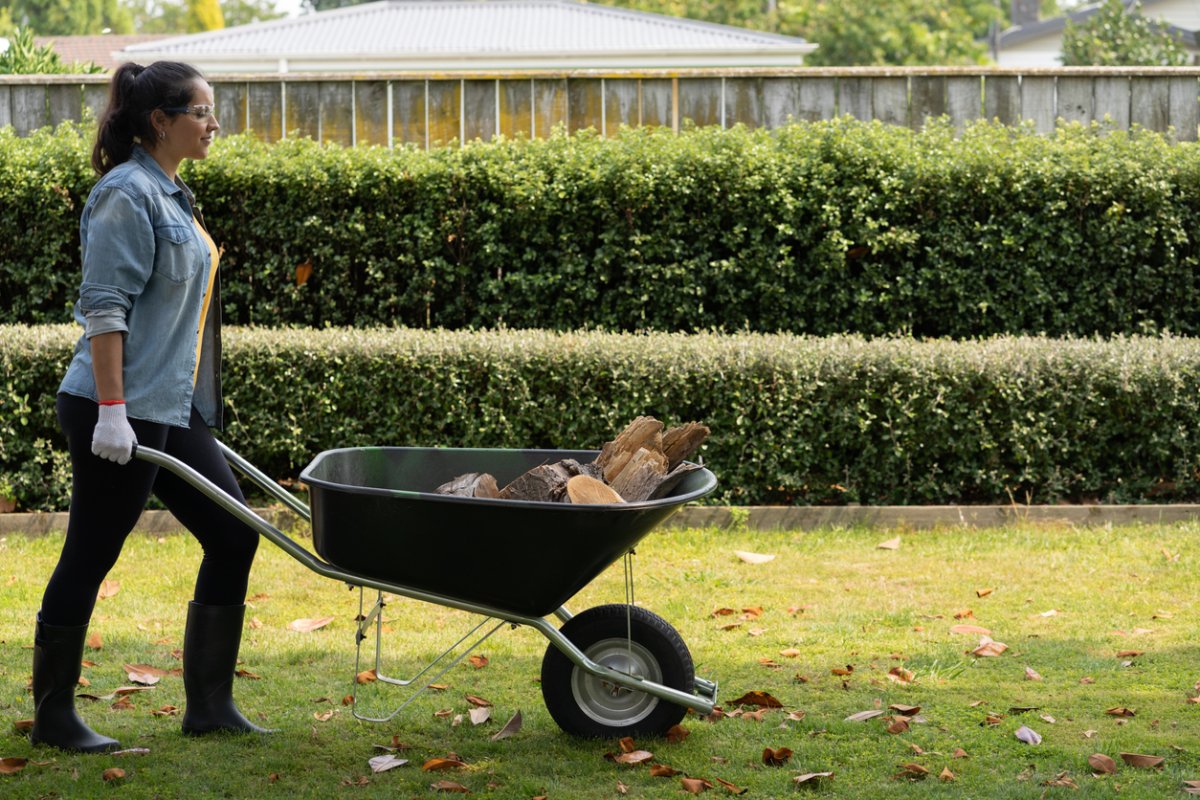
Every property has a “please don’t look over there” zone. Maybe it’s a bald patch in the lawn that looks like a raccoon hosted a dance party. Maybe it’s trash cans, an air-conditioning unit, a leaning fence, a cracked walkway, or that mysterious side-yard pile everyone has agreed not to discuss. The good news? Most outdoor eyesores do not require a full landscape renovation, a celebrity designer, or a wheelbarrow full of cash.
With smart curb appeal landscaping, a little paint, a few plants, and some weekend-friendly planning, you can make the ugliest parts of your property either disappear or look like they were part of the design all along. The secret is not always to “hide” the problem. Sometimes the better move is to clean it up, frame it, soften it, or turn it into a feature. In other words: give your yard a makeover, not a witness protection program.
Below are nine practical ways to make over or hide outdoor eyesores, from bare ground and utility boxes to ugly fences, cluttered corners, and awkward views.
1. Cover Bare Ground Before It Becomes the Star of the Show
Bare soil is one of the fastest ways to make a yard look unfinished. It also invites weeds, erosion, dust, mud, and the kind of “temporary” mess that somehow becomes permanent. If your lawn has thin patches, shaded dead zones, or areas where grass refuses to cooperate, stop arguing with it. Grass is not always the hero.
For small patches, reseeding or patching with sod can work well. Choose a seed mix suited to the site: shade-tolerant fescues for low-light areas, durable turf blends for sunny, high-traffic spots, and low-maintenance grass alternatives where constant mowing is not the dream. Prepare the soil, remove debris, loosen compacted areas, and keep new seed consistently moist until it establishes.
For larger problem areas, consider groundcovers. Creeping phlox, sedges, mondo grass, ajuga, liriope, native violets, and clover mixes can soften hard-to-mow spots and reduce maintenance. On slopes, groundcovers also help stabilize soil and prevent washouts. In beds, mulch is your best friend: a 2- to 4-inch layer of wood chips or bark helps suppress weeds, conserve moisture, and create a neat, finished look.
Quick Fix
For an instant improvement, edge the area cleanly, add cardboard or newspaper as a biodegradable weed barrier, and top it with mulch. Suddenly the “dead zone” becomes a deliberate planting bed. Congratulations, you are now a landscape designer with dirt under your fingernails.
2. Turn Clutter Piles Into Organized Outdoor Storage
Every yard has clutter magnets: firewood, garden tools, kids’ toys, hoses, buckets, old pots, and mystery boards saved “just in case.” The problem is not always the items themselves. It is the visual chaos. A pile says, “We gave up.” A storage zone says, “We have a system.”
Start by sorting. Keep what you actually use, donate what still works, and discard broken items that have been auditioning for the role of “future project” since 2019. Firewood should be stacked off the ground on a rack with airflow around it. Garden tools can hang on a wall-mounted rack inside a shed, garage, or covered nook. Hoses should be coiled on a reel or stored in a hose box. Trash and recycling bins can be tucked behind a small screen, fence panel, or evergreen hedge.
If you do not have a shed, create a mini utility station with a weather-resistant deck box, vertical storage cabinet, or simple slatted enclosure. Keep the style consistent with your home: wood for cottage or farmhouse looks, black metal for modern spaces, and painted fencing for traditional homes.
Design Tip
When hiding clutter, leave room to access it. A screen that looks great but traps your trash cans like a puzzle box will make pickup day unnecessarily dramatic.
3. Use Paint to Rescue Tired Fences, Sheds, Doors, and Trim
Paint is one of the cheapest ways to perform outdoor cosmetic magic. A faded fence, sad shed, rusty railing, or weather-beaten door can drag down the whole property. The right paint or stain can make these pieces look intentional again.
Before painting, prep properly. Clean dirt and mildew, scrape peeling paint, sand rough spots, repair damaged boards, and use the correct primer for the material. Wood, metal, masonry, and vinyl all have different needs. Skipping prep is like putting a tuxedo over muddy boots: technically dressed up, but nobody is fooled.
For fences and sheds, darker colors often help bulky structures recede into the background. Charcoal, deep green, warm brown, and black can make plants stand out and reduce visual noise. For front doors, gates, and garden accents, a bold color can create a focal point that pulls attention away from less attractive areas.
If you are dealing with utility covers, exterior pipes, or small metal features, check local rules and safety requirements before painting. Some utility equipment must remain accessible and visible. When painting is allowed, match the surrounding wall or landscape color to help the object blend in.
4. Screen Utility Areas Without Blocking Access
Air-conditioning units, meters, propane tanks, irrigation controls, and trash bins are necessary, but let’s be honest: nobody has ever said, “Come admire my condenser unit.” Screening these functional features is one of the best curb appeal upgrades you can make.
The key is to hide without suffocating. Outdoor HVAC equipment needs airflow, so do not crowd it with dense shrubs, solid fencing, or vines. Keep foliage trimmed back and leave enough space for maintenance. A slatted screen, lattice panel, decorative fence, or staggered planting can soften the view while still allowing air movement and technician access.
For trash cans, a three-sided enclosure works beautifully. Use fence boards, horizontal slats, bamboo panels, or a simple gate. Add gravel or pavers under the bins to prevent mud and make rolling them out easier. For utility boxes, choose medium-height shrubs or ornamental grasses that screen from the main viewing angle but leave the front accessible.
Best Plants for Soft Screening
Boxwood, inkberry holly, switchgrass, dwarf arborvitae, yaupon holly, hydrangea, and native grasses can all work depending on your climate. Choose plants based on mature size, not their cute little nursery-pot size. Tiny shrubs grow up. So do children, but shrubs do not usually ask for snacks.
5. Distract From Ugly Views With a Better Focal Point
Sometimes you cannot remove the ugly thing. Maybe it is a neighbor’s storage shed, a parking area, a plain wall, or a view of the alley. In that case, the trick is not only to block the view but to give the eye something better to land on.
Create a focal point closer to your patio, deck, or window. A large planter, birdbath, small tree, trellis, garden bench, fire bowl, water feature, or sculptural pot can redirect attention. If you place it strategically, the focal point becomes the main event while the eyesore fades into the background.
Layering helps. Put taller plants or a screen in the back, medium shrubs in the middle, and lower flowers or groundcovers in front. This creates depth and makes the yard feel designed rather than blocked off. A flat wall of one plant can look stiff; a layered planting looks natural and forgiving.
For tight spaces, use vertical elements. A trellis with flowering vines, a wall planter, a narrow arbor, or tall containers can add height without swallowing the yard. Just avoid invasive vines or aggressive growers that may damage siding, fences, or nearby trees.
6. Make Over Cracked Walkways and Awkward Paths
A cracked walkway or muddy path can make even a beautiful property feel neglected. It also creates a practical problem: people will take the easiest route, even if that means cutting across your lawn and creating a new ugly spot. Your yard is giving you feedback. Listen to the footprints.
For minor cracks in concrete, use an appropriate concrete crack filler and clean the surface first. If the walkway is uneven or creates a tripping hazard, consider professional repair. Safety should win over cosmetics every time.
For informal paths, gravel, stepping stones, mulch, decomposed granite, or pavers can create a cleaner route. Use edging to keep materials contained and prevent the path from slowly migrating into the lawn. Curved paths often feel more natural in gardens, while straight paths work well for modern homes and practical side-yard access.
If a path looks awkward because it leads nowhere, give it a destination. Add a bench, potting table, small seating area, raised bed, or decorative gate. A path with a purpose feels charming. A path to a blank fence feels like a landscaping plot twist.
7. Hide Ugly Walls and Fences With Plants, Panels, or Texture
Plain walls, chain-link fences, stained retaining walls, and worn privacy fences can dominate a yard. Replacing them may be expensive, but making them less noticeable is often very doable.
Start with cleaning. Pressure washing, when appropriate for the material, can remove years of grime. For wood fences, replacing a few bad boards and staining the whole fence may be enough. For masonry walls, repair cracks and consider a breathable masonry paint or limewash if suitable.
Plants are the classic solution. Install a border of shrubs, ornamental grasses, perennials, or small trees to soften the line. For chain-link fencing, privacy slats, reed screening, or a planted hedge can help. For blank walls, add a trellis, espaliered fruit tree, climbing rose, or decorative panels.
Texture matters. A wall covered with repeating planters, wood battens, metal art, or a vine-covered trellis becomes a backdrop instead of a blemish. The goal is not always to erase the wall. Sometimes it is to make it look like it belongs in the story.
8. Upgrade the “Forgotten Side Yard”
The side yard is where good intentions go to take a nap. It often becomes a narrow corridor for trash cans, ladders, hoses, and weeds. But with a few upgrades, it can become one of the most useful parts of the property.
First, improve the surface. Gravel, stepping stones, pavers, or mulch can turn a muddy strip into a clean walkway. Add edging so the area stays tidy. If drainage is a problem, address it before installing finishes. You may need grading, a French drain, a rain garden, or downspout redirection depending on the site.
Next, create vertical storage. Wall hooks, a slim storage cabinet, a potting shelf, or a narrow trellis can keep items organized without blocking the path. If the side yard gets sun, it may be a great place for raised beds, herbs, or container gardening. If it is shady, use shade-tolerant groundcovers, ferns, hostas, or stepping stones with mossy accents.
Lighting is another simple upgrade. Low-voltage path lights or solar fixtures can make the side yard safer and less spooky. Nobody wants to take out the trash through a passage that feels like the opening scene of a suspense movie.
9. Use Water-Smart Landscaping to Fix Muddy, Wet, or Washed-Out Areas
Some ugly spots are not just ugly; they are symptoms. A muddy corner, eroded slope, or soggy lawn may mean water is moving through the property in a way that needs attention. Covering it with mulch may help temporarily, but solving the water issue creates a better long-term result.
Look at where water comes from. Downspouts, driveways, patios, compacted soil, and slopes can all send runoff to the same low spot. Redirect downspouts away from foundations, use splash blocks or extensions, and consider permeable materials where water needs to soak in rather than rush away.
A rain garden can turn a soggy eyesore into a planted feature. These shallow, planted depressions collect runoff from roofs, driveways, or lawns and allow it to soak into the soil. Use moisture-tolerant native plants, grasses, and flowering perennials that can handle both wet and dry periods. In dry climates, choose plants adapted to local conditions and use gravel or stone mulch where appropriate.
For eroded slopes, combine deep-rooted plants with mulch, jute netting, terracing, or strategically placed stones. Avoid leaving soil exposed. Bare slopes are basically sending invitations to weeds and stormwater.
How to Choose the Right Fix for Your Property
Before you buy plants or lumber, stand back and study the area from the places you actually use: the driveway, front walk, kitchen window, deck, patio, and street. The best fix depends on the viewing angle. You may not need to hide an eyesore from every direction. Sometimes screening it from one important view is enough.
Next, decide whether the problem is cosmetic, functional, or both. A faded fence is cosmetic. A muddy walkway is functional. An air-conditioning unit surrounded by weeds is both. Functional problems should be handled first because they tend to ruin cosmetic upgrades. Pretty mulch will not stay pretty if water keeps washing it into the neighbor’s yard.
Finally, choose materials that match the level of maintenance you are willing to do. Formal hedges look great, but they need trimming. Flower beds are charming, but they need weeding and watering. Gravel is low-maintenance, but it still needs edging and occasional refreshing. There is no such thing as zero-maintenance landscaping, but there is definitely “I can handle this on a Saturday morning” landscaping.
Budget-Friendly Materials That Make a Big Difference
You do not need luxury materials to improve curb appeal. Mulch, gravel, paint, edging, lattice, salvaged bricks, planters, and fast-growing annuals can create a major transformation. A few large containers near an ugly corner can work faster than waiting years for a hedge. A painted gate can distract from a plain fence. A $20 hose reel can make a side yard look 50 percent more civilized.
Use repetition to make inexpensive fixes look intentional. Repeat the same mulch in multiple beds, use matching planters, echo the trim color on a gate, or choose one type of gravel for utility areas. Random materials make a yard feel patched together. Repeated materials make it feel designed.
Common Mistakes to Avoid
The biggest mistake is planting too close to the thing you want to hide. Shrubs grow wider, grasses flop, vines wander, and suddenly your clever screen becomes a maintenance monster. Always check the mature size of plants and leave access for repairs, meters, gates, and equipment.
Another mistake is hiding problems that should be repaired. Do not screen off rotting wood, unsafe steps, standing water near the foundation, or serious drainage issues and call it done. Cosmetic cover-ups are great for visual clutter, not structural trouble.
Finally, avoid overdecorating. One clean screen, one strong focal point, or one organized storage area is usually better than a yard full of “solutions” competing for attention. The goal is calm, not a garden center clearance aisle.
Real-Life Experience: What Actually Works When You Start Fixing Outdoor Eyesores
The most useful lesson from making over ugly property areas is that the first hour is usually not about buying anything. It is about removing things. Pull weeds, sweep the path, coil the hose, stack the wood, toss broken pots, and cut back dead growth. Many yards do not need a dramatic makeover at first; they need a reset. Once the clutter is gone, the real problem becomes easier to see.
One common experience is discovering that a “bad lawn” is not really a lawn problem. It may be shade, foot traffic, compacted soil, pet damage, poor drainage, or the wrong grass type. Reseeding the same spot over and over without fixing the cause is like replacing a phone battery when the charger is unplugged. Start by asking why the spot looks bad. If people keep walking through it, build a path. If trees block sunlight, use shade plants or mulch. If water collects there, solve the drainage or plant for wet conditions.
Another practical lesson: screens should look good even before plants mature. Many homeowners plant tiny shrubs in front of trash cans and expect instant privacy. Then the yard looks like trash cans guarded by baby broccoli for three years. A better approach is to combine a simple hardscape screen with plants. Use a short fence, lattice panel, or slatted enclosure for immediate coverage, then add shrubs or grasses to soften it over time.
Paint also delivers a surprisingly emotional result. A tired shed or fence can make the whole yard feel old, even if the plants are healthy. After cleaning and staining, the same structure often becomes a backdrop. Darker fence colors are especially effective because they make greenery pop. The plants look brighter, the boundary looks calmer, and the ugly corner suddenly stops waving for attention.
Side yards are another place where small changes matter. Gravel and stepping stones can turn a muddy, narrow strip into a clean service path in a single weekend. Add a wall hook for the hose, a covered bin area, and one motion-sensor light, and the space becomes useful instead of annoying. The side yard may never be glamorous, but it can stop feeling like the property’s junk drawer.
The biggest surprise is how much improvement comes from defining edges. A bed with sharp edging looks cared for even if the plants are simple. A gravel pad under trash cans looks cleaner than bins sitting in weeds. A mulched ring around a tree looks better than patchy grass struggling under shade. Edges tell the eye, “This is intentional.” Without edges, even good materials can look messy.
Finally, it helps to work in layers instead of trying to solve everything at once. Start with cleanup. Then fix access and drainage. Next add screens or surfaces. After that, plant. Last, add decorative details like lighting, pots, or garden art. This order prevents wasted effort. There is no point planting a beautiful border in a spot where downspout water will blast it flat during the next storm.
Outdoor makeovers are rarely perfect on day one. Plants need time, paint needs touch-ups, mulch settles, and your first layout may need adjustment. That is normal. A good yard evolves. The goal is not to create a magazine-perfect property overnight. The goal is to make the worst parts less visible, more useful, and easier to live with. If the trash cans are hidden, the path is dry, the fence is freshly stained, and the bare patch is now a mulched bed, you have already won.
Conclusion
Ugly parts of a property are not failures; they are invitations. A bare patch can become a groundcover bed. A clutter pile can become organized storage. A utility area can be screened. A cracked path can become a charming walkway. A muddy corner can become a rain garden. With the right mix of cleanup, paint, planting, screening, and smart design, even the least attractive parts of your yard can look intentional.
The best makeovers do not fight the property. They work with the site conditions, solve practical problems first, and use simple materials in a thoughtful way. Whether you have a tiny side yard or a full backyard with several “please ignore this” zones, start with one eyesore and give it a job, a frame, or a disguise. Your property will look better, your outdoor space will feel calmer, and your neighbors may start asking suspiciously polite questions about who you hired.
Note: This article is original, written in standard American English, and prepared for web publishing without source-link placeholders or unnecessary reference elements.