Note: Clean body-only HTML for direct web publishing. No citation artifacts or extra source markup included.
Some home upgrades scream for attention. A velvet sofa does jazz hands. A marble fireplace clears its throat dramatically. But the simple black pendant lamp? It just strolls in, does its job beautifully, and somehow makes the entire room look more expensive, more intentional, and much less like you panic-bought everything during a weekend sale. That is the charm of this fixture. It is humble. It is useful. It is stylish without begging for applause.
In the design world, black pendant lighting has become one of those rare staples that can live happily in very different homes. It works in modern kitchens, Scandinavian dining nooks, industrial lofts, warm farmhouse spaces, and even traditional interiors that need one crisp, graphic note. Better yet, it plays both sides of the budget game. You can buy a simple black pendant lamp for the price of a nice dinner, or spend far more on a beautifully crafted version with hand-finished metal, designer proportions, premium cords, and luxe details. The silhouette may stay minimal, but the range runs from bargain-bin hero to investment-piece legend.
That is what makes this a true high/low design story. A simple black pendant lamp does not need a lot of ornament to earn its place. Its power comes from proportion, finish, placement, and glow. Choose wisely, and this one small fixture can anchor a kitchen island, sharpen a breakfast nook, warm up an entry, or save a dining corner from looking like an afterthought. That is a lot of pressure for one lamp, but thankfully this little overachiever can handle it.
Why the Simple Black Pendant Lamp Keeps Winning
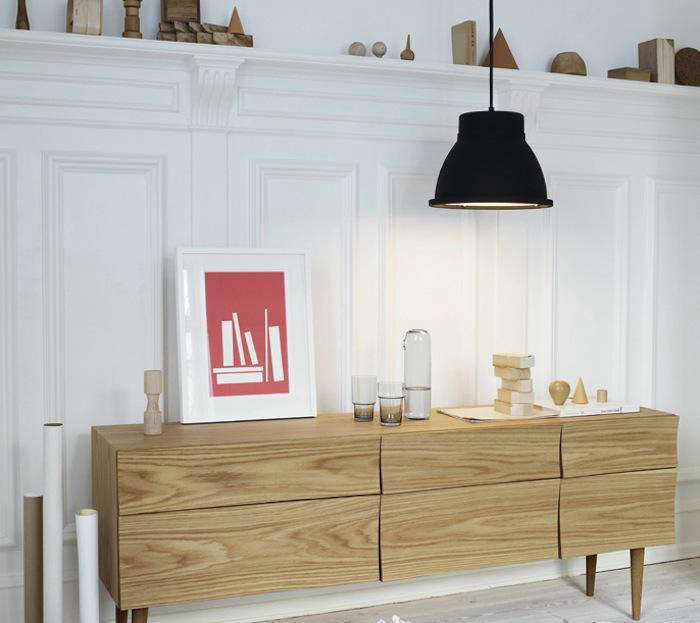
Black works because it creates contrast. In a light kitchen, a black pendant adds definition. In a dark room, it blends in while still giving the eye a shape to follow. It can feel crisp and contemporary, or moody and vintage, depending on the shade and material. A matte black cone looks sleek and architectural. A black dome leans classic. A black metal cage has a slightly industrial attitude. A black fixture with milk glass softens the mood. Same color family, very different personalities.
The real magic, though, is that black reads as deliberate. White pendants can disappear. Brass pendants can dominate. Clear glass can become visually busy if the room already has a lot going on. But black has clarity. It outlines itself. It says, “Yes, I meant to put something here,” which is exactly what good lighting should do.
Simple black pendants are also flexible because they work with almost any finish already in the room. They pair naturally with white walls, wood cabinetry, stainless appliances, brass hardware, stone counters, warm leather stools, and even colorful tile. They are basically the black blazer of home lighting: timeless, practical, and suspiciously good at making everything nearby look pulled together.
The “High/Low” Appeal: Same Idea, Different Price Tag
On the lower end of the market, a simple black pendant lamp often gives you the essentials: a clean metal shade, an adjustable cord or rod, a straightforward canopy, and a look that punches above its price. These budget-friendly versions are popular because they deliver immediate visual impact without turning your lighting plan into a financial thriller. They are especially useful when you need more than one fixture over an island or a long dining table. Buying three expensive pendants can be character-building in all the wrong ways.
At the higher end, the upgrades are usually subtle but meaningful. You may get thicker-gauge metal, better finish consistency, more elegant proportions, integrated LED technology, better diffusers, more refined hardware, artisan detailing, or a more sophisticated interior finish that reflects light more warmly. Premium pendants also tend to feel better scaled. That sounds like design-snob nonsense until you see a fixture that is technically fine but somehow looks awkward, like it borrowed someone else’s shoes.
The smartest approach is not automatically “cheap” or “expensive.” It is purpose-driven. In a hard-working kitchen where you need multiple lights and easy replacements, low can be brilliant. In a small dining room where one pendant is the visual centerpiece, high can be worth the splurge. The best design choice is often not about maximum spending. It is about placing money where the room will notice it most.
Where a Simple Black Pendant Lamp Works Best
Over a Kitchen Island
This is the natural habitat of the simple black pendant lamp. Over an island, it provides task lighting, visual structure, and just enough drama to make a functional workspace look polished. Black pendants are especially effective above white or wood islands because they create strong contrast and help define the prep zone.
If your island is long and rectangular, a pair or trio of pendants often looks best. If the island is compact, one larger pendant can feel cleaner and more modern than several small ones. The key is to think about balance, not fixture quantity as an Olympic event.
Above a Dining Table
A simple black pendant can bring intimacy to a dining area without becoming too formal. It frames the table, lowers the visual center of the room, and creates that “we might actually sit down for dinner instead of eating over the sink” feeling. In dining spaces, black pendants shine when the rest of the room is soft and quiet, because the fixture adds definition without overwhelming conversation.
In an Entryway or Hall
One black pendant in an entry can add a lot of style with very little square footage. It signals design intention right away. In a hallway, a simple pendant can break up a tunnel effect and add a layer of depth that recessed lights alone often cannot achieve.
In a Bedroom Corner or Reading Nook
Hanging a black pendant beside a bed or over a chair is a great way to free up surface space and add an editorial look. This is where the simple pendant starts feeling less utilitarian and more like a quiet luxury move, even if your budget says otherwise.
How to Choose the Right One
Start with the Shade Shape
The simplest black pendant lamps generally come in a few dependable forms: cone, dome, cylinder, globe, and industrial-inspired shades. A cone shade feels crisp and directional. A dome feels softer and slightly classic. A cylinder looks tailored. A globe introduces curves into rooms full of rectangles. Industrial silhouettes can add personality, but too much detailing can shift “simple” into “trying very hard.”
Pick the Right Finish
Matte black is the most forgiving and the most versatile. It absorbs light, hides fingerprints better, and works in almost every decorating style. Satin black has a bit more polish. Glossy black can look dramatic, but it draws more attention and reflects more light, so it is less quietly chic and more “Hello, I have arrived.” Both have their place. Just know which kind of entrance you want the lamp to make.
Think About the Interior
The inside of the shade matters. A white or metallic interior can bounce more light downward and feel brighter. A black interior may look moodier and more sculptural, but it can reduce the feeling of brightness. If the pendant is doing real task work over a counter, this detail matters more than many shoppers realize.
Do Not Ignore Scale
A pendant that is too small can look apologetic. Too large, and it starts bossing the room around. In open kitchens, bigger pendants often work surprisingly well because they stand up to cabinetry, vent hoods, and long counters. In tighter spaces, smaller shades keep things from feeling crowded. If you are torn between two sizes, consider ceiling height, table or island length, and how visually busy the room already is.
Installation Rules That Save You from Design Regret
There are a few basic guidelines that make pendant lighting more successful and less likely to trigger immediate second-guessing. Over a dining table or countertop, the bottom of the pendant is commonly hung about 30 to 36 inches above the surface. In general circulation spaces, you want enough clearance so people are not ducking under your design choices. Higher ceilings usually allow slightly higher placement, while lower ceilings call for extra discipline.
If you are hanging multiple pendants over an island, spacing matters just as much as height. Give them enough room to breathe so the arrangement feels intentional, not crowded. Symmetry helps, especially with simple black fixtures that rely on clean lines to look their best. A badly spaced minimalist pendant does not become “artful.” It just becomes annoying.
Dimmers are another must. A simple black pendant lamp should be able to shift mood as the room changes. Bright for chopping vegetables. Softer for dinner. Low and warm when you are standing in the kitchen at 10:47 p.m. eating cheese directly from the fridge and pretending it counts as meal prep.
Styling Ideas That Actually Work
Black Pendant + White Kitchen
This is a classic pairing because it creates crisp contrast. The pendant becomes a punctuation mark in the room, especially when repeated over an island. Add wood stools or brass hardware and the space feels layered rather than stark.
Black Pendant + Warm Wood
Wood softens the graphic edge of black. This combination is ideal for Scandinavian, Japandi, and modern rustic interiors. The lamp adds structure; the wood keeps things welcoming. Together, they look effortless in the highly suspicious way that usually involves excellent editing.
Black Pendant + Stone and Texture
Simple black lighting looks especially strong around marble, soapstone, concrete, limewash, or textured tile. Because the pendant is visually clean, it gives more expressive materials room to shine without making the room feel chaotic.
Black Pendant + Mixed Metals
Yes, you can mix black lighting with brass pulls, chrome faucets, and stainless appliances. The trick is repetition. If the black pendant is the only black element in the room, it can feel isolated. Add black stool legs, a black-framed window, cabinet hardware, or even a dark faucet, and suddenly the pendant looks like part of a larger plan.
Mistakes to Avoid
The first mistake is choosing a pendant only by looks and forgetting function. A beautiful shade that throws weird shadows on your prep surface is not your friend. The second mistake is going too small. Tiny pendants over a large island can look timid. The third is ignoring bulb temperature. A harsh, overly cool bulb can make a lovely black fixture feel sterile, while warmer light tends to make it feel welcoming and expensive.
Another common error is installing too many competing light sources. Pendants should work with recessed lights, under-cabinet lights, sconces, or ceiling fixtures, not start a brightness turf war. Good rooms layer lighting. Great rooms make it feel effortless.
Finally, do not chase trends so hard that you lose the simplicity that made the black pendant appealing in the first place. The charm of this fixture is restraint. Once it gets too decorative, too oversized for the room, or too eager to become a statement piece, it can lose the quiet confidence that makes it such a reliable winner.
Why This Lamp Is Still a Smart Buy
The simple black pendant lamp earns its keep because it solves more than one problem at once. It lights the room, defines space, sharpens the decor, and works across price points. It can look custom even when it is affordable. It can blend into a room or anchor it, depending on scale and placement. It survives trend cycles because black is timeless and simple forms age well.
That makes it a rare design purchase with real staying power. You do not need to reinvent your home around it. You just need to choose the right shape, hang it at the right height, and give it a bulb that flatters your room instead of interrogating it. In return, you get a fixture that looks smart today, likely looks smart five years from now, and never demands too much attention while doing a surprisingly important job.
In a world full of flashy “must-have” decor, that kind of quiet competence is refreshing. The simple black pendant lamp is not trying to be the most dramatic object in the room. It is just trying to be the one that makes the room make sense. Honestly, we could all use that kind of energy.
Experience Notes: Living with a Simple Black Pendant Lamp
Living with a simple black pendant lamp changes the mood of a room in ways that are easy to underestimate until you actually install one. At first, it can seem like a minor upgrade. It is just lighting, right? But once it is hanging in place, the room starts behaving differently. A kitchen island suddenly feels like a destination rather than a slab of countertop. A small dining table feels grounded. Even the morning routine changes, because the pool of light below the fixture creates a natural place to stand, sip coffee, answer messages, or stare into the middle distance while your toast cools down.
One of the best experiences with this type of lamp is how it creates order. In an open-plan home, spaces can blur together. Cooking spills into dining, dining spills into living, and before you know it the whole room has the energy of a very stylish airport terminal. A black pendant helps define one zone from another without putting up walls. It quietly says, “This is where the work happens,” or “This is where dinner belongs,” and that subtle structure makes the whole space feel calmer.
There is also something deeply satisfying about the contrast. In many homes, especially those with pale counters, white walls, or warm wood cabinetry, a black pendant gives the eye a place to land. It is a visual exhale. That contrast becomes even better at night, when the fixture itself turns into a silhouette and the light underneath becomes the star. The result feels intimate, almost restaurant-like, except the chef is you and the reservation system is a group text with no clear plan.
Another real-life benefit is versatility. During the day, the pendant can read as crisp and architectural. At night, especially on a dimmer, it becomes softer and more atmospheric. That range matters in homes where one room has to do many jobs. The same island may be used for chopping vegetables, helping with homework, paying bills, hosting a friend, or serving snacks during a movie night. A good black pendant adapts to all of that without ever feeling out of place.
People also tend to notice it more than you expect. Not in a loud, flashy way, but in a “something about this room feels finished” way. Guests may not immediately identify the pendant as the reason the kitchen looks better, but they feel its effect. That is part of what makes it such a strong design purchase. It improves the room without needing applause.
Perhaps the most enjoyable experience, though, is longevity. A simple black pendant lamp rarely feels dated quickly. If you change bar stools, repaint walls, swap cabinet hardware, or bring in different textiles, the light usually still works. It has enough personality to matter and enough restraint to last. In home design, that is a wonderful combination. The lamp does not just brighten the room. It earns trust.
Conclusion
If you want a lighting choice that balances style, practicality, and budget flexibility, the simple black pendant lamp is hard to beat. It works in high and low interiors, suits multiple rooms, and offers timeless contrast that makes spaces feel sharper and more intentional. Choose the right scale, hang it well, pair it with a warm bulb, and this understated fixture can do what great design always does: make everyday life look a little better.