Editor’s note: This article explores an archival design find. Product availability, color options, dimensions, and current pricing may change, so verify details with the retailer before purchasing.
Some home accessories enter a room quietly. A lamp turns on. A vase stands there looking vase-like. A round felt cushion, however, has a different agenda. It rolls into the visual conversation with softness, texture, and just enough sculptural confidence to make a stiff chair look as though it has finally developed a personality.
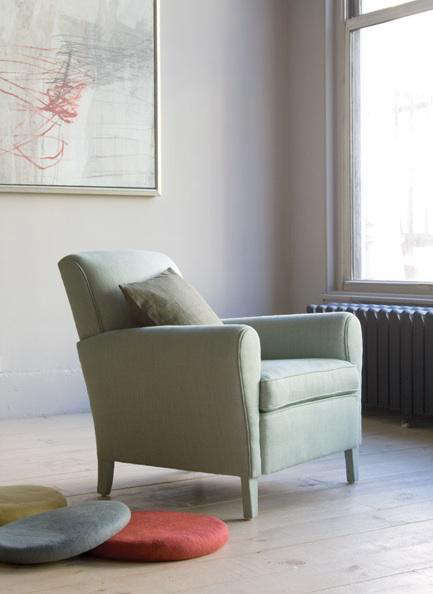
That is the enduring appeal of the round felt cushions once featured by Canvas, the homewares label associated with the design world around Ochre. The original Design Sleuth discovery highlighted 16-inch, Nepalese-made, 100 percent wool cushions that were as much about material and shape as they were about comfort. They were not loud. They did not arrive wearing tassels, fringe, or a motivational quote in cursive. Instead, they relied on a simple idea: a dense, tactile wool circle can make a room feel warmer, calmer, and far more intentional.
In an era when every sofa seems to be carrying the emotional burden of fourteen decorative pillows, the round felt cushion offers a welcome edit. It is compact, practical, and visually satisfying. Think of it as the design equivalent of a perfectly timed side-eye: subtle, efficient, and impossible to ignore once you notice it.
Why Round Felt Cushions Still Feel Fresh
Round cushions are not a new invention. Humans have been sitting on soft circular things for a very long time, usually because the floor was hard and civilization had not yet invented streaming television. What makes the Canvas felt cushion feel relevant is the combination of its minimal shape and expressive material.
A square pillow usually behaves like a background actor. It fills a corner, supports an elbow, and quietly gets buried under a throw blanket. A circular cushion has a different role. Its silhouette interrupts the usual grid of sofas, chairs, bookshelves, and rectangular rugs. That curve creates visual relief, especially in rooms filled with straight-lined furniture.
Felt adds another layer of interest. Unlike shiny cotton, smooth velvet, or slippery polyester, wool felt has a matte, substantial surface. It absorbs light rather than bouncing it around the room. This makes it especially useful in spaces that need softness without sparkle, texture without clutter, and warmth without turning into a cabin-themed souvenir shop.
The result is a cushion that works in several decorating styles at once. It can look Scandinavian next to pale wood and clean-lined furniture. It can feel modern in a room with black metal and concrete. It can soften a traditional chair with carved legs. It can even play nicely in a colorful eclectic home, where it acts as a calm visual pause between patterned rugs, painted walls, and that one ceramic lamp nobody is allowed to touch.
The Original Canvas Cushion: A Small Object with Big Design Energy
The historical appeal of the Canvas round felt cushion came from restraint. The original product was described as a 16-inch round cushion made from Nepalese wool. At the time, it was positioned as a design-forward accessory rather than merely a seat pad. That distinction matters.
A basic seat cushion solves a practical problem: a hard chair is uncomfortable. A well-designed felt cushion solves two problems at once: it improves comfort and changes the appearance of the furniture beneath it. Place one on a wooden dining chair, woven bench, or minimal stool, and suddenly the seat becomes less severe. The furniture looks considered rather than unfinished.
That is the small magic of a round cushion. It does not have to dominate the room to affect it. It can act like punctuation. A simple wood chair becomes a sentence; the felt cushion becomes the period that makes the whole thing feel complete.
Why Wool Felt Makes Such a Strong Material Choice
Wool felt is especially suited to cushions because it has body. It does not collapse visually the way thin fabric sometimes can. Its dense fibers create a surface with depth, giving even a neutral color more presence than you might expect.
Wool also has natural resilience. Its fibers have a spring-like structure, which helps the material recover after regular use. That does not mean a wool cushion is indestructible; no textile can survive a toddler with a juice box and a golden retriever with boundary issues. But it does mean wool felt generally holds up well when treated with a reasonable amount of respect.
Another advantage is its ability to create warmth without making a room feel heavy. A wool cushion can make a metal chair feel less industrial, a plywood stool feel less temporary, or a leather sofa feel less like it is preparing to negotiate a business merger.
Color also behaves beautifully in felt. Because the surface is matte and slightly textured, deep charcoal, rust, moss green, navy, cream, and muted burgundy often look richer than they would in a smoother fabric. Even pale gray can appear more dimensional, which is impressive considering gray is often accused of being the oatmeal of interior design.
Where to Use Round Felt Cushions at Home
The best thing about a round felt cushion is that it does not require an entire room redesign. It can be introduced in one small place and still make a visible difference. Here are several ways to use one without accidentally creating a pillow museum.
On Dining Chairs
Wooden dining chairs are often beautiful but not exactly built for lingering through a three-hour dinner. A round felt cushion softens the seat without hiding the chair’s structure. This works particularly well with bentwood chairs, ladder-back chairs, Danish-style dining chairs, and simple stools.
Choose a cushion that is slightly smaller than the chair seat so the edges remain visible. A cushion that is too large can look like the chair is wearing an oversized hat. A 16-inch round cushion is often a versatile proportion for standard dining chairs, though the ideal size depends on the seat width and shape.
On a Window Bench
Window benches can be charming, but they are also notorious for looking more comfortable than they actually are. Add two or three round felt cushions to a built-in bench, and the space becomes a reading nook instead of a decorative ledge where people place unopened mail.
For a clean look, use matching cushions in one tone. For more personality, choose a quiet palette of related shades, such as oatmeal, stone gray, and muted green. The goal is variation without visual chaos. Your bench should look inviting, not like a macaroon display at a very serious bakery.
On a Floor for Flexible Seating
Round felt cushions also work as floor seating, especially in smaller homes where extra chairs would make the room feel crowded. Place a pair near a low coffee table, a bookshelf, or a fireplace. They can be pulled out when friends visit, then stacked or tucked away afterward.
This setup works particularly well for casual gatherings, game nights, children’s rooms, creative studios, and apartments where every square foot has to earn its rent. A low cushion can make the room feel relaxed without committing to a large ottoman or bulky pouf.
On a Lounge Chair or Reading Chair
Some chairs need softness but do not need a full throw pillow. A round felt cushion can sit at the lower back, on the seat, or against one side of a lounge chair for subtle support. It works especially well on chairs with visible wood, cane, leather, or molded shells.
The contrast between a hard chair frame and a soft wool circle can make the furniture look more sculptural. This is one of those easy styling moves that appears thoughtful even when it took approximately twelve seconds.
How to Style Felt Cushions Without Overdoing It
The temptation with decorative pillows is understandable. They are relatively affordable, easy to switch out, and far less terrifying than buying a new sofa. Still, restraint matters. A round felt cushion is strongest when it has room to breathe.
Use Shape Contrast
Pair round cushions with angular furniture. A square dining table, rectangular bench, or boxy armchair becomes more interesting when interrupted by a soft circular form. The contrast creates balance: straight lines provide structure, while curves add ease.
Conversely, if your room already contains lots of rounded furniture, such as a curved sofa, oval coffee table, and globe lights, use round cushions sparingly. Too many circles can make the room feel like it is auditioning for a children’s educational program about geometry.
Let Texture Do the Talking
Felt is already visually rich, so it does not always need help from loud patterns. In a room with patterned wallpaper, floral curtains, or a busy rug, choose a solid felt cushion in a grounded color. Charcoal, camel, cream, olive, and deep blue are reliable choices.
In a simpler room, the cushion can become the main textural element. Pair it with smooth leather, painted wood, metal, glass, or linen. The more polished the surrounding materials, the more satisfying felt becomes.
Repeat a Color Elsewhere
A cushion looks most intentional when its color appears somewhere else in the room. It does not need to match exactly. A charcoal felt cushion can relate to black picture frames. A mossy green cushion can echo houseplant leaves. A rust-colored cushion can connect with a ceramic vase or framed artwork.
This is the difference between “I styled this” and “I found this under the bed and put it on the chair.” Both approaches are valid, but only one gets compliments from guests who have opinions about grout.
Choosing the Right Round Felt Cushion
Not all felt cushions are made the same. Before buying, consider how the cushion will be used. Decorative use, occasional seating, dining chair comfort, meditation, and floor lounging each require slightly different features.
Check the Fill
A cushion can have a beautiful cover and still be uncomfortable if the filling is too thin or too soft. For dining chairs and benches, look for a firmer insert that provides support without flattening immediately. For floor seating, a thicker cushion is usually more practical.
If possible, check whether the insert is removable. A removable cover makes maintenance easier and gives you more flexibility if the cushion loses shape over time.
Look at Thickness and Density
Thin felt can be elegant, but it may not provide enough comfort for a hard chair. A denser felt cover combined with a supportive insert creates the best balance between appearance and function. You want something that feels substantial, not like a wool coaster having an identity crisis.
Consider the Edge Construction
Pay attention to seams, piping, buttons, ties, and zipper placement. A clean edge gives the cushion a more refined look. Ties can be useful for chairs, especially if the cushion will be used daily. However, visible ties may feel more casual or rustic, while a simple seamless edge tends to look more modern.
How to Care for Wool Felt Cushions
Wool felt deserves gentler care than standard cotton throw pillows. That does not mean it is fragile; it simply means you should avoid treating it like a gym towel.
For regular maintenance, lightly vacuum the surface using a low-suction upholstery attachment or brush away dust with a soft fabric brush. This helps remove surface debris before it becomes embedded in the fibers.
For small spills, blot immediately with a clean, dry cloth. Avoid rubbing. Aggressive rubbing can disturb the felted surface and create fuzziness, uneven texture, or a tiny patch that looks like it survived a disagreement with a cheese grater.
Use a mild cleaner only after checking the care label. When spot cleaning, test a hidden area first. Apply moisture sparingly, blot gently, and allow the cushion to air-dry completely. Avoid high heat, bleach, and harsh detergents. Wool does not enjoy drama, and neither does anyone who has ever opened a dryer to discover a shrunken textile tragedy.
If the cushion has a removable cover, follow the manufacturer’s instructions closely. Some wool covers may need professional cleaning, while others can be carefully hand-washed using cool water and a wool-safe detergent. When in doubt, less agitation is usually better.
Why This Design Idea Has Staying Power
Trends come and go, but useful objects with good proportions tend to stay relevant. The Canvas round felt cushion belongs to that category. It is small enough to move, simple enough to style, and tactile enough to make a room feel more human.
Its beauty is not based on novelty. It does not need an app, a charging cable, or a celebrity endorsement. It works because it combines a familiar form with a tactile material and a practical purpose. It softens hard furniture. It introduces curves into structured spaces. It adds color without requiring an entire paint project. And it gives guests somewhere to sit that is not the arm of the sofa, which is a public service in itself.
For anyone building a home that feels collected rather than staged, round felt cushions offer an easy lesson: good design does not always announce itself. Sometimes it simply sits there, quietly improving the chair.
Extended Design Experience: Living with Round Felt Cushions from Canvas
The first time you add a round felt cushion to a room, the change can seem almost too small to matter. It is not a new sofa. It is not a dramatic wallpaper installation. It will not require a contractor, a mood board, or three weeks of pretending you enjoy selecting paint samples. Yet after a few days, you begin to notice how much the cushion changes the way you use the room.
Take a simple dining chair. Before the cushion, it may have looked elegant but slightly unwelcoming, like a chair designed by someone who believes meals should end promptly after the salad course. Add a thick felt cushion, and suddenly the chair becomes a place where people linger. Breakfast takes longer. A quick cup of coffee becomes an hour of scrolling, writing, planning, or staring thoughtfully out the window as though you are the protagonist in an independent film.
That is one of the best experiences of living with felt cushions: they encourage use. They make practical furniture feel softer and more approachable. A bench becomes somewhere to sit while putting on shoes. A window ledge becomes a reading corner. A stool becomes a spare seat instead of a decorative object nobody touches because it looks too expensive.
They also age in an appealing way when cared for properly. Wool felt often develops a slightly softened surface over time. It can look more lived-in, not more worn-out. The texture becomes part of the room’s story. A perfectly smooth synthetic cushion may stay visually consistent, but felt tends to gain character. It becomes less showroom, more home.
Color changes the experience too. A charcoal cushion can make a pale room feel grounded. A cream cushion can soften darker woods. A muted ochre or rust tone can bring warmth to a neutral space without making the room look like autumn exploded inside it. Because felt has a matte finish, even bolder colors often feel calmer than they would in glossy fabric.
There is also something satisfying about the portability. A round cushion can migrate from chair to bench to floor to bedroom without creating a design emergency. During a gathering, it can become extra seating. During a quiet afternoon, it can move to a reading chair. During a cleaning spree, it can be stacked neatly in a basket. Few decorative objects are this cooperative.
The experience is especially good in homes where furniture has to multitask. In apartments, studios, family rooms, and smaller houses, every object benefits from having more than one purpose. A felt cushion can be decorative, supportive, practical, flexible, and quietly stylish. It is the rare home accessory that works hard without looking like it is trying too hard.
Ultimately, the pleasure of a round felt cushion is not just visual. It is physical. You notice it when you sit down, when you run a hand over the surface, when you move it from one room to another, and when a guest chooses that spot because it looks more comfortable. The cushion becomes part of daily life rather than just part of the photograph.
That may be the real lesson behind the original Canvas find. Design is not only about owning beautiful things. It is about choosing objects that make ordinary moments feel slightly better. A round felt cushion cannot solve every problem in a home. It cannot organize your pantry, repair a broken faucet, or explain why there are always mystery cables in the junk drawer. But it can make a chair more inviting, a room more textured, and a corner of your home feel finished. Sometimes, that is more than enough.