A high school virtual exchange program can turn an ordinary classroom into a meeting place for ideas, cultures, languages, and real-world problem-solving. Students do more than wave at a webcam and compare lunch menus. With thoughtful planning, they collaborate with international peers, question assumptions, build digital communication skills, and create work that matters beyond a gradebook.
What Is a High School Virtual Exchange Program?
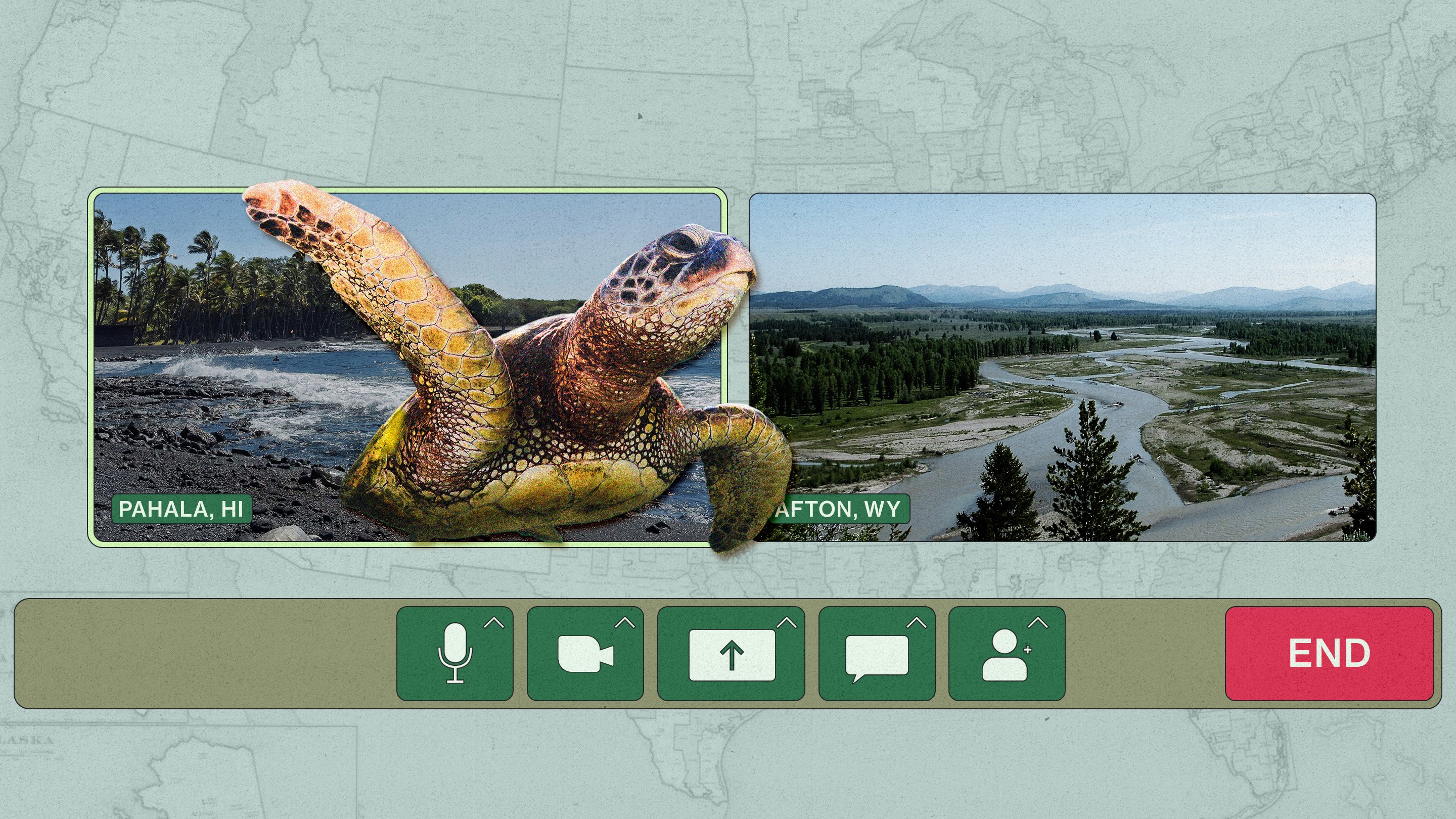
A high school virtual exchange program is a structured learning experience that connects teenagers in different countries or communities through digital tools. Unlike a one-time guest speaker or a casual video chat, a true virtual exchange unfolds over several weeks or months. Students communicate regularly, investigate a shared topic, complete collaborative tasks, and reflect on what they are learning about both the subject and one another.
The format can be synchronous, asynchronous, orusually besta mixture of both. Live sessions create energy and human connection. Discussion boards, shared documents, recorded videos, digital portfolios, and voice messages give students time to think, translate, revise, and participate despite time-zone differences. In other words, nobody has to attend algebra at 3:00 a.m. just to make international friendship happen.
Programs may focus on language learning, science, environmental sustainability, history, entrepreneurship, art, journalism, or civic engagement. Some established models pair U.S. classrooms with peers abroad to develop STEM solutions, design mobile applications around global challenges, practice less commonly taught languages, or produce stories about local culture. The subject varies, but the educational core remains the same: students learn with the world, not merely about it.
Why Virtual Exchange Matters in High School
It Makes Global Learning More Accessible
Traditional study abroad can be transformative, but travel costs, family responsibilities, health needs, school schedules, and visa requirements put it beyond the reach of many teenagers. Virtual exchange does not replace living in another country, yet it opens an international learning experience to far more students. A rural school, an underfunded district, or a student who cannot travel can still join a sustained cross-cultural partnership.
It Builds Global Competence
Global competence is not the ability to name every capital city before breakfast. It involves investigating the world, recognizing multiple perspectives, communicating across differences, and taking informed action. A virtual exchange gives teenagers repeated practice in all four areas.
Students quickly discover that a classmate abroad is not a spokesperson for an entire nation. They also notice that people with different traditions may share similar worries about exams, family expectations, climate change, music, or the tragic mystery of why group projects always have one person who disappears until presentation day. These interactions can replace vague stereotypes with specific human relationships.
It Strengthens College and Career Skills
Modern workplaces routinely use remote teams, shared digital platforms, video meetings, and written communication across cultures and time zones. Virtual exchange lets students rehearse those conditions while teachers are still nearby to help. Participants must clarify meaning, manage deadlines, divide responsibilities, give useful feedback, and recover when technology or communication fails.
What a Strong Program Looks Like
A Shared Purpose, Not Just a Shared Screen
The strongest high school virtual exchange programs organize interaction around a meaningful challenge. Students might compare local water use, document migration stories, analyze how social media shapes identity, create bilingual public-service announcements, or design low-cost solutions for community needs. A final product gives the partnership direction and makes each meeting feel necessary.
The project should connect to the curriculum on both sides. A U.S. environmental science class and a partner class in another country may study different ecosystems, but both can investigate pollution, collect local data, and recommend action. Shared goals create equality: neither classroom is the “expert country” visiting the “learner country.” Everyone brings knowledge, questions, and limitations.
Intentional Relationship Building
Students collaborate better after they see one another as people rather than tiny rectangles with unstable Wi-Fi. Early activities should focus on identity, school life, neighborhoods, interests, and everyday routines. Teachers can use digital postcards, photo essays, playlists, short “day in my life” videos, or paired interviews.
Both Live and Asynchronous Communication
Live video creates memorable moments, but scheduling should not become the program’s villain. Time zones, school calendars, holidays, bandwidth, and weather can all interfere. A resilient program uses live meetings for dialogue, celebration, and collaborative decisions while reserving research, drafting, peer review, and reflection for asynchronous platforms.
Asynchronous participation also supports students who are shy, learning another language, or processing information more slowly. They can rehearse, revise, add captions, or respond through audio instead of being judged by whoever speaks fastest. Equity sometimes looks like giving everyone a microphone; sometimes it looks like giving everyone another day.
Trained Teachers and Clear Facilitation
Virtual exchange requires more than sending a meeting link and hoping for diplomacy. Partner teachers should agree on learning goals, communication norms, grading, deadlines, technology, and how they will respond to sensitive moments. They should test tools in advance and establish backup options.
How Schools Can Design the Program Step by Step
1. Define Measurable Learning Outcomes
Begin with what students should know or be able to do. Outcomes might include conducting a cross-cultural interview, explaining multiple perspectives on an issue, using a target language in authentic conversation, collaborating on a digital product, or demonstrating responsible online communication. Clear outcomes prevent the exchange from becoming an enjoyable but academically mysterious side quest.
2. Choose the Right Partner and Platform
Schools can work through established exchange organizations or develop a direct partnership. Compatibility matters more than finding an exotic location. Teachers should compare student ages, language levels, class size, academic calendars, available devices, Internet reliability, and weekly time commitments.
Technology should be selected according to the school district’s approved tools and student privacy requirements. A secure learning platform, moderated discussion area, shared workspace, and reliable video service are usually enough. The fanciest app in the digital toy box is not automatically the best one.
3. Prepare Students Before Introductions
Students need a short orientation on intercultural communication, online safety, respectful questioning, and stereotypes. They should understand that humor, silence, eye contact, turn-taking, and directness can carry different meanings. Teachers can practice with sample messages and ask students to identify language that sounds curious, judgmental, vague, or unintentionally rude.
Preparation should also cover practical etiquette: use names correctly, avoid interrupting, explain local slang, verify meaning before reacting, and never share private contact information without permission. A written community agreement makes expectations visible.
4. Move From Low-Risk Sharing to Deeper Collaboration
A useful sequence begins with introductions, advances to comparison, and then moves into joint problem-solving. Students might first share school-day snapshots, next compare transportation or food systems, and finally design a proposal for making their communities more sustainable.
5. Assess the Process as Well as the Product
A polished final presentation does not reveal whether one student did all the work or whether partners learned to communicate across differences. Assessment should include collaboration, reflection, perspective taking, reliability, research quality, and digital citizenship.
Common Challengesand Practical Solutions
Technology Gaps
Unequal access to devices or stable Internet can quietly exclude students. Schools should offer shared devices, downloadable materials, low-bandwidth options, flexible deadlines, and school-based work time. Important tasks should never depend on one live session. Recordings may help, but schools must first consider consent, storage, access, and student privacy.
Uneven Participation
Some students dominate while others retreat. Assigning rotating rolesfacilitator, researcher, recorder, translator, designer, or timekeepermakes participation concrete. Small mixed-school teams are often more effective than two entire classes shouting greetings into one heroic laptop.
Language Differences
Language gaps can become a strength when the program values communication rather than perfection. Sentence starters, vocabulary lists, captions, translation tools, visual explanations, and extra response time reduce anxiety. Students should learn that asking “Could you explain that another way?” is a skill, not an admission of defeat.
Cultural Misunderstandings
A joke may fall flat, a question may feel intrusive, or a student may generalize. Teachers should address the moment without public shaming. A simple protocol works well: pause, describe what was heard, ask what was intended, invite perspectives, and agree on a better way to communicate. The goal is not a conflict-free exchange. The goal is learning how to move through conflict with care.
Examples of Virtual Exchange Models
Schools do not have to invent every element from scratch. U.S.-based organizations have developed models that illustrate different possibilities. The Stevens Initiative supports structured virtual exchange and educator training. IREX has connected middle and high school students in binational STEM and community problem-solving teams. iEARN-USA organizes standards-aligned global projects in a moderated collaboration environment.
Experience: What a Semester-Long Virtual Exchange Can Feel Like
The following composite experience reflects common features reported across real virtual exchange models. Imagine two high school classes, one in the United States and one abroad, beginning an eight-week project on food waste. On the first day, the students are excited, nervous, and suddenly fascinated by the “mute” button. The opening meeting is not profound. They share names, favorite foods, school schedules, and music. One student tries local slang that makes absolutely no sense to anyone else. That confusion becomes the first shared joke.
During the next week, students post short videos showing where food is served at school and what happens to leftovers. The U.S. students expect dramatic cultural differences, but the biggest surprise is how many complaints are universal: short lunch periods, mysterious cafeteria vegetables, and adults who believe teenagers can organize themselves into groups without a seating chart.
Then the project becomes more serious. Mixed teams gather data at home and school, compare local habits, and interview cafeteria staff or family members. The students discover that “waste” does not mean exactly the same thing in every setting. In one community, the main issue is oversized portions. In another, limited refrigeration shapes shopping habits. A proposed solution that seems obvious to one group is impractical for the other. The teenagers must stop designing for their partners and start designing with them.
The hardest week involves silence. Messages go unanswered because one school has exams and the other has a holiday. A team assumes its partners have lost interest. The teachers step in, but instead of fixing everything, they ask students to create a communication plan. The group agrees on response windows, backup contacts, simpler task lists, and a shared progress board. That minor crisis teaches more about remote teamwork than a perfect video call ever could.
Language also changes the experience. Students who are usually quiet become valuable because they write clearly, edit captions, or notice when an idiom will confuse someone. A confident speaker learns to slow down. Another student uses sketches and diagrams when words fail. The exchange reveals that communication is not a performance by the fastest English speaker; it is a team responsibility.
For the final project, each group creates a locally adaptable food-waste campaign rather than one universal solution. The teams present posters, short videos, data visualizations, and action plans. Their products are not flawless. One chart has labels small enough to require a magnifying glass, and a video transition looks like it escaped from 2007. Still, the work feels authentic because real peers helped shape it.
At the closing meeting, students reflect on what changed. Many mention practical skills: writing clearer messages, meeting deadlines, sharing files, or speaking to an unfamiliar audience. Others describe a subtler shift. The partner country no longer feels like a chapter in a textbook. It now contains specific people with voices, humor, pressures, opinions, and inconvenient exam calendars.
That may be the most powerful experience a high school virtual exchange program can offer. It does not erase differences or turn every participant into an instant global ambassador. Instead, it gives students repeated opportunities to be curious, make mistakes, repair misunderstandings, contribute useful work, and recognize another person as a collaborator. The screen remains a screen, but the relationship becomes real.
Conclusion: A Classroom Without Borders Still Needs Good Teaching
A high school virtual exchange program can expand access to international learning, strengthen global competence, and prepare students for digital teamwork. Its success, however, depends less on flashy technology than on thoughtful design. Clear goals, trusted partnerships, purposeful projects, student preparation, inclusive participation, skilled facilitation, privacy safeguards, and reflection turn online contact into genuine exchange.
When those pieces are in place, teenagers do not simply collect facts about another country. They learn to ask better questions, test assumptions, negotiate meaning, and build something with people whose experiences differ from their own. That is valuable preparation for college, work, citizenship, and a world where the next teammate may be several time zones away.