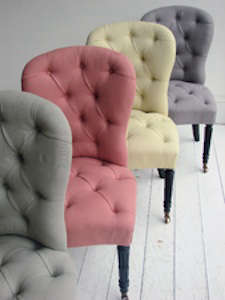
Some fabrics enter a room quietly. Others arrive wearing sequins and demanding a spotlight. Neisha vas belongs to the first group: composed, colorful, and confident enough not to shout across the living room.
Originally featured in 2010, the Plains One Cotton Canvas collection introduced a refined range of solid cotton canvas colors by British textile and surface-pattern designer Neisha Crosland. The palette included nuanced shades such as Buttermilk, Bright Coral, Duck Egg Gray, and Dusty Lemoncolors that sound charmingly like a small-town paint chart with excellent manners. At the time, the collection was available in the United States through Stark showrooms.
Today, Plains One should be viewed as an archival fabric collection rather than assumed to be readily available by the yard. Crosland’s current portfolio focuses on other fabric lines, bespoke orders, and collaborations, so buyers should verify stock, colorways, and technical specifications directly with an authorized showroom before designing an entire room around a swatch the size of a postcard.
Still, the appeal of Neisha Crosland Plains One Cotton Canvas remains easy to understand. It represents a lesson in how a plain fabric can carry serious decorative weight. A well-chosen solid is not the boring cousin of pattern. It is often the calm, stylish adult in the room who keeps the florals, stripes, antiques, and enthusiastic throw pillows from starting a small rebellion.
What Made Plains One Cotton Canvas Special?
Plains One Cotton Canvas was built around a deceptively simple idea: offer cotton canvas in colors with depth, softness, and decorative intelligence. Rather than relying on flat primary colors or generic neutrals, the collection leaned into shades that felt gently aged, slightly weathered, and easy to combine with both traditional and modern interiors.
Buttermilk was warmer than basic white. Bright Coral offered energy without becoming fluorescent. Duck Egg Gray sat comfortably between blue, gray, and green, which is exactly the sort of color that makes decorators happy and paint-store employees reach for additional sample cards. Dusty Lemon brought a faded, sunny note that could brighten a room without turning it into a breakfast cereal commercial.
The collection reflected Crosland’s larger approach to design. She is known for considered repeats, florals, geometric forms, unusual color relationships, and work across textiles, wallpaper, tiles, and other decorative surfaces. Her work has been recognized by the Royal Society of Arts, and examples are held by the Victoria and Albert Museum and the Museum of the Home.
That design background matters even in a plain fabric collection. A solid fabric may not have a visible repeat pattern, but color itself has rhythm. The difference between ordinary beige and a complex buttermilk tone can determine whether a room feels generic or quietly collected over time.
Why Cotton Canvas Works So Well in Interiors
Cotton canvas is one of those rare materials that can feel both hardworking and handsome. It has a tight weave, a crisp hand, and enough structure to make furniture, cushions, drapery, and accessories look intentional. It does not slump around like it forgot its lines in the school play.
Canvas is often used for upholstery, pillows, slipcovers, drapery, tote bags, table linens, and decorative accessories because its woven structure gives it durability and visual substance. Cotton duck, a closely related canvas fabric, is especially valued for furniture upholstery and window treatments because it is medium to heavy in weight and available in a broad range of colors.
For interiors, cotton canvas offers a useful middle ground. It is more substantial than lightweight quilting cotton, less formal than silk or damask, and generally more relaxed than velvet. It works beautifully in homes that want to feel designed but lived inthe kind of place where the books are stacked neatly enough for guests but not so neatly that everyone suspects they are decorative props.
Strength Without Stiffness
A quality cotton canvas can hold its shape well on seat cushions, chair pads, boxy pillows, upholstered benches, and tailored valances. It is also forgiving for many sewing projects because it does not slide around as dramatically as silk or lightweight rayon. For beginners, that alone is practically a public service.
However, not every cotton canvas is automatically suitable for every sofa, dining chair, or high-traffic family-room ottoman. Upholstery performance depends on the fabric’s weave, finish, abrasion rating, backing, and intended use. Better Homes & Gardens notes that cotton resists wear, fading, and pilling reasonably well, while canvas and duck weaves are among the more casual and durable cotton options for furniture.
Color That Feels More Layered Than Flat
The real charm of the Plains One palette lies in its ability to work as a supporting color or a focal point. A sophisticated solid fabric can make patterned wallpaper feel more expensive, antique wood look warmer, and modern furniture feel less severe. It can also provide visual breathing room in a room full of prints.
For example, a Duck Egg Gray cotton canvas cushion could balance warm oak furniture and brass lighting. Buttermilk upholstery could soften dark-painted walls or a black-framed bed. Dusty Lemon could brighten a breakfast nook without making the space feel like a lemon-themed diner from a movie set. Bright Coral could bring warmth to a neutral bedroom, especially when paired with faded blue, olive, tobacco, or natural linen.
How to Use Neisha Crosland-Inspired Cotton Canvas at Home
Whether you locate original Plains One yardage through a showroom, find deadstock from a reputable source, or simply want to recreate the look with a similar cotton canvas, the key is to treat the fabric as a design tool rather than a default filler.
1. Upholster a Single Statement Piece
One upholstered chair in a refined cotton canvas can change the mood of a room without requiring a full renovation. Consider a vintage slipper chair in Bright Coral, a compact reading chair in Duck Egg Gray, or a dining bench in Buttermilk. The fabric’s matte surface lets the furniture shape remain visible, which is ideal for pieces with attractive lines, turned legs, or carved wood details.
For a large family sofa, ask for the fabric’s abrasion rating and cleaning code before committing. Cotton canvas can be a durable option, but highly active households with pets, toddlers, spaghetti nights, or all three may benefit from a stain-resistant treatment, a performance blend, or removable slipcovers. A beautiful fabric should be enjoyed, not guarded like a museum artifact behind velvet rope.
2. Make Tailored Pillows and Cushions
Cotton canvas is particularly effective for pillows because it adds structure without looking overly formal. A pair of 22-inch square pillows in Dusty Lemon can lift a charcoal sofa. Lumbar pillows in Buttermilk can soften a leather chair. Bright Coral piping on neutral cushions can provide just enough color to make guests think you have a secret decorator, even if your actual process involved caffeine and a late-night online fabric search.
Use contrast trims, covered buttons, flange edges, or self-welting to make a solid fabric feel more custom. Solids are ideal for these details because the construction remains visible rather than disappearing into a busy print.
3. Create Relaxed Window Treatments
Medium-weight cotton canvas can work beautifully for simple curtain panels, café curtains, Roman shades, and tailored valances. The fabric has enough body to hang with presence while still feeling informal. It is especially useful in kitchens, mudrooms, breakfast areas, children’s rooms, and casual bedrooms.
In a sun-filled room, consider lining the panels to protect the color and improve drape. Cotton can fade over time in strong direct sunlight, so a lining is not merely a fancy extra; it is a sensible insurance policy for fabric that has better things to do than become a pale memory of itself.
4. Use It for Small, High-Impact Projects
A few yards of cotton canvas can go surprisingly far. Try fabric-covered bulletin boards, dining chair seats, bed skirts, table runners, ottoman covers, headboard panels, laundry bags, soft storage bins, or lined baskets. Canvas is structured enough to make practical projects look polished, which is useful when the goal is “organized home” rather than “the closet finally gave up.”
Styling Ideas for the Plains One Color Palette
Buttermilk: The Soft Neutral
Buttermilk is more forgiving than stark white and warmer than icy cream. Pair it with natural oak, brushed brass, pale terracotta, faded blue, warm gray, or dark green. It works especially well in bedrooms and living rooms where a crisp white can feel too sharp or too dependent on perfect lighting.
Bright Coral: The Friendly Accent
Bright Coral works best when it has room to breathe. Use it on a chair, accent pillows, or a small bench rather than covering every surface in the room. Pair it with navy, olive, chocolate brown, pale blue, natural linen, or black accents for contrast. Coral is cheerful, but it does not need to become the room’s entire personality.
Duck Egg Gray: The Decorator’s Peace Treaty
Duck Egg Gray bridges warm and cool tones, making it unusually flexible. It can sit beside antique brass, silver, black, natural wood, walnut, or painted furniture. This is a wonderful option for a guest room, dining chairs, or bedroom upholstery because it feels peaceful without becoming bland.
Dusty Lemon: The Gentle Wake-Up Call
Dusty Lemon offers optimism with a little restraint. It can add warmth to gray rooms, freshen dark wood, and look unexpectedly elegant with blue, sage, rust, or burgundy. Think of it as yellow after it has read a few design magazines and learned not to yell.
Care Tips for Cotton Canvas
Always follow the manufacturer’s care instructions for the exact fabric you purchase, especially when dealing with an older designer textile, showroom sample, or upholstery-grade material. Construction, dye method, finishes, and backing can change the correct cleaning method significantly.
For many cotton canvas items, regular vacuuming with a soft upholstery attachment helps prevent dust from settling into the weave. For small spills, blot promptly with a clean white cloth rather than rubbing. Rubbing can spread the stain, push it deeper into the fibers, and turn a tiny accident into an abstract expressionist painting.
General cotton canvas guidance often recommends gentle spot cleaning for minor marks. Some washable canvas fabrics can be machine washed in cool water on a delicate cycle, but pre-washing is important for sewing projects because cotton canvas may shrink. Spoonflower, for example, recommends pre-washing cotton canvas and notes that woven fabrics can fray at cut edges; its cotton canvas care guidance includes cool, gentle washing and low-temperature drying for suitable fabrics.
For upholstery, avoid assuming that removable means machine washable. Check the cleaning code and test any cleaner in a hidden area first. Cotton canvas is not inherently waterproof, although a tight weave can offer some water resistance. Outdoor furniture requires a fabric specifically engineered for moisture, UV exposure, mildew resistance, and repeated weather changes.
Finding Original or Similar Fabric Today
Because Neisha Crosland Plains One Cotton Canvas is an archival collection, sourcing may require patience. Contact authorized design showrooms, fabric dealers, trade resources, upholsterers, or vintage textile specialists. Ask for a current memo sample before ordering yardage, and confirm the exact color, width, fiber content, repeat information if applicable, cleaning code, and stock availability.
If the original cannot be found, look for a similar solid cotton canvas with a subtly muted palette. Search terms such as designer cotton canvas, upholstery-grade cotton duck, muted coral canvas, duck egg blue-gray fabric, or buttermilk upholstery fabric can help narrow the field. The goal is not to find a copy. The goal is to capture the same decorative spirit: useful material, nuanced color, and a room that feels assembled rather than purchased in one dramatic afternoon.
Experience-Based Decorating Notes: Living With Cotton Canvas
The following is a composite decorating scenario based on common cotton-canvas projects and practical textile guidance, rather than a claim of personal ownership of the original Plains One collection.
Imagine starting with one small upholstered bench in a softly faded yellow canvas. At first, it may seem like a modest choicealmost too modest. It is not a patterned sofa, a sculptural chandelier, or a wallpaper that announces itself from the driveway. But after a few weeks, the bench begins doing the quiet work that good fabric does best. It warms the entryway. It makes a dark wood console feel less serious. It gives a pile of books, a ceramic bowl, and a slightly neglected houseplant something to rally around.
That is the pleasure of a sophisticated cotton canvas: it adapts. A dusty yellow bench can look cheerful with summer flowers, cozy with autumn foliage, and surprisingly elegant beside evergreen branches in winter. It does not demand a new decorating scheme every season. It simply changes partners and keeps dancing.
Canvas also has a practical emotional advantage. It does not feel too precious to use. A pillow made from a refined cotton canvas can be leaned against, moved to another chair, placed on the floor during movie night, and recovered after someone decides that red sauce belongs near the sofa. Its texture feels grounded and approachable. Unlike a delicate silk cushion, it does not give off the energy of “please admire me from three feet away.”
In a dining room, cotton canvas seat covers can make older chairs feel newly relevant. A set of plain wood chairs may look formal or tired until the seats are reupholstered in a nuanced color such as duck egg gray or buttermilk. Suddenly, the chairs feel lighter. The room becomes less like a place reserved for holiday meals and more like somewhere you might actually sit with coffee, paperwork, and a cookie that was meant to be one cookie but became four.
For sewing projects, cotton canvas provides a sense of satisfaction because it behaves with purpose. It presses neatly, holds a crease, and gives shape to boxed cushions, tote bags, storage bins, and tailored pillows. It can be bulky in multiple layers, so using an appropriate needle and slowing down around seams helps prevent frustration. Canvas is sturdy, but sewing machines still appreciate being treated like partners rather than competitive power tools.
The most useful lesson from a collection like Neisha Crosland Plains One Cotton Canvas is that color does not need to be loud to be memorable. A slightly softened coral, a warm creamy neutral, or a blue-gray with green undertones can become the thread that connects a whole interior. It may begin as one fabric sample on a table. Then it becomes a cushion, a chair seat, a curtain panel, a bench, and eventually the answer to why a room suddenly feels settled.
Note: Plains One Cotton Canvas is discussed here as an archival collection. Confirm current availability, color accuracy, and performance specifications directly with an authorized textile showroom before placing an order.
Conclusion
Neisha Crosland Plains One Cotton Canvas proves that plain fabric does not have to be plain in spirit. Its appeal lies in the relationship between color, texture, and usefulness: a cotton canvas with enough body for real life and enough subtlety for thoughtful interiors. Whether you discover original yardage or select a contemporary fabric with the same mood, the design lesson remains the same. Choose colors with depth, let texture do some of the talking, and remember that the best fabrics often make a room feel finished without making a fuss about it.