Protein has officially become the celebrity of the nutrition world. It’s in shakes, bars, chips, cookies, cereal, coffee, and probably hiding in someone’s “healthy” brownie recipe right now. Scroll social media for five minutes and you’ll see a parade of people treating protein like it’s a magic button for energy, muscle, fullness, and general life success. It’s important, yes. It is not wizard dust.
If you’re trying to eat more protein, the goal should not be to turn every snack into a chemistry experiment. The goal is to support your body in a way that actually makes sense: enough protein, from smart sources, spread across the day, without bulldozing fiber, carbohydrates, healthy fats, and every vegetable that ever loved you.
Experts tend to agree on a few big ideas. Protein matters for building and repairing tissue, helping maintain muscle, supporting immune function, and keeping meals satisfying. But needs vary by age, activity level, health status, and overall calorie intake. That means there is no universal “everyone must eat a mountain of chicken breast” rule. In fact, one of the biggest mistakes people make is assuming that if some protein is good, a heroic amount must be better.
Why Protein Matters in the First Place
Before we talk mistakes, let’s give protein the credit it deserves. Protein is one of the three major macronutrients, along with carbohydrates and fat. It helps build muscle, repair tissues, make enzymes and hormones, and support basic body functions. It also tends to make meals more filling, which is one reason people gravitate toward it.
But protein does not work alone. Your body also needs carbohydrates for energy, fiber for gut and heart health, and fats for hormone function and nutrient absorption. A smart eating pattern is more orchestra than solo act. Protein is an important instrument. It is not the entire concert.
Mistake #1: Thinking More Protein Is Always Better
This is probably the most common mistake experts see. People hear that protein helps with fullness or muscle maintenance, so they immediately decide that every meal must resemble a bodybuilder’s picnic. Suddenly breakfast has 40 grams, the afternoon snack is a double scoop shake, and dinner looks like a steak auditioning for a movie role.
The problem is that protein needs are personal. Some people need more than others, especially athletes, highly active people, and many older adults who are trying to maintain muscle. But that does not mean endless extra protein automatically creates extra benefits. Once your body’s needs are met, more is not necessarily useful. Sometimes it just adds calories, pushes out other nutrients, or leads to a diet heavy in saturated fat if the main sources are fatty meats and processed foods.
A better approach is to aim for enough protein for your body and your lifestyle, not enough protein to impress the internet.
Mistake #2: Chasing Protein While Ignoring Food Quality
Another classic error: picking foods based only on the protein number on the package. Yes, a food may have 20 grams of protein. It may also come with a side of excess sodium, saturated fat, added sugar, or a paragraph-long ingredient list that reads like a lab inventory.
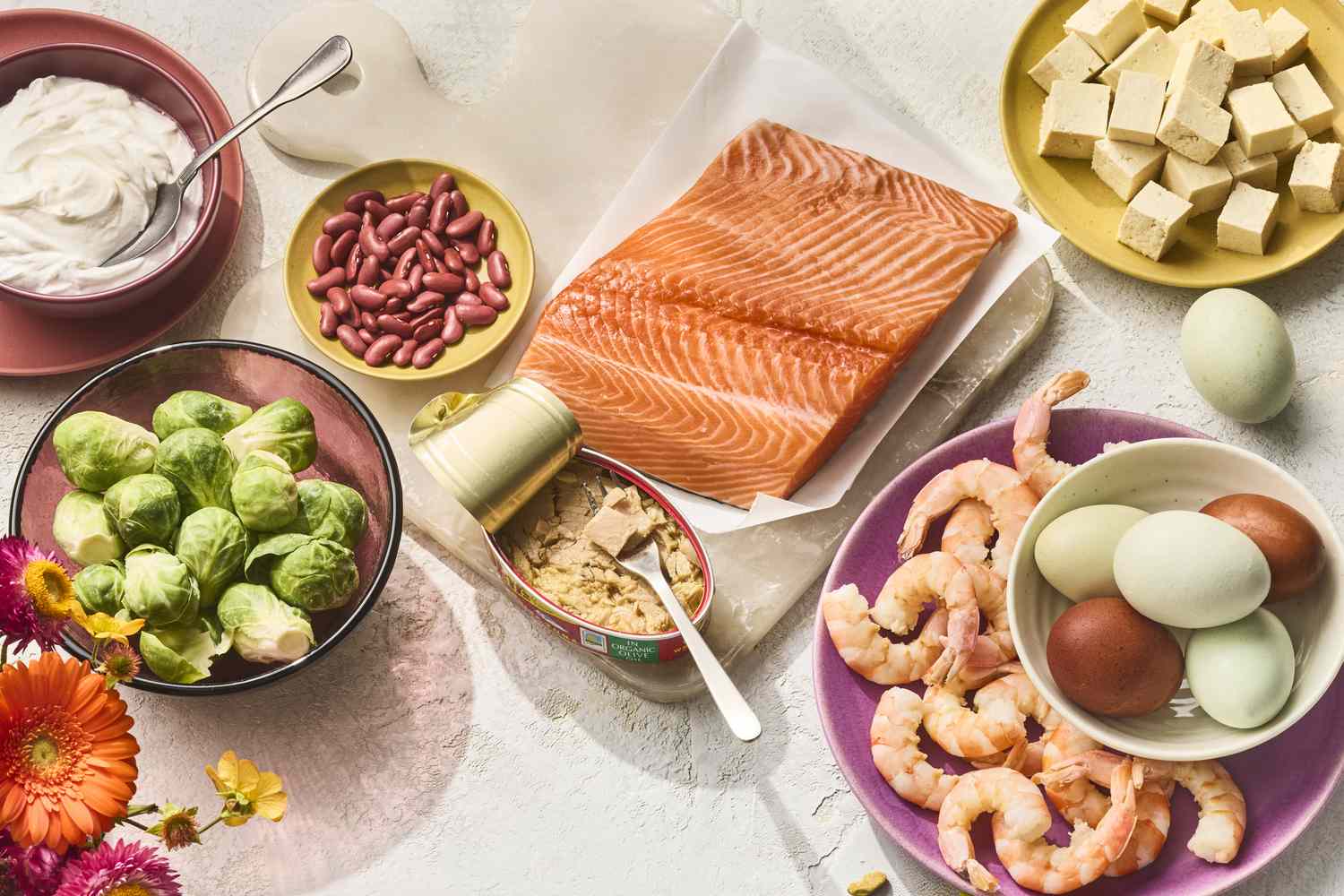
Experts consistently point out that the source of protein matters. Lean poultry, fish, beans, lentils, yogurt, eggs, tofu, tempeh, nuts, seeds, and low-fat dairy can all fit into a healthy eating pattern. On the other hand, relying heavily on processed meats, oversized burgers, fried chicken sandwiches, and “protein desserts” can turn a good intention into a nutritional plot twist.
If your high-protein plan mostly consists of bacon, sausage, jerky, and bars that taste like sweetened drywall, it may be time for a reset.
Mistake #3: Forgetting That Plant Proteins Count
Some people act like protein only lives in chicken, eggs, and tubs with lightning bolts on the label. Experts would like to gently, respectfully, and repeatedly disagree.
Beans, peas, lentils, soy foods, nuts, seeds, and even some whole grains contribute meaningful protein. They also bring extras that animal foods often do not, including fiber and a different nutrient profile. This matters because many healthy eating patterns emphasize variety, including more plant-based protein sources and fewer processed meats.
No, you do not have to become a tofu poet overnight. But adding black beans to tacos, edamame to a snack plate, lentils to soup, peanut butter to toast, or tofu to a stir-fry is a smart way to increase protein without making your plate one-note.
Mistake #4: Treating Protein Powder Like a Food Group
Protein powder can be convenient. It can also become the nutritional equivalent of using duct tape for every home repair. Helpful sometimes? Sure. Best solution for everything? Absolutely not.
Experts often recommend getting most protein from food first. Whole foods usually come packaged with vitamins, minerals, fiber, and better staying power. A Greek yogurt bowl with fruit and nuts or a turkey-and-hummus sandwich brings more to the table than a liquid meal that disappears in six gulps and leaves you hungry an hour later.
Supplements can make sense in certain situations, such as busy schedules, increased needs, poor appetite, or difficulty meeting goals through food alone. But using shakes to replace regular meals, stacking multiple scoops a day, or assuming every supplement is automatically healthy can backfire. Some products can add a lot of sugar, calories, or ingredients you never intended to buy in the first place.
Mistake #5: Loading Up on Protein but Skimping on Fiber and Carbs
Here is where many high-protein plans go sideways. In an attempt to eat more protein, people start trimming away foods that help make a diet balanced and sustainable. Out go fruit, beans, oats, whole grains, and starchy vegetables. In comes a sad little pile of meat next to three spinach leaves pretending to be dinner.
That is not balance. That is a plate having an identity crisis.
Carbohydrates help fuel your brain and muscles. Fiber supports fullness, digestion, heart health, and blood sugar management. When you cut them too aggressively in the name of protein, meals often become less satisfying and harder to maintain. Experts usually steer people toward meals that combine protein with produce, fiber-rich carbs, and healthy fats instead of forcing a cage match between nutrients.
Think grilled salmon with brown rice and vegetables. Cottage cheese with berries and walnuts. A burrito bowl with beans, chicken, salsa, avocado, and rice. Protein works best when it has friends.
Mistake #6: Saving All Your Protein for Dinner
Lots of people eat very little protein at breakfast, a tiny amount at lunch, and then try to “catch up” at dinner with half a rotisserie chicken and a look of determination. Experts often recommend spreading protein more evenly across the day instead.
Why? Because including protein at meals and some snacks may help with fullness, support muscle maintenance, and make overall intake easier to reach without turning one meal into a competitive eating event. This can be especially helpful for older adults, active people, and anyone trying to build more structure into their routine.
Breakfast is a common weak spot. Toast alone is fine if you enjoy it, but pairing it with eggs, yogurt, milk, cottage cheese, nut butter, or tofu can make breakfast more satisfying. Lunch matters too. If lunch is only lettuce and wishful thinking, the 4 p.m. snack attack will probably arrive with dramatic energy.
Mistake #7: Not Reading Serving Sizes and Labels
The front of the package loves to shout. “High protein!” “Packed with protein!” “Protein-powered!” Wonderful. Now turn the package around like the responsible main character you are and read the label.
Many foods marketed as protein-rich contain less protein than people assume once serving size enters the chat. Others may have decent protein but also lots of sodium, added sugar, or saturated fat. The Nutrition Facts label helps you compare products and see what you are actually getting per serving instead of what the marketing department hopes you feel.
This matters with bars, cereals, yogurt drinks, frozen meals, and snack foods in particular. A “protein snack” is not automatically a smart daily staple just because the word “protein” is printed in bold.
Mistake #8: Assuming Protein Alone Builds Muscle
Protein is important for muscle repair and maintenance, but experts are quick to remind people that muscle is not built by eating more protein while sitting very still and admiring your blender bottle. Physical activity matters, especially strength training.
If your goal is to support muscle, protein helps most when paired with enough total calories, regular movement, and a reasonable eating pattern overall. That means a higher-protein diet cannot completely rescue a routine that includes poor sleep, erratic meals, and zero resistance exercise. Protein helps. It does not perform miracles while you scroll.
Mistake #9: Following Someone Else’s Numbers
One fitness influencer swears by 180 grams a day. Your cousin says she eats protein every two hours. A friend at school says carbs are the enemy and only shakes matter. Nutrition advice gets weird fast when it travels through group chats.
Your protein needs depend on age, body size, activity, goals, and health conditions. Some people also need special guidance because of kidney disease, a history of kidney stones, digestive issues, or medical treatments that affect appetite and nutrition needs. Using someone else’s plan can leave you eating too much, too little, or simply in a way that does not fit your life.
If you have a medical condition or want a more personalized target, a doctor or registered dietitian is the right person to ask. Your body deserves better than outsourced nutrition math.
What Experts Usually Recommend Instead
When professionals talk about protein, the advice is usually far less dramatic and much more useful. Instead of turning meals into protein delivery systems, they often suggest building balanced plates and including a protein source regularly throughout the day.
Simple ways to do that:
- Start breakfast with eggs, Greek yogurt, cottage cheese, milk, fortified soy milk, or nut butter.
- Use beans, lentils, tofu, tuna, chicken, or turkey to make lunch more satisfying.
- Choose snacks that pair protein with fiber, such as yogurt and fruit, hummus and vegetables, or nuts and an apple.
- At dinner, keep portions realistic and round out the meal with vegetables, whole grains, and healthy fats.
- Rotate your protein sources so your routine includes seafood, legumes, soy foods, eggs, dairy, nuts, seeds, and lean meats instead of relying on one food all week.
This approach is practical, nutritious, and a lot more enjoyable than living on chicken, bars, and regret.
on Real-Life Experiences With Protein Mistakes
What do these mistakes actually look like in real life? Usually, they do not begin with bad intentions. They begin with enthusiasm. Someone decides they want to feel fuller, support workouts, or simply eat a little better. They hear “eat more protein” and take it as a direct order from the universe. Then things get weird.
One common experience is the all-shake phase. A person replaces breakfast with a shake, drinks another after a workout, grabs a protein bar between classes or meetings, and ends the day with a giant dinner because they were never truly satisfied. On paper, protein intake looks impressive. In real life, they feel snacky, underwhelmed, and oddly tired of vanilla flavor. The problem was not protein itself. The problem was relying on liquid convenience foods while missing the staying power of real meals.
Another frequent experience is the chicken-and-nothing-else routine. This person gets so focused on protein that every plate becomes a lean meat performance. The vegetables shrink. Whole grains disappear. Beans are ignored. Fruit is treated like a suspicious outsider. After a while, meals become boring, digestion may suffer, and eating starts to feel more like homework than nourishment. Experts see this often because “more protein” gets translated into “less everything else.”
Then there is the label-chaser experience. This person buys any product stamped with “20 grams of protein,” assuming it must be healthy. Sometimes that works out fine. Sometimes it means paying premium prices for highly processed snacks with lots of sodium, sugar alcohols, or saturated fat. People are often surprised to learn that a simple bowl of yogurt with berries and nuts, or toast with peanut butter and milk, can do the job just as well and taste far less like edible packaging foam.
Experts also see people who save all their protein for dinner. Breakfast is coffee and a pastry. Lunch is a salad with approximately three chickpeas. By evening, hunger arrives like a marching band. Dinner becomes enormous, and the person wonders why they felt off all day. Once they start adding protein earlier, many describe feeling more steady, less ravenous, and less likely to overcorrect at night.
There is also the gym mythology experience, where someone believes more scoops automatically equal more muscle. But after weeks of powder, they realize that without regular strength training, enough sleep, and balanced meals, nothing magical happened. The shaker bottle was loyal. Biology was unmoved.
The good news is that people usually feel better when they simplify. They stop trying to “win” protein and instead build meals that are balanced, realistic, and enjoyable. They add eggs to breakfast, beans to lunch, yogurt to snacks, fish or tofu to dinner, and keep fruits, vegetables, and whole grains in the picture. The result is often not just better protein intake, but better eating overall. And that, frankly, is a much nicer ending than becoming emotionally dependent on protein brownies.
The Bottom Line
If you are trying to eat more protein, the smartest move is not to eat the most protein humanly possible. It is to eat enough protein from a variety of quality sources while keeping your overall diet balanced and realistic.
Experts see the same mistakes again and again: going overboard, relying too much on supplements, ignoring plant proteins, forgetting fiber and carbs, packing all protein into one meal, and choosing foods based on marketing instead of nutrition. The fix is not extreme. It is steady, flexible, and refreshingly unglamorous.
Build meals with protein, yes. But also include color, fiber, healthy fats, and foods you genuinely enjoy. That is the kind of eating pattern that supports your health for the long haul. And unlike a chalky protein cookie, it is actually pleasant to live with.