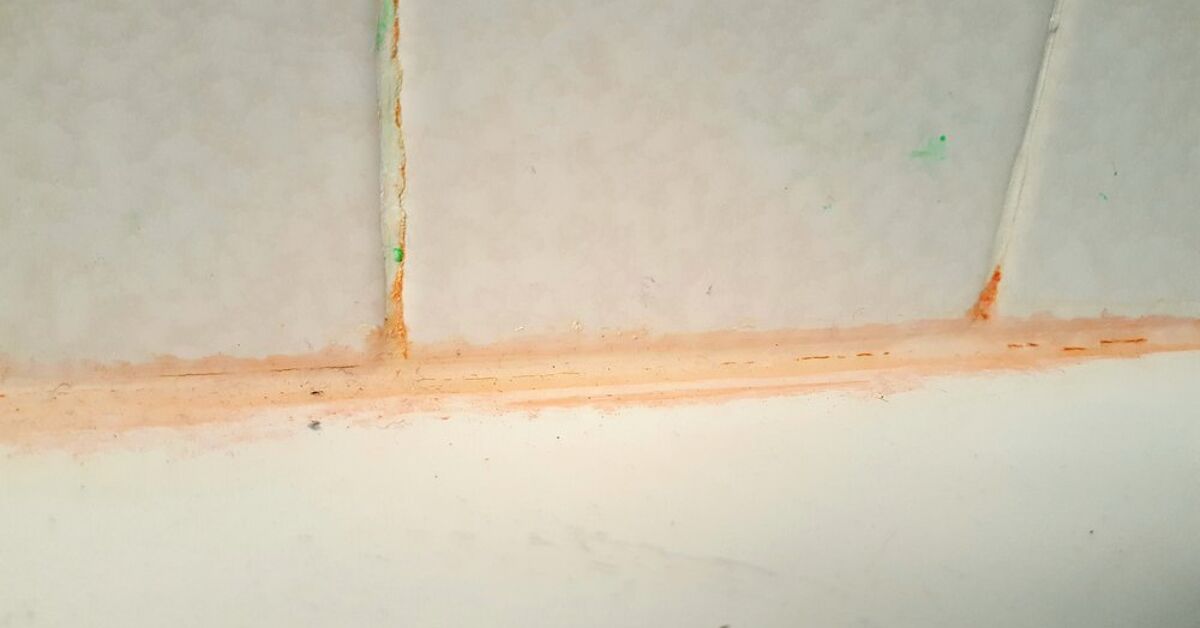
Pink “mold” in your shower is the uninvited houseguest that shows up, eats your soap scum, and refuses to leave. The good news: you can absolutely kick it out. The better news: you can keep it from moving back in with a few simple habits that don’t require a chemistry degree or a weekend-long scrubbing marathon.
This guide walks you through what that pink slime really is, how to remove it safely (tile, grout, caulk, curtains, drainsthe whole squad), and the prevention routine that stops the comeback tour. Let’s make your shower boring againin the best possible way.
What “Pink Mold” Really Is (Spoiler: It’s Not Mold)
Despite the name, the pink film you see in showers is usually not a fungus. It’s commonly a bacterial biofilmmost often linked to Serratia marcescens. Think of it like bacteria building a tiny, slimy neighborhood on wet surfaces. Lovely visual, right?
Why it loves your shower so much
Pink slime thrives where three things overlap:
- Moisture (constant water + slow drying)
- Food (soap scum, shampoo residue, body oils, dead skin cells)
- Time (surfaces that stay damp and aren’t cleaned regularly)
If your bathroom is warm, humid, or poorly ventilated, you’ve basically rolled out a welcome mat and offered snacks.
Is Pink Mold Dangerous?
For most healthy people, pink slime is more gross than dangerous. But it’s still bacteria, and bacteria can be opportunistic. If you have asthma, allergies, a weakened immune system, open cuts, or you’re cleaning around kids/older adults, treat it seriouslygloves on, good ventilation, and don’t let it linger.
Common sense safety rules
- Wear rubber gloves (and eye protection if you’re scrubbing overhead).
- Ventilate: run the fan or open a window.
- Never mix bleach with ammonia, vinegar, or other cleaners. (Your lungs are not a science fair.)
- Rinse thoroughly so residue doesn’t keep feeding the biofilm.
Pink Slime vs. Mildew vs. Hard-Water Stains
Before you attack it, make sure you’re fighting the right villain:
- Pink slime: pink/orange, often slick or greasy, loves corners and damp grout lines.
- Mildew/mold: usually gray/green/black and can look fuzzy or spotty. Often shows up on caulk, grout, ceilings.
- Hard-water stains: chalky white, yellow, or rusty orange; feels crusty and doesn’t “smear” like slime.
It’s possible to have more than one at the same time. Because bathrooms are overachievers like that.
What You’ll Need
You don’t need a cart of specialty products. You need the right combo of cleaning + disinfection + prevention.
Basic supplies
- Rubber gloves, optional eye protection
- Scrub brush (soft/medium) + old toothbrush for grout
- Microfiber cloths or sponges
- Dish soap (degreasing)
- Baking soda (gentle abrasive)
- Choose ONE disinfectant route: diluted bleach solution or 3% hydrogen peroxide or an EPA-registered disinfectant suitable for bathrooms
Step-by-Step: How to Remove Pink Mold on Hard Surfaces
Here’s the approach that works long-term: remove the biofilm first, then disinfect. Disinfectant on top of slime is like spraying perfume on gym socks. The bacteria will not be impressed.
Step 1: Prep the area
- Turn on the bathroom fan or open a window.
- Remove bottles, loofahs, and anything living on the shower ledge.
- Rinse the shower with warm water to loosen residue.
Step 2: Scrub off the biofilm (the “slime layer”)
Mix a quick scrub paste:
- 1/4 cup baking soda
- 1 tablespoon dish soap
- Enough warm water to make a spreadable paste
Apply to pink areas (tile, grout lines, corners). Let sit 5–10 minutes, then scrub. The goal is to physically break up the film so disinfectant can reach what’s underneath.
Step 3: Disinfect (pick one method)
Option A: Diluted bleach solution (powerful, classic)
If the surface can tolerate bleach (most glazed tile and some grout can, but always test a small spot):
- Mix 5 tablespoons (1/3 cup) bleach in 1 gallon of room-temp water.
- Apply to affected areas (spray bottle or sponge).
- Let it sit for at least 1 minute (up to 10 minutes for stubborn spots, following product guidance).
- Rinse thoroughly and dry.
Important: Never mix bleach with other cleaners. Rinse first if you used something else.
Option B: 3% hydrogen peroxide (simpler smell, solid performer)
- Use standard 3% hydrogen peroxide (often sold in brown bottles).
- Spray directly on cleaned areas.
- Let sit 10 minutes, then rinse and dry.
Peroxide can be a great choice for people who hate bleach fumes. Still: ventilate, and spot-test on colored grout/stone.
Option C: EPA-registered bathroom disinfectant (follow the label)
If you want a ready-to-go product, choose an EPA-registered disinfectant appropriate for bathrooms and follow the label’s dwell/contact time. Contact time matters. Wiping too soon is like ending a movie during the opening credits and claiming you “watched it.”
Step 4: Dry like you mean it
Once everything is rinsed, do a quick dry pass with a microfiber cloth or squeegee. Pink slime hates two things: scrubbing and dryness. Become the person who offers both.
How to Treat the Sneaky Spots (Grout, Caulk, Curtains, Drains)
Grout lines
Grout is basically a sponge with confidence issues. Pink bacteria can dig in.
- Use the baking soda + dish soap paste and a toothbrush.
- Rinse, then disinfect (bleach solution or peroxide).
- Consider resealing grout if it’s old/porous. Sealed grout resists moisture and grime buildup.
Caulk and silicone seams
If pink slime keeps returning in caulk, it may be living under it. If caulk is cracked, peeling, or stained through, cleaning is only a temporary win.
- Try disinfecting and drying first.
- If it returns fast: remove and replace the caulk. (Yes, it’s annoying. No, it’s not optional if it’s colonized underneath.)
Shower curtain and liner
That liner is basically a sail catching soap mist and humidity all day.
- Machine-wash washable liners with warm water and a little detergent.
- Add a couple towels to the wash for gentle scrubbing action.
- Air dry fully before rehanging.
- If it’s stiff, cracked, or permanently stained: replace it. Liners are cheaper than your sanity.
Drains, corners, and bottle bottoms
Pink slime loves low-flow and hidden dampness.
- Remove the drain cover if possible and scrub the rim and underside.
- Clean bottle bottoms and the shelf they sit on.
- Store items so they drywire racks beat flat shelves.
Why Pink Mold Keeps Coming Back (and the Fix That Actually Works)
If you clean it and it returns, it’s usually one of these:
- Humidity stays high after showering.
- Soap scum builds up (aka: food supply).
- Water pools in corners, on ledges, or around a leaky fixture.
- Cleaning without disinfecting (or disinfecting without removing the biofilm first).
The “60-Second After-Shower” routine
- Squeegee glass and tile (or towel-dry high-splash zones).
- Run the fan for 20–30 minutes (or crack a window).
- Hang loofahs and washcloths so they dry fastno damp piles.
The “5-Minute Weekly” routine
- Spray and wipe ledges, corners, and grout lines.
- Rinse well to remove residues that feed bacteria.
- Quick check: is water pooling anywhere? Fix the slope/drain/caulk issues early.
Moisture control is the real secret sauce
Ventilation isn’t sexy, but it’s undefeated. If your fan is weak, dusty, or barely moving air, clean it or replace it. If your bathroom has no fan, a dehumidifier can help. And if you’ve got a slow drip, fix itconstant moisture turns “occasional slime” into “permanent roommate.”
When to Call a Pro
Most pink slime is a DIY problem, but consider help if:
- You see extensive dark mold on walls/ceilings (especially if it spreads beyond the shower).
- There’s a suspected leak behind tile or under the shower pan.
- Someone in the home is immunocompromised and outbreaks keep happening.
- Caulk/grout failure is widespread and needs rework.
FAQ
Will vinegar remove pink mold?
Vinegar can help with cleaning and mineral deposits, but pink slime is bacterial biofilmso you’ll get the best results by scrubbing off the film and then using an effective disinfectant method. If you use vinegar, don’t combine it with bleach (ever).
Can I mix hydrogen peroxide and vinegar for extra power?
Nope. Mixing them can create irritating compounds. Use one, rinse, and ventilate between steps if you switch products.
How often should I deep-clean to prevent pink slime?
Weekly light cleaning plus drying habits usually prevents buildup. If your bathroom is humid or poorly ventilated, you may need a twice-weekly wipe-down of corners and grout.
Why is it worse in my new apartment?
Often: weaker ventilation, different water chemistry, or a shower that doesn’t dry well (tiny bathroom, no window, fan that’s more decorative than functional).
Real-World Experiences: The Pink Slime Chronicles (and What Actually Helped)
Below are common, very-real shower situations people run intoplus the fixes that made the biggest difference. Consider this the “group chat” of bathroom survival, minus the 47 unread messages.
1) The “I just moved in and the shower is already judging me” moment.
Plenty of people notice pink residue in a new place within the first couple of weeks and assume they’re doing something wrong. Usually, it’s not youit’s the bathroom. Older fans that barely vent, grout that hasn’t been sealed since the invention of the smartphone, and a shower layout that traps water in corners can make pink slime appear fast. The most effective change in these cases isn’t a stronger cleaner; it’s a stronger dry-out routine. Running the fan long enough (not just during the shower), leaving the curtain or door open afterward, and wiping the ledge where bottles sit can drop recurrence dramatically.
2) The “kids + bubble bath = bacteria buffet” season.
Families often report the slime returns faster when the shower gets extra soap, shampoo, and bath products. That’s because residue feeds the biofilm. The winning strategy here is to separate “clean” from “disinfect.” People get better results when they first scrub with dish soap (to cut oils) and baking soda (to lift film), then disinfect. And the simplest prevention upgrade? A quick rinse of the walls and floor after bath time, plus removing toys/containers so they can dry outside the tub. Fewer damp plastic jungles = fewer bacterial hangouts.
3) The “hard water city” surprise.
In hard water areas, soap scum and mineral deposits build up faster, and pink slime can cling to that rough, grimy layer. The experience many homeowners share is that disinfectants seem “weak” until the scum is gone. Once they focused on removing soap residue firstregular wiping of tile and a weekly scrub of grout linesthe disinfectant step started working like it was supposed to. If you’re dealing with both hard-water crust and pink film, alternating between descaling (for minerals) and disinfecting (for biofilm) can keep things under control. The practical takeaway: don’t expect one product to do two different jobs perfectly.
4) The “my fan is loud, so it must be working” illusion.
A fan can roar like a leaf blower and still move almost no air if it’s clogged with dust or improperly vented. People often fix recurring bathroom slime by cleaning the fan grille, vacuuming the housing, and actually using the fan long enough to reduce humidity. Some even set a timer20 to 30 minutes after showeringbecause humidity doesn’t magically disappear when you turn off the water. A cheap humidity sensor can also be eye-opening: if your bathroom stays muggy for an hour, bacteria and mold both get a standing ovation.
5) The “caulk line that keeps re-staining” heartbreak.
This is the classic: you clean, it looks great, and then the pink comes back in the same seam like it never left. Many people learn (begrudgingly) that old caulk can harbor growth underneath. In those cases, replacementnot repeated scrubbingfinally solves it. The best experience-based tip: once you re-caulk, keep the area extra dry for the first couple weeks and avoid leaving bottles pressed against seams. A clean seam plus better drying habits often turns a monthly battle into a non-issue.
6) The “I cleaned it… why does it still smell weird?” puzzle.
Sometimes the visible slime is gone, but the shower still feels off. People often find the culprit is a hidden zone: the drain cover underside, the track of a sliding door, the bottom edge of a liner, or the shelf where water pools. The fix is boring but effective: lift, remove, and clean the parts you never look at. (Yes, even the bottle bottoms. They’re basically little rafts carrying bacteria from one place to another.) Once those “invisible” spots get scrubbed and dried, the shower often stays cleaner longer with less effort.
Conclusion
Getting rid of pink mold in your shower “for good” isn’t about finding a mythical miracle spray. It’s about doing three things consistently: remove the biofilm, disinfect correctly, and dry the shower so it stops being a spa resort for bacteria. Once you break the cyclesoap scum + moisture + timepink slime loses its superpower: returning when you’re not looking.