When a heat wave rolls in, your air conditioner is already working the overtime shift. The last thing it needs is your oven blasting out extra heat, your dryer puffing warm air into the laundry room, and your dishwasher turning the kitchen into a small tropical rainforest. In other words: summer is not the season for making your house feel like a baked potato.
If you want to stay comfortable, lower indoor heat, and avoid making your cooling system fight like it’s in an action movie montage, it helps to know which appliances quietly make a hot house hotter. The good news? You do not have to live on ice cubes and despair. A few smarter swaps can keep your home cooler without wrecking dinner, laundry day, or basic cleanliness.
This guide breaks down five appliances to avoid during a heat wave, why they make your home less comfortable, and what to use instead. You will also find practical examples, realistic alternatives, and simple habits that can make a noticeable difference when the temperature outside feels personally insulting.
Why Certain Appliances Make a Heat Wave Feel Worse
During extreme heat, the goal is not just cooling your body. It is also reducing the amount of heat your home creates indoors. Large cooking appliances, laundry machines, and even old-fashioned light bulbs generate heat, humidity, or both. That added warmth forces your AC to run longer, makes rooms feel stuffy, and can leave your kitchen, laundry area, or living room feeling like the least exclusive sauna in America.
Some appliances also make the air feel heavier by adding moisture. That matters because heat plus humidity is a terrible duo. Even if the thermostat number looks manageable, muggy indoor air can make your home feel far more uncomfortable than it should. That is why the best heat-wave strategy is often a one-two punch: use fewer heat-producing appliances and shift unavoidable tasks to cooler times of day.
1. Avoid the Oven and Stovetop
Why they are a problem
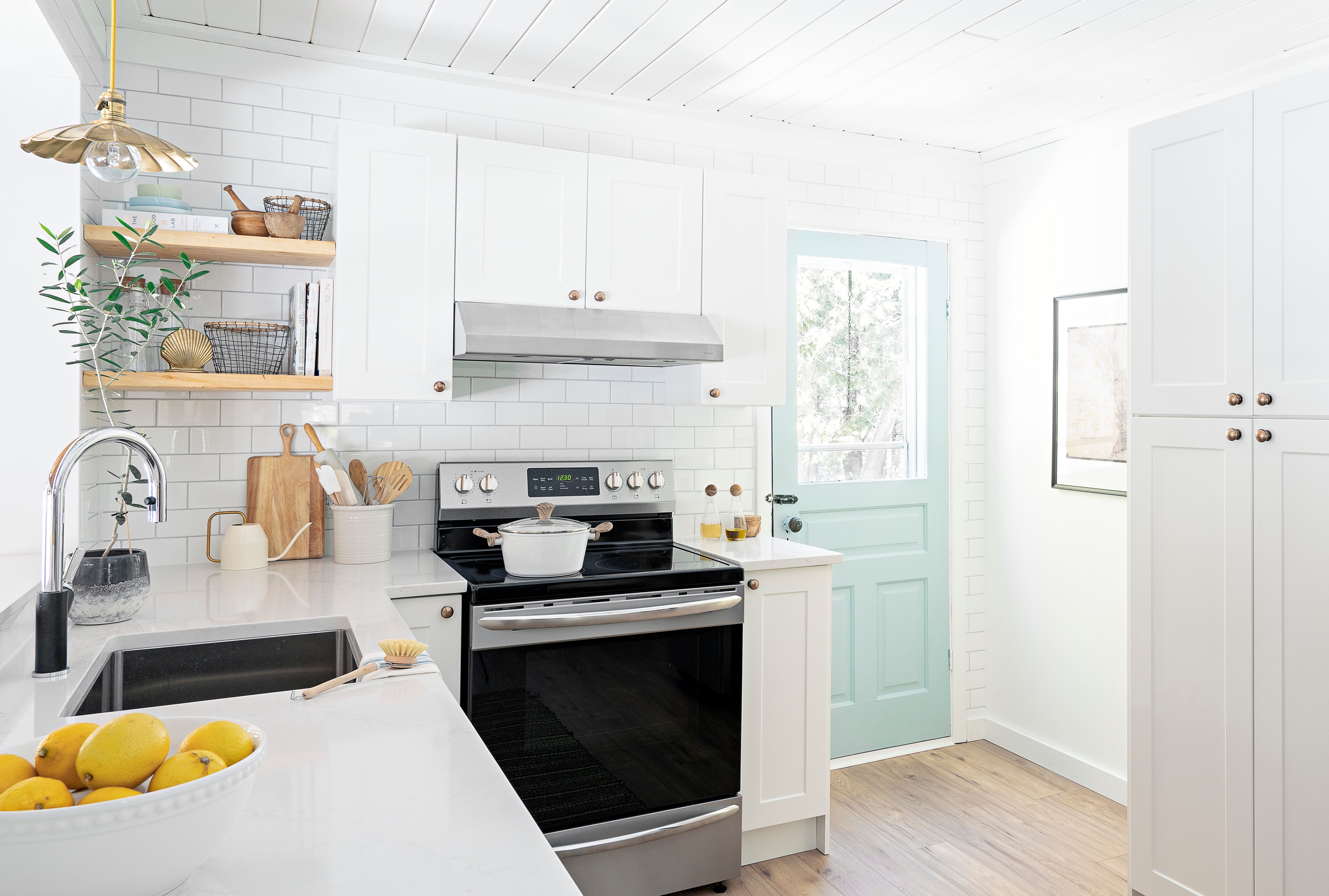
The oven is the obvious heat villain, but the stovetop deserves side-eye too. Both send a lot of heat into the kitchen, and that warmth does not politely stay there. It drifts into surrounding rooms, making the whole house feel warmer. Gas burners can also add extra warmth fast, especially in smaller spaces. During a heat wave, roasting vegetables at 5 p.m. is basically a direct challenge to your AC.
What to use instead
Reach for appliances that cook food faster and with less spillover heat. A microwave is one of the best alternatives because it cooks efficiently without turning the whole kitchen into a furnace. An air fryer, toaster oven, pressure cooker, or countertop multi-cooker can also help, especially for smaller meals. If you have outdoor space, grilling outside is another smart option because the heat stays where it belongs: outdoors, far away from your living room.
Best heat-wave meal ideas
No-cook and low-cook meals shine here. Think chicken salad wraps, hummus sandwiches, yogurt bowls, rotisserie chicken with bagged salad, tuna salad, gazpacho, bean salads, deli-style platters, and chilled pasta dishes made ahead of time. If you must cook, do it early in the morning or later in the evening when outdoor temperatures dip and your home is easier to manage.
Smart swap: Instead of baking a full casserole, make a microwave rice bowl with pre-cooked grains, canned beans, chopped veggies, and a chilled sauce. Your kitchen stays cooler, and you avoid the sweaty “why did I do this to myself?” moment halfway through preheating.
2. Avoid the Clothes Dryer
Why it is a problem
The dryer is sneaky because people think of it as a laundry appliance, not a summer heat machine. But it pushes out hot air, warms up the laundry room, and can make adjacent spaces feel stuffy. Open the door after a cycle, and you get a face full of warm air like the machine is personally mocking you. During a heat wave, that extra indoor heat is not helping anyone.
What to use instead
The easiest substitute is a clothesline outside, assuming your local rules and weather allow it. Sunshine and airflow can do the job for free, which is a rare sentence in modern life. If outdoor drying is not practical, use an indoor drying rack in a room with good airflow. A fan nearby can help clothes dry faster, and a dehumidifier can make indoor drying even more effective if your home is muggy.
Heat-wave laundry habits that help
Wash full loads, use cooler water when possible, and run laundry early in the morning. If you absolutely need the dryer, keep loads efficient and avoid overdrying. A short cycle at a cooler time of day is much better than firing up the machine during peak afternoon heat when your AC is already trying to hold the line.
Smart swap: Save towels, gym clothes, and easy-care items for rack drying, and reserve the dryer for the must-have-it-today load. That way, you reduce both indoor heat and your electric bill without turning laundry into a lifestyle crisis.
3. Avoid the Dishwasher During the Hottest Part of the Day
Why it is a problem
A dishwasher adds both heat and humidity, which is a nasty combo during a heat wave. The wash cycle generates steam, and the heated dry setting adds even more warmth. The result? A kitchen that feels more tropical than practical. If you run it right after dinner on a blazing afternoon or early evening, you may notice the room feels warmer and stickier almost immediately.
What to use instead
For small loads, hand-washing essentials can make sense, especially if you let dishes air-dry on a rack. For larger loads, you do not necessarily need to abandon the dishwasher forever. You just need to use it smarter. Run full loads only, skip the heated dry cycle, and set it to run overnight or early in the morning when indoor temperatures are lower and utility demand is often less intense.
How to make the dishwasher less annoying in summer
Scrape dishes instead of pre-rinsing them into a dramatic water opera, use a rinse aid if needed, and crack the dishwasher door after the cycle finishes so dishes can air-dry. That reduces extra heat and helps your kitchen recover faster. If your household goes through dishes like a restaurant, this single timing change can make the room feel noticeably less swampy.
Smart swap: Use the dishwasher as a nighttime task, not a peak-heat activity. Your future self will wake up to clean dishes instead of a kitchen that feels like it needs its own weather forecast.
4. Avoid Vacuuming in the Middle of a Heat Wave Afternoon
Why it is a problem
Vacuums may not seem like major heat generators, but they throw off warm exhaust air and add a little extra physical effort to the room too. In a cool house, that barely matters. In a heat wave, it can be the final insult. Vacuuming thick rugs, moving furniture, and doing a deep-clean session when it is already hot can make both you and your home feel warmer than necessary.
What to use instead
For hard floors, a broom, dry mop, or microfiber dust mop is the cooler choice. For quick cleanup on carpets or upholstery, use a lint roller, spot-clean tool, or just postpone the full vacuum job until the heat breaks or the sun goes down. Heat waves are a perfect time to lower your housekeeping standards from “magazine photo shoot” to “clean enough that no one writes a complaint.”
Cleaning strategy that makes sense
Focus on high-traffic areas only. Do a quick sweep in the kitchen, a fast pass by the entryway, and call it a victory. If you need to vacuum, do it in the early morning or evening. Your house stays more comfortable, and you avoid turning routine cleaning into accidental cardio in a warm room.
Smart swap: Think maintenance cleaning, not perfection cleaning. Summer dust can wait. Your core body temperature would prefer that very much.
5. Avoid Incandescent Light Bulbs
Why they are a problem
Incandescent bulbs are tiny heat machines disguised as lighting. They are old-school, inefficient, and surprisingly good at producing warmth where you do not want it. In a room with several lamps or ceiling fixtures, that extra heat can add up fast, especially in the evening when blinds are closed and air circulation is already limited.
What to use instead
LED bulbs are the easy upgrade. They use less energy, emit far less heat, and last much longer. During a heat wave, they are one of the simplest swaps you can make because they help with comfort and efficiency at the same time. Also lean harder on natural daylight during the morning, then switch to targeted task lighting instead of illuminating the entire house like a department store.
Small lighting changes that help
Turn off lights in empty rooms, use one lamp instead of four, and choose cooler, lower-output lighting in spaces where bright overhead fixtures are not necessary. Bedrooms, hallways, and living rooms can often feel noticeably less stuffy after a lighting upgrade, especially in older homes with lots of lamps and enclosed rooms.
Smart swap: Replace incandescent bulbs before the hottest stretch of summer. It is not the flashiest home improvement, but it is one of the few that can make a room feel better immediately.
What to Use Instead During a Heat Wave
If the phrase do not use that appliance starts to feel rude, here is the reassuring part: the goal is not deprivation. It is substitution. A heat-wave-friendly home leans on smaller appliances, cooler cooking methods, and smarter timing.
Best substitutes to keep in rotation
Use a microwave for fast meals, an outdoor grill for proteins and vegetables, an indoor drying rack for laundry, a dish rack for hand-washed essentials, a broom or dry mop for quick cleanup, and LED bulbs for everyday lighting. Also use blinds, curtains, and kitchen or bathroom exhaust fans wisely to keep heat and humidity from lingering indoors.
And remember this important point: fans can make you feel more comfortable, but they are not magic. In dangerous heat, they are helpers, not heroes. If your home is getting too warm, prioritize air-conditioned spaces, hydration, cool showers, and practical ways to reduce indoor heat gain.
Extra Summer Habits That Make These Swaps Work Better
Keep blinds or curtains closed during the brightest part of the day. Run major appliances in the morning or overnight if you can. Keep meals simple. Batch your chores instead of spreading heat-producing tasks throughout the day. And if your utility plan has peak and off-peak rates, shifting dryer, dishwasher, and cooking time can help your bill as much as your comfort level.
Think of it this way: your home is a cooler you are trying not to open too often. Every time you add indoor heat, you make the AC, the humidity level, and your patience work harder. The less indoor heat you generate, the better your home can ride out a miserable weather stretch.
Real-World Heat Wave Experiences: What People Learn Fast
One of the most common experiences people have during a heat wave is realizing that comfort is not only about the thermostat. A house can technically be “cooled” and still feel unpleasant if the kitchen is hot, the laundry room is stuffy, and the air feels thick. That is often the moment when homeowners start noticing patterns they never paid attention to before. Dinner gets cooked, the dishwasher runs, someone tosses in a load of towels, and suddenly the house feels several degrees warmer even though the thermostat has not changed much. It is not always your imagination. Daily routines really can pile extra heat onto an already hot day.
Families often notice this most in the late afternoon and early evening. That is the time when the outside temperature has been pounding on the house for hours, window heat has built up, and the AC has been running nonstop. Add an oven preheating for dinner and the kitchen can become the room nobody wants to enter. A lot of people end up migrating to cooler areas of the house, eating later than usual, or changing meals altogether. Summer suddenly becomes sandwich season, salad season, rotisserie chicken season, and “we are absolutely having fruit for dinner and no one is complaining” season.
Laundry also changes during extreme heat. People who normally run the dryer without a second thought often become deeply aware of how much warmth it dumps into the house. The laundry room feels warmer, the hallway near it feels warmer, and the whole area gets that stale summer heaviness. That is why simple changes, like drying one load outside or using a folding rack in a ventilated room, can feel surprisingly satisfying. It is not glamorous, but it works. There is something oddly triumphant about beating a heat wave with a drying rack and stubbornness.
Another common experience is discovering that old habits with lighting and cleaning do matter. A room with several incandescent bulbs switched on in the evening can feel more stuffy than expected. Vacuuming in the middle of the day, especially on rugs, can feel like doing chores inside a toaster. So people adapt. They start cleaning only the obvious messes. They use lamps instead of overhead lights. They sweep the kitchen and ignore the guest room. They become, for a brief period, extremely practical. Heat waves have a funny way of making perfectionism melt faster than an ice cube on a driveway.
Perhaps the biggest lesson people take away is that timing changes everything. Tasks that feel harmless at 8 a.m. can feel ridiculous at 4 p.m. Running the dishwasher overnight, cooking before the sun gets aggressive, and saving vacuuming for after sunset are not dramatic lifestyle changes. But during a week of relentless heat, they can make a home feel calmer, cooler, and more manageable. That matters because heat waves are physically exhausting. When the weather is oppressive, every little decision that lowers indoor heat gives you a bit more comfort and a bit less friction.
In the end, most people come out of a heat wave with the same conclusion: keeping a home comfortable in extreme heat is less about one miracle product and more about a series of smart, boring choices that quietly work. And honestly, boring choices that keep the house from feeling like a baked brick are pretty beautiful.
Conclusion
When temperatures soar, the smartest move is not to fight heat with more heat. Avoiding the oven, dryer, dishwasher, vacuum, and incandescent bulbs during the hottest parts of the day can help keep your home more comfortable and reduce strain on your cooling system. Swap in cooler alternatives, shift chores to better hours, and let summer routines get a little more relaxed. Your AC will thank you, your kitchen will stop feeling hostile, and you might even survive the week without glaring at the weather app every ten minutes.