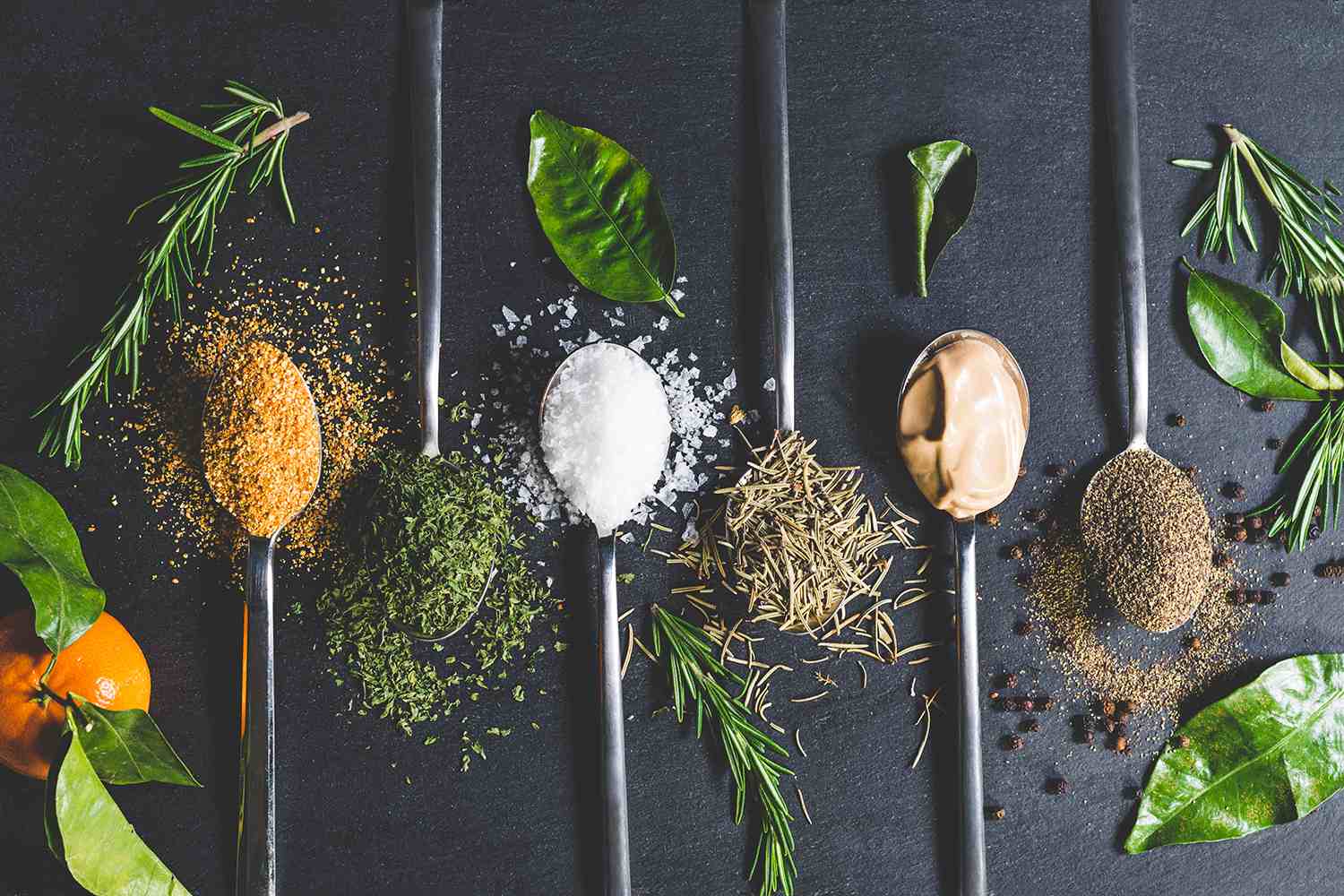
If your spice cabinet has been feeling a little too polite lately, a good mustard rub recipe is here to wake things up. It is tangy, savory, smoky, a little sweet, and exactly the kind of seasoning blend that makes pork, chicken, beef, and even roasted vegetables taste like they had a much better childhood. While mustard often gets cast as the supporting actor in sandwiches and potato salad, it absolutely deserves top billing in a rub.
The beauty of a mustard rub is that it delivers big flavor without demanding culinary gymnastics. You do not need a smoker the size of a pickup truck or a secret family recipe written on a napkin in 1987. You just need a few pantry spices, a bowl, and the confidence to coat your meat like you mean it. This version leans on dry mustard for punch, paprika for warmth, brown sugar for balance, and garlic and onion for that classic barbecue backbone.
Even better, this recipe is flexible. Want it sweeter? Add a little more brown sugar. Want it bolder? Increase the black pepper or cayenne. Want to use it on pork chops tonight and chicken thighs tomorrow? Go right ahead. A great mustard rub is not fussy. It is the seasoning equivalent of a friend who shows up on time, brings snacks, and never complains about the weather.
What Is a Mustard Rub?
A mustard rub is a seasoning blend built around mustard flavor, usually from dry mustard powder, mustard seed, or a prepared mustard used as part of a wet paste. For this article, the main recipe is a dry rub with mustard powder at the center of the stage. That choice makes it easier to store, easier to measure, and easier to use on everything from ribs to roasted pork loin.
There is one thing people often confuse: a mustard binder is not the same as a mustard rub. A binder is a light coating of yellow mustard, Dijon, or oil brushed onto meat before the dry seasoning goes on. Its job is mostly practical. It helps the spices stick, encourages an even coating, and often disappears into the background during cooking. A mustard rub, on the other hand, is where mustard is actually part of the flavor profile. You can use both together for maximum effect, and many cooks do.
Why Mustard Works So Well in a Rub
Mustard has a sharp, earthy, slightly spicy flavor that cuts through rich meats beautifully. Pork shoulder, ribs, chicken thighs, and beef roasts all benefit from that tangy edge. On its own, mustard powder can taste almost sneaky. It does not always shout. Instead, it slips into the background and makes everything around it taste brighter and more interesting.
That is why mustard plays so nicely with smoky paprika, black pepper, garlic, onion, cumin, and a touch of sweetness. It keeps a rub from tasting flat or one-note. If you have ever had barbecue that tasted salty and smoky but somehow still boring, there is a decent chance it needed something with a little zip. Enter mustard, strutting in like it owns the cookout.
The Best Mustard Rub Recipe
This homemade mustard rub recipe is balanced enough for everyday use and bold enough to stand up to long cooking times. It works especially well on pork ribs, pork shoulder, pork tenderloin, chicken wings, chicken thighs, and even roasted potatoes.
Ingredients
- 1/4 cup dry mustard powder
- 2 tablespoons smoked paprika
- 2 tablespoons light or dark brown sugar
- 1 tablespoon kosher salt
- 2 teaspoons freshly ground black pepper
- 2 teaspoons garlic powder
- 2 teaspoons onion powder
- 1 teaspoon ground cumin
- 1 teaspoon dried thyme
- 1/4 teaspoon cayenne pepper, optional
Instructions
- Add all ingredients to a small bowl.
- Whisk until evenly combined, breaking up any clumps of brown sugar with your fingers or the back of a spoon.
- Taste a tiny pinch and adjust if needed. Add more sugar for a sweeter barbecue profile, more pepper for bite, or more cayenne for heat.
- Use immediately, or transfer to an airtight jar and store in a cool, dry place.
This recipe makes enough rub for about 4 to 5 pounds of meat, depending on how generously you season. If you like a heavy crust, go a little wild. If you prefer a lighter hand, use less and save the rest for later.
How to Use Mustard Rub Like You Know What You Are Doing
For Pork
Pork and mustard are basically best friends. Use this rub on baby back ribs, St. Louis-style ribs, pork chops, pork tenderloin, pork loin roast, or pork shoulder. If you are cooking a larger cut, pat the meat dry first, then brush it very lightly with yellow mustard or Dijon. After that, apply the rub generously on all sides and let it rest for at least 30 minutes. If you have more time, refrigerate it for several hours or overnight for deeper flavor.
For Chicken
Chicken loves mustard too, especially dark meat. Rub it onto wings, drumsticks, thighs, or a whole chicken. Because chicken cooks faster than a giant pork shoulder, the seasoning stays bright and lively. The brown sugar helps with color, while the mustard and paprika help the skin taste less like an afterthought and more like the reason everyone keeps hovering near the tray.
For Beef
Mustard rub may not be the first thing people imagine for beef, but it works beautifully on brisket, chuck roast, tri-tip, and prime rib. On beef, the mustard flavor reads a little more sophisticated and less barbecue-jacket-at-the-state-fair. It pairs especially well with garlic, black pepper, and coarse salt.
For Vegetables
Yes, vegetables deserve fun too. Toss cauliflower, carrots, potatoes, or Brussels sprouts with olive oil and a few teaspoons of the rub before roasting. The mustard brings edge, the paprika adds warmth, and suddenly your side dish is no longer the thing people eat out of guilt.
Should You Add Prepared Mustard Too?
You can, and sometimes you should. If you want a thicker, paste-style coating, mix 2 to 3 tablespoons of Dijon or yellow mustard with 1 to 2 tablespoons of this dry rub and spread it over the meat. This works especially well on pork loin, roast chicken, and beef roasts. The result is more of a mustard crust than a classic dry barbecue bark, but it is delicious.
If you are smoking ribs or pork butt, a light layer of prepared mustard under the dry rub can help the seasoning stick without making the finished meat taste aggressively mustardy. That is one of the small kitchen miracles that seems suspicious until you try it. Mustard shows up, does the work, and then quietly lets the smoke and spices take the credit.
Flavor Variations to Try
Sweet Mustard Rub
Increase the brown sugar to 1/4 cup and add a pinch of ground ginger. This is excellent for pork chops, roasted ham, and chicken wings.
Spicy Mustard Rub
Add 1 teaspoon cayenne and 1 teaspoon chili powder. Great for ribs, chicken thighs, and anything headed for the grill on a weekend when you are feeling dramatic.
Herby Mustard Rub
Add 1 teaspoon dried rosemary and 1 teaspoon dried oregano. This version works especially well on pork loin and roasted chicken.
Savory Low-Sugar Mustard Rub
Reduce the brown sugar to 1 teaspoon or leave it out entirely. The result is more savory and ideal for beef roasts or weeknight chicken when you want less sweetness and more spice.
Tips for the Best Results
Pat the meat dry first. Moisture is the enemy of a good crust. If the surface is wet, the rub can clump instead of coating evenly.
Do not oversalt by accident. If you are using table salt instead of kosher salt, use less. Table salt is more compact, and too much can push your mustard rub from flavorful to mouth-puckeringly salty.
Toast whole spices if you are feeling fancy. If you grind your own black pepper, mustard seed, or coriander, a quick toast in a dry pan can deepen the aroma. It is not required, but it makes the kitchen smell like you know exactly what you are doing.
Let the rub sit on the meat. Even 30 minutes helps. A few hours is better. Overnight is excellent for bigger cuts.
Use a thermometer. Flavor is fun, but food safety still matters. For example, USDA guidance recommends 145 degrees Fahrenheit for whole cuts of pork and beef with a rest time, and 165 degrees Fahrenheit for poultry.
Common Mistakes to Avoid
One common mistake is using too much sugar for high-heat cooking. Brown sugar can burn if the grill is ripping hot, so keep a closer eye on thinner cuts. Another mistake is under-seasoning. Large cuts of meat need more rub than beginners think. A pork shoulder the size of a small bowling ball cannot survive on one timid teaspoon of seasoning.
Another issue is expecting the rub to do all the work. A mustard rub is powerful, but it is not magic dust from a cartoon. Good cooking still matters. Give the meat time, use the right temperature, and let it rest before slicing. Your rub is the opening act, not the whole concert.
How to Store Homemade Mustard Rub
Store the rub in an airtight jar or sealed spice container in a cool, dark cabinet. It is best within 3 to 4 months for peak flavor. It will not suddenly turn evil after that, but the spices can lose their spark. If the rub smells dull, looks faded, or tastes sleepy, make a fresh batch. Spices are cheaper than disappointment.
What to Serve with Mustard-Rubbed Meat
This seasoning blend pairs beautifully with coleslaw, cornbread, roasted sweet potatoes, baked beans, grilled corn, macaroni and cheese, potato salad, or a crisp green salad with a tangy vinaigrette. If you use the rub on pork, a mustard-based barbecue sauce or apple slaw is especially good. If you use it on chicken, try it with roasted vegetables or buttery rolls. If you use it on beef, serve it with mashed potatoes and act like you own a steakhouse.
Final Thoughts on This Mustard Rub Recipe
A great mustard rub recipe is one of those kitchen staples that quickly earns repeat status. It is easy to mix, easy to store, and versatile enough to pull dinner out of a rut. The combination of dry mustard, paprika, brown sugar, garlic, onion, and pepper gives you sweet, savory, smoky, and tangy flavor in one tidy bowl. That is a strong return on investment for about five minutes of effort.
Whether you are seasoning ribs for a backyard cookout, dressing up a plain pork tenderloin, or trying to make weeknight chicken feel a little less like a chore, this rub gets the job done. It is bold without being overpowering, classic without being boring, and flexible enough to become your own signature blend over time. In other words, it is the kind of recipe that quietly takes over your cooking routine in the best possible way.
Kitchen Experiences: What This Mustard Rub Taught Me
The first time I made a mustard rub, I expected fireworks. I thought the mustard would come in wearing a sequined jacket and slap everyone at the table with flavor. Instead, what happened was much more interesting. The pork came out balanced. The paprika was cozy, the garlic and onion were familiar, the brown sugar rounded the edges, and the mustard sat underneath it all making everything taste more alive. That was the moment I realized mustard is less of a loudmouth and more of a very effective stage manager. It makes the whole production better without demanding a standing ovation.
After that, I started using mustard rub on everything I could justify to my conscience. Pork chops on a Tuesday? Absolutely. Chicken thighs when the refrigerator looked uninspired? Definitely. A roast that needed to impress company without making me behave like a stressed restaurant line cook? Yes, please. Every time, the rub did something useful. It gave ordinary meat a backbone. It made the kitchen smell like there was a plan, even when dinner was being assembled with the energy of a person answering emails and boiling potatoes at the same time.
One of my favorite lessons came from making ribs with a friend who insisted yellow mustard sounded weird. He gave me the kind of skeptical face usually reserved for suspicious leftovers. We brushed the ribs lightly, added the rub, and let them cook low and slow. Hours later, he took one bite and immediately stopped pretending to be the cautious one. The mustard flavor was not harsh or vinegary. It had melted into the seasoning and helped create a deeper, richer crust. He did not apologize out loud, but he did take home leftovers, which in food language is basically a formal confession.
I also learned that mustard rub is incredibly forgiving. Some recipes are divas. They demand exact measurements, exact timing, exact weather conditions, and perhaps a moonlit blessing. This one is much kinder. A little more paprika? Fine. No thyme? Still good. Want to swap in spicy brown sugar, extra black pepper, or a touch of cumin? The rub adjusts. That flexibility makes it perfect for home cooks who want real flavor without feeling like they are taking a final exam in a test kitchen.
The biggest experience-based truth, though, is that mustard rub makes you feel more competent than the effort required should reasonably allow. It takes five minutes to mix, but it tastes like the kind of thing that should involve handwritten recipe cards and a family legend. It turns basic cuts into something memorable. It rescues boring weeknight meals. It gives grilled food a little swagger. And once you have a jar of it in the pantry, you start reaching for it the way people reach for black pepper: casually, confidently, and often. That is the magic of a good mustard rub. It does not just season food. It upgrades your whole cooking mood.