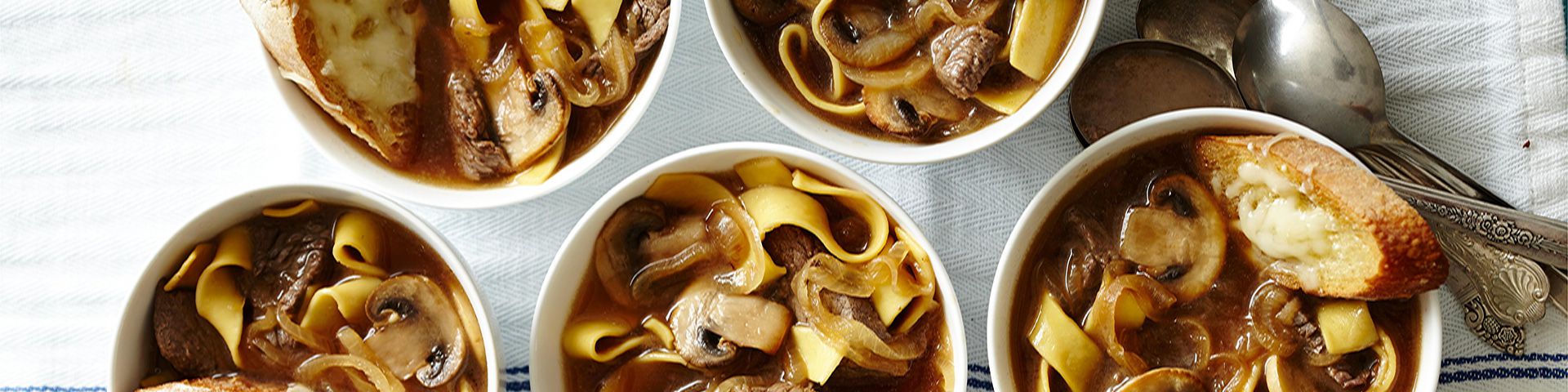
Soup recipes are the culinary equivalent of a cozy blanket: reliable, comforting, and somehow always a good idea. Whether you want a quick weeknight bowl, a big pot for meal prep, or a “wow, I totally meant to make this from scratch” dinner, soup is one of the most flexible meals in American kitchens. It can be rich and creamy, light and brothy, loaded with vegetables, packed with beans, or built around leftovers that needed a second chance at greatness.
This guide brings together the best ideas behind today’s most-loved soup recipes and classic techniques used by home cooks and recipe developers. You’ll find practical strategies for building flavor, choosing textures, thickening soups the right way, and making your bowls taste like they simmered all day (even if they didn’t). There are also smart storage and reheating tips, because a great soup on Day 2 is a tiny life victory.
Grab a pot, a spoon, and your “I’m just making something simple” energy. It’s soup time.
Why Soup Recipes Never Go Out of Style
Great soup recipes stick around because they solve real-life problems. They stretch ingredients, reduce food waste, and feed a lot of people without a lot of drama. A pot of soup can be dinner tonight, lunch tomorrow, and a freezer backup for future-you (who will be very impressed with past-you).
They also work in every season. In winter, you want chicken noodle, lentil, chowder, and chili-adjacent bowls that warm your bones. In spring and summer, lighter soups like vegetable soup, tomato soup, or chilled options can feel fresh instead of heavy. In fall, pumpkin, squash, and creamy soups make everyone suddenly interested in candles and sweaters.
Another reason soup recipes are so popular: they’re easy to customize. You can make a soup vegetarian, protein-heavy, dairy-free, spicy, mild, low-sodium, or extra hearty depending on what your household likes. One base recipe can become three different dinners with small changes in toppings, broth, or add-ins.
The Building Blocks of Better Homemade Soup
1) Start with Aromatics (The Flavor Foundation)
Most homemade soup recipes begin with aromatics such as onion, celery, and carrots. This classic trio (often called mirepoix) gives soup a savory backbone and helps the whole pot taste deeper and more balanced. Depending on the recipe, you might swap in leeks, garlic, ginger, scallions, or peppers.
The trick is not to rush this step. Let the vegetables soften and release their flavor before adding liquid. If they brown too hard too early, some soups can turn bitter instead of sweet and mellow. Think “gentle sizzle,” not “vegetable fireworks.”
2) Layer Flavor Instead of Dumping Everything In
The best soup recipes are built in layers. Cook the aromatics first, then add spices or tomato paste and let them bloom for a minute. That short extra step can make a huge difference in depth. After that, add broth, stock, or water, followed by your main ingredients (beans, chicken, potatoes, noodles, lentils, etc.).
This is also where little upgrades shine:
- A splash of vinegar or lemon juice at the end to wake up the flavors
- A Parmesan rind simmered in broth for extra savory depth
- Fresh herbs added at the finish for brightness
- A spoonful of yogurt, cream, or coconut milk for a smoother finish
In short: soup gets better when ingredients enter the pot on purpose, not all at once like they’re racing for a prize.
3) Choose the Right Liquid
Many home cooks assume every soup needs stock, but that’s not always true. Some vegetable soups taste fantastic with water because the vegetables stay front and center. Broth or stock adds more richness and body, especially in chicken soup, beef soup, and bean-heavy soups.
If you want a lighter bowl, use more broth and fewer creamy ingredients. If you want a restaurant-style comfort soup, build richness with stock, a dairy element, or a puree of the soup’s own vegetables.
Popular Types of Soup Recipes to Add to Your Rotation
Brothy Soups
Brothy soup recipes are the weeknight heroes. They’re comforting without being too heavy, and they’re a great way to use vegetables, beans, shredded chicken, dumplings, or noodles. Think chicken noodle soup, minestrone, vegetable soup, or a quick ginger-garlic broth with frozen dumplings.
These soups benefit from strong seasoning and a bright finish. A squeeze of lemon, a dash of vinegar, or chopped herbs can make a brothy soup taste more “finished” and less like it still needs a pep talk.
Creamy Soups
Creamy soup recipes are perfect when you want comfort food energy. Tomato soup, potato soup, broccoli cheddar, and butternut squash soup are classics for a reason. But “creamy” doesn’t always mean heavy cream. You can get a creamy texture by blending cooked vegetables, beans, rice, or potatoes directly into the soup.
This approach gives you a velvety texture while keeping the ingredient list simple. It also makes it easier to adapt soups for different diets. If you want extra richness, add cream, half-and-half, or a non-dairy alternative at the end and heat gently.
Bean and Lentil Soups
Bean soup recipes and lentil soup recipes are the budget-friendly champions. They bring fiber, protein, and serious comfort to the table, especially in colder months. White bean soup, black bean soup, pasta e fagioli, split pea soup, and lentil vegetable soup all fit into this category.
These soups are especially meal-prep friendly because they reheat well and often taste even better the next day. For the best texture, keep pasta separate if you plan to store leftovers, then add it when serving or reheating.
Quick Soup Recipes (30 Minutes or Less)
Quick soup recipes are not a myth. They exist, and they are glorious. Use time-saving ingredients like frozen vegetables, rotisserie chicken, canned beans, or pre-made broth. Shortcuts do not make your soup less homemade; they make your dinner happen.
A practical formula for fast soup:
- Sauté aromatics (onion, garlic, ginger)
- Add seasoning (spices, miso, tomato paste, herbs)
- Pour in broth
- Add quick-cooking ingredients (beans, frozen veg, dumplings, shredded chicken)
- Finish with acid, herbs, or a creamy swirl
If you need dinner in a hurry, that formula can carry you through many “what are we eating?” moments.
How to Thicken Soup Without Turning It Into Paste
Texture can make or break soup recipes. Too thin, and it feels unfinished. Too thick, and suddenly your spoon stands upright like a flagpole. Here are the best ways to thicken soup while keeping it delicious:
Puree Some of the Soup
Blend part of the soup and stir it back in. This works beautifully for vegetable soup, bean soup, and lentil soup. It adds body without extra flour or cream, and it keeps the flavor focused on the main ingredients.
Use a Slurry
Mix cornstarch (or flour) with cold liquid before adding it to the hot pot. This prevents lumps and helps the soup thicken smoothly. It’s a great trick for soups like egg drop soup, chowders, and quick skillet-to-pot soups.
Try a Roux or Beurre Manié
For classic creamy soups, a roux (fat + flour cooked together) creates a rich, stable base. A beurre manié (soft butter mixed with flour) can be stirred in near the end for a velvety finish. Both methods work especially well in chowders and cream-based soups.
Add Bread, Rice, or Potatoes
Old-school trick, still excellent: starches thicken naturally. A chunk of bread, cooked rice, or extra potato can transform a thin soup into a hearty bowl. It’s practical, delicious, and secretly feels like kitchen wizardry.
Soup Recipe Mistakes to Avoid
Underseasoning the Broth
Soup needs seasoning in layers, not just at the end. Salting only once can leave the broth flat, especially in soups with beans, potatoes, or pasta. Taste throughout the process and adjust gradually.
Overcooking Pasta or Noodles
Pasta continues to absorb liquid as soup sits. If you’re making soup recipes for leftovers, cook noodles separately or add them close to serving time. Otherwise, tomorrow’s lunch may look less like soup and more like a casserole that lost its confidence.
Skipping Acid
If a soup tastes “fine” but not exciting, it often needs acidity, not more salt. Lemon juice, a splash of vinegar, or even a spoonful of tomatoes can brighten the pot immediately.
Adding Dairy at a Boil
Cream, milk, and yogurt can separate if added over high heat. Lower the heat before stirring them in, and warm gently. Your soup will stay smooth instead of looking like it had a rough day.
Healthy Soup Tips for Everyday Cooking
Soup recipes can be hearty and still balanced. A few small choices make a big difference:
- Use beans, lentils, and vegetables for more fiber and staying power
- Add lean proteins like chicken, turkey, or tofu for a more filling bowl
- Watch sodium levels in packaged broth and canned ingredients
- Use the Nutrition Facts label to compare sodium per serving
- Build flavor with herbs, garlic, ginger, spices, and acidity instead of only salt
If you’re using store-bought broth, low-sodium versions are often a smart starting point because you control the final seasoning. That’s especially helpful when making large-batch homemade soup recipes for the week.
Storage, Freezing, and Reheating Soup Safely
A big batch of soup is wonderful, but food safety matters. Cool soup promptly and divide large amounts into shallow containers so it chills faster. A giant pot left sitting around too long can stay warm in the middle, which is not what you want.
For leftovers:
- Refrigerate soup within the safe time window (sooner is better)
- Store in shallow containers for faster cooling
- Reheat soups thoroughly until hot all the way through
- For best safety, reheat to 165°F and stir while reheating
Freezing works well for many soup recipes, especially broth-based and bean soups. Creamy soups can still be frozen, but some may separate slightly after thawing. The fix is simple: reheat gently and stir well, or add a little broth to bring the texture back.
Soup Recipes for Every Mood
When You Want Comfort
Go for chicken noodle, creamy tomato, potato soup, or a classic chowder. Add grilled cheese or crusty bread, and congratulations: you have officially won dinner.
When You Want Something Fast
Use frozen dumplings, canned beans, frozen vegetables, or rotisserie chicken. A quick broth with ginger, garlic, miso, and scallions can taste surprisingly complex in under 30 minutes.
When You Want to Meal Prep
Make lentil soup, black bean soup, vegetable soup, or turkey soup. Store toppings separately (fresh herbs, cheese, crunchy croutons) so each bowl tastes fresh instead of “leftover-ish.”
When You Want to Impress People
Try French onion soup, a rich dumpling soup, a creamy wild rice soup, or a layered tomato basil soup with homemade garnish. Fancy garnish + good bowl = everyone thinks you have your life together.
Experience-Based Insights: What Home Cooks Learn from Making Soup (500+ Words)
One of the most relatable experiences with soup recipes is realizing that soup teaches patience in a very practical way. Many home cooks start out thinking soup is just “throw ingredients in a pot and wait,” but after a few batches, the pattern becomes clear: the best soups are usually the ones that are built step by step. The first time someone takes the extra five minutes to soften onions properly, or to toast spices before adding broth, the flavor difference is obvious. That is often the moment soup goes from “something easy” to “something worth getting good at.”
Another common experience is discovering that soup is one of the best confidence-builders in the kitchen. A roast can feel intimidating. Baking can be fussy. But soup is forgiving. Too thick? Add broth. Too thin? Blend some beans or potatoes. Too flat? Add lemon juice, salt, or herbs. That flexibility helps beginners feel more comfortable making adjustments instead of following every line of a recipe like it is a legal contract. Over time, many cooks stop asking, “Can I make this?” and start asking, “How do I want to make this?” That is a huge shift.
Soup also changes the way people think about leftovers. Ingredients that seem random in the fridgehalf an onion, a handful of spinach, leftover chicken, a cup of ricesuddenly look like a plan. This is where soup recipes become less about rules and more about rhythm. Home cooks often develop their own “soup habit”: start with aromatics, add seasoning, pour in broth, use whatever vegetables need to be used, then finish with something bright. It becomes a reliable kitchen routine, especially during busy weeks.
There is also a social side to soup that people remember. Big pots show up when someone is sick, after a long day, during cold weather, or when a family needs an easy shared meal. Soup is generous. It stretches. It reheats. It can be served casually, and somehow it still feels thoughtful. A simple chicken soup or lentil soup may not look flashy, but it often carries the same emotional weight as more elaborate meals because it feels comforting and intentional.
Many experienced home cooks eventually learn a funny truth: toppings matter almost as much as the soup itself. A bowl can taste good on its own, but croutons, herbs, chili oil, grated cheese, toasted seeds, or a swirl of yogurt can make it taste finished. This is a small lesson with a big payoff. It turns basic soup recipes into customizable meals where everyone at the table can build their favorite version.
Finally, soup teaches people to trust taste over appearance. Early in cooking, a pot may look plain and unimpressive. Then it simmers, gets seasoned, and suddenly tastes incredible. That experience helps cooks rely less on guesswork and more on tasting as they go. It is one of the most valuable kitchen skills there is. In that way, soup recipes are more than meal ideasthey are some of the best low-pressure cooking lessons a home cook can get.
Conclusion
The best soup recipes are the ones you’ll actually make again: flavorful, flexible, and easy to adapt. Start with aromatics, build flavor in layers, choose the right texture, and finish with a bright garnish or a splash of acid. Whether you’re making a creamy potato soup, a brothy chicken soup, or a fast bean soup for a weeknight, the same principles work again and again.
Soup is practical, comforting, and surprisingly creative. It can be budget-friendly or dinner-party worthy. It can be healthy, indulgent, or both in the same bowl. And once you get the basics down, you won’t just be collecting soup recipesyou’ll be creating your own.